

How to Perform Leak Testing on Bags and Flexible Packaging
How to Perform Leak Testing on Bags and Flexible Packaging
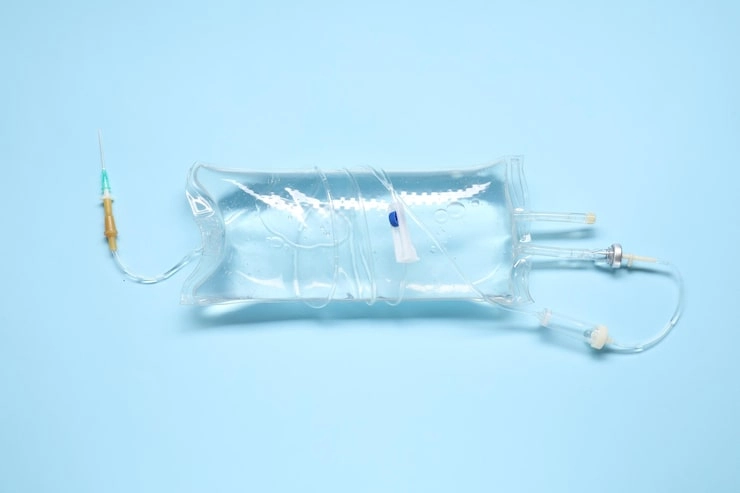
Many industries use flexible packaging because it is light, cheap, and very versatile. However, its performance really depends on maintaining airtight seals and solid construction. For this reason, leak testing is an absolutely critical quality control step.
Why Leak Testing is Critical for Product Integrity
Leak testing for flexible packaging has several key goals. First of all, it stops products from getting ruined, which is very important for food, pharmaceutical, and medical items where being sterile and fresh is a must. A tiny leak is bad. It can let in moisture, oxygen, or bacteria, which makes the product unsafe.
What’s more, leak testing makes sure that companies follow global safety rules and laws. The testing methods meet the requirements of FDA and GMP regulations, and also the standards of USP and EP. Following these regulations is huge. It keeps customers safe and also protects companies from legal problems and recalls.
Finally, good leak testing can make products last longer and it helps build a strong brand name. Packages that stay sealed during shipping show that a company is reliable and cares about quality, which leads to more trust from customers.
Common Issues Caused by Undetected Leaks
Leaks you don’t find can cause a whole chain of quality issues. For instance, a loss of vacuum or modified atmosphere packaging (MAP) integrity might make food go bad or become dangerous. Moisture and oxygen getting in can also ruin sensitive things like medicines or electronics. These problems often cause more product returns. They lead to unhappy customers. And ultimately, they can really hurt a brand’s good name.
Overview of Leak Testing Methods for Bags and Flexible Packaging
There are different ways to find leaks in flexible packaging. The best method to use depends on the product, how sensitive the test needs to be, and if the test has to be non-destructive.
Visual Inspection Techniques
The easiest method is just manually looking for obvious problems like holes or gaps in the seal. It is cheap. But this method really depends on the skill of the person doing it and can only find pretty big leaks. Tiny leaks often get missed with just a visual check.
Bubble Emission Test (Submersion Method)
For this test, you put a sealed package underwater and add pressure. If you see bubbles, you know exactly where the leak is. It works well. Though this test is great for finding the fault’s location, it usually destroys the package and isn’t good for sensitive products or clean environments.
Dye Penetration Test
Dye tests use a colored dye that is put into the package or around the seals to show any openings. This is a great choice for materials with pores and for clear films. However, it is a destructive test, much like the bubble test, and it can take a lot of time.
طريقة الاضمحلال بالتفريغ
Vacuum decay testing is a different approach where the package goes inside a vacuum chamber. Then you watch to see if the vacuum level drops over a period of time. This is a non-destructive method that can find very small leaks with high accuracy. Thus, it’s very popular for pharmaceutical and medical device packaging because it doesn’t harm the product at all.
Pressure Decay Leak Testing: A Preferred Method for Precision
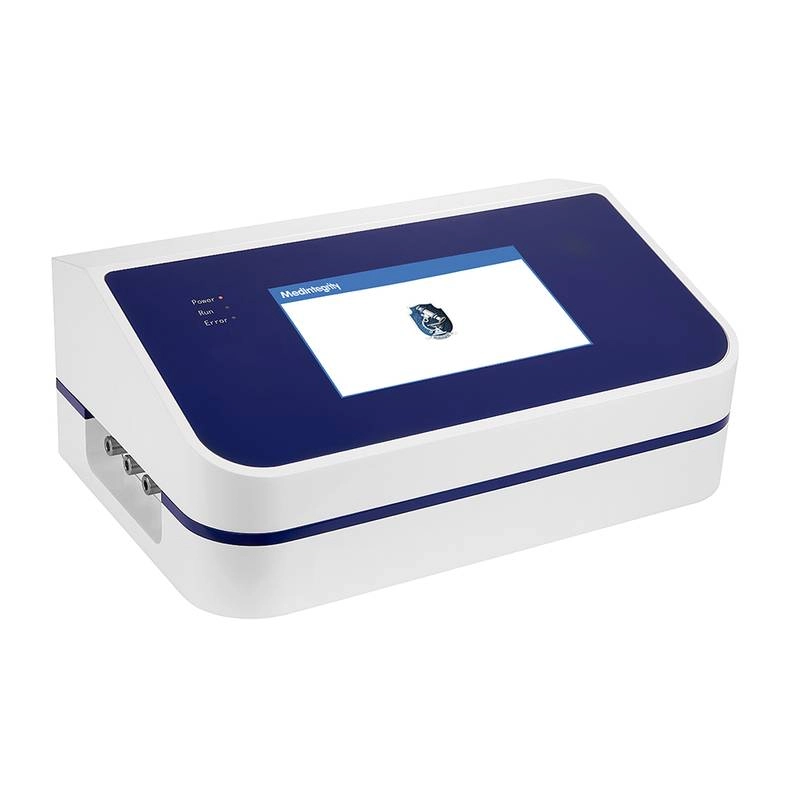
Pressure decay testing has become a top non-destructive way to find tiny leaks in flexible packaging systems.
What is Pressure Decay Leak Testing?
The pressure decay test works by checking the speed at which air pressure drops in a closed system that holds the test package. A steady pressure drop shows there’s a leak. This method is very exact. It also doesn’t harm the product, so it is perfect for industries where keeping things sterile and preserved is the top priority.
How Pressure Decay Leak Testers Work
Now, let’s look more closely at how this technology operates in the real world.
Key Components of a Pressure Decay System

A standard pressure decay leak tester has a few very important parts:
- A test chamber or fixture made to fit flexible packaging like pouches or sachets.
- Very sensitive pressure sensors that can notice tiny changes in pressure.
- A control unit with a digital screen for setting up test rules and looking at data.
Step-by-Step Process of Performing a Pressure Drop Test
- Put the package into a specially made fixture or chamber.
- Add a controlled amount of pressure inside the package or create a vacuum around the outside of it.
- Watch for any drop in pressure over a set amount of time.
- Use software to check the results to see if the pressure drop is within the allowed range.
This controlled process makes sure every test is consistent and accurate during quality checks.
Factors Influencing Accuracy in Pressure Drop Tests
While pressure decay testers are very good, some things can affect how accurate and consistent they are.
Environmental Conditions and Calibration Requirements
Changes in room temperature can affect both the sensor readings and how the material acts during a test. You have to calibrate it often. This ensures the machine performs the same way in every test cycle. Instruments like pressure decay testers need to be checked from time to time to meet official standards. The main products include: Filter Integrity Tester and so on.
Material Type and Package Design Considerations
The thickness of the material changes how long it takes for a leak to show up as a pressure drop you can measure. Thicker films might need longer tests to get good results. In the same way, pouches with gussets or unusual shapes might require special fixtures to make sure they are sealed right for the test.
Selecting Suitable Equipment for Leak Testing Applications
Picking the right pressure decay leak tester means you have to look at both its technical specs and how it works day-to-day.
Features to Look For in a Pressure Decay Leak Tester
Performance Criteria Based on Application Needs
For really precise jobs, like in pharmaceutical or medical packaging, you should look for machines with:
- Sensitivity down to 10⁻⁵ mbar L/s
- Test cycles you can adjust to fit different package types like sachets, pillow bags, and vacuum pouches
Ease of Use, Automation, and Data Logging Capabilities
Modern systems need to provide:
- An interface that is simple to use and has settings you can program
- Test sequences that run on their own for consistent results
- Ways to store or export data for tracking purposes, as required by regulations
MedIntegrity: Trusted Partner in Laboratory Equipment Solutions
When you’re looking for exact tools for leak detection, it is so important to work with a supplier who gets the rules and quality control needs.
ميدإنتجريتي is all about precision testing instruments and related items for the pharmaceutical industry. We are a helpful partner that always gives customers different solutions for testing, figuring out problems, and lab research.
Their offerings include advanced pressure decay testers designed just for flexible packaging uses. With great support and calibration services, MedIntegrity helps customers meet global standards like those from the FDA, GMP, USP, and EP.
Our products are sold in over 40 countries. Their presence around the world shows they are a trusted partner in many areas, including pharmaceuticals, medical devices, food safety, and consumer goods.
Summary of Key Takeaways on Leak Testing Flexible Packaging
Leak testing is something you just can’t skip if you want to ensure product quality in many industries. Some methods like visual checks or bubble tests can be useful. But they are limited. They are often not sensitive enough or they ruin the product.
Pressure decay technology gives a very sensitive, non-destructive answer that is perfect for today’s quality control needs. It is one of the best methods out there because it can be adjusted for many different package designs and materials.
By working with suppliers like MedIntegrity that are experts in precision testing tools and systems that follow the rules, companies can be sure they are setting up strong quality control plans.
FAQs:
Q1: What is the difference between pressure decay testing and vacuum decay testing?
A1: Pressure decay puts positive pressure inside the package and then watches for any drop. Vacuum decay creates a vacuum around the package to find leaks by seeing if the vacuum is lost. Both are great methods. They are non-destructive, but they are used for different kinds of packages.
Q2: Can pressure decay testers be used on all types of flexible packaging?
A2: Yes, you can adapt pressure decay testers for many materials, including plastic films, laminates, or foil. But its success depends on things like how thick the material is, the complexity of its shape, and the seal design. You might need custom fixtures for packages with strange shapes.
Q3: How often should leak testing equipment be calibrated?
A3: Calibration should happen at least once a year, or whatever the maker suggests. If you use the equipment a lot or for very critical products, you might need to check the calibration more often to get consistently accurate results.

 Arabic
  English
  Russian
  Spanish
  Portuguese
  German
  French
  Italian
  Dutch
Dutch  Japanese
  Vietnamese
  Korean
  Malay
Malay  Thai
Thai