

Using Osmolality Data to Build Robust Manufacturing Processes
Using Osmolality Data to Build Robust Manufacturing Processes
Biopharmaceutical manufacturing depends on precision and reliability as its fundamental elements. The development of new production technologies requires analysts to create corresponding analytical methods. The measurement of solute concentration per kilogram of solvent known as osmolality has become essential for monitoring quality attributes (CQA) throughout all stages of upstream and downstream production. The continuous monitoring of osmolality allows process control and regulatory compliance through its ability to optimize cell viability in bioreactors and maintain product formulation consistency.
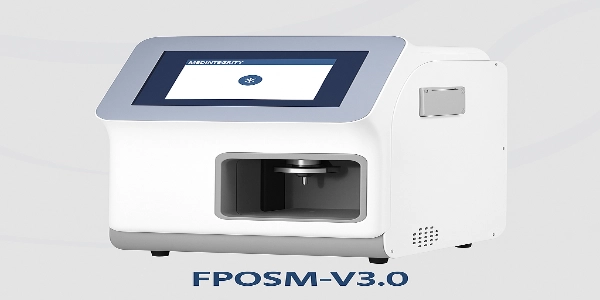
A reliable instrumentation partner helps organizations achieve their goals by providing essential support. ميدإنتجريتي based in the United States develops pharmaceutical instruments with precision and offers the FPOSM-V3.0 freezing point osmometer for real-time osmolality measurement at high accuracy levels. MedIntegrity supports drug development and cGMP production through their innovative products and dedicated service approach which addresses modern manufacturing requirements.
Leveraging Osmolality Data for Process Reliability
The production of biopharmaceuticals experiences significant influence from osmolality throughout all manufacturing stages. The production of biopharmaceuticals faces challenges in yield and quality because osmolality changes indicate problems that affect both upstream and downstream operations.
Role of Osmolality in Biopharmaceutical Manufacturing
Osmometers function as essential analytical tools which enable users to determine the osmotic strength and osmolality of solutions. Cell cultures require specific osmolality levels because it enables them to absorb nutrients correctly while maintaining ion equilibrium and protein production. The osmolality of solutions affects buffer performance and protein solubility and aggregation behavior during downstream purification operations.
Importance of Real-Time Osmolality Monitoring
The process of monitoring osmolality changes in real time allows for prompt treatment initiation. Real-time data analysis helps operators detect any process parameter deviations from established validated standards. The system maintains quality attribute consistency for each batch through real-time monitoring which reduces the need for rework and associated costs.
Enhancing Process Control with Freezing Point Osmometers
Freezing point osmometers are widely used across clinical chemistry labs, QC labs, and pharmaceutical production facilities due to their broad applicability and high reliability. The FPOSM-V3.0 operates through freezing point depression to provide precise and dependable osmolality results within three minutes. The device provides electronic signatures and user classification management and stores up to 300,000 sets of audit trail data which makes it suitable for GMP-regulated facilities.
Optimizing Upstream Processes Through Osmolality Control
The maintenance of stable osmolality levels in upstream bioprocessing operations creates conditions which support both high cell productivity and cell health. Real-time control becomes essential because small changes in osmolality can trigger a chain reaction that results in substantial performance deterioration.
Impact of Osmolality on Cell Growth and Productivity
Cells need optimal osmolality to perform their metabolic functions which results in better yield and viability. Hypo- or hyperosmotic stress disrupts cellular homeostasis, potentially reducing viability and altering glycosylation patterns.
Monitoring Media Composition Stability with FPOSM-V3.0
The FPOSM-V3.0 system identifies minor changes in solution concentration which help users detect media deterioration or contamination. The system provides high accuracy in early nutrient imbalance detection because its measurement error remains below 1%.
Integrating Osmolality Data into Bioreactor Feedback Loops
Real-time osmolality measurements enable automated feeding systems to operate effectively. The instrument enables process control system integration which allows real-time glucose and salt feed adjustments for maintaining optimal conditions during the entire culture cycle.
Strengthening Downstream Purification Consistency
The process of post-culture requires the same level of osmolality management as the initial stage. The process requires absolute protection of proteins because ultrafiltration and diafiltration and final formulation steps depend on it.
Influence of Osmolality on Protein Stability and Aggregation
Changes in ionic strength and solution conditions can promote protein aggregation, making osmolality control important during purification steps. The process of ultrafiltration and diafiltration becomes safer when osmolality levels are precisely controlled. The maintenance of stable buffer compositions helps to preserve both product effectiveness and safety standards.
Supporting Buffer Optimization Using Freezing Point Analysis
The FPOSM-V3.0 system verifies buffer solutions through osmolality tests which check the target values before and after product use. The system includes built-in pharmacopoeia references which enable users to create samples for various injectable drug products.
Ensuring Lot-to-Lot Consistency in Final Product Formulation
The final fill-finish operations require strict osmolality management because it affects both product consistency and regulatory requirements. The instrument maintains traceable audit trails which help with lot release documentation and stability study maintenance.
Enabling Quality by Design (QbD) with Osmolality Profiling
QbD frameworks require complete identification of essential quality attributes and essential process parameters. Osmolality serves as both a critical quality attribute and a critical process parameter.
Defining Critical Process Parameters Using Osmolality Data
The system measures freezing point depression (∆T), from which osmolality (mOsm/kg) is derived. The collected data enables risk assessment and process characterization activities to establish operational boundaries that produce reliable results.
Supporting Design Space Establishment Through Data Trends
Manufacturers can establish acceptable variability ranges through the analysis of osmolality data collected from multiple batches. The FPOSM-V3.0 system produces data with ≤1% repeatability which makes it suitable for QbD regulatory submissions.
Enhancing Risk Mitigation Strategies with In-Process Monitoring
The process of tracking osmolality during production enables real-time adjustments which reduce process variability during essential production phases. The process validation packages needed for market approval become more robust because of this approach.
Improving Analytical Method Development with Advanced Instrumentation
Product development depends on precise analytical methods which support all stages from research and development to market launch.
Benefits of Freezing Point Technology Over Vapor Pressure Methods
Freezing point osmometers function through the principle that solution components which affect osmotic pressure will lower its freezing temperature. The Freezing point osmometry offers higher robustness and is not affected by volatile compounds, which can interfere with vapor pressure systems.
Streamlining Lab Workflows with Automated Measurement Capabilities
The FPOSM-V3.0 system performs analysis through automated processes which need minimal human involvement. The system features a 7.7-inch touchscreen display and Linux operating system which provides easy access for QC teams to perform their tasks.
Supporting Method Validation Across Diverse Biologic Modalities
The composition of biologics extends from monoclonal antibodies to gene therapies because they contain different substances. The instrument enables users to measure 100 µL samples within a 0–3000 mOsmol/kg range which makes it ideal for method development programs.
Facilitating Regulatory Compliance Through Traceable Data Generation
The current regulatory framework requires organizations to maintain digital traceability systems and secure their records while implementing active process monitoring systems.
Meeting FDA Expectations for In-Process Controls and PAT Tools
The measurement principles align with FDA, GMP, USP, and EP expectations for osmolality testing and data integrity. The FPOSM-V3.0 system implements electronic signature functionality and secure authentication mechanisms and maintains 21 CFR Part 11 compliant audit trail capabilities.
Enabling Documentation for INDs, BLAs, and Tech Transfers
The process of tech transfer between development sites and commercial manufacturing facilities becomes effortless through validated osmolality measurement results. MedIntegrity dedicates itself to innovation because their instruments fulfill present and future regulatory requirements throughout worldwide markets.
Aligning with ICH Guidelines on Product Quality Attributes
The implementation of validated instrumentation follows ICH Q8-Q10 guidelines which support pharmaceutical development and lifecycle management through controlled strategies from product development to end-of-life.
Selecting the Right Instrumentation Partner for Long-Term Success
Your processes need reliable tools and skilled personnel to achieve dependability. Your operations will continue without interruption when you work with a supplier who provides excellent products and fast customer support.
Advantages of MedIntegrity’s Technical Support and Services
MedIntegrity delivers complete installation services and calibration procedures and training programs and ongoing support solutions which match the requirements of Good Manufacturing Practice facilities. The company bases its operations on customer needs through its commitment to permanent instrument calibration and its established feedback system which drives ongoing development.
Customization Options Available with the FPOSM-V3.0 Platform
The system allows customization for particular workflow needs while supporting integration with automated sampling equipment and LIMS systems to match your manufacturing development.
Building Robust Manufacturing Systems Through Strategic Collaboration
MedIntegrity provides you with both cutting-edge medical instruments and a dedicated partner who will work with you throughout your development journey.
FAQ
Q1: What makes freezing point osmometry more suitable for pharmaceutical use than vapor pressure methods?
A: Freezing point osmometers are preferred due to their fast analysis times, suitability for diluted biological solutions, small sample size requirements, and cost-effective operation.
Q2: How does FPOSM-V3.0 support compliance with FDA regulations?
A: The system includes audit trails, electronic signatures, user classification management, and meets FDA 21 CFR Part 11 requirements.
Q3: Can the instrument be used across multiple types of biologics?
A: Yes, the measurement range from 0–3000 mOsmol/kg supports various biologics including mAbs, vaccines, gene therapies, and peptides.
Q4: What sample volume is required for FPOSM-V3.0 testing?
A: It requires only 100 µL of sample per test.
Q5: Is training provided during instrument installation?
A: Yes, MedIntegrity offers training on instrument structure, operation, calibration procedures, and routine maintenance as part of its after-sales service.
منشورات ذات صلة
-
Using Osmolality Data to Build Robust Manufacturing Processes
December 09,2025

 Arabic
  English
  Russian
  Spanish
  Portuguese
  German
  French
  Italian
  Dutch
Dutch  Japanese
  Vietnamese
  Korean
  Malay
Malay  Thai
Thai