
Data Integrity Trends for MedIntegrity Filter Integrity Tester V10 in 2026
Data Integrity Trends for MedIntegrity Filter Integrity Tester V10 in 2026
Einführung
Data integrity now stands as a key foundation in pharmaceutical manufacturing, biotechnology production, and sterile filtration validation. Regulators stress ALCOA+ principles—Attributable, Legible, Contemporaneous, Original, and Accurate. Companies face judgment on both data handling and test performance. In 2026 the spotlight rests on how a filter integrity tester handles user access, audit trails, electronic records, and security protocols.
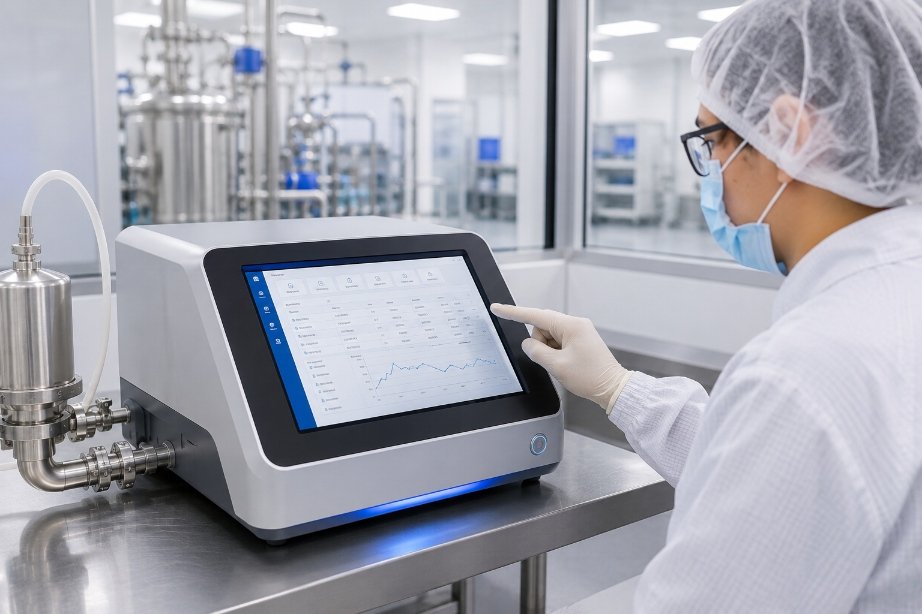
Die MedIntegrity Filterintegritätstester V10 meets this shift. It covers far more than pressure decay or bubble point accuracy. This new generation system brings advanced data management tools that fit GMP expectations. It cuts human error and simplifies compliance steps. Features include powerful functions that cover all current test methods for filter integrity testing.
Why Data Integrity Is Becoming a Strategic Priority in 2026
Regulatory Expectations Continue to Increase
Agencies such as the FDA and EMA have strengthened their stance through guidance on electronic records and audit readiness. The FDA data integrity guidance states that all data must stay complete, consistent, and accurate across its full lifecycle. EU GMP Annex 11 and PIC/S recommendations stress the need for clear traceability in electronic systems used for quality-critical work.
Digital Manufacturing Is Replacing Paper-Based Processes
The sector moves quickly from paper records to full digital setups. Electronic batch records, centralized manufacturing databases, and automated validation systems now lead modern sites. This change cuts manual errors yet calls for stronger system controls to protect data.
Human Error Remains a Major Compliance Risk
Human error still ranks high among compliance risks even with new tools. Wrong entries or unauthorized changes can affect product quality or trigger inspection issues. Systems like MedIntegrity V10 reduce these risks through structured workflows and role-based access.
Key Data Integrity Challenges in Filter Integrity Testing Operations
Managing User Access Across Multiple Departments
Filter integrity testers serve many teams. Production operators, QA staff, and validation engineers each need different access rights. Poor controls create gaps in accountability.
Preventing Unauthorized Data Modification
Audit trail changes or accidental overwrites of results carry serious regulatory weight. Systems must deliver immutable trails and clear user responsibility.
Maintaining Complete Electronic Records
Every test result needs to stay retrievable for years. Gaps in records during an FDA inspection can put product licenses at risk.
Reducing Manual Documentation Errors
Handwritten notes moved into digital logs often create mismatches. Automated electronic reports remove these mismatches and improve traceability.
Core Data Integrity Features of the MedIntegrity Filter Integrity Tester V10
Multi-Level User Permission Management
The MedIntegrity V10 offers configurable role-based access control. Administrators can set precise permissions for each user group.
| Merkmal | Der MedIntegrity V10 | Traditional Systems |
| User Roles | Multiple configurable levels | Limited role flexibility |
| Access Restrictions | Granular permission control | Basic access management |
| User Accountability | Full traceability | Partial traceability |
Scientific authority management covers password controls, permission levels, authority grading, and electronic signatures. These meet FDA 21 CFR Part 11 rules. The layered controls build accountability across teams while keeping daily work efficient.
Comprehensive Audit Trail Functionality
MedIntegrity V10 logs every action. This covers parameter changes and test execution history. It creates a clear record of operations. Older systems often hold only basic logs. This setup supports detailed audit reviews needed for GMP compliance. The instrument includes an audit trail function that meets data integrity requirements.
Electronic Records for GMP Compliance
Secure storage of test results forms another core feature. The V10 produces electronic reports that can be pulled instantly for inspections or internal audits. Data communication and network interfaces can expand to match customer needs. Wireless communication is also supported. This connectivity fits into manufacturing execution systems or LIMS environments.
Error Prevention Through System Controls
Built-in workflow guidance helps avoid wrong parameter choices or incomplete test runs. Automated prompts guide users through validated steps before any record is closed.
AI-Assisted Monitoring and Data Integrity Trends in 2026
From Data Collection to Data Intelligence
The trend now points toward smart manufacturing. Systems collect data and interpret patterns for predictive insights. Connected validation tools like the MedIntegrity V10 fit into this wider setup where real-time analytics drive decisions instead of static reports.
AI-Assisted Anomaly Detection in GMP Environments
AI tools appear more often in quality monitoring platforms. They spot deviations early, such as unusual pressure drop patterns or odd operator behavior logs. These predictive features allow fixes before nonconformities arise.
Future Opportunities for Filter Integrity Testing Systems
Next versions will likely add cloud dashboards for remote checks and automated compliance reports. Predictive maintenance modules may review sensor trends and flag calibration drift before it affects results.
MedIntegrity V10 Compared with Leading Global Brands
Data Integrity Approach Comparison
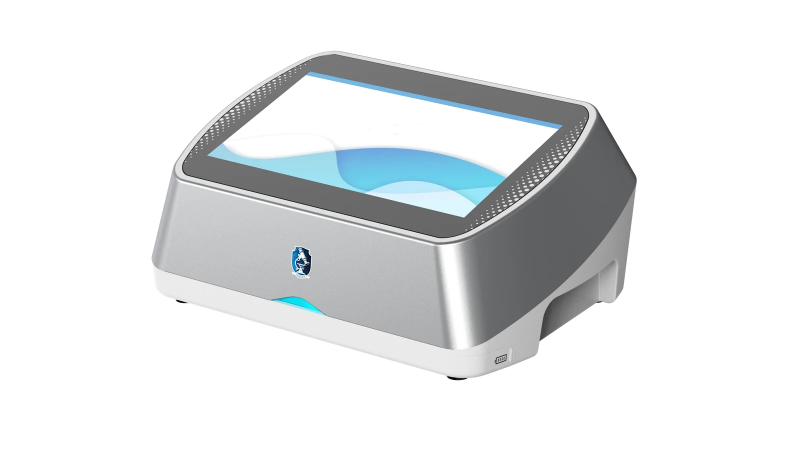
Other global testers often use limited access controls or basic logging. MedIntegrity places more weight on flexibility and transparency in every step, from user management to record access. Key comparison points cover user management flexibility, audit trail visibility, electronic record accessibility, compliance support, and system usability. The instrument stays lightweight, compact, and ergonomic with an enhanced touchscreen and user-friendly interface.
Advantages for Small and Mid-Sized Pharmaceutical Facilities
Smaller sites without dedicated IT support gain from simple deployment and lower setup demands. Operators learn the system fast because of its clear interface. This helps when training resources run thin.
Advantages for Growing Biopharmaceutical Manufacturers
Scalability counts as companies grow. The V10 supports multi-user operation and centralized data management. These features line up with digital transformation plans across enterprise networks.
Practical B2B Implementation Scenarios
Sterile Filtration Validation Laboratories
Validation labs gain steady electronic documentation during method work or batch release studies. Audit readiness rises because each run logs automatically with timestamps and operator details.
Pharmaceutical Manufacturing Facilities
Production teams use the secure records for batch release checks. QA groups rely on the audit trail during inspections. This cuts time spent gathering evidence by hand.
Contract Manufacturing Organizations (CMOs)
CMOs running several client projects at once benefit from centralized electronic records. Project separation becomes simpler while traceability improves across product lines.
Biotechnology Production Facilities
Long-term record retention is critical in biotechnology and pharmaceutical work that involves extended stability studies or quality control testing. The MedIntegrity platform supplies reliable archival support and ensures GMP regulatory readiness is maintained.
Selecting a Filter Integrity Tester for Future Compliance Requirements
Data Integrity Checklist for Equipment Evaluation
When reviewing any filter integrity tester, check audit trail function, role-based permission structure, electronic record support, reliable backup capability, and compliance readiness. These points together show whether equipment will hold up under future inspection demands.
Questions Buyers Should Ask Equipment Suppliers
Buyers should ask how audit trails stay protected, how user permissions are handled, what electronic record functions exist, and how archived data moves out securely. These questions show whether a system truly supports long-term compliance rather than basic operation only.
Why Future-Proof Compliance Matters
Data integrity rules will tighten as more processes go online. Buying future-ready systems now avoids expensive upgrades later when standards push toward full digital traceability.
Why MedIntegrity Filter Integrity Tester V10 Is Built for the Next Generation of Compliance
Designed Around Data Integrity Requirements
MedIntegrity built the V10 around core compliance needs: controlled user access, full audit trails, secure electronic records, and guided workflows. These elements sit at the center of current GMP expectations. Offline and online testing both receive support through pressure sensors that deliver higher accuracy and lower deviation bands to raise overall test precision.
Supporting GMP Digital Transformation
As sites shift toward integrated digital quality systems, the V10 fits inside these frameworks. It supports RS232/USB interfaces plus customizable industrial bus ports ready for future upgrades. With rich data interfaces, the instrument includes standard digital and analog ports and allows custom industrial bus and simulation control ports to match customer needs.
Helping Manufacturers Reduce Compliance Risk
Better traceability and fewer documentation errors give teams more confidence during audits. Administrative work tied to manual reports drops. This marks a clear step toward steady compliance in 2026 regulatory conditions.
Schlussfolgerung
Data integrity now shapes how pharmaceutical makers judge their testing equipment. Every dataset must stand up to regulatory review. Filter integrity testers like MedIntegrity V10 supply more than measurements. They deliver trustworthiness through every stage of production control. Advanced audit trails, flexible user permissions, strong electronic records management, and readiness for AI tools make it a practical choice for firms that seek both operational strength and long-term digital progress inside GMP settings.
For organizations preparing for future compliance requirements while improving operational efficiency, MedIntegrity offers a practical solution that supports both current regulatory expectations and long-term digital transformation goals. Kontakt MedIntegrity to discuss how the Filter Integrity Tester V10 can support data integrity and compliance initiatives in pharmaceutical and biotechnology operations.
FAQs
Q1: Why is data integrity important for a filter integrity tester?
A: Data integrity keeps test results accurate and complete across their lifecycle. Regulators can then confirm product safety without confusion during audits or inspections.
Q2: How do audit trails support GMP compliance?
A: Audit trails record detailed logs of all activities, including user actions and parameter changes. They deliver the transparent traceability required by global GMP standards such as FDA 21 CFR Part 11.
Q3: What role do electronic records play in filter integrity testing?
A: Electronic records speed up report retrieval during audits and reduce transcription errors common with paper systems. They also support reliable long-term storage in regulated industries.
Q4: How can user permission controls reduce compliance risk?
A: Role-based permissions limit unauthorized changes by assigning specific rights to each department. This builds accountability among production operators and QA reviewers.
Q5: What advantages does the MedIntegrity Filter Integrity Tester V10 offer compared with traditional systems?
A: The MedIntegrity Filter Integrity Tester V10 combines full audit trail function with flexible multi-level access control and secure electronic record handling. It aligns with modern GMP-driven data integrity expectations.
 German
  English
  Russian
  Spanish
  Portuguese
  French
  Italian
  Arabic
  Dutch
Dutch  Japanese
  Vietnamese
  Korean
  Malay
Malay  Thai
Thai