

How Packaging Leak Tester Enhances Reliability of Medical Device Seals
How Packaging Leak Tester Enhances Reliability of Medical Device Seals
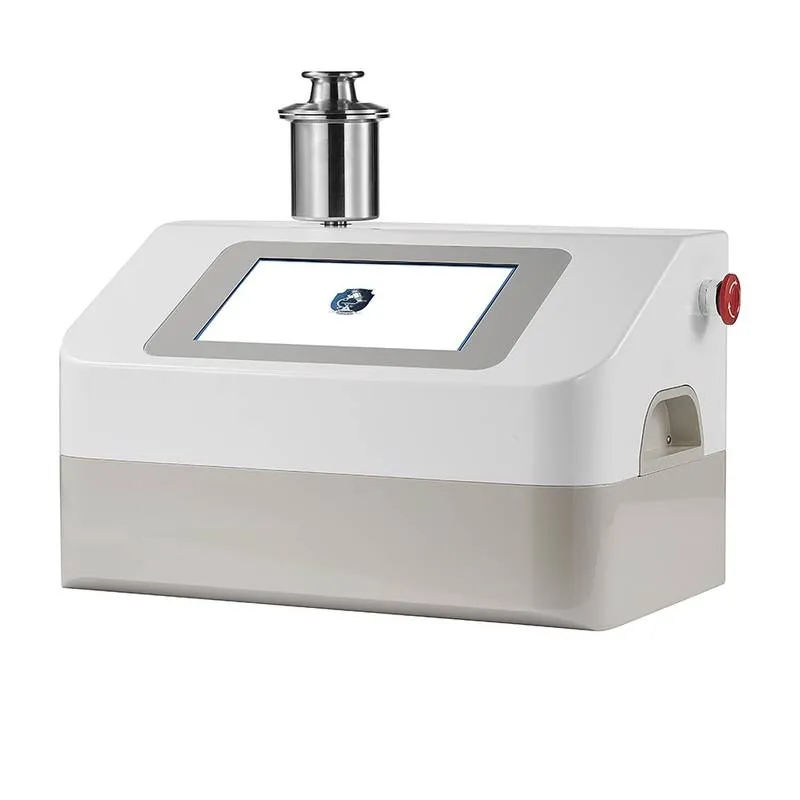
Rules for medical device packaging are very strict. This makes sense. A sterile barrier system needs to keep its strength over the entire time the product stays on the shelf. Officials push hard for these exact methods. They give clear, number-based findings that anyone can repeat, no matter who runs the test or where it happens. This fits with the field’s shift to plans that manage risks based on facts. In those plans, doing things the same way each time is vital for meeting rules.
What Could Go Wrong If a Seal Fails?
If seals in medical device packaging break down, the problems can be huge. A tiny leak, one too small for anyone to see without tools, lets germs get in. That ends the clean state right away. It puts patients at real risk, above all for things like implants or tools used in urgent medical situations. Plus, when seals fail, companies face product pullbacks. They deal with expensive legal fights and harm to their good name that might last for years. Even leaks you can’t spot by looking can cause rule-breaking issues. For makers who follow FDA and GMP rules, this kind of danger is not okay at all.
What Are the Essential Principles Behind Medical Package Leak Testing?
Tests that give exact results use basic rules from physics or chemistry to create straightforward number answers. Methods like vacuum decay, pressure decay, and high voltage leak detection stand out for their fine detection power and steady outcomes. In contrast, tests that guess results, such as dye ingress or bubble emission, depend on what the person doing the test thinks. This makes them less ideal for situations with big risks. Rule books from officials always lean toward these exact ways. They cut out confusion and make checks easier to review. The current drive for following 21 CFR Part 11 rules makes this choice even stronger.
Which Testing Techniques Are Most Common in Medical Packaging?
Vacuum decay ranks as a top choice for checking leaks without harm in stiff or somewhat flexible package types. The process pulls air out of a space holding the item being tested. Then, it watches for shifts in pressure that show if there’s a gap. People like this approach for its easy steps, consistent results, and quick pace.
When Should You Use Pressure Decay?
Pressure decay follows a close idea but checks for drops in pressure inside the package on its own, not in an extra space. It fits best with bendy package styles, like bags or shaped trays often used for one-time clean medical tools.
Where Does High Voltage Leak Detection Fit In?
High Voltage Leak Detection (HVLD) works well to find tiny holes in packages that don’t conduct electricity and hold liquids that do. By putting a strong electric field around the package, you can spot very small breaks. And it does this without harming the clean state of the product inside.
Is Helium Mass Spectrometry Overkill?
Helium mass spectrometry often comes into play during early research or when confirming package setups. It shines with its amazing ability to find leaks under 1 micron in size. Yet, because it costs a lot and takes skill to use, it usually doesn’t work for everyday checks in normal operations.
How Do Leak Testers Enhance Seal Integrity and Manufacturing Efficiency?
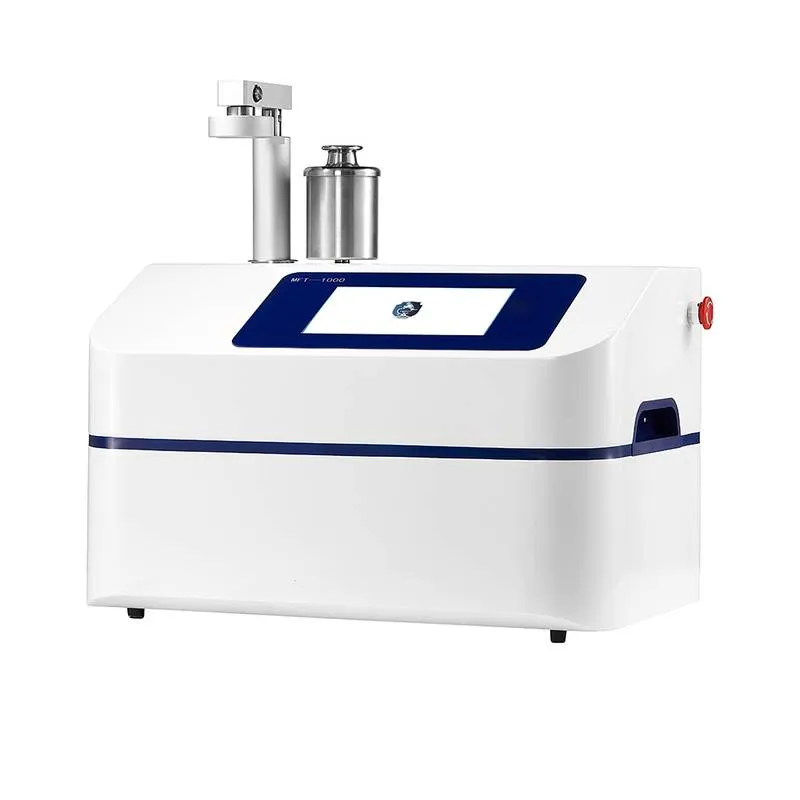
Today’s tools for finding leaks in packaging come with sharp sensors that pick up gaps much smaller than what a person could see by eye. Systems like the Packaging Leak Tester can catch even those tiny leaks that hide from plain sight. This removes guesses from people doing the checks. Also, automatic test runs cut down on mistakes by those handling the work. As a result, testing stays the same across big batches in production.
How Do They Support Validation and Quality Programs?
These devices help a lot with confirming processes. They give full records of data that you can trace back, including who ran the test, the air and temperature around it, and the exact settings used. All this matches what quality plans demand. It also aids in fixing issues before they grow and getting ready for official reviews.
Can Leak Testing Reduce Waste?
Yes, it can cut down on thrown-away items. This happens most with checks that don’t damage the package, such as vacuum or pressure decay. Those let you test every item in a line or group without making the package useless afterward. So, you keep useful stock safe and lower the loss of materials during regular quality looks.
How Can Leak Testers Be Integrated into Production Lines?
Systems that test leaks right in the production flow give live updates during fast-making sessions. They don’t slow down the work at all. Such setups suit places making lots of items where steady quality checks matter a ton. Systems outside the main line, however, fit better in lab spots or for group checks. They let you adjust settings more freely and pick samples for close study. This makes them great for confirming new ideas and building products.
What About Data Collection and Traceability?
Newer tools link up easily with computer-based quality setups. They grab key test info on their own, like the exact time, what came out of the test, who did it, and the conditions in the air. These digital notes help meet 21 CFR Part 11 rules with safe paths to check history. In turn, this builds trust in tracking for inside quality work and for when officials come to look.
What Should Be Considered When Selecting a Packaging Leak Tester?
Different package types vary a lot. The testing tool has to work with stuff like PETG trays, aluminum foil bags, or layers of films stuck together. The shape of the package, how well it blocks things, and what’s inside—whether liquid or solid—all play a part in picking a method that gives true readings.
Do All Applications Require Ultra-High Sensitivity?
You don’t need the top level of detection for every use. The level should match the risk level of the device. Items for serious medical needs might call for spotting gaps under 10 microns to guarantee full clean safety. Looking at risks helps find the right mix of low cost and solid tech.
What About Usability and Maintenance?
How simple it is to use matters greatly, especially in spots with few skilled workers. Clear screens and controls cut down on learning time. Built-in checks for problems help plan fixes ahead. Also, look closely at how the filter integrity tester is set up. Make sure parts like the test head, pressure sensors, tubing links, and valves are in place right and secured well. These parts boost running time while keeping to rules.
Who Can You Trust for Precision Leak Testing Solutions?
If you want dependable gear for package strength that gives you peace about rules, turn to MedIntegrity. MedIntegrity of U.S.A focuses on exact testing tools and supplies linked to the pharmaceutical field. They provide special devices like their Verpackungsdichtheitsprüfgerät. This tool is made just for clean barrier setups in medical devices. With well-built options such as V8.0 and V6.5 on offer, these machines back exact testing steps that match FDA and ISO rules. Their support goes past just the machines. The firm has a skilled team for sales and tech help. They answer customer questions fast and give full aid on tech and follow-up service.
FAQ
Q1: What is the minimum detectable leak size using modern packaging leak testers?
A1: Depending on the technology used (e.g., vacuum decay or helium mass spectrometry), modern testers can detect leaks as small as 1 micron or lower when properly calibrated under controlled conditions.
Q2: Are packaging leak testers suitable for all types of medical device packaging?
A2: Yes, but the choice of test method should align with the specific packaging format (rigid tray vs flexible pouch), material properties, device sterility requirements, and risk classification.
Q3: How often should a packaging leak tester be calibrated?
A3: Calibration frequency depends on usage intensity and internal SOPs but typically ranges from quarterly to annually; regular calibration ensures measurement accuracy and regulatory compliance during audits.

 German
  English
  Russian
  Spanish
  Portuguese
  French
  Italian
  Arabic
  Dutch
Dutch  Japanese
  Vietnamese
  Korean
  Malay
Malay  Thai
Thai