
Evaluating the Role of Total Organic Carbon Analyzers in Compliance Monitoring
Evaluating the Role of Total Organic Carbon Analyzers in Compliance Monitoring
In regulated industries, especially pharmaceuticals and biotechnology, the integrity and purity of water systems form the basis of product safety. TOC levels serve as vital signs of water purity in pharmaceutical and biotechnology uses. Bodies like the U.S. FDA and European Medicines Agency set tough quality rules for water in drug making. Because of this, companies and organizations need to use cutting-edge water quality monitoring tools to follow these rules, which makes Analizadores de TOC a key part of the compliance setup.
These analyzers help stick to big pharmacopeial guidelines such as USP <643> and EP 2.2.44, and those guidelines set tight limits for organic carbon in water for injection (WFI) and purified water (PW). TOC testers spot organic pollutants in pharmaceutical water, and they ensure the quality and safety of drugs.
What Are the Key Regulatory Applications Requiring TOC Testing?
Total Organic Carbon analysis holds a central spot in several important compliance zones, which support various needs in the field. Water system monitoring: TOC testers are used to detect organic pollutants in pharmaceutical water to ensure the quality and safety of drugs, and this practice keeps everything running smoothly.
Cleaning validation: Making sure no leftover organic material stays after cleaning is vital in GMP-approved sites. TOC analysis aids this by measuring carbon in swab samples, which gives clear proof of cleanliness. Process control: TOC levels act as signs for possible contamination in making processes, and this is especially true where high-purity water meets equipment or materials. Such monitoring prevents issues before they grow.
How Do TOC Analyzers Work at the Analytical Level?
Today’s TOC analyzers use several strong methods based on the task at hand, and these approaches offer choices for different needs. Combustion catalytic oxidation with NDIR detection: At high temperatures of 900 – 950°C, with catalysts like platinum and cobalt trioxide or chromium sesquioxide, the organic matter in the water sample burns and breaks down into carbon dioxide. After that, an infrared gas analyzer checks the CO₂ amount to figure out the carbon in the water sample, and this method proves reliable over time.
UV-persulfate oxidation: This works well for samples with low concentrations, which relies on ultraviolet light and persulfate as oxidants. Conductivity-based detection: This fits real-time watching, where the conductivity of ions after oxidation measures carbon levels. It suits ongoing checks without much hassle, and these ways give options depending on how complex the sample is, the range of concentrations, and the needed sensitivity. In practice, choosing the right one boosts overall results.
How Are Organic and Inorganic Carbon Separated During Analysis?
The total carbon includes both organic and inorganic types. To get just the TOC, the process follows clear steps. Samples get acidified first, which turns bicarbonates and carbonates into CO₂. Next, sparging with an inert gas removes this inorganic CO₂. What remains then gets oxidized to find the real TOC. This step-by-step approach keeps things precise, which works well even with tricky samples or strict limits set by rules.
What Features Define a High-Performance TOC Analyzer?
In controlled settings, tools must offer dependability and clear records. Top TOC analyzers include traits that stand out, and they provide steady performance day after day. Wide dynamic range to manage from super-clean water to waste from processes, which covers many scenarios in one device.
Low detection limits, often down to 1 ppb, so even tiny contaminants show up. Such sensitivity meets the highest demands. Automated calibration and validation routines that cut down on human mistakes. Users appreciate the ease this brings. Audit trails and secure login systems to follow FDA 21 CFR Part 11, and these features build trust in the data.
A great example is the TA-3.0 TOC Analyzer, which handles both single-point real-time and multi-point time-division online monitoring. The modular design allows data upload and links with various water systems and control setups. Plus, it shows real-time displays, which help operators stay informed without delay.
What Operational Factors Must Be Considered?
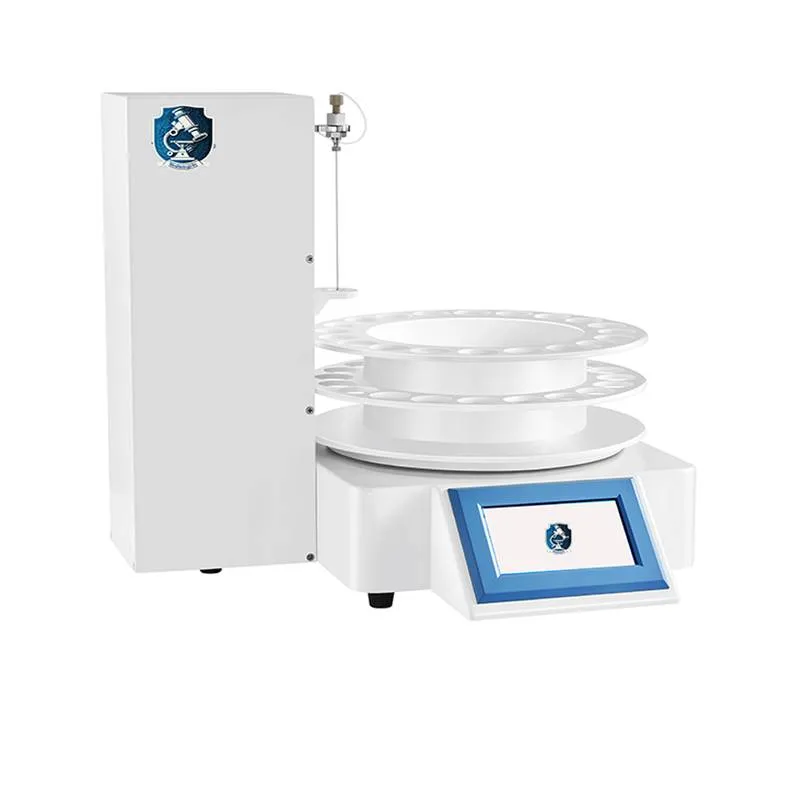
To keep performance steady, several aspects come into play. Teams focus on these to avoid problems. Use of auto samplers (like the Sampler automático AIS-2.0) allows for high-throughput analysis, which speeds up work in busy labs. Preventive maintenance routines reduce downtime. Regular checks keep the equipment in top shape. Integration with compliant software provides secure storage and retrieval of historical data, which matches GMP needs perfectly. It ensures records are always accessible and safe.
How Do TOC Analyzers Integrate Into Pharma Quality Control Workflows?
Non-stop monitoring matters a lot in key utilities like WFI, PW, and Clean Steam systems. Online analyzers catch problems early on, and they do this through smart features. Setting alarm thresholds for real-time deviation alerts keeps teams instantly updated. Enabling trend analysis that helps spot system failures or contamination risks ahead of time, and this proactive step saves resources in the long run. Online TOC testers bring high automation and quick data sharing. They provide feedback on water quality shifts fast, so staff can act right away. In turn, this maintains smooth operations across facilities.
What Should Be Considered When Selecting a TOC Analyzer?
Factors guide the choice carefully. The expected range of organic load — trace vs. high-concentration samples. Matching this to the tool avoids mismatches. The compatibility of the instrument with various sample types, including ultrapure water or heavily contaminated wastewater. Versatility proves key here. For instance, a Laboratory TOC Tester usually has higher accuracy and more complex functions, which suit research labs well. Meanwhile, online models shine in continuous process monitoring.
What Documentation Is Needed for Regulatory Compliance?
Qualification steps such as IQ (Installation Qualification), OQ (Operational Qualification), and PQ (Performance Qualification) require solid backing, which includes various papers and tools. Traceable calibration standards conforming to pharmacopeial references ensure reliability, and they link directly to accepted norms. System validation tools like audit trails and user authentication add layers of security. Together, these elements create a compliant framework. The testing methods are satisfactory with the requirements of the FDA, GMP regulations, as well as the requirements of USP and EP. This alignment brings confidence to users in diverse settings.
Can LIMS Integration Improve Data Management?
Linking analyzers straight to LIMS platforms cuts out manual errors. This real-time data transfer brings big gains, which streamlines the entire process from test to report. Improves speed and accuracy of reporting. Teams get insights faster than ever. Facilitates batch release decisions based on verified records. Decisions become more informed and timely.
How Is Traceability Maintained Across Quality Processes?
Features like password protection, user roles, and audit logs keep everything in line. They follow ALCOA+ principles (Attributable, Legible, Contemporaneous, Original, Accurate + Complete, Consistent, Enduring, Available). This setup not only meets rules but also builds a strong quality culture within organizations.
Who Can Be Trusted for Compliance-Focused TOC Solutions?
If you’re seeking reliable instrumentation built specifically for GMP environments, Integridad médica stands out as a valued partner. With over 15 years focused on precision testing equipment for pharmaceutical applications, their portfolio includes a variety of Total Organic Carbon Analyzers tailored for both laboratory use and online monitoring applications. Their commitment shows in every detail, from design to support. MedIntegrity offers a comprehensive portfolio including TA Series analyzers, autosamplers, and accessories tailored for regulated industries. Field engineers deliver IQ/OQ services on-site alongside training and responsive maintenance.
FAQ
Q1: What distinguishes online from offline TOC analyzers?
A: Online TOC analyzers provide real-time measurements directly from water systems without manual sampling. They suit continuous monitoring perfectly. Offline models require periodic manual sampling followed by lab-based analysis. Each has its place depending on the workflow.
Q2: What’s the recommended calibration frequency for a TOC analyzer?
A: While daily verification using standards is typical, full calibrations are often performed monthly or quarterly, depending on operational load and regulatory expectations. Adjusting this based on use keeps accuracy high without excess effort.
Q3: Can TOC analysis detect all types of organics?
A: While it cannot specify individual compounds, TOC analysis quantifies total carbon from all organic sources — making it ideal for cleanliness verification even when contaminant identity is unknown. This broad view covers needs in validation and monitoring alike.
 Spanish
  English
  Russian
  Portuguese
  German
  French
  Italian
  Arabic
  Dutch
Dutch  Japanese
  Vietnamese
  Korean
  Malay
Malay  Thai
Thai