

Exploring the Role of Freezing Point Osmometer in Clinical Osmolality Analysis
Exploring the Role of Freezing Point Osmometer in Clinical Osmolality Analysis
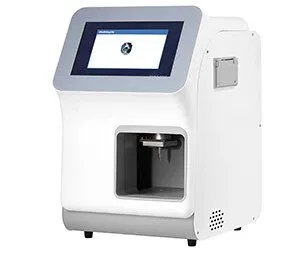
Osmolality stands for the numerical way to show solute concentration in a solution. It gets expressed mainly in milliosmoles per kilogram of solvent (mOsm/kg). Within living systems, this measure works as a main element for evaluating water-electrolyte harmony and cell water levels. Osmometers function as essential devices for checking the osmotic force or osmolality in solutions.
In medical care, unusual osmolality numbers can act as early signs of various problems. For example, raised serum osmolality might warn of dehydration or hypernatremia. In contrast, dropped levels could point to hyponatremia, a frequent electrolyte issue among hospital stays. Osmometer checks give helpful details for fast spotting of illnesses, such as electrolyte troubles like hyperchloremia, hyperkalemia, and hypernatremia.
Exact checks become vital for handling cases with acid-base issues, kidney problems, and metabolic upsets. Spotting osmolar gaps, the gaps between checked and figured osmolality, helps uncover secret poisons like methanol or ethylene glycol.
Which Biological Fluids Are Most Commonly Analyzed for Osmolality and Why?
In daily clinical work, osmolality sees regular checks in a few main fluids. Serum/Plasma: It checks overall body water levels, salt imbalances, and osmolar gaps.
Urine: It gauges the kidney’s power to concentrate fluids and aids in separating prerenal azotemia from acute tubular necrosis. Cerebrospinal Fluid (CSF): It gives views on blood-brain barrier strength and water shifts in brain diseases. These fluids often enter routine looks at serum and urine osmolality figures. Such steps help judge the body’s water setup and spot many conditions.
Why Is Freezing Point Depression the Preferred Method for Measuring Osmolality?
The basic idea proves straightforward but strong: adding solutes to a solvent drops its freezing point. The size of this drop links directly to the molal amount of solutes. Because of this, even link, exact osmolality finds determination across varied clinical samples.
Freezing point osmometers rank as the top choice in many medical settings. Their benefits cover speedy and cheap checks, favored industry work, tiny sample needs (in microliters), and suitable for thinned biological and water solutions.
How Does It Compare to Other Osmometry Techniques?
Other choices do exist, yet they usually lag in medical uses. Vapor Pressure Osmometry: These osmometers check the osmotic force of a solution from the vapor pressure drop due to solutes. Still, their exactness fades when volatile things like ethanol show up. Membrane Osmometry: It mainly suits big-molecule solutions in research, not diagnostic settings. Such tools often serve in study areas for gauging the weight of polymers and macromolecules in liquids.
How Is a Freezing Point Osmometer Designed to Ensure Accuracy?
A usual freezing point osmometer holds a sample space, a thermistor sensor, a microprocessor controller, and the cooling part. The liquid sample cools way below its freezing point, and then it stirs to start crystal formation. The balanced temperature records the real freezing point, and this machine-run way cuts changes while allowing lots of work in clinical labs.
What Calibration and Quality Control Measures Are Required?
Regular setup with trackable reference liquids keeps exactness. Often, calibration uses approved reference liquids to hold traceability and sharpness. Inner quality plans catch tool shifts soon to keep steadiness as time goes by.
In What Ways Are Freezing Point Osmometers Applied in Clinical Labs?
They find odd osmolar gaps showing outside stuff like ethylene glycol. Plus, they help fix acid-base mixes by giving straight osmolality numbers, key for treating diabetic ketoacidosis or hyperosmolar hyperglycemic states.
What Role Do They Play in Renal Diagnostics Through Urine Testing?
Urine osmolality aids in telling thick from thin urine flow. This leads diagnosis of diabetes insipidus against SIADH (Syndrome of Inappropriate Antidiuretic Hormone Secretion). It also backs kidney work tests by judging tube reuptake strength.
How Does CSF Osmolality Aid Neurological Assessments?
A change in CSF osmolality can mean weakened blood-brain barrier function or bad osmotic slopes tied to brain pressure shifts.
How Reliable Are These Instruments Across Different Sample Types?
It gives strong repeat across wide body-normal ranges. Also, the small sample size makes these setups great for kid uses or spots with low fluid amounts.
What External Factors Can Affect Measurement Outcomes?
- Volatile Substances: Ethanol or methanol might twist results if not sealed tightly in sampling.
- High Lipid or Protein Content: These setups may need prep to skip mix effects in checks.
- Freezing point osmometers might face troubles with thick or particle-filled samples, since those change the freezing point and check truth.
What Regulatory Standards Must These Devices Meet?
All tools must match Clinical Laboratory Standards Institute (CLSI) EP rules for method check, and this holds medical trust and shared use across places.
Can They Integrate With Laboratory Information Systems (LIS)?
Yes. New tools back auto data send to LIS setups, cutting hand-copy errors and better tracking. Linking with laboratory information management systems (LIMS) lets smooth data move and keep.
Who Supplies High-Performance Freezing Point Osmometers for Clinical Use?
For labs wanting strong osmolality check fixes, MedIntegrity’s freezing point osmometer series brings top value. MedIntegrity gives FDA 21 CFR Part 11-matching gear fit for ruled spots. The models V3.0, V6.5, and V8.0 have thermoelectric cooling setups and easy touch screens set for busy work areas.
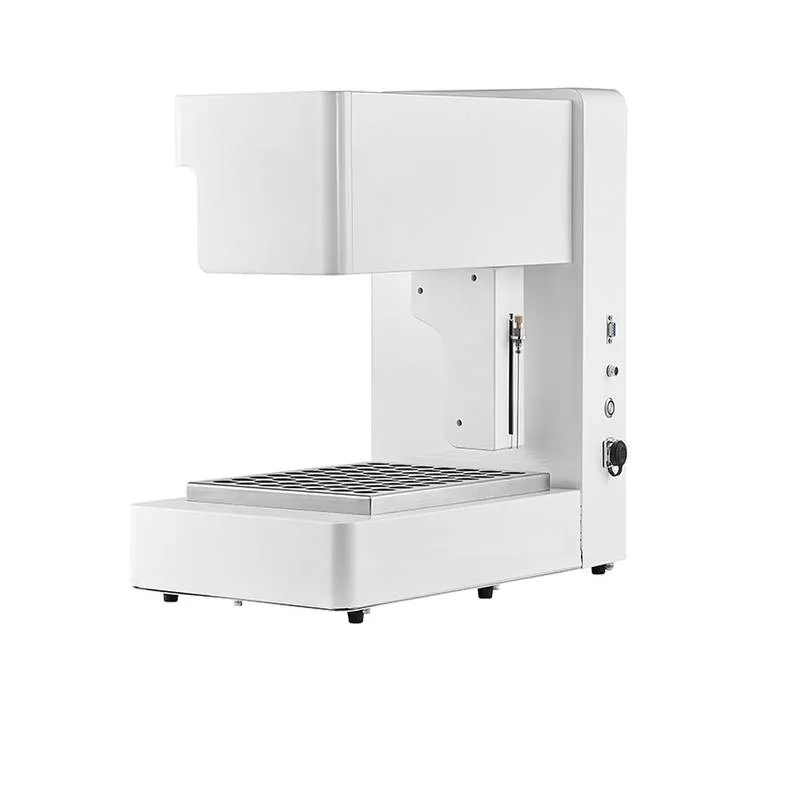
Integridad médica began in 2015. Now, it counts thousands of drug firm buyers. The fresh model V8.0 has a system boost in the audit trail to fit new data truth needs. These setups work with a 70-position autosampler for group work without losing truth (view autosampler).
How Do These Instruments Advance Clinical Practice?
Its science strength lets steady checks across serum, urine, or CSF, even with volatile mixes or hard setups. Freezing point osmometry remains a basic way due to its strength over biological setups.
How Does It Align With Evidence-Based Laboratory Medicine?
By joining LIS systems and sticking to world rules like FDA 21 CFR Part 11 and GMP guides, freezing point osmometers bring back good workflow and repeat results that doctors trust.
Preguntas frecuentes
Q1: Why is freezing point depression preferred over vapor pressure methods in clinical osmolality testing?
A1: Freezing point depression brings better exactness over varied sample kinds with proteins or volatile stuff, making it fitter for medical jobs.
Q2: How often should a freezing point osmometer be calibrated?
A2: Setup happens often per maker tips, usually daily or before batch runs, using approved reference standards to hold check wholeness.
Q3: Can freezing point osmometers detect toxic alcohol ingestion?
A3: Yes, by figuring the osmolar gap between checked and figured serum osmolality, doctors can guess unmeasured toxic bits like methanol or ethylene glycol.

 Spanish
  English
  Russian
  Portuguese
  German
  French
  Italian
  Arabic
  Dutch
Dutch  Japanese
  Vietnamese
  Korean
  Malay
Malay  Thai
Thai