

How Cartridge Filter and Housing Selection Influences Fouling Rates
How Cartridge Filter and Housing Selection Influences Fouling Rates
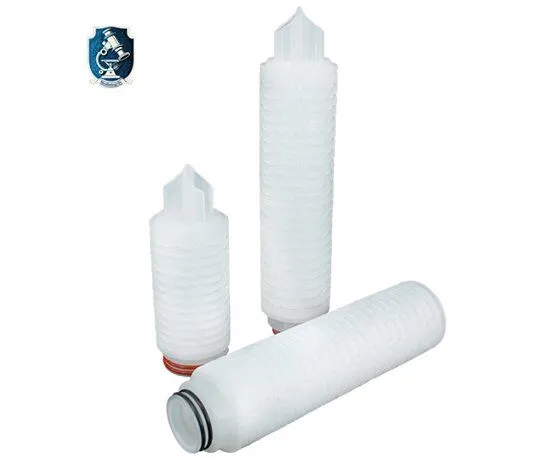
The fouling rate of a cartridge filter gets heavily affected by the type of fluid and the quantity of particles it holds. Large amounts of suspended solids stand out as the main cause. They fill up filter media fast, which cuts down service life and raises pressure drop. When fluids have high viscosity or include harsh chemicals, they react in unique ways with filter materials, and this often results in quicker pore blockage or chemical breakdown of the media.
Temperature and pH changes add more challenges to this situation. As the temperature rises, fluid viscosity might drop. However, changes in solubility can cause precipitation inside the pores. In the same way, pH shifts could unsettle emulsions or promote scale buildup. Both of these speed up clogging. Fine filtration tasks require stricter retention. This makes them more prone to quick saturation if upstream contamination lacks proper control.
Why Is Biofouling Such a Persistent Issue in Certain Applications?
Microbial contamination brings a tricky fouling method: biofilm growth. Once microbes settle on filter surfaces, they produce sticky substances that catch particles and block flow paths. These biofilms resist cleaning efforts. They usually demand full filter replacement.
In fields like biopharmaceuticals and diagnostics, where sterility matters most, biofouling not only shortens filter life but also creates major compliance dangers. Weak sterilization steps or missing prefiltration stages make this worse. They let live contaminants reach the delicate final filters.
How Should You Choose Filter Media and Structure to Minimize Fouling?
Picking the right media for a chemical match is basic to keeping filter strength. For instance, hydrophilic membranes such as PES work well for water-based solutions. On the other hand, hydrophobic PTFE handles solvents or gases better. Capsule filters come from pleated processing. Their build offers impact resistance, and the filter area stays large, and this suits filtering solutions with slow flow rates and big volumes. If you fail to pair the correct membrane with the fluid, it can cause swelling, cracking, or fast breakdown of the media. Such issues lead to sudden shutdowns.
How Does Pore Architecture Affect Fouling Rate and Performance?
A filter’s pore size spread and build design greatly shape its resistance to fouling. Tight pore distributions provide exact retention. Yet they block up soon under changing load conditions. In contrast, graded density setups enable depth filtration. They trap bigger particles in outer layers and smaller ones deeper in, and this boosts dirt-holding capacity a lot. It also lengthens service times. Cartridge filters like those in the HPP series use this idea with their layered filtration setup, which helps cut down clogging and extend lifespan.
Could Housing Design Be the Source of Your Fouling Problem?
Housing shape often goes unnoticed, but it holds a key role in filtration success. Badly planned housings form dead spots where particles build up without going through the filter. These still areas encourage early fouling, particularly in horizontal arrangements where settling happens more easily. A well-tuned housing supports smooth flow over the entire cartridge surface. This ensures even loading and boosts throughput before the final pressure drop hits.
Why Are Features Like Venting and Pressure Management So Crucial?
Current housings with vent valves stop air from getting trapped. Trapped air can cause channeling or bypass, which shrinks the effective filtration area and leads to uneven fouling. Likewise, bottom drains lower liquid hold-up amounts that act as spots for microbial growth. Systems for pressure balance keep a steady differential pressure across the cartridge. They protect against physical strain or warping that could harm filter strength.
What Operational Practices Can Prolong Cartridge Filter Life?
You must control the flow rate with care. Too much flow can squeeze filter media, shrinking pore size and spiking differential pressure fast. Not only does this bring early blockage, but it also risks media warping or breaking. Keeping laminar flow spreads particles evenly over the filter surface. It stops overload in one spot. This proves a vital strategy for lengthening service periods in high-purity tasks like Terminal Filtration.
Why Is Pre-filtration a Game-Changer?
Adding upstream depth filters can sharply ease the load on final-stage cartridges. They remove larger bits early on. A step-by-step method, starting with coarse then moving to fine filtration, makes sure membrane filters deal only with what they handle best: tiny particles or germs. Thus, it boosts system dependability and cuts down how often you replace parts.
What Role Does Housing Material Play in Fouling Resistance?

The material used for housing affects cleanability and resistance to fouling. Stainless steel housings match well with CIP (clean-in-place) systems. They endure repeated sterilization rounds without wearing out. Surface finish counts too: rough surfaces encourage particles to stick, while smooth electropolished insides cut down fouling spots. Plastics might work for less important uses. However, they limit options in settings that need strong cleaners or high-heat sterilization.
Can Monitoring Systems Help Prevent Unexpected Clogging?
Putting in differential pressure sensors lets you track fouling buildup in real time across cartridge filters. Patterns in the data allow for forward-thinking replacements before full clogging sets in. This cuts downtime and keeps process steadiness. Such monitoring holds extra value in controlled fields where proven cleaning cycles must match performance measures. Tools like the Filter Integrity Tester V8.0 aid this by offering auto self-checks, record trails, and compliance with FDA 21 CFR Part 11.
Why Are Validation Tools Essential for Quality Assurance?
Besides watching, integrity tests after use check if a filter kept its retention power following cleaning or tough conditions. Automated testers deliver reliable, fair checks that line up with GMP rules. They add strong assurance in sterile work.
What Are Common Mistakes That Lead to Premature Fouling?
Systems that are too small hit max pressure drop too soon, and this raises the chances of bypassing or contamination from overworked media. Units that are too big might feel safer, but they often lead to poor use and extra costs without matching gains. Getting the size right, based on real flow rates and dirt load patterns, stays key for top performance and cost savings.
How Do Mismatched Components Compromise System Integrity?
Mismatches between filter cartridges and housings, like wrong seals or end links, can spark leaks or bypass issues, and these ruin filtration results. Using standard parts across setups lowers these dangers. At the same time, it eases stock handling and upkeep tasks.
Why Choose MedIntegrity for Precision Filtration Solutions?
For groups looking for strong filtration systems with rules-based know-how, Integridad médica provides a full range of products made for vital uses in pharmaceuticals, diagnostics, biotechnology, food safety labs, and cleanroom making spots. The firm’s lineup covers cartridge filters (e.g., PES, PTFE), capsule filters, housings, and cutting-edge integrity testers. All aim to meet tough rules like FDA 21 CFR Part 11, EU Annex 1, and GAMP 5 compliance.
MedIntegrity of U.S.A focuses on precise testing tools and linked supplies in the pharmaceutical field. From pick advice to system check support, their tech team partners with customers. They aim to reduce fouling dangers while lifting process output.
FAQ
Q1: What’s the best approach for selecting filter media in chemically aggressive processes?
A1: Make sure a chemical match exists between the fluid and membrane material. For example, hydrophobic PTFE suits solvents, while PES fits aqueous applications. Pick pore size according to particle makeup to weigh retention against flow rate.
Q2: Can poor housing design really cause premature fouling even with high-quality cartridges?
A2: Yes. Bad flow spread from dead zones or wrong venting leads to spotty clogging and weak use of media surface area.
Q3: Are real-time differential pressure systems worth investing in for small-scale operations?
A3: Absolutely. Even in modest setups, monitoring supports forward maintenance. It drops overall costs by stopping surprise stops and stretching cartridge life.

 Spanish
  English
  Russian
  Portuguese
  German
  French
  Italian
  Arabic
  Dutch
Dutch  Japanese
  Vietnamese
  Korean
  Malay
Malay  Thai
Thai