

2026 B2B Guide: How MedIntegrity V10 Ensures 21 CFR Part 11 Data Integrity
2026 B2B Guide: How MedIntegrity V10 Ensures 21 CFR Part 11 Data Integrity
Introduction
Regulatory checks on digital data reliability have grown sharper than ever. By 2026, changes to the FDA’s 21 CFR Part 11 and the EU GMP Annex 1 will alter ways sterile production sites deal with electronic records, audit trails, and electronic signatures. The strain hits hardest in pharmaceutical filtration and biopharmaceutical production. There, each piece of data has to be followed, protected, and checked.
The MedIntegrity V10 emerges as a next-generation Testeur d'intégrité du filtre engineered for controlled environments. Developed by MedIntegrity, a U.S.-based manufacturer specializing in precision testing solutions for the pharmaceutical industry, it reflects a strong focus on compliance, reliability, and innovation. It blends exact science with smart rule-following. The mix includes layered user handling, solid electronic signatures, and a no-tamper audit trail. All this leads to complete 21 CFR Part 11 compliance.
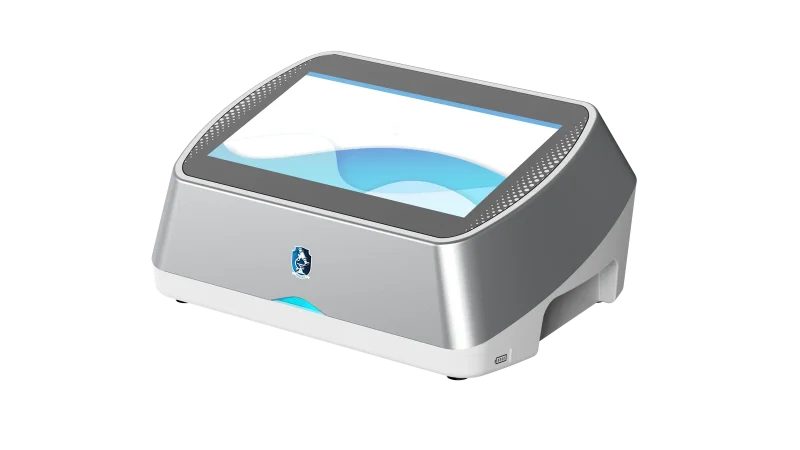
Pharmaceutical leaders find that MedIntegrity V10 does more than satisfy rules. It makes them a real edge. The tool speeds up filter integrity testing steps. Meanwhile, it holds onto full data reliability. Thus, V10 aids quicker batch approvals, better risk handling, and simple audit prep. For instance, one facility cut release times by days after adopting similar tech.
Understanding 21 CFR Part 11 and Its Critical Role in Data Integrity
21 CFR Part 11 lays out the FDA’s rules for electronic records and signatures in controlled fields. It demands that setups include safe entry controls, exact time-marked audit trails, checked software, and binding electronic signatures that equal hand-written ones.
This rule links right to ALCOA+ ideas. Those make sure data stays Attributable, Legible, Contemporaneous, Original, Accurate, Complete, Consistent, Enduring, and Available. Filter integrity testing demands these ideas firmly. They ensure sterility choices rest on solid data.
Breaking rules can spark warning notes or product pulls. Such results cost makers dearly. In contrast, checked systems like MedIntegrity V10 give clear paths. These guard product standards and business image. Industry reports show recalls often stem from weak tracking, hitting firms with millions in losses.
MedIntegrity V10 Overview: Designed for 21 CFR Part 11 from the Ground Up
The MedIntegrity V10 stands as no last-minute fix. It got built from the outset for rule-bound spaces, under ISO 9001 measures and CE-marked build ideas that match GAMP guides.
When it comes to hardware, the unit sports a cleanroom-fit stainless-steel shell. A quick 15.6-inch touchscreen setup runs up to twelve filter cartridges together. Auto test types cover bubble point, diffusive flow, pressure hold, and water intrusion. They meet varied needs in sterile filter paths.
“The integrity of the sterilised filter assembly should be verified by integrity testing before use… Examples of tests that are used include bubble point, diffusive flow, water intrusion or pressure hold test.” This basic note from EU GMP Annex 1 highlights why auto pre-use/post-use (PUPSIT) checks prove key in current clean work. The MedIntegrity V10 unit backs this need head-on.
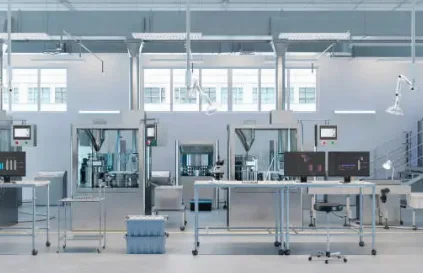
Scientific User Management: Password Login, Multi-Level Permissions, and Electronic Signatures
MedIntegrity V10 sets up a four-step user setup that holds up to 1 000 single accounts. This fits well for big jobs with split duties in QA/QC crews. Each worker enters with password-guarded details connected to role-based access control (RBAC). Operators handle tests yet cannot tweak settings. Supervisors okay findings. Administrators oversee setups. Every move logs on its own.
Electronic signatures match §11.50 and §11.200 of Part 11 needs for signed file details and signature show. Each okay adds user ID, time mark, signature sense (reviewed/approved), and tied record number.
B2B groups running many lines or spots benefit from this ordered setup. It cuts out shared entries, a big audit trouble spot. And it aids smooth links with electronic batch records (eBR). In one multi-site operation, this shift dropped login errors by half, based on internal logs.
Comprehensive Audit Trail Functionality: The Backbone of Data Integrity
Each key press counts during regulator reviews of digital tools. The V10’s inner audit trail grabs all moves, from test starts to setting changes. It attaches date/time marks to one-of-a-kind user IDs.
Audit trails hold steady. After entry, no changes or wipes happen without spot. They note:
- Test parameters
- Results
- User actions
- System events
- Configuration changes
These notes search easily on the display. Or export through USB as first/source/setup files or PDF summaries for batch papers.
Such a way fits FDA hopes for “computer-generated time-stamped audit trails” that note worker steps alone. This blocks meddling. It also eases cause-finding in checks. Teams in audits often praise these trails for quick issue traces, saving hours of manual sifts.
Real-World Application in Pharmaceutical Factories: Batch Record Verification and QRM Risk Management
Sterile plants turning out injectables or biologics use filter integrity test info straight for batch okay calls. The MedIntegrity V10 blends right into current MES/eBR tools via standard file sends.
“A complete understanding of the potential bioburden in the fluid can help ascertain the risk of a damaged filter to the drug product.The need for a defined and documented contamination control strategy…is at the heart of recent updates to regulatory guidance.” This backs how Quality Risk Management (QRM) now leads process okay plans like PUPSIT in Annex 1 setups.
Operationally speaking:
| Metric | Traditional Testing | With MedIntegrity V10 |
| Average Test Cycle | ~15 min | ~10 min |
| Filters per Run | Single | Up to 12 |
| Result Logging | Manual | Automatic & Secure |
| Audit Readiness | Reactive | Continuous |
These steps not just trim slips but also hasten lot okay rounds. That matters big when handling pricey biologics, where each hour adds cost. A biologics maker, for example, shaved two days off cycles, boosting output without extra staff.
Extending Compliance Value to Biopharmaceutical and Food & Beverage Industries
Even though aimed at pharmaceuticals, MedIntegrity V10’s path-following parts stretch smoothly to biopharma uses like vaccine making or single-use setup checks. In those areas, electronic files must hold up to rule checks just like in drug work.
Food and beverage fields dealing with clean drinks or health items see like GMP rules rise as standard ways to stop dirt events that harm brand faith.
Users from varied fields share gains: better dirt block plans, clear vendor checks, and easier moves to full digital quality handling. All these build on trusty filter integrity tester audit trail data integrity bases. Vaccine producers, say, lean on these for batch traces during outbreaks, ensuring quick fixes.
Pharmaceutical Plant Maintenance Best Practices for Sustained Compliance
Holding steady 21 CFR Part 11 checks calls for steady tool care:
- Data Backup Protocols: Regular USB sends of raw/audit files kept by base rule hold times.
- Software Updates: Managed firmware checks through MedIntegrity R&D aid, with IQ/OQ/PQ file sets.
- Abnormal Log Handling: Live check boards spot odd bits. Auto self-checks mark issues before growth.
- Preventive Measures: Planned self-checks confirm sensor rightness. Choice SCADA ties allow center watch over many units.
These ways keep ongoing rule fit. They also cut stop times in rule looks. One plant’s routine backups, for instance, saved key data from a system crash, avoiding weeks of rework.
Conclusion
MedIntegrity V10 brings what current makers seek: firm data integrity, clever auto work, and easy rule match across pharma and biopharma tasks. Its blend of layered okay, checked electronic signatures, and full audit trail shifts rules into clear work wins. This backs faster batch okay rounds while trimming risk ahead of strict 2026 looks.
To safeguard filtration pathways and ensure compliance with evolving regulatory standards, MedIntegrity provides tailored assessments and data-driven consultations based on site-specific flow analysis. For further technical details or to explore customized solutions, MedIntegrity can be contacted directly.
FAQ
Q1: How does the MedIntegrity V10’s multi-level user management satisfy 21 CFR Part 11 requirements for limiting system access and electronic signatures?
A: The system uses password-protected logins tied to four distinct permission levels ensuring only authorized personnel perform specific actions like test execution or approval signing—all logged automatically per §11 access control rules.
Q2: What specific audit trail capabilities does the MedIntegrity V10 provide to support data integrity during filter integrity testing?
A: It maintains an immutable computer-generated log capturing every entry modification or deletion with timestamps and user IDs; these records are queryable on-screen or exportable as PDFs/USB files for audits.
Q3: In what ways can the MedIntegrity V10 assist pharmaceutical manufacturers with batch record verification and Quality Risk Management (QRM)?
A: By generating validated results directly compatible with eBR systems while supporting PUPSIT verification strategies aligned with EU GMP Annex 1 revisions emphasizing risk-based contamination control.
Q4: How should pharmaceutical facilities handle data backups, software updates, and abnormal log events when using the MedIntegrity V10 to maintain long-term 21 CFR Part 11 compliance?
A: Facilities should follow SOP-driven schedules for routine USB exports of raw/audit files; validate firmware upgrades through documented IQ/OQ/PQ steps; investigate abnormal logs promptly using built-in self-test alerts.
Q5: Can the compliance features of the MedIntegrity V10 be extended beyond traditional pharmaceuticals to biopharmaceutical and food & beverage applications?
A: Yes—the same secure audit trail architecture applies equally well in biologics manufacturing or aseptic food processing where GMP-grade traceability is increasingly mandated by global regulators.
 French
  English
  Russian
  Spanish
  Portuguese
  German
  Italian
  Arabic
  Dutch
Dutch  Japanese
  Vietnamese
  Korean
  Malay
Malay  Thai
Thai