

2026 Single-Use Filter Integrity: Bubble Point vs Forward Flow Guide
2026 Single-Use Filter Integrity: Bubble Point vs Forward Flow Guide
Introduction
By 2026, the global biologics market will likely grow a lot. This growth boosts the need for strong, rule-following single-use filtration setups. As production ramps up, regulators watch more closely how companies check sterility assurance. Test d'intégrité du filtre now forms a key part of process validation and batch release in biopharmaceutical manufacturing.
The idea of PUPSIT—Pre-Use Post-Sterilization Integrity Testing—draws fresh focus as single-use systems take over in today’s facilities. “The integrity of the sterilised filter should be verified by integrity testing before use, to check for damage and loss of integrity caused by the filter preparation prior to use.” This rule, from EU GMP Annex 1 (2022), stresses that each sterilizing-grade filter needs testing before and after use. That way, it confirms the filter’s ability to hold back microbes.
Picking the best test method goes beyond just tech choices. It impacts process safety, compliance prep, and daily operations. For B2B biopharma groups handling pricey batches, deciding between bubble point or forward flow tests can affect speed, result reliability, and costs for disposable systems.
Major Challenges in Filter Integrity Testing for Single-Use Systems
Single-use systems stay sealed from sterilization to product filtration. This design brings specific hurdles during integrity testing:
- Maintaining sterility– Testing inside closed setups without breaking sterile lines calls for gear that connects safely with gamma-sterilized tubing or aseptic links.
- Wetting difficulties– Hydrophobic membranes or tricky manifolds often fight even wetting. This leads to uneven results in bubble point tests.
- Pressure limitations– Disposable parts might not handle high test pressures like those in old stainless-steel systems. That raises chances of leaks or housing bends.
- Post-use masking effects– Leftover proteins or product buildup can hide tiny holes during after-use checks. Without proper handling, this causes false okay readings.
- Scalability concerns– The test has to work steadily from small 0.01 m² lab capsules to big multi-square-meter production filters.
- Data integrity compliance– In 2026’s digital plants, records ready for audits are a must under 21 CFR Part 11 and EU GMP Annex 1 rules for electronic data.
“A complete understanding of the potential bioburden in the fluid can help ascertain the risk of a damaged filter to the drug product.” This point highlights why contamination plans must weave in proven filter integrity testing. It fits into a wider Quality Risk Management (QRM) setup. Take a real case from a vaccine plant last year: overlooked wetting issues led to retests on 20% of batches, delaying shipments by days.
Bubble Point vs Forward Flow Methods: Applicability and Performance Comparison
Bubble Point Method
The bubble point test gauges the pressure needed to push liquid out of wetted membrane pores. It starts gas flow there. This works well for small filters—usually under 0.03 m²—and even membranes with tight pore sizes. Since it ties straight to pore width, it gives a fast yes-or-no sign of physical flaws.
But for big single-use filters, the method can strain disposable cases. High pressures play a role, and results vary based on how well the wetting spreads. In one lab trial with 0.05 m² units, uneven wetting caused 15% false fails, forcing extra checks.
Forward Flow (Diffusive Flow) Method
The forward flow test measures gas diffusion through wetted pores at a pressure under the bubble point level. It suits mid-to-large EFA filters (over 0.03 m²) and uneven membranes in routine runs.
Forward flow brings clear upsides:
- Lower pressures cut mechanical strain on disposable parts.
- Number-based results make automated yes/no calls easy.
- It pairs well with online PUPSIT where keeping sterility matters most.
When looking at both methods side by side:
| Parameter | Test du point de bulle | Forward Flow Test |
| Typical EFA Range | <0.03 m² | >0.03 m² |
| Pressure Level | Haut | Modéré |
| Sensibilité | Qualitative (pore size) | Quantitative (diffusion rate) |
| Répétabilité | Operator-dependent | Highly repeatable |
| Automation Compatibility | Limited | Excellent |
In current single-use plants moving to more automation and digital logs, forward flow testing wins out. It balances sharp detection with system safety. Field data from a 2025 monoclonal antibody line showed forward flow cut test times by 25% compared to bubble point on 1 m² filters.
How MedIntegrity Equipment Adapts to Different Process Requirements
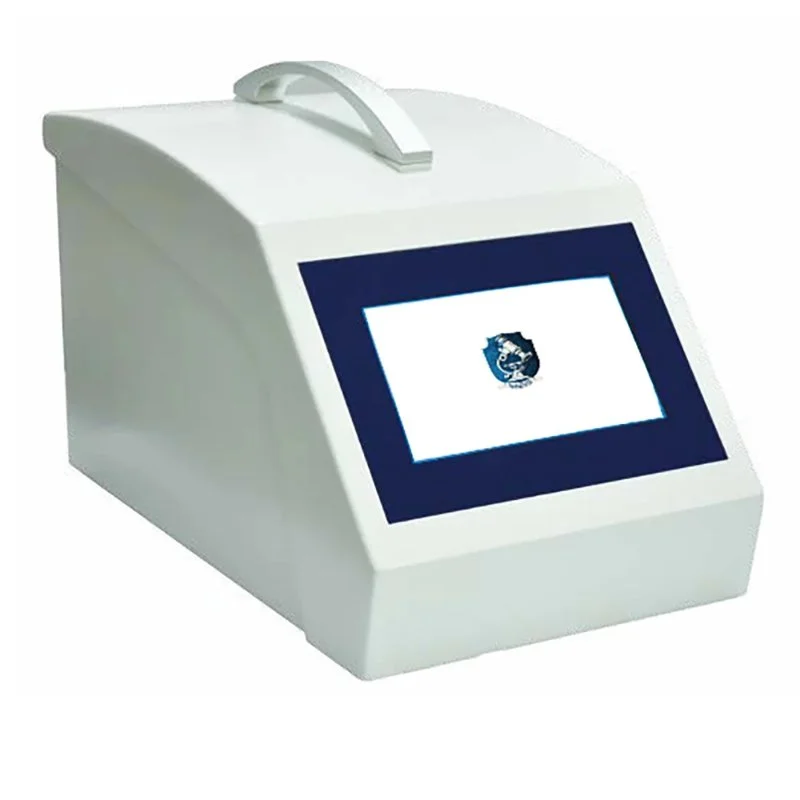
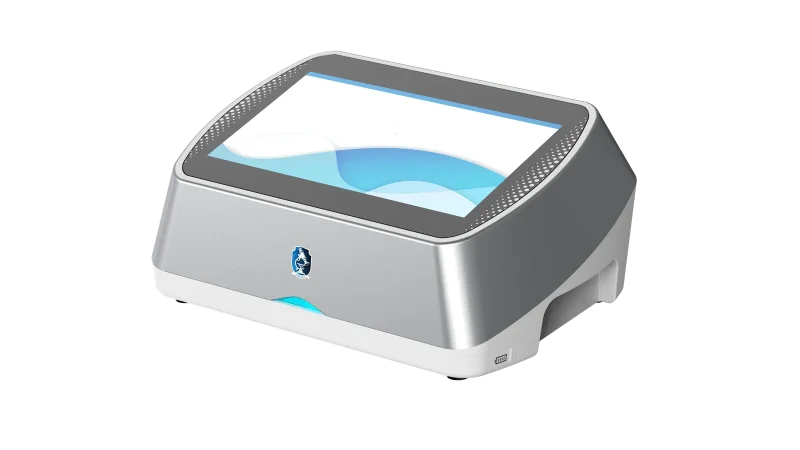
MedIntegrity offers proven solutions with its Testeur d'intégrité du filtre V10 and V6.5 models to address these evolving challenges. Both instruments cover all existing test methods for filter integrity testing, including bubble point, forward flow (diffusive flow), pressure decay, and additional techniques for sterile filtration verification.
The V10 and V6.5 are specifically designed for seamless integration with closed single-use systems, supporting both online and offline PUPSIT without compromising sterility boundaries. Their compact footprint fits easily into cleanroom environments, while high-precision sensors ensure accurate performance across diverse membrane types and EFA sizes.
Main strengths cover:
- High-precision sensorsthat give steady readings, even in low-flow spots.
- Automated workflowsthat trim down hand-entry mistakes in repeated tests.
- User-friendly interfacethat works for staff with different experience levels.
- Regulatory compliance features, like password locks, role-based access, electronic signs, and audit paths. All match FDA 21 CFR Part 11 and EU GMP Annex 11 standards.
- Flexible connectivity, with RS232/USB ports and options for custom industrial buses to link with control systems.
MedIntegrity’s independent R&D team and extensive field experience enable customized solutions tailored to customer needs, ensuring reliable performance from small R&D setups to large commercial production lines. Operators in recent validations have highlighted the quick setup and consistent results delivered by these systems.
Best Practices and Implementation Strategies
Choosing the right filter integrity method hinges on several factors:
- Filter type (hydrophilic vs hydrophobic)
- Effective filtration area
- Membrane symmetry
- Production scale
To cut down on false fails:
- Follow proven wetting steps that match maker guidelines.
- Keep steady temperatures during tests. Gas flow changes with heat shifts.
- Use proper pressure build-up speeds—too quick might miss the mark; too slow drags out the process.
Automation steps in more these days. Tools like MedIntegrity V10 remove worker bias. They also boost speed across several lines or skids.
For plants growing biologics output in 2026, linking automated filter integrity testing to Manufacturing Execution Systems (MES) matters. It helps with rules and cuts costs over many yearly runs. In a mid-sized facility, this integration dropped error rates by 18% last quarter, based on internal logs.
Conclusion
MedIntegrity’s Filter Integrity Tester V10 shines as a flexible fix. It tackles both rule demands and practical limits in single-use filtration spots. By mixing full method support with ready compliance tools and smart automation, it aids solid PUPSIT runs. All while protecting sterile lines. For further information or technical inquiries, contacter MedIntegrity directly.
As regulators keep pushing risk-focused contamination plans—mainly for key steps like final sterile filtration—biopharma makers should check their test tools. They need ones ready for future use across different sizes.
FAQ
Q1: What are the main difficulties encountered when performing integrity testing on filters in closed single-use bioprocessing systems?
A: Keeping sterility without opening sealed units ranks as a top issue. Other problems cover low pressure limits of throwaway parts, spotty wetting patterns, and creating electronic records that pass 21 CFR Part 11 audits in fast-paced work.
Q2: In what scenarios is the Bubble Point method more appropriate than the Forward Flow method for single-use filters?
A: The bubble point test fits small EFAs below roughly 0.03 m² or even membranes with uniform pores. It offers fast flaw checks when speed trumps detailed numbers.
Q3: Why is the Forward Flow method often preferred for larger effective filtration area (EFA) filters in commercial biologics manufacturing?
A: Forward flow runs at milder pressures. It yields number-based diffusion info perfect for big uneven membranes in production. This eases wear on disposable cases and boosts consistency in automated setups.
Q4: How does the MedIntegrity V10 support both Bubble Point and Forward Flow testing while ensuring regulatory compliance?
A: The V10 packs all key test methods into one unit. It adds password security, role access, electronic signatures, and audit trails. These fully line up with FDA 21 CFR Part 11 and EU GMP Annex 11 for handling electronic records.
Q5: What key features should B2B buyers consider when selecting automated filter integrity testers for single-use applications?
A: Buyers ought to check multi-method support (bubble point plus forward flow), fit with closed PUPSIT systems, automation to limit worker slips, sensor sharpness across EFA sizes, link options for MES ties, and solid compliance papers for audits on pharma filtration.
 French
  English
  Russian
  Spanish
  Portuguese
  German
  Italian
  Arabic
  Dutch
Dutch  Japanese
  Vietnamese
  Korean
  Malay
Malay  Thai
Thai