

How Glove Integrity Tester Enhances Contamination Control in Isolators
How Glove Integrity Tester Enhances Contamination Control in Isolators
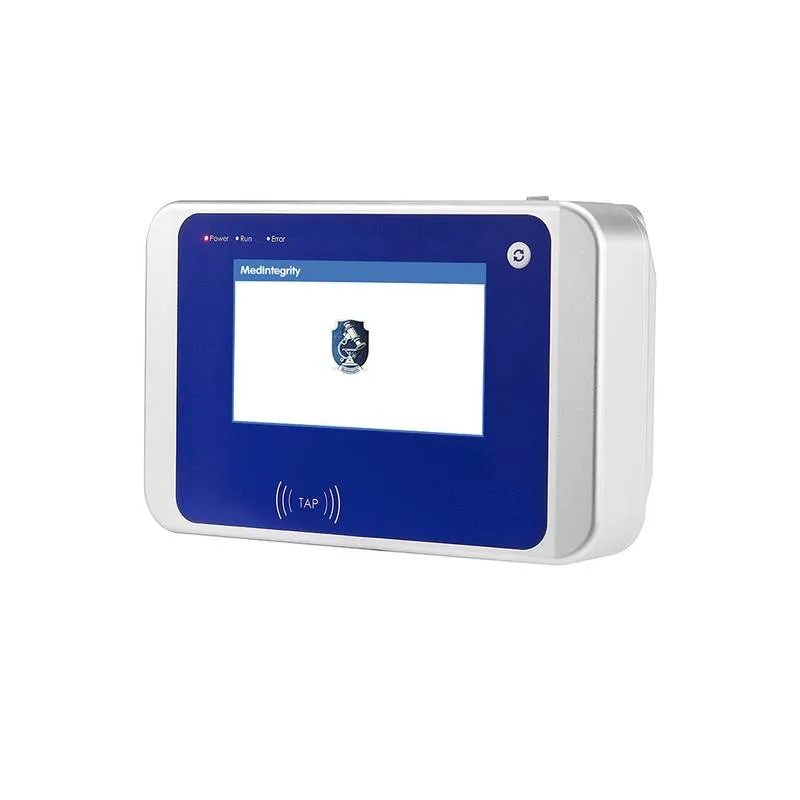
In aseptic pharmaceutical manufacturing, glove ports serve as the only connection between human operators and the sterile core inside isolators or restricted access barrier systems (RABS). Their integrity remains vital because even the tiniest breach can introduce contaminants straight into the protected area. Regulatory bodies around the world stress the need to keep and confirm the sterility of these connections.
Gloves attached to the isolation wall require detection both before and after use. Moreover, gloves on the filling line need checks at least once each month. Such a schedule helps spot any damage from wear, physical strain, or chemical contact right away. Tiny holes, though barely visible, can threaten product sterility, which puts patient safety at risk and causes expensive batch recalls.
What Do Regulations Require Regarding Glove Integrity Testing?
EU GMP Annex 1 and FDA guidance documents both demand regular glove integrity checks. Specifically, EU GMP Annex 1 requires periodic glove integrity testing as part of contamination control in aseptic settings. The FDA promotes a risk-based method under its Quality Risk Management (QRM) framework, and this approach urges early spotting and fixing of contamination sources.
To meet these rules, facilities have to apply proven testing methods that prove both precise and reliable over time. Records matter just as much. Digital logs, audit paths, and electronic signatures show clear compliance with regulations. They also make audits much simpler.
Principles and Methodologies of Glove Integrity Testing
Successful glove integrity testing depends on numerical methods, not just looking over the gloves visually. Visual checks alone fail to catch leaks properly. Widely applied techniques consist of the following: Pressure Hold keeps a fixed pressure within the glove and watches if it stays steady over a period. Pressure Decay notices pressure drops, showing great sensitivity to very small holes. Flow Rate Measurement figures out the leak size by gauging air movement through any openings in real time.
Each technique brings its own benefits based on work limits and needed detection levels. For instance, pressure hold works well for steady monitoring, while pressure decay suits quick scans for minor issues. Flow rate measurement provides detailed data on breach extent, aiding in better decisions.
What Performance Standards Must These Methods Meet?
Proven testing setups must find even the tiniest openings. Sensitivity needs to pick up holes as small as 100 µm or smaller. Still, precision can suffer from things like device calibration or surrounding air conditions.
Test consistency and reliability stand as key to GMP rules. Operators can count on steady outcomes from repeated runs and across various users. Precision-tuned tools that follow international benchmarks make this possible. These standards ensure that results hold up under scrutiny, building trust in the process.
How Does a Glove Integrity Tester Improve Contamination Prevention?
Spotting micro-leaks right during tasks helps find glove wear early, before any contamination happens. Catching these issues allows for timely glove swaps, which proves more effective than dealing with problems after products face risks. As a result, this cuts down the chances of germs entering and protects product purity in the end. Furthermore, real-time checks integrate into daily routines without much disruption, and they alert teams promptly, so actions follow swiftly and prevent wider issues from developing.
How Does It Support Quality Risk Management?
Current glove testing tools fit smoothly into QRM plans by supplying useful information. Facilities review past test data to spot trends, like certain glove ports that break often, which lets them focus maintenance efforts where needed. Such a pattern review boosts control over processes and aids ongoing enhancements. In addition, these tools generate reports that highlight risks clearly. Managers use this to adjust strategies, ensuring long-term safety and efficiency in operations.
Does Automation Reduce Human Error?
Automated testers remove personal judgment from operators, boosting both exactness and steadiness. Digital logs aid in tracking and preparing for reviews. These systems often feature safety locks and warnings to avoid wrong use, which further limits mistakes in steps. Overall, automation streamlines workflows. It allows staff to focus on higher-level tasks, while the machine handles precise measurements reliably every time.
What Makes Advanced Testers Like WGT Series Stand Out?
Fitting with different manufacturing setups poses a usual hurdle for various isolator types. Top testers, such as the Tester di integrità dei guanti WGT-1200, prioritize adaptability, and they work with both circular and elliptical glove ports from different makers. Thus, they blend in easily without altering the current isolator structure, and this versatility saves time and money during installations. Teams can deploy them across multiple lines, standardizing testing without custom adjustments.
What Testing Modes Are Available to Suit Different Scenarios?
These setups provide several testing options: the Pressure Hold Method keeps inner pressure for specific times to find gradual leaks. The pressure decay method follows the speed of pressure drop for quick spotting of small flaws. Flow Rate Testing gives clear views by measuring leak amounts through air flow. Each option matches varied work situations, from fast verifications during shifts to thorough checks in validation or problem-solving phases. Operators select modes based on immediate needs, ensuring flexibility in daily use.
Do These Systems Align with Global Compliance Expectations?
Yes, they do. The testing approaches meet FDA and GMP rules fully, and they also satisfy USP and EP standards. Advanced testers follow FDA 21 CFR Part 11, EU Annex 1, and GAMP 5 guidelines completely. Features like network links, electronic signatures, safe audit paths, and central data handling prepare sites well for official checks. Moreover, these compliance tools evolve with updates, keeping pace with changing regulations and supporting sustained adherence.
What Operational Gains Can Be Achieved Through Routine Glove Testing?
Regular testing greatly strengthens sterility guarantees in aseptic work, which lowers the chances of batch failures from glove-related contamination. By checking glove soundness ahead of time, makers bolster their germ control plans. Consequently, this builds stronger trust in Sterility Assurance Levels (SAL). Beyond that, consistent testing fosters a culture of vigilance. Teams stay proactive, reducing overall vulnerabilities in the production chain.
Are There Tangible Cost Savings?
Indeed, there are. Spotting failing gloves early stops major breakdowns, which prevents costly halts for sudden cleaning and cuts risks of thrown-out batches. In the long run, better resource use and reduced expenses follow naturally. Facilities often see returns through fewer incidents and smoother runs. Investments in testing pay off by avoiding larger financial hits from compliance issues.
Does It Streamline Documentation for Regulatory Inspections?
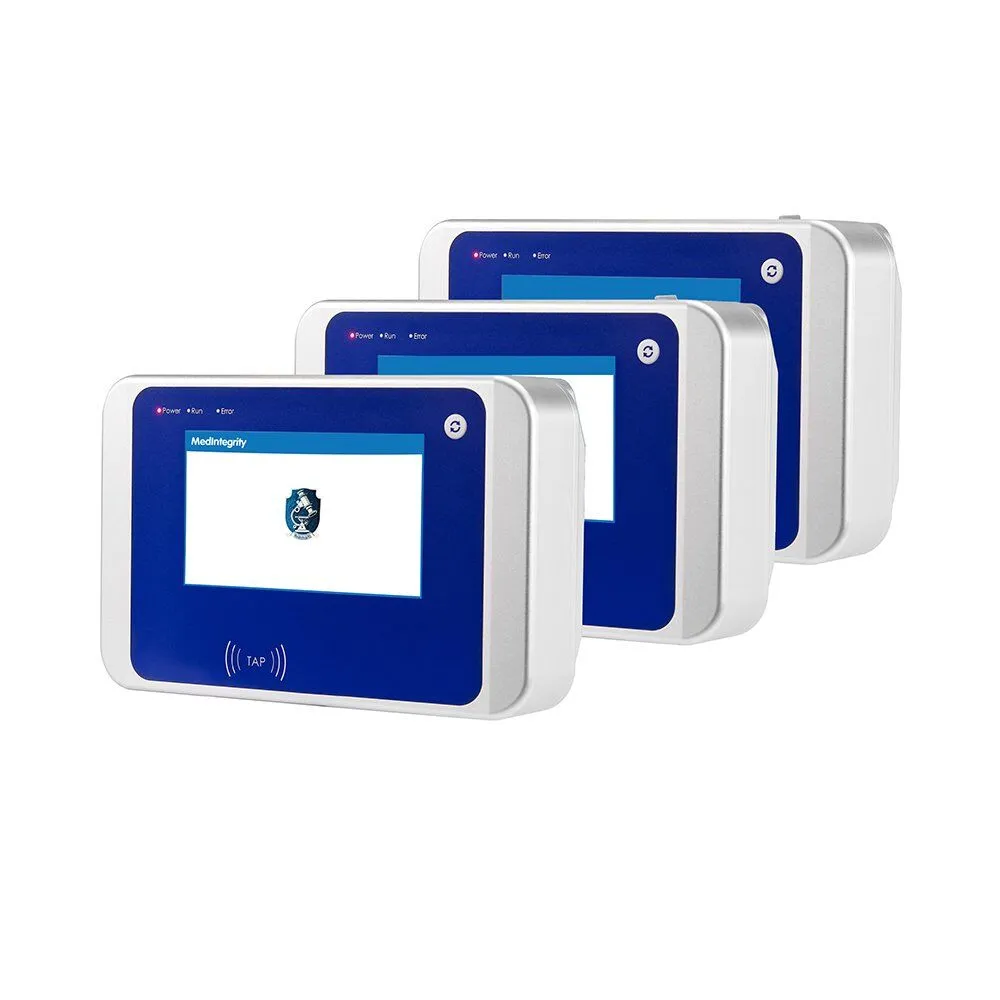
Digital setups ease record management. All test runs, user steps, and outcomes get logged automatically, which guarantees clear tracking of tests, staff, and device records, which proves crucial in reviews or probes of process slips. Additionally, searchable archives speed up responses to queries. Auditors access data quickly, shortening inspection times and easing compliance proof.
MedIntegrity: Your Partner in Precision Laboratory Solutions
For more than 15 years, Integrità Medica has led in providing integrity testers suited to pharmaceutical production demands. The company emphasizes value via fresh ideas and supplies a broad range of products. This includes glove integrity testers, filter validation systems, TOC analyzers, osmometers, and others.
MedIntegrity of U.S.A. concentrates on exact testing devices and related supplies in the pharmaceutical field. Their offerings aim to fulfill strict FDA, GMP, USP, and EP demands. At the same time, they provide simple interfaces, adaptable setup choices, and strong support throughout the life of the equipment.
Whether growing operations or updating old systems for rule readiness, MedIntegrity pledges to aid in refining sterile processes. They do so without sacrificing quality or rule-following. This partnership ensures reliable performance and peace of mind for users worldwide. Feel free to contact MedIntegrity!
Summary of Key Takeaways on Glove Integrity Testing
Regular glove testing forms a basic part of today’s aseptic barrier setups. It is essential, not extra. Modern testers allow early finding of breaks while meeting worldwide rules via solid proof methods. These technologies form the backbone of safe manufacturing, where every detail counts toward purity. In practice, they turn potential threats into managed routines, safeguarding outputs consistently.
Strategic Integration into Sterile Manufacturing Workflows
Glove integrity systems spot dangers before they harm production standards. By doing so, they match Quality Risk Management ideas perfectly. Automation features also back steady progress in clean areas. This blend of strategy and tech drives efficiency and reliability across the board. Ultimately, such integration not only meets but exceeds expectations, fostering resilient operations in demanding environments.
FAQ
Q1: How often should glove integrity tests be performed in isolators?
A1: The schedule varies by risk review, but it usually covers first setup checks, after upkeep or cleaning steps with gloves, and at set periods in normal work as outlined. This approach balances thoroughness with practicality, ensuring ongoing protection without overburdening teams.
Q2: Can the same tester be used across different isolator systems?
A2: Yes, top testers like MedIntegrity’s WGT series fit various port shapes (round or oval) and merge easily into many isolator types. No structural tweaks are needed, making deployment straightforward and cost-effective for diverse setups.
Q3: What is the smallest leak size that a glove integrity tester can detect?
A3: Proven systems pick up leaks around 100 microns or tinier, based on the chosen method, like pressure decay or flow rate. This level of detail secures strong prevention against contamination, vital for high-stakes production.
 Italian
  English
  Russian
  Spanish
  Portuguese
  German
  French
  Arabic
  Dutch
Dutch  Japanese
  Vietnamese
  Korean
  Malay
Malay  Thai
Thai