

Filter Integrity Tester: Differences in Pre‑Test Preparations for Hydrophilic and Hydrophobic Filter Cartridges
Filter Integrity Tester: Differences in Pre‑Test Preparations for Hydrophilic and Hydrophobic Filter Cartridges
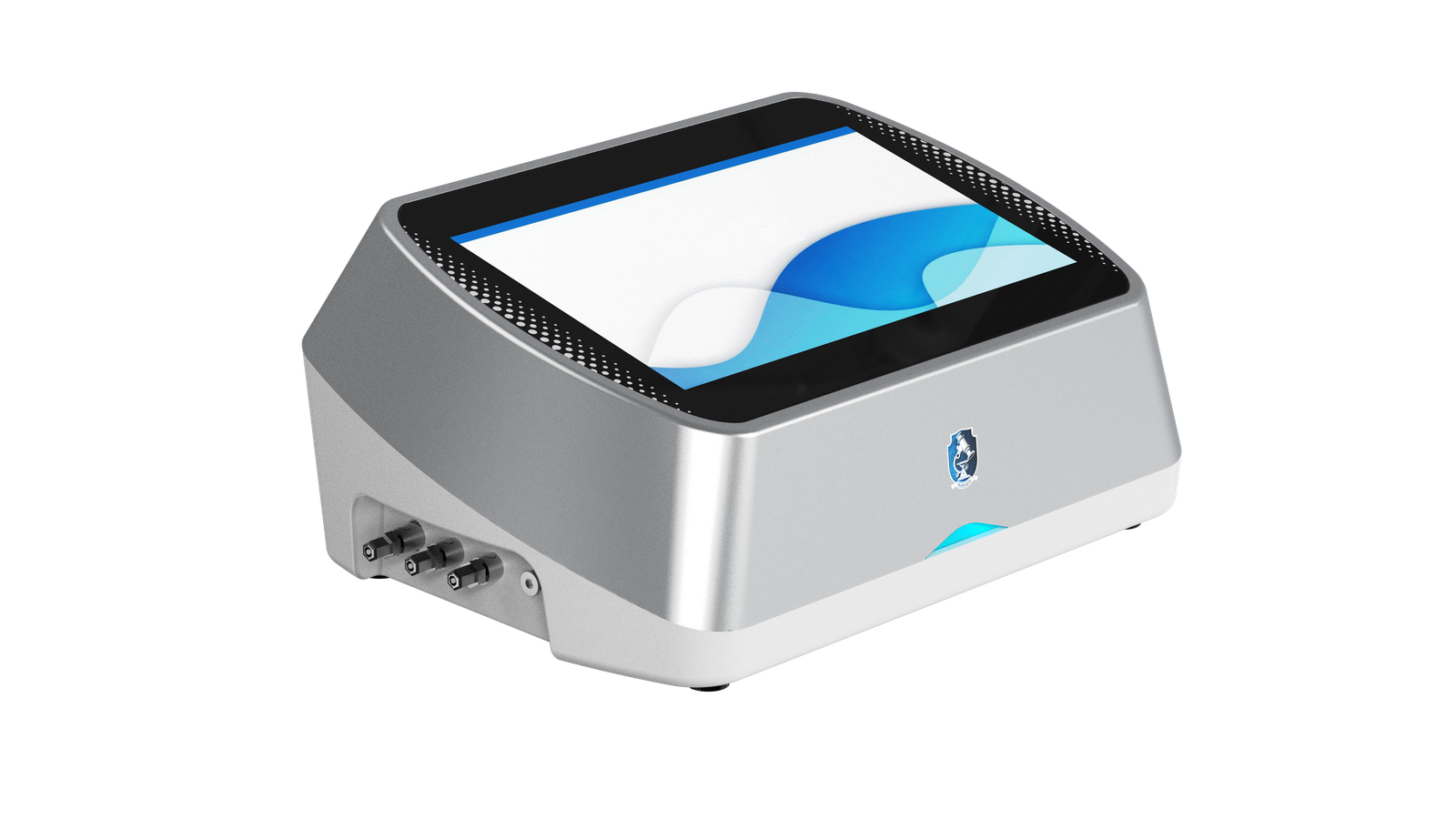
In industries such as pharmaceutical manufacturing where filters are widely deployed, hydrophilic and hydrophobic filter cartridges are well known to most practitioners. When using a filter integrity tester to assess the status of a filtration system, what distinct preparatory steps must be completed prior to testing for hydrophilic and hydrophobic filter cartridges respectively? Let us explore this topic in the following content.
Hydrophilic filter cartridges are typically used for liquid filtration, whereas hydrophobic filter cartridges are commonly adopted for gas filtration, tank venting and relevant aseptic process applications. It should be noted that the hydrophilic or hydrophobic nature of a filter cartridge alone cannot define its specific use case. Practical application shall also consider filter material, product design and process requirements.
Before carrying out tests with a filter integrity tester, both filter types share basic preparation tasks: verification of filter cartridge information, inspection of installation condition, confirmation of pipeline connections and selection of appropriate test programs. The primary differences reside in pre-wetting protocols, selection of test media, and preconditions matching different test methods.
1. Verification of Basic Information
Check the filter model, nominal pore size, batch number, service life and integrity test method specified in the process documentation. Confirm that the selected integrity test mode matches the filter type.
Key common requirement: Any filter cartridge that has exceeded its service life shall not be used for integrity testing.
2. Inspection of Installation and System Condition
Check whether the filter cartridge and housing are installed correctly, confirm sealing elements are intact and properly seated. Inspect pipelines, valves and joints for leakage risks. Drain residual foreign fluid inside the filter housing and pipeline as required.
Difference reminder: For systems previously in liquid service, hydrophobic filter housings must be fully drained and dried before testing; residual liquid will block pores and cause false failure results.
3. Pre‑wetting Operation (Core Difference)
Hydrophilic filter cartridges
Hydrophilic filters require full pre-wetting with a compatible aqueous medium (usually purified water or water for injection).
- Introduce the wetting medium into the filter housing to fully immerse the filter membrane.
- Maintain sufficient contact time to ensure complete wetting of all membrane pores.
- Flush the filter according to specified flow rate and volume to remove trapped air.
- After wetting, drain excess surface liquid while retaining the liquid meniscus inside membrane pores, then proceed to bubble point or diffusion flow test.
Hydrophobic filter cartridges
Hydrophobic filters must not be wetted with water for standard gas-phase integrity testing.
- Keep the membrane dry. If wetting medium is needed for testing, use suitable non-aqueous wetting liquid specified by the filter manufacturer.
- Remove all residual aqueous liquid in the filter housing and upstream/downstream pipelines.
- Purge the filter system with dry compressed air or inert gas to eliminate moisture inside membrane pores.
- After drying stabilization, perform bubble point or diffusion flow test.
4. Test Medium Preparation
- Hydrophilic filter: Test medium is air or inert gas; the membrane pores are sealed by aqueous wetting liquid.
- Hydrophobic filter: Test medium is dry air or inert gas. If using liquid wetting method, apply the designated organic wetting fluid.
5. Pre‑test Stabilization and Environment Check
Both filter types require control of ambient temperature and pressure to avoid temperature drift interfering with test data. Allow the system to stabilize after pre-treatment before initiating the test sequence.
- Hydrophilic filters: Avoid excessive evaporation of wetting liquid during stabilization.
- Hydrophobic filters: Prevent humid air from entering the system and rewetting the membrane.
Riassunto
The common pre-test preparations for hydrophilic and hydrophobic filters focus on document checking, installation inspection and pipeline confirmation. The core distinction lies in pre-wetting strategy: hydrophilic filters rely on water-based media to form a liquid seal in membrane pores, while hydrophobic filters generally maintain a dry membrane state for gas integrity testing. Improper pre-wetting is the most frequent cause of invalid integrity test results. All operations shall comply with GMP requirements and filter manufacturer’s operating instructions.
 Italian
 English
 Russian
 Spanish
 Portuguese
 German
 French
 Arabic
 Dutch
 Japanese
 Vietnamese
 Korean
 Malay
 Thai