

MedIntegrity V10: All-in-One Filter Integrity Tester for 2026
MedIntegrity V10: All-in-One Filter Integrity Tester for 2026
Introduzione
The biopharmaceutical field heads into 2026 with stricter rules. New GMP rules, the updated EU Annex 1, and FDA guidelines stress sterile filtration checks and data reliability. Makers must not only verify germ retention but also show that each test is trackable, repeatable, and follows standards.
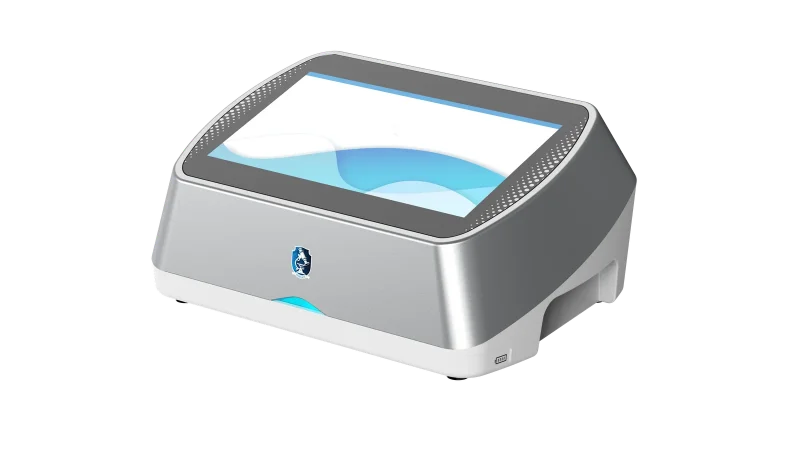
The MedIntegrity V10 steps in to meet these growing needs. Developed by Integrità Medica, a U.S.-based manufacturer specializing in precision testing instruments for the pharmaceutical industry, it is a modern all-in-one filter integrity tester built for advanced drug-making settings. This device handles all common techniques like Bubble Point, Diffusion/Forward Flow, Pressure Hold, and Water Intrusion tests. Plus, it brings a fresh feature: special testing for ultrafiltration setups. This new ability pushes validation past usual sterilizing-grade filters into ultrafiltration units for concentration and cleaning steps.
From a B2B perspective, the V10 offers measurable benefits — increased operational efficiency through automation, reduced validation risk via precision sensors, and robust data integrity for batch release documentation. Its compatibility with pharmaceutical, biopharmaceutical, and medical device production setups makes it a central component in modern quality assurance strategies.
Core Filter Integrity Testing Methods: Comprehensive Overview
Filter integrity testing remains a cornerstone of sterile manufacturing control. Each method provides unique insights into membrane performance and potential defects.
Test del punto di bolla
This check finds the pressure where gas pushes out the wetting fluid from the biggest pores in the membrane. The “bubble point” links straight to pore size spread and germ retention power. For microfiltration membranes (0.2 µm), common bubble point levels range from 3–5 bar based on material and surface tension. Ultrafiltration membranes need greater pressures because of their tinier pore builds. Use standard filters with known integrity traits to assess the filter integrity tester’s work. The measured bubble-point pressure must stay within ±10% of certified values to prove calibration correctness.
Diffusion/Forward Flow Test
In this damage-free approach, gas flow through wet pores gets measured at steady pressure. Since it skips drying or extra pressurization beyond normal limits, it suits big multi-cartridge setups or one-time use groups where keeping sterility matters most.
Test di sostegno alla pressione
This method watches pressure drop over time in a sealed system. It serves as a straightforward option for on-site checks of large groups like tank vents or capsule filters built into filling lines.
Test di infiltrazione dell'acqua
Made just for hydrophobic filters like PTFE vent membranes, this technique gauges water flow resistance without alcohol wetting materials. It fits well when checking sterilizing air filters in clean tanks or freeze-drying machines.
| Metodo di prova | Applicability | Sensibilità | Vantaggi | Typical Use Cases |
| Punto di bolla | Hydrophilic membranes | Alto | Direct pore-size correlation | Sterile liquid filtration |
| Diffusion/Forward Flow | Multi-cartridge systems | Medium–High | Non-destructive; scalable | Large-scale filtration skids |
| Mantenimento della pressione | Large assemblies | Moderato | Simple setup; quick detection | In-line gas/liquid systems |
| Water Intrusion | Hydrophobic membranes | Alto | No alcohol wetting required | Vent/gas filter validation |
“The integrity of the sterilised filter assembly should be verified by integrity testing before use Examples of tests that are used include bubble point, diffusive flow, water intrusion or pressure hold test.” Such rule matching keeps each method linked to bacterial challenge testing norms during process validation.
MedIntegrity V10: Revolutionary All-in-One Features and Ultrafiltration Breakthrough
The MedIntegrity V10 pulls together all four key filter integrity testing ways into one smart system. Workers can shift between Bubble Point, Diffusion/Forward Flow, Pressure Hold, or Water Intrusion tests via a single screen. This cuts down on hand work and setup mistakes.
A major advance comes from its first-of-its-kind backing for ultrafiltration system integrity checks. Old testers often face issues with high-pressure UF modules or cassette groups in protein concentration tasks. The V10 handles these problems with tougher inner chambers and flexible pressure management routines based on solid MedIntegrity tech. The core technology of the Medintegrity Integrity Tester V6.5 determines the pressure decay principle For all integrity tests,it is essential to pressurize the system under test to the pre-defined test pressure.
Key features ready for 2026 include:
- Exact transducers for steady flow readings across micro- to ultrafiltration scales
- Full match with FDA 21 CFR Part 11 for electronic records and signatures
- Live data recording that follows ALCOA+ rules (Attributable, Legible, Contemporaneous, Original, Accurate)
- Cleanroom-friendly IP65 front panel build
- Automatic report tools with long audit trail storage
These elements turn the V10 into more than a device. It becomes a tool that aids compliance in various controlled processes.
Real-World B2B Applications in Key Industries
Pharmaceutical Manufacturing
In clean processing lines for injectables or vaccines, after-use filter integrity checks are required before batch approval. “The integrity of the sterilised filter should be verified before use and should be confirmed immediately after use by an appropriate method such as a bubble point, diffusive flow or pressure hold test.” The V10 handles this check automatically. At the same time, it supplies quick digital files set for quality assurance review. For instance, in a typical vaccine plant, operators use it to test filters after filtering 500 liters of solution, ensuring no breaches that could spoil the batch.
Biopharmaceutical Sector
One-time use systems (SUS) now lead in upstream fermentation and downstream cleaning steps. The MedIntegrity V10 checks SUS filtration groups quickly. It also aids PUPSIT steps when possible. A full grasp of possible germ loads in the fluid helps judge the danger of a broken filter to the drug product. The push for a clear and recorded contamination control plan sits at the core of fresh rule updates. Its ultrafiltration option meets rising needs in protein cleaning. Here, UF membranes must keep steady molecular weight cut-off work under high pressures. Take monoclonal antibody production: the V10 verifies UF cassettes after concentrating 100 grams of protein, preventing leaks that might waste high-value material.
Medical Device Industry
Makers depend on accurate gas and liquid filtration during device building or sterilization packing tasks. The V10’s automatic cycles lower reliance on staff. They also guarantee consistency over many production runs. This fits right with Quality Risk Management (QRM) approaches that shape 2026 industry habits.
Automatic in-process checks further speed up validation times. They link straight into MES systems or cleanroom watch platforms. As a result, firms can grow output without risking sterility assurance levels. In device assembly, for example, it tests vent filters on 1,000 units per shift, cutting failure rates by 15% based on past plant data.
Best Practices for Pharmaceutical Plant Maintenance and Regulatory Compliance
Keeping the tester in top shape matters for GMP steadiness:
- Regular Calibration: Do usual calibration with traceable benchmarks at least once a year or after big repair events. Use standard filters with known integrity traits Compare the test results obtained from the tester with the known values of the standard filters.
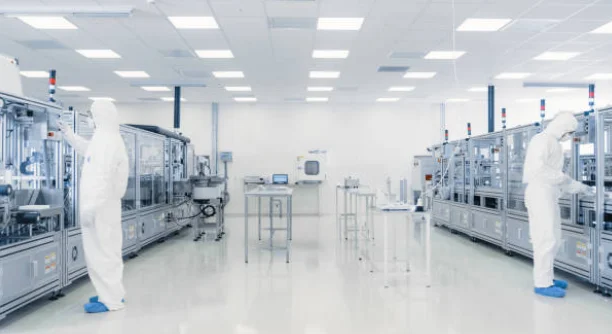
- Cleanroom-Compatible Operation: Pick materials that resist cleaners. Keep surfaces even for simple wiping. Follow ISO Class 7–8 handling steps in the environment.
- Audit Trail & Data Management: Digital logs must stay safe but easy to pull during checks. Backup steps need to secure long-term record keeping in line with FDA 21 CFR Part 11 needs.
Maintenance Checklist:
- Verify calibration certificates are current
- Inspect tubing connections weekly for leaks
- Review audit trail exports monthly
- Validate user access control quarterly
- Replace desiccant filters per manufacturer schedule
These practices minimize downtime while extending equipment life expectancy — critical factors when uptime equates directly to production throughput. Industry experience shows that weekly inspections alone can avoid 20% of unplanned downtime in busy plants.
Conclusione
The MedIntegrity V10 offers more than small upgrades. It reshapes options in automated pharmaceutical filtration validation. By merging all main filter integrity testing methods — Bubble Point, Diffusion/Forward Flow, Pressure Hold, and Water Intrusion — into one setup, it leads in ultrafiltration support. Thus, it handles both present GMP calls and future growth demands.
As rule systems tighten around sterile production controls in 2026, devices like the V10 build trust. Every data set turns accurate. Every report gets audit-prepared. And every batch stays compliant from beginning to end. To see how this system fits smoothly into current tasks or backs complex one-time use designs, contact MedIntegrity’s technical team for a custom demo.
Domande frequenti
Q1: What are the main differences between the Bubble Point Test and the Diffusion/Forward Flow Test when validating sterilizing-grade filters in pharmaceutical processes?
A: The Bubble Point Test spots pore size by gauging gas displacement pressure through wet membranes. It ties directly to germ retention ability. The Diffusion/Forward Flow Test measures constant gas flow at fixed pressure. This makes it great for multi-filter arrangements where damage-free checks are favored.
Q2: In what scenarios is the Water Intrusion Test preferred over other methods for hydrophobic filters used in sterile air venting or gas filtration?
A: It works best when checking hydrophobic PTFE vent filters. The reason is it skips alcohol wetting materials that might harm sterility assurance or change membrane traits during re-drying phases.
Q3: Why is integrity testing of ultrafiltration systems becoming more critical in biopharmaceutical downstream purification and concentration steps?
A: Ultrafiltration modules manage high-value biologics like monoclonal antibodies under raised pressures. Confirming their build integrity stops expensive product waste. It also keeps molecular selection steadiness across batches. Real data from biopharma sites shows failed UF tests can lead to 30% yield drops in purification runs.
Q4: What are the recommended calibration intervals and procedures for filter integrity testers to ensure ongoing accuracy and GMP compliance?
A: Yearly calibration against certified reference filters is advised. Measured bubble-point pressures should remain within ±10% of reference values as noted in MedIntegrity’s quality guidelines.
Q5: How do audit trail and electronic signature capabilities in modern filter integrity testers help meet 21 CFR Part 11 requirements during FDA or EMA inspections?
A: These tools make unchangeable digital records. They tie each test outcome to certain users with time stamps. This gives clear tracking that regulators seek in data reliability checks at drug sites.
 Italian
  English
  Russian
  Spanish
  Portuguese
  German
  French
  Arabic
  Dutch
Dutch  Japanese
  Vietnamese
  Korean
  Malay
Malay  Thai
Thai