

MedIntegrity V10: B2B Applications & Pharma Factory Best Practices
MedIntegrity V10: B2B Applications & Pharma Factory Best Practices
The Evolution of Integrity Testing in Pharma 4.0
The pharmaceutical industry has transitioned from manual filter integrity testing to fully automated systems that deliver accuracy, traceability, and compliance. The move toward Pharma 4.0 isn’t just about digital dashboards—it’s about connecting data integrity with physical reliability at every stage of sterile manufacturing.
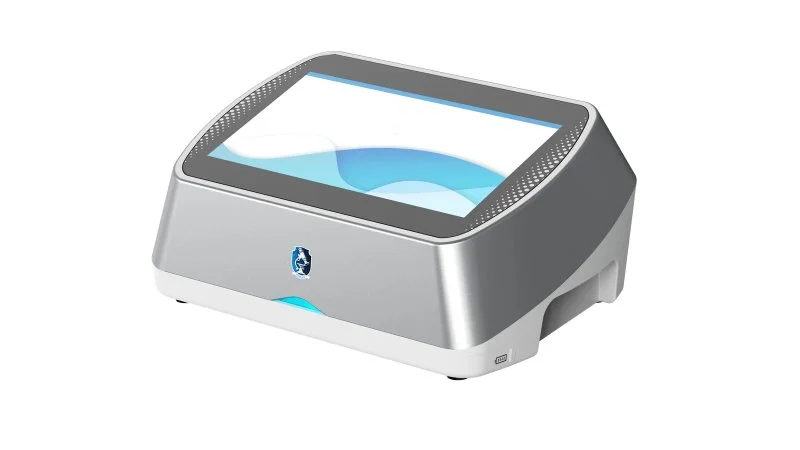
Il MedIntegrity V10 represents this evolution. As a multi-method platform built for the 2026 regulatory landscape, it merges hardware precision with data-driven control. Its design philosophy reflects a direct response to the tightening standards outlined in the latest EU GMP Annex 1 revisions and FDA aseptic processing guidance.
Annex 1 has been revised on numerous occasions (1997, 2008, 2022) with each revision accommodating advances in technology, understanding and industry trends The most recent update due for implementation in 2023 contains numerous changes. Many of these aim to address points of ambiguity and adapt language to align with technical and regulatory precedents to achieve greater clarity. These updates emphasize that “the integrity of the sterilised filter should be verified by integrity testing before use, to check for damage and loss of integrity caused by the filter preparation prior to use.”
By embedding these principles into its architecture, the V10 bridges hardware performance with digital compliance—an essential step for modern pharma validation strategies where data integrity is non‑negotiable.
Versatile B2B Applications: One Tester, Multiple Environments

Case Study 1: Pharmaceutical Factories
In large-scale sterile filtration lines, downtime equals loss. The V10’s rapid pressure decay and diffusive flow algorithms cut test cycles significantly while keeping results within validated tolerances. Production teams can perform Bubble Point or Water Intrusion tests without switching equipment—a small detail that translates into hours saved per week across multiple filling lines.
Operators often describe how automated stabilization compensates for environmental shifts during testing—temperature drifts or micro-leaks that once triggered false alarms are now automatically corrected by the system’s smart pressure control logic.
Case Study 2: Biopharmaceutical CDMOs
Contract Development and Manufacturing Organizations (CDMOs) face constant project turnover—each client bringing its own set of filtration protocols. Here, flexibility is everything. The MedIntegrity V10 supports multi-user environments where permissions can be tailored per client project, protecting proprietary data while maintaining centralized oversight.
Batch transitions from pilot to commercial scale become smoother because the same device supports all required test methods without requalification delays.
The V10 Advantage: Multi-Test Method Coverage
Il Integrità Medica V10 consolidates three primary test methods into one compact platform: Bubble Point, Diffusive Flow, and Water Intrusion tests. Each method aligns with global regulatory expectations for sterilizing-grade filters used in aseptic manufacturing.
“The integrity of the sterilised filter assembly should be verified by integrity testing before use Examples of tests that are used include bubble point, diffusive flow, water intrusion or pressure hold test.” This alignment ensures that every test result directly correlates with microbial retention capability established during validation.
Efficiency gains are tangible:
- Parallel Testing: Multiple filters can be tested simultaneously.
- High-Speed Processing: Automated control reduces human intervention.
- Data Integration: Results are automatically logged into audit-ready databases.
Precision comes from automation rather than operator judgment. The V10’s pressure stabilization algorithm eliminates bias while maintaining repeatability across shifts—an essential feature when validating critical filtration steps in biopharmaceutical manufacturing.
Operational Best Practices: The Pharma Factory Maintenance Checklist
Operator Training Protocols
Each operator must complete certification on digital interfaces and error-handling procedures before performing independent runs. This training ensures consistent interpretation of results across global sites.
Electronic Signature (E‑Sign) Workflows
Digital compliance is embedded at every level of operation. The system includes secure e-signature workflows aligned with FDA requirements—
Scientific authority management design, password, permissions, authority grading, electronic signature, etc, in full compliance with FDA 21 CFR PART 11 requirements.
Approval hierarchies can be configured so that supervisors review and sign off on each batch release electronically.
Annual Validation Plan (AVP)
Maintenance schedules typically follow an IQ/OQ/PQ cycle:
- Installation Qualification (IQ): Verifies correct setup.
- Operational Qualification (OQ): Confirms performance under simulated conditions.
- Performance Qualification (PQ): Validates function under actual production loads.
Periodic calibration—usually once per year—is vital for maintaining GMP compliance across global facilities.
Compliance and Data Integrity: Meeting ALCOA+ Standards
Modern regulators expect more than accurate numbers—they demand trustworthy data trails that meet ALCOA+ principles: Attributable, Legible, Contemporaneous, Original, Accurate—and more recently Complete and Consistent.
The MedIntegrity V10 captures every event automatically within its audit trail architecture. Changes in parameters or user activities are timestamped and locked against modification.
A complete understanding of the potential bioburden in the fluid can help ascertain the risk of a damaged filter to the drug product.The need for a defined and documented contamination control strategy, informed through the application of Quality Risk Management principles, and supported by good data-driven science,is at the heart of recent updates to regulatory guidance. This reinforces why automated audit trails aren’t optional—they’re central to controlling residual risks associated with aseptic processes.
By reducing manual record handling and automating deviation alerts, facilities report fewer nonconformance events related to missing or inconsistent filter integrity testing records.
Conclusione
As Pharma 4.0 continues reshaping operations from batch production to continuous manufacturing models, equipment like the MedIntegrity V10 stands as a cornerstone for both efficiency and compliance. Its unified architecture reduces operational risk while supporting higher yields through consistent test performance.
When integrated into an annual validation plan or digital MES environment, it becomes more than an instrument—it becomes part of a facility’s long-term data integrity framework. For organizations preparing their next AVP cycle or upcoming regulatory inspection window, adopting such systems is less about modernization and more about survival in a world where every dataset must stand as evidence of sterility assurance.
Elevate your sterile assurance standards—contact MedIntegrity today to seamlessly integrate the V10 system into your next validation cycle.
Domande frequenti
Q1: How does the MedIntegrity V10 ensure compliance with FDA 21 CFR Part 11?
A: The system integrates secure access controls and electronic signatures fully aligned with FDA Part 11 standards. It maintains an immutable audit trail where all filter integrity test results remain attributable and contemporaneous throughout pharma validation cycles.
Q2: Can the MedIntegrity V10 operate efficiently within multi-user CDMO environments?
A: Yes. Its authority management structure allows multiple permission levels so different clients’ projects remain segregated while maintaining centralized monitoring—a key advantage for CDMOs managing diverse biopharmaceutical manufacturing campaigns.
Q3: What makes its multi-test capability valuable?
A: Combining Bubble Point, Diffusive Flow, and Water Intrusion methods in one tester eliminates redundant devices while giving operators flexibility across various process conditions—all within one validated database environment supporting robust data integrity practices.
Q4: How frequently should calibration or revalidation occur?
A: A full recalibration is recommended annually or following any major process modification to maintain GMP alignment under IQ/OQ/PQ frameworks described in typical Annual Validation Plans.
Q5: How does automation reduce false passes during filter integrity testing?
A: Advanced sensors monitor micro-pressure fluctuations while automated stabilization algorithms adjust readings dynamically—mitigating environmental factors like temperature drift that often cause false-positive outcomes in manual testers.
 Italian
  English
  Russian
  Spanish
  Portuguese
  German
  French
  Arabic
  Dutch
Dutch  Japanese
  Vietnamese
  Korean
  Malay
Malay  Thai
Thai