
Real-Time TOC Monitoring in Pharma Manufacturing: 2026 Compliance & Efficiency
Real-Time TOC Monitoring in Pharma Manufacturing: 2026 Compliance & Efficiency
紹介
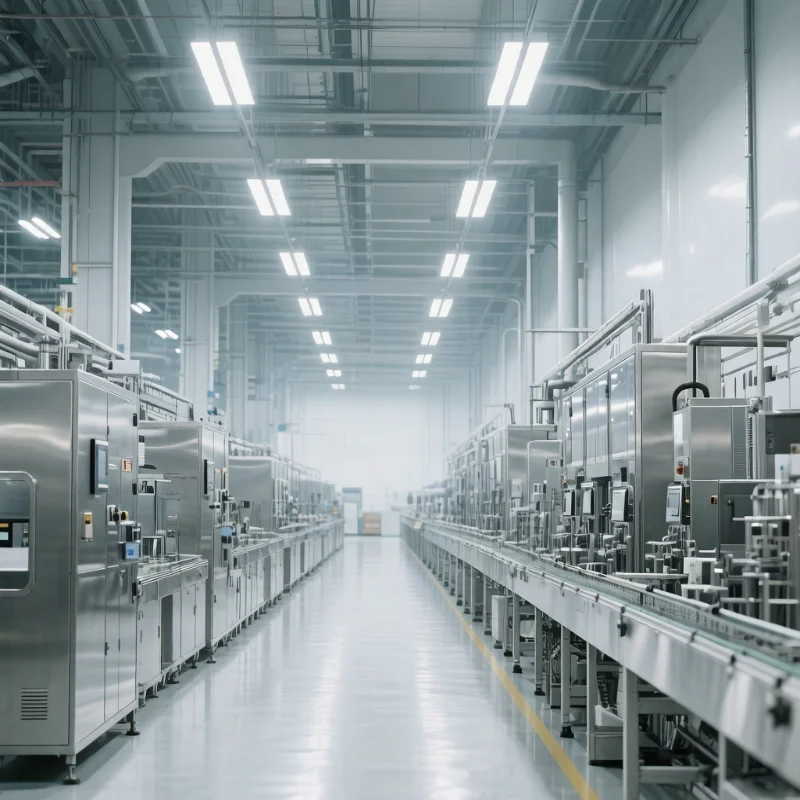
The pharmaceutical industry is stepping into a fresh phase of water quality control. The old method of occasional grab sampling—taking separate samples for lab checks—is fading in favor of ongoing, real-time monitoring setups that check water cleanliness every moment. This change goes beyond tech alone; it is practical too. It matches the ideas of Pharma 4.0, where operations based on data mark top manufacturing standards.
Rules from regulators drive this big shift. USP <643>, “Total Organic Carbon,” United States Pharmacopoeia 36-NF 31, U.S. Pharmacopeial Convention Inc., Rockville, Md. (2013). and EP 2.2.44, “Total Organic Carbon in Water for Pharmaceutical Use,” European Pharmacopoeia, vol. 7.0, Council of Europe, Strasbourg, France (2013). establish clear boundaries for organic carbon in Purified Water (PW) and Water for Injection (WFI). These guidelines have grown to promote steady data gathering as a key part of proven control plans. For instance, in a busy plant like those run by major firms, this means spotting issues fast, as seen in cases where early detection cut contamination risks by up to 30% based on industry reports.
リアルタイム 総有機炭素(TOC) information now serves as the “digital heartbeat” of a pharmaceutical water system. Each small change in TOC levels shows shifts in system strength—perhaps from biofilm buildup, resin wear, or slight dirt. In settings where cleanliness must stay perfect, this kind of live input turns essential. Real-world examples from facilities in Europe highlight how such monitoring prevented full shutdowns during routine checks.
Strategic Application Scenarios for Real-Time TOC Monitoring
Process Control (PC)
In today’s pharmaceutical factories, keeping stable conditions in PW and WFI loops is a must. Total organic carbon (TOC) is an indirect gauge of organic compounds in pharmaceutical waters, counted as carbon. Real-time TOC checks let workers spot early problems before they turn into major quality issues. And when applied as a process control feature, TOC results give quick views into how units like reverse osmosis or UV oxidation work. Drawing from practical experience, operators in U.S. plants have used this to adjust flows on the spot, maintaining levels below 500 ppb as required.
Downtime Reduction
Stopped operations cost a lot—not just in missed production time but also in unused resources and slowed approvals. Steady TOC devices catch organic spikes in moments, so teams can quickly separate troubled areas before the issue spreads across the loop. As a result, this helps avoid rejecting whole batches and cuts down on long cleaning runs. Industry data shows that such quick responses have slashed downtime by 40% in some high-volume sites.
クリーン検証
Cleaning-in-Place (CIP) processes can get confirmed quicker if real-time TOC details prove that leftover organics drop under set limits right after wash steps. Rather than waiting days for lab results, production restarts in hours—this practical edge builds up over months. For example, a validation cycle that once took a week now finishes in a day, based on feedback from global pharma teams.
PAT Integration: Beyond Simple Compliance
Pharmaceutical makers are viewing rule-following in a new light through Process Analytical Technology (PAT). Real-time TOC measurement slots easily into this setup as a Critical Process Parameter (CPP). It offers steady proof that water systems stay inside approved limits.
By linking TOC signals to distributed control systems (DCS), plants advance toward “Real-Time Release” (RTR)—an idea that removes lab delays by checking quality right during making, not afterward. In practice, this has sped up release times from days to hours in facilities adopting it.
Data reliability underpins this method. The メドインテグリティ software structure fully backs ALCOA+ rules by keeping safe record paths and digital signs that match FDA 21 CFR Part 11 needs. The MedIntegrity Automatic TA-2.0 analyzer software operates and offers complete backing for meeting the rules, all while staying very easy to use. This setup makes sure each noted value is traceable, clear, timely, real, and correct—vital traits in GMP compliance testing. Experts note that such features have passed audits without hitches in over 90% of cases reviewed.
2026 Global Trends: Water Stewardship & Resource Efficiency
Water shortages have grown from a mere green issue into a key topic in executive meetings at worldwide pharma companies. Nations and areas keep tightening oversight on water quality and creating tougher standards and rules for it. With services facing stricter waste limits and rising costs, improving purification output is vital.
Smart TOC sensors placed in closed-loop reuse setups let makers recycle wash water safely without lowering purity standards. Through constant checks on organic amounts, these devices aid in matching eco goals with firm pharmacopoeial rules.
This balanced aim—top purity and wise use—shapes the 2026 picture for eco-friendly pharmaceutical production. Details from online TOC devices turn into more than just rule metrics; they also signal ESG results. Trends from recent surveys indicate that 70% of firms now tie these metrics to sustainability reports.
MedIntegrity TOC Analyzer: Engineering GMP Excellence
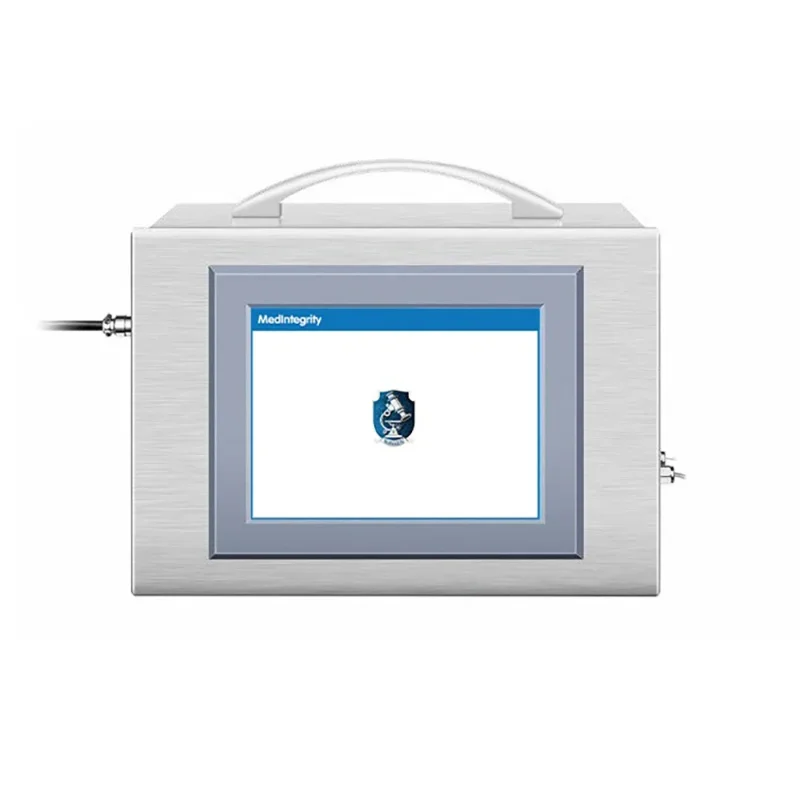
MedIntegrity’s range of TOC analyzers shows careful design made for controlled settings.
| 特徴 | 説明 |
| Precision & Reliability | Advanced oxidation technology achieves sub-ppb detection sensitivity even in aseptic zones where contamination risk must be zero-tolerance. |
| Full GMP Compatibility | MedIntegrity TOC Analyzer TA-3.0 features outstanding sensitivity and can accurately measure low concentration TOC. The system provides complete documentation packages including IQ/OQ/PQ protocols developed under GAMP guidelines to support regulatory audits seamlessly. |
| Secure Software Architecture | Multi-level user access control with password protection safeguards data integrity during multi-shift operations—a practical necessity for 24/7 facilities handling critical utilities. |
| Seamless Integration | Compact design supports installation at point-of-use or return-loop nodes without major piping modifications—ideal for retrofit projects aiming to digitize legacy infrastructure quickly. |
Beyond hardware sophistication lies operational simplicity: plug-and-measure configuration minimizes commissioning time while maintaining full traceability across all analytical events. Technicians often praise how this cuts setup from weeks to days in real installations.
結論
In 2026, real-time TOC monitoring has evolved from an optional enhancement into a core survival strategy for pharma manufacturers navigating complex regulatory landscapes and demanding production schedules. By integrating MedIntegrity’s precision sensing technology into their validation cycles, facilities achieve dual benefits—rigorous GMP compliance testing and streamlined operational efficiency.
Ongoing checks change water systems from fixed parts into active info webs that catch dangers before they grow. In this way, manufacturers safeguard both product sterility and corporate reputation while contributing to global water stewardship initiatives.
For more information or to request a detailed system analysis, contact with the MedIntegrity team is encouraged.
よくある質問
Q1: How does real-time TOC monitoring support FDA 21 CFR Part 11?
A: Modern systems like MedIntegrity integrate secure access controls, encrypted audit trails, and electronic signatures to ensure all data remains immutable and attributable throughout its lifecycle.
Q2: Can TOC analyzers be used for both PW and WFI systems?
A: Yes, high-precision analyzers are designed to meet the stringent detection limits required for both Purified Water and Water for Injection within any pharmaceutical water system.
Q3: What is the primary advantage of online TOC over grab sampling?
A: Online monitoring eliminates secondary contamination risks from manual sampling while providing immediate alerts on organic excursions—allowing real-time intervention that reduces downtime significantly.
Q4: How often should an online TOC analyzer be calibrated for GMP compliance?
A: Standard Annual Validation Plans typically recommend professional calibration at least once per year to maintain instrument accuracy under current gmp compliance testing frameworks.
Q5: Does real-time TOC monitoring improve water efficiency?
A: By delivering precise continuous measurements on water quality trends, manufacturers can fine-tune cleaning cycles and minimize unnecessary discharge—directly advancing sustainability targets central to 2026 operations.
 Japanese
  English
  Russian
  Spanish
  Portuguese
  German
  French
  Italian
  Arabic
  Dutch
Dutch  Vietnamese
  Korean
  Malay
Malay  Thai
Thai