

Ensuring Zero Microbial Risk: The Crucial Role of Filter Integrity Testing in Biopharmaceuticals
Ensuring Zero Microbial Risk: The Crucial Role of Filter Integrity Testing in Biopharmaceuticals
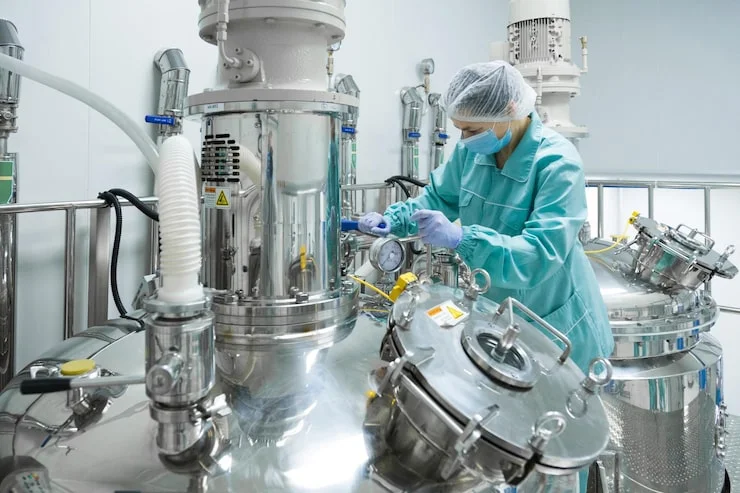
In the strictly controlled and exact world of biopharmaceutical manufacturing, making sure products are sterile is more than just a quality check. It is vital. It’s a key protection for patient health. One of the very best tools for keeping things sterile throughout the manufacturing process is the filter integrity test in pharma environments. These important tests check the performance and dependability of sterilizing filters. These filters are a main defense against microbial contamination. As the worldwide need for biopharmaceuticals grows, so does the need for strong filtration and testing rules to guarantee zero microbial risk.
Importance of Microbial Risk Control in Biopharmaceutical Manufacturing
Keeping conditions germ-free is crucial. It helps make biopharmaceutical products that are safe and work well. Germs can cause big problems, for product quality and for patient safety.
Why Microbial Contamination Poses a Threat to Biopharmaceuticals
Having germs in pharmaceutical products can make them unsafe, less effective, and unstable. Bad products can cause very bad reactions in patients. This can lead to recalls. A company’s name can be hurt. And there could be legal trouble for the makers. What’s more, microbial contamination can cause whole batches to be thrown out, which leads to large financial losses and big delays in production. Clean production is super important for injectable drugs and other delicate biological products. They go right into the body.
Regulatory Expectations for Sterility Assurance
Groups around the world, like the U.S. Food and Drug Administration (FDA) and the European Medicines Agency (EMA), have very strict rules to stop microbial risks. They demand proven sterile filtration processes. Also, they need written proof of filter integrity. This is for before and after use. According to rules from the US Food and Drug Administration (FDA) and China’s Good Manufacturing Practice (GMP), integrity tests are a must to make sure drugs are safe and high-quality.
Role of Filtration in Ensuring Sterile Bioprocessing
Filtration is a key control point in the biopharma process. It makes sure bad germs are removed before the final product is bottled, ensuring the overall process is sterile.
Filtration as a Critical Control Step in Biopharma Workflows
Special sterilizing-grade filters are used at many points in drug production to get rid of bacteria and other tiny organisms. These filters are used early on, like when making media. They are also used later during the final mixing. The success of this whole process depends on the confirmed integrity of every single filter that is used. This is where filter integrity testers come in. They are very important. They check that the filters used in bioreactors and purification systems are working right. Any problem could cause contamination. And that would be very expensive.
Types of Filters Used in Biopharmaceutical Applications
Different kinds of membrane filters are used for different jobs. For example, hydrophilic ones are for water-based liquids and hydrophobic ones are for gases. Materials such as PES (polyethersulfone), PVDF (polyvinylidene fluoride), and PTFE (polytetrafluoroethylene) are picked because they work well with different chemicals. Companies might choose single-use or reusable filter systems. It really depends on how much they are making and how sterile it needs to be.
Filter Integrity Testing: A Core Component of Sterility Assurance
To make sure sterilizing filters do their job, they are tested carefully. This happens many times during production to ensure everything works correctly.
What Filter Integrity Testing Verifies in a Production Environment
A filter integrity test checks that a sterilizing-grade filter is not broken. It also makes sure it is working like it should. These tests can find very small problems. Think pinholes or tiny cracks. These could ruin sterility. Furthermore, they check that filters meet set standards, which gives everyone peace of mind that germs have been properly caught.
Key Methods Used in Filter Integrity Testing
There are a few standard ways to do filter integrity testing in pharma settings:
バブルポイント・テスト
This test finds the pressure needed to push air through a wet filter’s pores. It is a good way to see if the pore sizes are all the same, which helps confirm the membrane is intact.
Diffusion Test (Forward Flow)
The diffusion or forward flow test checks how much gas moves through a wet membrane at a set pressure. Thus, this method can spot tiny flaws you can’t see with your eyes but that could still let germs through.
Pressure Hold Test (Decay Method)
This test watches for a drop in pressure over a period to find leaks or pore failures. A steady pressure means the filter is still good and has not been damaged during its use.
Through a mix of integrity tests, like bubble point tests, pressure hold tests, and diffusion flow tests, a filter’s performance can be judged. This ensures the integrity of the filters. It also ensures the hygiene and sterility of the pharmaceutical industry and protects the life safety of users.
Choosing the Right Filter Integrity Tester for Pharmaceutical Applications
Picking the right filter integrity tester is very important. It is key for getting trustworthy results and following the rules.
Features That Define an Effective Filter Integrity Tester
A good filter integrity tester needs to be very sensitive. It must find even small membrane problems. But it shouldn’t give false alarms. In places with strict rules, following 21 CFR Part 11 is a must, so that electronic records are safe and have clear audit trails. It is also very helpful if the tester can work with many different kinds of filters.
Benefits of Automated vs. Manual Testing Systems
You can get automated integrity test systems that work by themselves or on a network. They cut down on mistakes made by people. They give the same results every time. And they make testing faster, which is a big plus in a busy cleanroom. These systems provide data you can trust, again and again. This is vital for industries that make a lot of product and have tight quality rules. Manual systems can be cheaper for smaller places. However, automated testers are much better for being efficient and ready for inspections.
Integration of Filter Integrity Testing into Quality Control Protocols
The real benefit of filter integrity testing comes when it is smoothly built into how things are made. This makes the whole process better.
When to Perform Filter Integrity Tests During Manufacturing
Usually, filter integrity tests are done both before (pre-use) and after (post-use) each production batch. This is to make sure the filter worked the whole time. Besides that, these tests are also performed during validation work or regular maintenance checks so that the process stays under control.
Documentation and Traceability Requirements for Compliance
Today’s manufacturing requires very good record-keeping. You must keep electronic records. They give proof for every test, ready for any audit. These records include things like calibration logs, test outcomes, who did the test, and when it was done. Connecting with Manufacturing Execution Systems (MES) or Laboratory Information Management Systems (LIMS) makes it much easier to track everything across the whole company.
Introducing MedIntegrity: Trusted Supplier of Lab Equipment & QC Instruments
Pharma companies are working hard to meet more rules and be more efficient. So, choosing a partner you can trust for equipment is more important than ever.
Why MedIntegrity is a Reliable Partner for Biopharmaceutical Manufacturers
メドインテグリティ of U.S.A specializes in exact testing instruments. They also focus on related consumables for the pharmaceutical industry. They are a helpful partner, always giving customers different solutions for testing, figuring out problems, and lab research. Their product line has advanced filter integrity testers. For instance, the V8.0 そして V6.5 models are made just for operations that follow GMP rules.
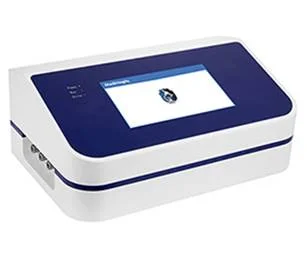
The testing methods meet the requirements of FDA and GMP regulations. They also meet the requirements of USP and EP. What’s more, MedIntegrity offers tech support, training, calibration services, and validation help. This makes them a complete solution provider that pharma labs all over the world trust.
Conclusion: Safeguarding Product Quality Through Rigorous Filter Testing
Filter integrity testing is a vital part of keeping patients safe. It helps guarantee zero microbial contamination in biopharmaceutical products. By adding strong testing protocols into the manufacturing flow and using good equipment, companies can follow all the regulations. They can also keep product quality high. Putting money into precise, compliant filter integrity testers is a smart move. It helps the company run smoothly. And it keeps patients safe.
FAQs:
Q1: How often should filter integrity tests be performed in biopharma production?
A1: As a rule, tests are done before (pre-use) and after (post-use) filtration for every production batch. Sometimes more testing is needed. This might happen during validation or regular equipment maintenance cycles.
Q2: Can automated filter integrity testers be used across different types of filters?
A2: Yes, they can. Top systems, such as those from MedIntegrity, are made to handle many kinds of membranes, sizes, and formats. And they do this while still following all the industry standards.
Q3: What makes MedIntegrity’s filter integrity testers suitable for GMP environments?
A3: The testers from MedIntegrity have great features. They offer very sensitive detection. They comply with 21 CFR Part 11, have automated reporting functions, and allow you to set your own test parameters, which makes them perfect for regulated pharmaceutical settings.

 Japanese
  English
  Russian
  Spanish
  Portuguese
  German
  French
  Italian
  Arabic
  Dutch
Dutch  Vietnamese
  Korean
  Malay
Malay  Thai
Thai