

How Freezing Point Osmometer Enhances Calibration Accuracy in Labs
How Freezing Point Osmometer Enhances Calibration Accuracy in Labs
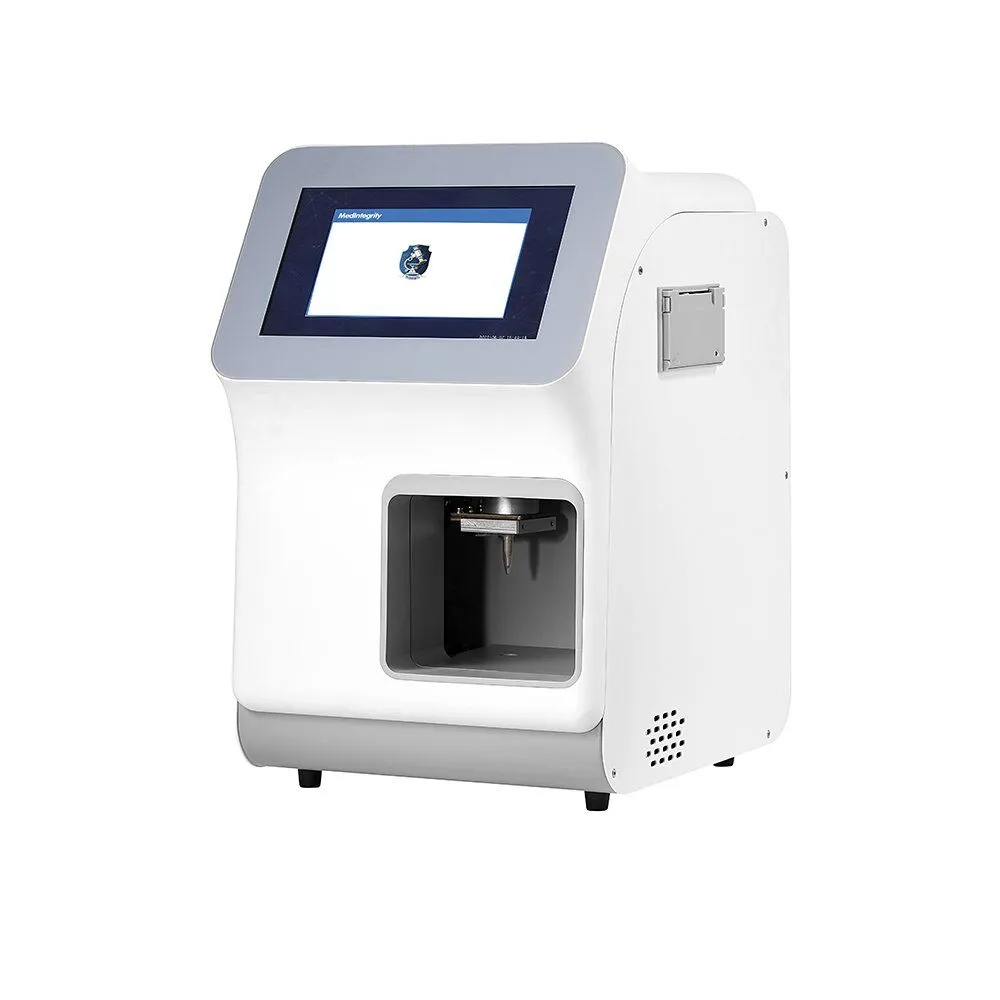
Freezing point osmometers serve as key analytical tools that assess osmolality by detecting the freezing point depression in a solution. This approach draws from colligative properties, meaning that added solutes reduce the freezing point based on their concentration levels. Freezing point osmometers stand out as the go-to choice in many medical areas, such as clinical chemistry, quality control labs, drug manufacturing, and pharmaceutical production. They provide quick, affordable, and exact measurements, which makes them vital in different lab fields.
The equipment uses thermoelectric cooling setups to quickly cause freezing and pinpoint the moment of phase change. Their benefits cover speedy and budget-friendly tests, top performance favored by the industry, tiny sample needs (just microliters), and a good fit for watered-down biological and water-based solutions. As a result, they work well for body fluids like serum and cerebrospinal fluid, plus drug mixtures that need tight osmolality oversight.
Why Is Calibration Critical in Laboratory Settings?
In regulated or busy labs, calibration forms the base for accurate analysis. Osmolality results shape medical choices, drug mix stability, and following industry rules. They aid in spotting electrolyte issues, like low sodium levels, high blood sugar, and other fluid or salt balance problems.
Calibration makes sure that freezing point osmometers give steady and exact data in various lab conditions. It backs up rules like GLP (Good Laboratory Practice), GMP (Good Manufacturing Practice), and ISO certifications. Moreover, regular calibration cuts down differences between machines and limits errors from different users. Labs can boost repeatability by fine-tuning calibration methods, which is key for checks by regulators and approving batches.
How Do Freezing Point Osmometers Enhance Calibration Accuracy?
Automation boosts calibration consistency by removing chances for hand-done mistakes. Today’s osmometers come with set programs that make calibration steps the same for all users and work periods. Ongoing advances in osmometer buildings have created tools that are more exact, quicker, and easier to use. When linked to Laboratory Information Management Systems (LIMS), these auto setups give trackable logs for calibration that are ready for reviews and follow electronic record rules.
Temperature Stability Ensures Measurement Integrity
Keeping a steady freeze setup is vital for dependable osmolality outcomes. Top osmometers use advanced thermoelectric cooling parts to avoid heat shifts during calibration runs. Now, some newer osmometers finish tests in seconds, offering high accuracy and steady results. Even thermal setups remove extra signals in measurements and help sameness across sample kinds, which matters a lot when looking at results over periods or across sites.
Multi-point Calibration Expands Instrument Validity
Osmometers with multi-point calibration options let users check the tool’s straight-line response over different osmolality levels, which proves helpful in drug labs with mixed recipes or medical spots with varied patient tests. Such multi-point steps spot shifts or off-track points early, so maintenance can happen ahead of time. They also build trust in data quality by checking tool reactions at low and high ends of the range.
Which Technical Features Support Superior Calibration Performance?
Strong osmometers need very small sample amounts—often just 20 µL—which helps a lot with rare body samples like cerebrospinal fluid or kids’ serum. Plus, adding microfluidics tech allows even tinier samples, cutting the need for much biological stuff in tests. This kind of keen sense aids regular calibration without wasting lots of supplies or key samples.
Built-in Quality Control Protocols Ensure Ongoing Verification
Lots of current freezing point osmometers have ready-made quality control (QC) steps that handle daily checks on their own. These setups send warnings for results outside limits, so people can fix issues fast before wrong data spreads to reports or production calls. Features like this match what regulators want for steady watching and record-keeping.
Compatibility With Biological Fluids and Industrial Solutions
Freezing point osmometers show a wide match with many sample types. They see heavy use in medical areas for finding and tracking illnesses. These cover plasma, urine, cerebrospinal fluid (CSF), along with drug shots and factory coolants. This range makes them perfect for main labs that handle various tests on one setup.
How Do Freezing Point Osmometers Support Regulatory Compliance?
Freezing point osmometers are built to match worldwide rules, like FDA 21 CFR Part 11 for digital signatures and check paths. They also follow USP <785> and EP 2.2.35 for osmolality checks. This fit ensures that calibration ways are solid in law and science for both medical tests and drug making.
Secure Data Management Protects Calibration Records
Following rules also depends on the safe care of digital files. Many top systems give locked data holding, user-level access limits, and full check paths to make sure only cleared people can view or change calibration notes. These tools help trace during reviews and keep data solid over the years.
How Can Osmometers Be Integrated Into Existing Laboratory Workflows?
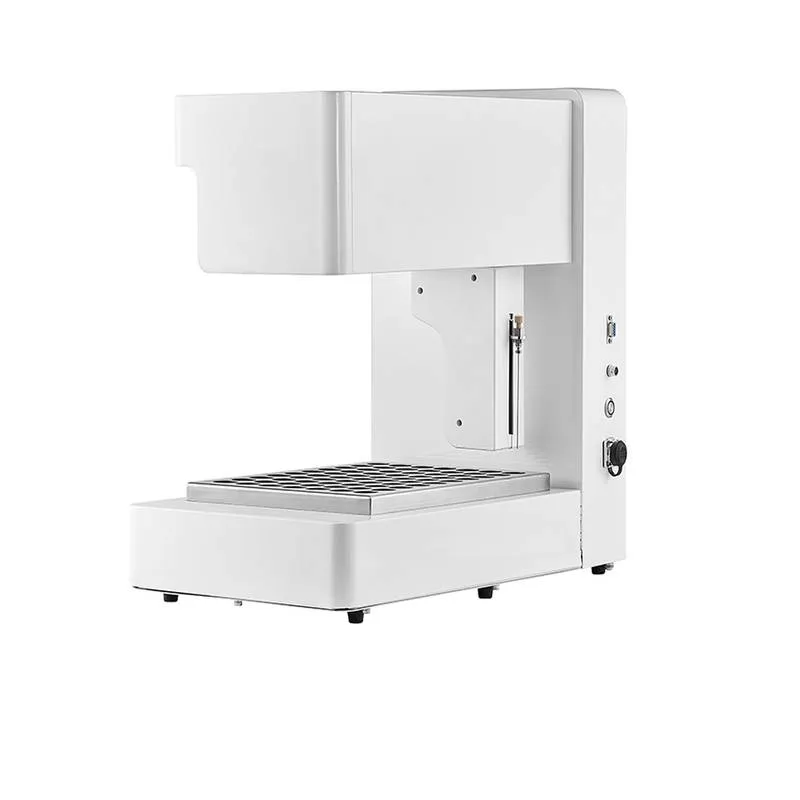
Current labs aim to mix high output with rule-following. Flexible osmometers with add-on samplers, such as the 자동 샘플러 AIS-7200, fit busy spots by allowing hands-free runs for long times. The autosampler pairs well with the TOC analyzer from MedIntegrity for handling many samples; it sets the sample height on its own, so workers avoid dull waits during analysis. These tools slip right into current systems without big changes to routines, giving options that grow for research and making labs alike.
Predictive Maintenance Minimizes Downtime
Premium models include check tools that watch part conditions live. These ahead-of-time signs warn about likely breakdowns—like sensor fade or cooling part wear—and let fixes happen on schedule without stopping calibration work. This forward way cuts machine stop times and keeps a steady rule-following.
Why Choose 메드인티그리티 as Your Equipment Partner?
메드인티그리티 brings a solid set of checked tools made for medical tests, drug making, and factory checks. The main products include: Filter Integrity Tester, Total Organic Carbon(TOC) Analyzer, Glove Integrity Tester, and Freezing Point Osmometer. Their freezing point osmometers aim to meet strict rule while giving great work through tech advances.
What makes MedIntegrity different is its focus on full support from picking products to after-service, plus sticking to world rules like GMP, ISO 9001, and GAMP 5. Their strong know-how positions them as a trusted choice for labs needing tools that drive accuracy in calibration. Feel free to contact MedIntegrity!
How Do Freezing Point Osmometers Contribute to Reliable Calibration?
Freezing point osmometers hold a main spot in giving true osmolality readings via steady heat control methods and auto routines. Their skill in doing multi-point calibrations makes sure tools stay in checked ranges as time goes on. Ready quality checks add to their worth by matching work with world rule standards.
These skills lead to better steadiness in many lab spots—from key health checks to clean drug making—while cutting how often recalibration happens thanks to better steady measurements. In essence, by combining precise cooling tech with smart automation, these devices ensure that every calibration step remains dependable, which in turn supports smoother operations and fewer errors in daily lab tasks. Furthermore, their design allows for easy adaptation to specific lab needs, whether in a fast-paced clinical environment or a controlled manufacturing line, thereby enhancing overall efficiency without compromising on the core principles of accuracy and compliance.
FAQ
Q1: What makes freezing point osmometers suitable for calibration-critical environments?
A1: Their skill in offering exact heat control and auto multi-point calibration steps gives steady work that’s key for important lab flows.
Q2: How often should a freezing point osmometer be calibrated?
A2: How often it needs calibration varies with how much it’s used, but usual checks happen weekly or monthly based on lab rules or maker advice.
Q3: Can freezing point osmometers handle viscous or particulate-laden samples?
A3: Most types work best with clear mixes; yet, filtering ahead or prepping samples might be needed for tricky types to stop sensor blocks.
 Korean
  English
  Russian
  Spanish
  Portuguese
  German
  French
  Italian
  Arabic
  Dutch
Dutch  Japanese
  Vietnamese
  Malay
Malay  Thai
Thai