

Total Organic Carbon Analyzer Key Principles and Analytical Techniques
Total Organic Carbon Analyzer Key Principles and Analytical Techniques

Total Organic Carbon (TOC) means the quantity of carbon tied up in organic substances inside a sample. As a key measure, it gauges the organic material in water. This acts as a quick sign of contamination in many fields. A TOC tester, or Total Organic Carbon tester, is a lab device built to check the total organic carbon level in water. It shows the full amount of organic stuff in water based on carbon amount.
This check goes beyond simple interest in science. It affects product standards, patient well-being, and rules for the environment. In drug making, TOC keeps the cleanliness of Water for Injection (WFI) and Purified Water (PW). In studies of nature, it aids in judging dirt levels in drinking water and waste water. The TOC value serves as a fast-check broad sign. It often forms a main base for judging how much organic dirt exists in water areas.
Why Do Regulatory Bodies Demand TOC Analysis?
Groups like the FDA and EPA require TOC checks in drug and nature systems to apply Good Manufacturing Practices (GMP) and health rules for the public. Following USP <643> or like guides needs proven TOC testing setups that guarantee exactness, rightness, and trackability. In drug labs where no germs matter most, TOC checks add to germ-free filtering by proving no leftover organic items taint the water setups. Keeping the work of germ-free filtering is vital in studies and drug lab tasks. If you skip it, you face dirt risks that might harm products or make study outcomes wrong.
How Do Total Organic Carbon Analyzers Actually Work?
TOC analyzers work by turning organic carbon into carbon dioxide (CO₂), and then they gauge the CO₂ amount with either infrared uptake or conductivity. This method often begins with making the sample acidic to remove inorganic carbon types like carbonates and bicarbonates.
The common way to find it is the combustion oxidation–non-dispersive infrared absorption method. This step makes sure you measure only real organic content without mix-ups from inorganic parts.
Which Oxidation Techniques Are Used—and When Should You Use Each?
High-temperature combustion means turning samples at above 680°C with helpers like platinum or chromium sesquioxide. In hot conditions of 900–950°C, with platinum and cobalt trioxide or chromium sesquioxide as helpers, the organic stuff in the water sample burns and breaks to turn into carbon dioxide. This way fits well for samples with bits or tough setups because of its strong turning power.
Why Is UV-Persulfate Oxidation Preferred for Ultrapure Water?
This way uses ultraviolet light along with persulfate chemicals to turn organics at room heat. It suits best for very clean uses—like in chip making or drug water—where you need to spot low TOC levels keenly.
What About Wet Chemical Oxidation—Is It Versatile Enough?
Wet chemical oxidation applies heat and chemical turners like sodium persulfate. It bends for different sample kinds but might need more upkeep because of handling chemicals and often cleaning.
How Is TOC Quantified After Oxidation?
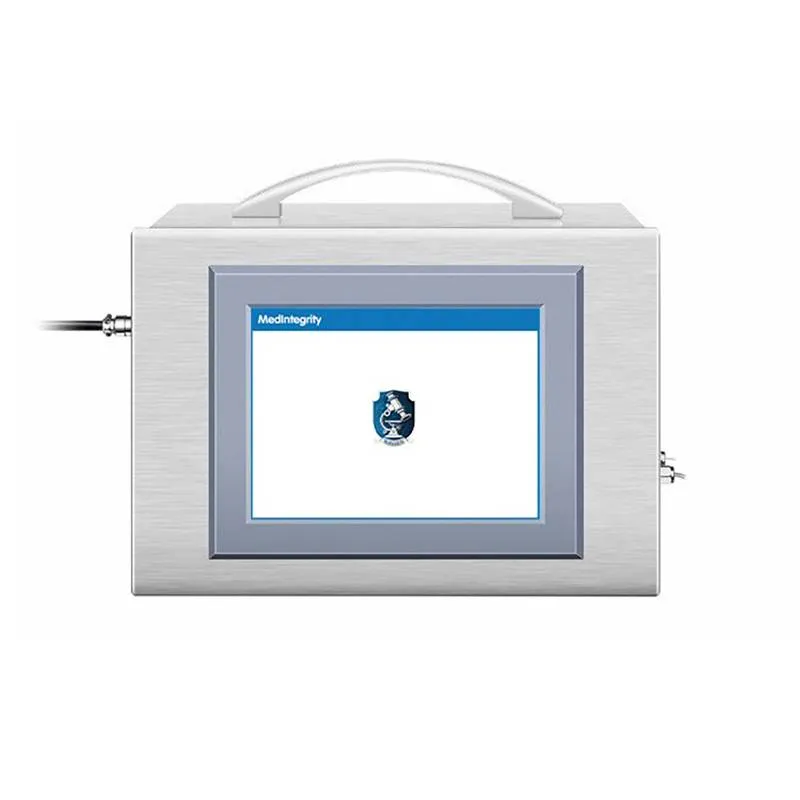
Non-dispersive infrared (NDIR) sensors check CO₂ amounts based on their infrared uptake pattern. This way gives strong keenness and clearness—perfect when your tasks need strict watch over low TOC levels.
Can Conductivity Detection Offer Better Precision for Ultrapure Systems?
Yes, it can. Conductivity-based checking looks at shifts before and after turning. This skill shines in very clean water setups where even tiny dirt can cause big problems. It often appears in making electronic parts where trace organics hurt output.
What’s Involved in Maintaining Accurate TOC Measurements?
Steady calibration with proven standard items makes sure your TOC analyzer stays right over many concentration levels. Without good calibration, even top tools can shift with time, causing wrong numbers and rule breaks.
What Regulatory Standards Govern Instrument Validation?
Proving should follow plans like USP <643>, which ask for tests on straightness, exactness, rightness, limit of detection (LOD), and limit of quantitation (LOQ). These factors make sure your analyzer works steadily in needed specs.
How Should You Maintain a TOC Analyzer for Long-Term Reliability?
Regular upkeep means cleaning turning areas, swapping chemicals, testing detector work, and updating programs. These actions stop problems like base line shift, blocked sample routes, or wrong numbers—above all when checking tough setups.
Where Are TOC Analyzers Most Commonly Used?
In GMP-ruled places, cleaned water and WFI must hit strict quality marks. TOC testers check for organic dirt in drug water to keep drug quality and safety. Steady TOC watching makes sure you meet drug book rules while cutting risks in making.
What Role Does TOC Play in Environmental Monitoring?
Nature labs use TOC checks to follow dirt in river water, ground water, sea water, and waste from waste water plants. By spotting with TOC testers, you grasp the dirt state of water areas soon, giving data help for nature guard and rule.
Why Is Ultrapure Water Monitoring Vital for Semiconductor Manufacturing?
Even small organics can spoil chip board tasks. Chip plants count on TOC analyzers with high keenness to make sure very clean water hits super-low dirt marks key to high-output tiny electronics making.
What Challenges Might You Encounter in TOC Analysis?
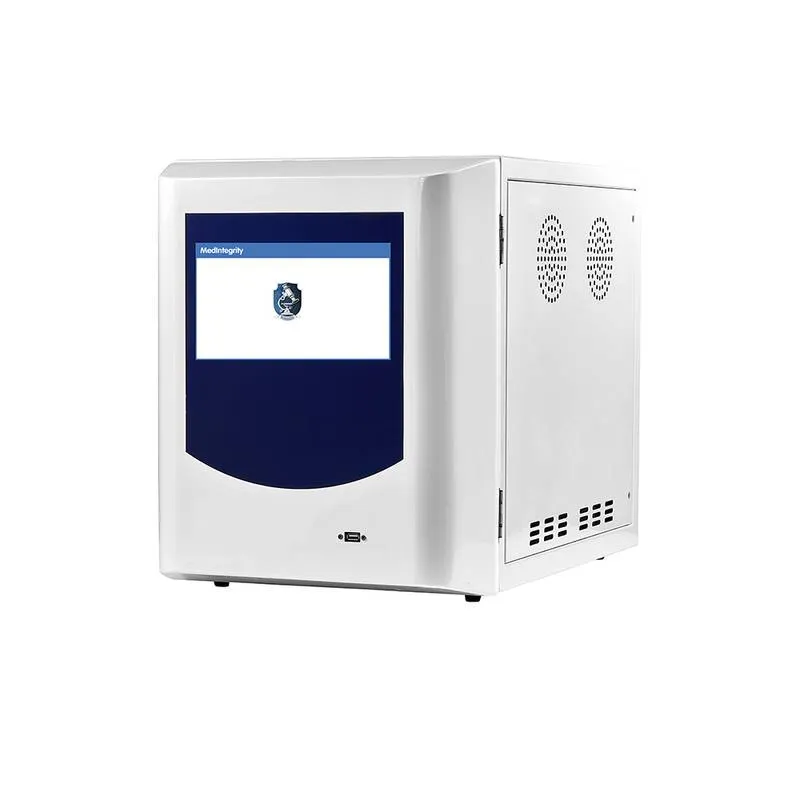
Samples with lots of bits or salt can cut turning strength or mix with check signals. Pre-handling samples or picking strong turning ways like high-temperature combustion can ease this.
How Do You Manage Instrument Drift Over Time?
TOC analyzers can face signal shift if not calibrated or kept up often. This holds true when gauging low-level amounts where base steadiness matters most.
What Technological Advances Are Improving TOC Testing?
New systems now mix auto-takers, far watching, and live data noting. These traits boost work and cut hand errors—key for labs doing hundreds of samples each day.
Are Portable Analyzers Reliable Enough for Field Use?
Yes, they are. Portable TOC Tester has traits of small size, light weight, and easy carry, and it suits quick checks in fields or on spots. These small systems keep check rightness while allowing fast spot testing—great for nature groups and quick help teams.
Why Partner with MedIntegrity for Your TOC Analyzer Needs?
For experts wanting strong tools fit for key uses—drug QC labs, nature watch spots, factory waste water checks—you can trust MedIntegrity’s Total Organic Carbon Analyzer. Their gear is made for exactness and rule following over varied sample kinds. 메드인티그리티 gives more than tools—they give calm mind. Whether you tune process water watching or spot-test river samples for dirt rule, this steady partner makes sure your lab runs with work and sureness.
FAQ
Q1: What is the difference between TC (Total Carbon), IC (Inorganic Carbon), and TOC?
A1: TC covers both inorganic carbon (IC) like carbonates/bicarbonates and organic carbon (TOC). TOC comes from taking IC from TC after right acid stripping or separate check steps.
Q2: How often should a TOC analyzer be calibrated?
A2: Calibration timing relies on use strength but usually goes from weekly to monthly; it should also heed maker tips or inner SOPs matched to rule guides.
Q3: Can a single analyzer handle both low-level ultrapure water samples and high-content wastewater samples?
A3: Some top models give dual-range skills or auto-dilute traits; yet, picking an analyzer tuned for your set concentration range makes better rightness and life of tool parts.

 Korean
  English
  Russian
  Spanish
  Portuguese
  German
  French
  Italian
  Arabic
  Dutch
Dutch  Japanese
  Vietnamese
  Malay
Malay  Thai
Thai