

Choosing the Right Mode for Total Organic Carbon Analyzers in Advanced Applications
Choosing the Right Mode for Total Organic Carbon Analyzers in Advanced Applications
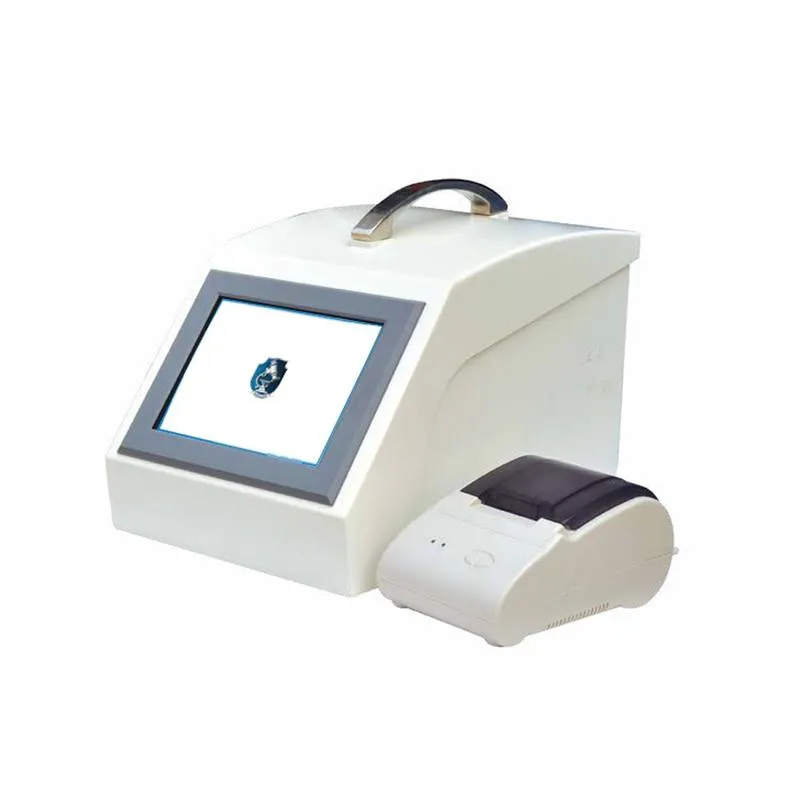
In settings where keeping contamination in check is essential—like in pharmaceutical production, semiconductor manufacturing, and environmental laboratories—tracking total organic carbon (TOC) stands out as a vital operational factor. A TOC tester, or Total Organic Carbon tester, serves as a specialized scientific device built to gauge the total organic carbon level in water. It shows the overall quantity of organic material in water, expressed as carbon amount. These devices go beyond simple diagnostics; they enable compliance and are crucial for meeting rules like USP <643>, EP 2.2.44, and FDA guidelines.
Because of its resistance to disruptions from halides and hydrocarbons, this tool holds a significant position in various sectors. Key performance aspects that determine a TOC analyzer’s worth consist of sensitivity, throughput, and reproducibility—elements that directly affect product quality and how efficiently operations run.
What Parameters Influence the Choice of TOC Measurement Mode?
TOC analysis does not suit every situation equally. Things like the complexity of the sample matrix, the anticipated organic load, and the needed detection levels decide which working mode will deliver the best results. For example, monitoring ultrapure water calls for sensitivity below ppb levels. On the other hand, analyzing industrial effluent needs tough systems that can manage high levels of solids or salts. Expectations for throughput—whether batch testing or ongoing monitoring—also shape the need for automation features.
Modes of Operation for Total Organic Carbon Analyzers
HTC remains the top choice for strength and flexibility. In conditions of high temperatures around 900 – 950°C, with catalysts such as platinum and cobalt trioxide or chromium sesquioxide, the organic substances in the water sample undergo combustion and breakdown to form carbon dioxide. This approach works very well for samples that contain particles, lots of salt, or hard-to-break-down organics. When fitted with Non-Dispersive Infrared (NDIR) detection setups, HTC-based tools like the TA-200 TOC Analyzer deliver strong sensitivity over a wide range of measurements.
Is UV Persulfate Oxidation Ideal for Clean Water Systems?
Indeed, particularly for ultrapure water (UPW). This method at lower temperatures employs UV light along with chemical oxidants to gently decompose organic molecules. It produces very little background interference and involves less upkeep, which suits cleanroom setups in areas like semiconductors and biotechnology.
Where Does Supercritical Water Oxidation (SCWO) Excel?
SCWO shines in industrial uses that deal with stubborn or dangerous organic compounds. It functions under conditions past water’s critical point, ensuring full oxidation with outstanding effectiveness. Although it calls for advanced high-pressure gear, its ability to oxidize nearly everything completely makes it extremely useful for waste handling and meeting environmental rules.
Is Wet Chemical Oxidation Still Relevant?
Yes—for lab environments that are controlled, with fairly simple matrices and modest TOC amounts. This mode depends on powerful chemical oxidants yet skips any heat application, so it proves economical and easy to handle in situations with low sample volumes.
Comparative Evaluation of TOC Analyzer Modes Based on Application Needs
In environments governed by GMP, sticking to USP <643> and EP 2.2.44 takes top priority. UV Persulfate oxidation works best for Water for Injection (WFI) setups because of its very low detection thresholds and clean chemical process. That said, HTC mode offers a sturdier choice when processing water that includes changing organic levels or particles.
What’s Best for Semiconductor Manufacturing?
The quality of ultrapure water ties directly to wafer production success. UV Persulfate oxidation provides excellent stability in baselines and extremely low detection limits, which this field requires. Plus, linking it with autosamplers boosts efficiency in places that process many samples continuously.
Which Mode Handles Environmental Samples Most Effectively?
Monitoring the environment frequently deals with tricky matrices—such as surface water, groundwater, or discharges from industry—that show wide swings in TOC levels. HTC mode fits perfectly here thanks to its tolerance for different matrices and dependable oxidation performance. SCWO steps in as essential when focusing on tough compounds like chlorinated solvents or polyaromatic hydrocarbons.
What Operational Factors Should Be Considered When Selecting a TOC Mode?
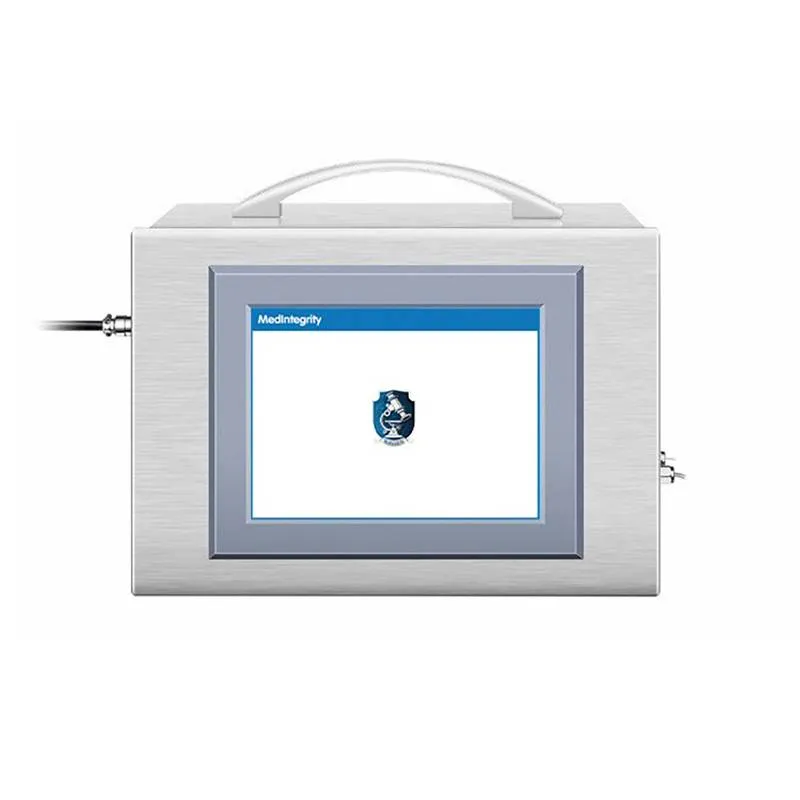
The demands for throughput determine if a lab picks an online system or a batch analyzer equipped with autosampler options. Online TOC testers bring benefits like strong automation and prompt data sharing, allowing quick responses to shifts in water quality so teams can act right away. Modular analyzers provide ways to scale up as lab tasks grow over time.
What Are the Maintenance and Cost Considerations?
Systems using HTC need occasional catalyst changes, but they hold up well over the long haul. UV Persulfate setups involve lighter maintenance yet call for steady reagent refills. The high-pressure nature of SCWO means more thorough care, but its full oxidation power makes that effort worthwhile.
How Does Data Integrity Impact Regulatory Compliance?
Elements such as audit trails, controls for user access levels, and protected electronic records prove vital for following regulations. These testing approaches meet the demands of FDA and GMP rules, along with USP and EP standards. When systems connect to LIMS platforms, they improve tracking and make audits simpler—a big plus in pharmaceutical production.
MedIntegrity: Your Analytical Partner in Precision Instrumentation
When exactness cannot be compromised, reliable know-how counts a great deal. That explains why top labs rely on MedIntegrity. With more than 15 years dedicated to advancing pharmaceutical equipment, MedIntegrity supplies customized solutions for quality control, environmental checks, and cleanroom validation. Their range features state-of-the-art TOC analyzers, including the V8.0 Series and TA-200, all crafted to align with FDA, USP <643>, EP 2.2.44, and GMP requirements.
MedIntegrity goes further than just devices by providing sophisticated tools like the RTP Integrity Testing System—a dedicated instrument for checking sterile transfer port integrity in Alpha/Beta containers through techniques such as pressure decay and flow testing. The Medintegrity RTP Testing System stands as an effective device for integrity checks on transfer ports in sterile areas, created to guarantee secure material movement between cleanrooms in pharmaceuticals, biologics, and other life sciences fields.
Key Considerations When Choosing the Right TOC Analyzer Mode
Selecting the best TOC analyzer mode involves matching the core advantages of each oxidation technique to particular application requirements—spanning from matrix complexity and regulatory limits to sample quantities and automation needs. No matter if the focus lies on detecting tiny amounts in cleanrooms or handling high volumes steadily in wastewater labs, picking the proper mode guarantees precise analysis and dependable operations.
FAQ
Q1: Can I use the same TOC analyzer across different sample types?
A1: Certain advanced analyzers allow multiple modes or swappable modules; nevertheless, the best results come when the mode matches the specific traits of the sample matrix.
Q2: What factors affect detection limits in TOC analysis?
A2: Detection limits hinge on oxidation effectiveness, the sensitivity of the detector (such as NDIR), how well the instrument handles sample volumes, the purity of reagents (in chemical approaches), and the steps for instrument calibration.
Q3: How often should I perform maintenance on a high-temperature combustion TOC analyzer?
A3: The schedule for maintenance depends on how intensely the device is used, but it usually covers checks for catalyst replacement every quarter, inspections of the combustion tube yearly, and consistent verification of calibration to keep accuracy up to standard.

 English
  Russian
  Spanish
  Portuguese
  German
  French
  Italian
  Arabic
  Dutch
Dutch  Japanese
  Vietnamese
  Korean
  Malay
Malay  Thai
Thai