

Freezing Point Osmometer vs. Vapor Pressure Osmometer: A Comprehensive Comparison for Osmometry
Freezing Point Osmometer vs. Vapor Pressure Osmometer: A Comprehensive Comparison for Osmometry

Osmometry is a very important analytical process in both medical diagnostics and industrial settings. It allows laboratories to figure out the osmolality of fluids. This is a key measure for checking solute concentrations in solutions. What’s more, this value is crucial for watching physiological and chemical processes.
Osmometers are key analytical tools used to measure the osmotic strength, or osmolality, of a solution. They do this by finding the solute content in different biological samples like human tears, blood plasma, and urine. Because of this, they have a big role in many fields.
Role of Osmometers in Clinical and Research Applications
Osmometers are widely used across different areas. For instance, in clinical labs, they help diagnose conditions such as hyponatremia, hypernatremia, and dehydration. In the medical world, osmometer readings give useful information for the quick diagnosis of many sicknesses. This includes electrolyte problems like hyperchloremia, hyperkalemia, and hypernatremia. They also help in pharmaceutical development by checking the isotonicity of injectable drugs and testing the osmolality of cell culture media. Besides, osmometers are more and more being used for quality checks in different consumer goods, such as isotonic drinks and sports beverages.
Types of Osmometers Used in Laboratories
Laboratories mainly use three kinds of osmometers: freezing point, vapor pressure, and membrane types. But, freezing point osmometers and vapor pressure osmometers are the most common. This is due to their good fit with usual sample types.
Freezing point osmometers are the most frequently used kind in many medical places, including clinical chemistry, quality control labs, drug making, and pharmaceutical production. On the other hand, vapor pressure osmometers measure a solution’s osmotic strength based on the vapor pressure drop caused by the solutes. The choice between them rests on sample makeup, needed accuracy, and throughput demands.
Principles Behind Freezing Point Osmometers
Freezing point osmometry is one of the most dependable methods for finding osmolality across a broad range of biological fluids.
How Freezing Point Depression Measures Osmolality
The method is based on colligative properties—in particular, freezing point depression. Solutes get in the way of a solvent’s freezing process. This lowers its freezing temperature in proportion to their concentration. So, they work on the idea that a solution’s osmotically active parts lower its freezing point. This makes freezing point osmometers a great fit for complex fluids like serum, plasma, and urine.
Core Components and Operational Mechanism
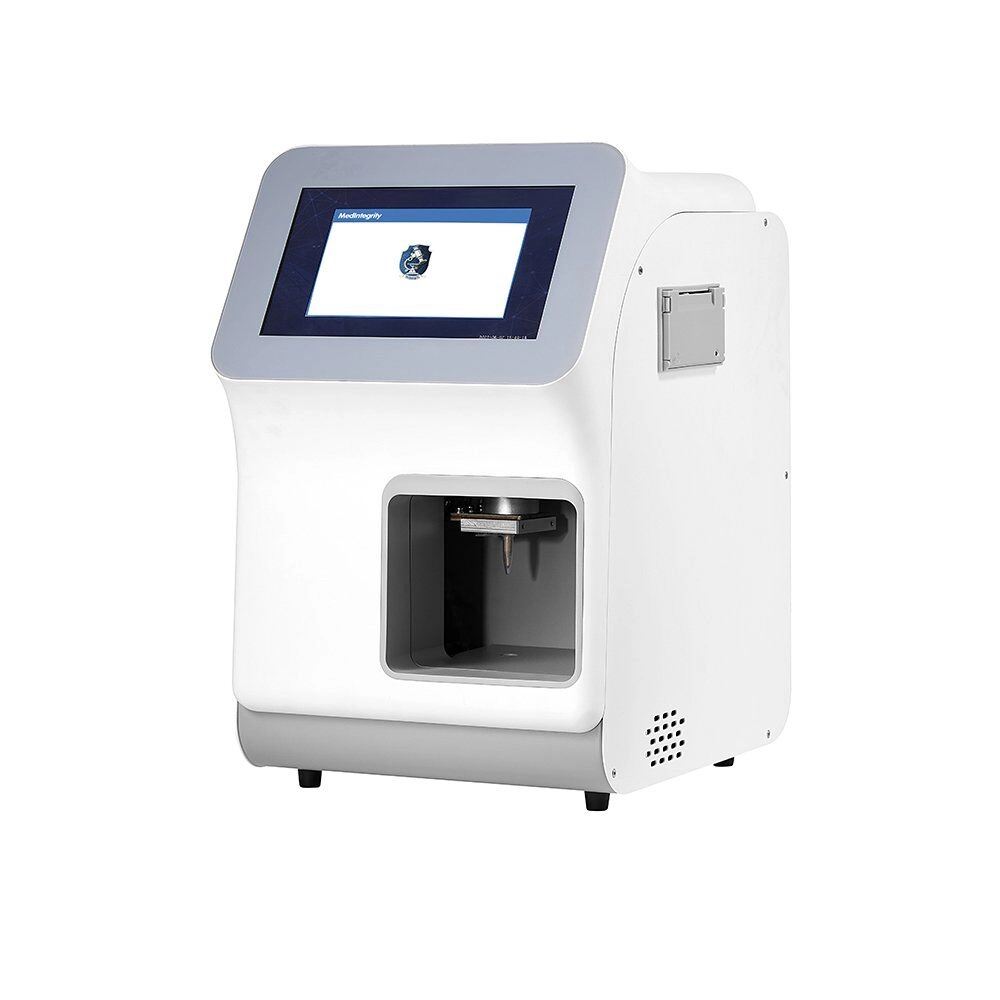
These devices have key parts like a cooling chamber, a thermistor probe, and a sample holder. The fluid is supercooled. Then, it is mechanically pushed to crystallize. Once it freezes, the thermistor precisely logs the equilibrium temperature. A digital screen then reads this temperature and automatically turns it into an osmolality value, which makes sure it’s accurate. Their benefits include quick and cheap measurements, industry-liked performance, small sample needs (in microliters), and being great for diluted biological and watery solutions.
Principles Behind Vapor Pressure Osmometers
Vapor pressure osmometry is another well-known way, especially liked for fast analysis when the sample type works for it.
Measuring Vapor Pressure to Determine Osmolality
This method relies on measuring dew point depression. This is caused by solutes lowering the vapor pressure over a liquid. The machine figures out osmolality based on dew point temperature changes above the fluid sample. Thus, they are good for samples that might be hard to measure with freezing point osmometers, like those with high viscosities.
Key Features and Functional Workflow
Vapor pressure osmometers use thermoelectric cooling along with dew point sensors. Their small design helps with quick testing with sample amounts as small as 10 µL. However, they are used less often than freezing point osmometers. This is mainly because they are sensitive to volatile stuff in a sample, which can give wrong results and limit where they can be used.
Comparative Analysis: Freezing Point vs. Vapor Pressure Osmometers
Knowing how these two methods compare can help laboratories make smart choices.
Accuracy and Reliability Across Sample Types
Freezing point osmometers give great accuracy for biological fluids. Their measurements are mostly not affected by proteins or other big molecules. In contrast, vapor pressure osmometers might give wrong readings when volatiles are present.
Sample Volume Requirements and Handling Efficiency
Vapor pressure models are great when very little sample is available. This is perfect for research uses with few specimens. On the other hand, freezing point instruments need a bit more volume but are strong enough to deal with different sample types.
Maintenance, Calibration, and Durability Considerations
Freezing point systems need cleaning and calibration often because of the crystallization process. Even though they are used a lot, they can have problems with samples that are very thick or have particles. Vapor pressure units have fewer moving parts. But, they are more sensitive to outside conditions like humidity.
Application Suitability in Clinical vs. Industrial Settings
In clinical labs that test blood or urine, freezing point osmometry is still the top choice because it’s dependable with all kinds of fluids. For industrial quality control or drug batch testing where speed is important and samples are simple, vapor pressure options might be enough.
Advantages and Limitations of Each Methodology
Each osmometer kind has its own good points and bad points depending on what it’s used for.
Strengths of Freezing Point Osmometers
Freezing point osmometers work with a lot of samples—including cloudy or protein-heavy fluids—and give very precise results all the time. In clinical labs, they are often used for normal checks of serum and urine osmolality values. This helps with diagnoses from kidney problems to toxic alcohol drinking.
Limitations of Freezing Point Technology
The biggest downsides are slightly longer processing times because of the crystallization steps. They also have higher maintenance needs compared to simpler vapor-based systems.
Benefits of Vapor Pressure Osmometers
These devices provide quick analysis times. They need very little sample prep. Their small design means they can be used in busy places or in labs with little space.
Drawbacks Associated with Vapor Pressure Measurement
Their main weakness is their sensitivity to volatile substances in the sample, such as alcohols. These can mess with dew point detection and lead to very wrong results. Also, protein-heavy fluids can also interfere with dew point detection accuracy.
Choosing the Right Osmometer for Your Laboratory Needs
When picking between freezing point vs. vapor pressure osmometry, it’s vital to think about your work demands and sample types.
Factors to Consider Before Making a Purchase Decision
If your lab mostly tests serum or plasma samples and needs high accuracy with different biological materials, freezing point osmometers are a better choice. For small-volume uses where speed and simplicity are key—like testing drinks or certain drug screenings—vapor pressure systems might be perfect.
Also think about long-term costs. Vapor models may need less upkeep but are sensitive to their surroundings; freezing units need regular cleaning but can be used more broadly.
Recommendations Based on Use Case Scenarios
For clinical laboratories that focus on blood or urine diagnostics, freezing point technology is better. This is due to its precision with complex samples. Pharmaceutical quality control labs might like vapor pressure systems better when testing simple formulas quickly. In food industry places where drink osmolality must be checked without volatiles, vapor pressure instruments can be very efficient.
MedIntegrity: Trusted Supplier for Laboratory Equipment Solutions
Laboratories looking for trustworthy osmometry solutions will find it helpful to work with known providers like MedIntegrity.
Company Background and Commitment to Quality
MedIntegrity focuses on lab instruments including osmometers, centrifuges, incubators, and more. It provides FDA-cleared equipment that comes with technical support and warranty services.
Product Portfolio Featuring Freezing Point Osmometers
It supplies different models made for clinical diagnostics or industrial uses. It also provides calibration standards, accessories, and user training materials on its website: www.medintegrityllc.com
Summary Comparison Between Freezing Point and Vapor Pressure Methods
When choosing between osmometer technologies, it’s important to match each method’s abilities with your lab’s needs.
Key Differences at a Glance
- Measurement Principle: Crystallization (Freezing) vs. Dew Point Detection (Vapor)
- Accuracy Range: High (Freezing) vs. Moderate (Vapor)
- Sample Compatibility: Broad (Freezing) vs. Limited by Volatiles (Vapor)
- Speed & Maintenance: Faster (Vapor) vs. More Accurate (Freezing)
FAQs:
Q1: Can I use vapor pressure osmometry for testing serum or plasma?
A: It is not a good idea. These fluids often have proteins and can have volatiles (e.g., from drinking alcohol) that mess with dew point measurements. Freezing point osmometry is more accurate for such samples.
Q2: What maintenance does a freezing point osmometer typically require?
A: Common tasks are cleaning the probe chamber regularly, doing calibration checks with standard solutions, and making sure crystallization happens correctly during use.
Q3: Does MedIntegrity provide user training or technical support after purchase?
A: Yes, MedIntegrity gives full customer support. This includes installation help, user training guides, calibration standards, and continuing technical help through their website.

 English
  Russian
  Spanish
  Portuguese
  German
  French
  Italian
  Arabic
  Dutch
Dutch  Japanese
  Vietnamese
  Korean
  Malay
Malay  Thai
Thai