
How Total Organic Carbon Analyzer Enhances Lab Compliance and Accuracy
How Total Organic Carbon Analyzer Enhances Lab Compliance and Accuracy
 Total Organic Carbon analyzers play a key role in pharmaceutical labs. They help ensure rules are followed, results are correct, and products stay safe. These tools offer exact, instant checks on organic impurities in Purified Water and Water for Injection setups. This directly aids in meeting pharmacopeial rules like USP, EP, and JP. It also supports GMP needs for cleaning checks. With strong detection, clear facts, and automatic, trackable records, TOC analyzers boost test precision. They simplify tasks, cut delays, and allow early risk handling. In the end, they protect drug standards and patient health.
Why Are Total Organic Carbon Analyzers Critical in Pharmaceutical Laboratories?
You work in a field where exactness and cleanliness matter a lot. In pharma labs, Total Organic Carbon analysis holds a main spot in keeping these levels. A TOC tester is a lab device made to check the full organic carbon amount in water. This measure is crucial for judging impurity levels. It also confirms that water for making and washing fits rule limits.
In setups like Purified Water (PW) and Water for Injection (WFI), small organic leftovers can harm product safety. TOC analyzers spot organic impurities. These may come from wash chemicals, starting materials, or germ growth. Plus, they are vital for checking Clean-in-Place (CIP) steps. This helps confirm if wash plans fully remove leftovers before the next making round starts.
Following world pharmacopeial rules—USP <645>, EP 2.2.44, and JP 16—is a key reason to use TOC testing. These rules demand strict water quality checks. They make sure batches stay whole and patients are safe.
What Regulatory Pressures Are Driving TOC Adoption?
As a pharma expert, you know the rule scene well. Groups like the FDA and EMA want ongoing checks on water quality. This is especially true for key systems. Good Manufacturing Practices (GMP) stress the need for proven wash methods. TOC analysis forms a base for this check process.
In truth, TOC testers find organic wastes in pharma water. They ensure drug quality and safety. Adding them to quality control matches ICH Q6A guides. These call for solid test steps for details like purity and impurity handling.
How Do TOC Analyzers Improve Analytical Accuracy?
TOC analyzers are built for strong detection. They can find very low levels of organic carbon—often to parts per billion. This exactness is vital in pharma uses. Even tiny impurities can cause big batch issues or recalls that cost a lot.
Current lab TOC analyzers use modern burn methods. These include high-heat burning or UV/persulfate ways. At high heats of 900 – 950°C, with catalysts like platinum and cobalt trioxide or chromium sesquioxide, the organic parts in the water sample burn and break. They turn into carbon dioxide. Then, an infrared gas checker measures the CO₂. This gives a true TOC count.
You gain from instant check features. They cut the wait between finding and fixing. Also, these setups can tell organic from non-organic carbon parts. This lets you plan fixes that target issues better.
How Do They Support Data Integrity and Traceability?
Fact correctness goes past just measuring. It also relies on tracking. TOC analyzers now have auto record features. These cut errors from hand input. When linked to Laboratory Information Management Systems (LIMS), the tools make safe, check-ready files.
This helps ALCOA+ ideas—Attributable, Legible, Contemporaneous, Original, Accurate. It makes sure your fact handling fits inner SOPs and outer checks. As you grow work or get ready for reviews, auto papers build trust and speed.
Can TOC Analyzers Help Strengthen Laboratory Compliance?
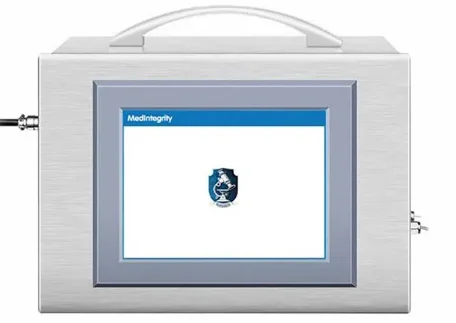
Old ways to check leftovers, like wiping or looking by eye, take time and can be biased. But TOC analyzers give clear, number-based outcomes. You can fast check if rinse water after washing meets clean standards before using gear again.
This cuts out guessing. It also lowers need for hard work methods. Most key, it lets you quick switch between making batches. You do this without risking rules or product wholeness.
How Do They Maintain Water Quality in Lab Operations?
Water setups can spread impurities if not watched right. TOC analyzers offer steady watch over WFI and PW systems. Their skill to spot jumps in organic load allows early fixes. This often happens before germs grow too much.
Online TOC testers bring high auto work and quick fact sending. They can fast report water quality shifts. So, you take right steps soon. If you do steady tests, mix reagents, or make final items, steady water quality keeps your lab in line for all uses.
What Operational Advantages Do TOC Analyzers Offer?
When you add a total organic carbon analyzer to your lab flows, you lower chances of failed wash checks. Those can cause pricey stop times. Auto watching means less hand sampling and fewer needs to test again.
You also get speed gains. Instant facts allow quick choices. This lets you shift from batch to batch with sureness. In a cost-watch field like pharma making, these work gains hit the profit line straight.
How Do They Support Risk-Based Quality Management?
By allowing steady watching and pattern checks, TOC analyzers let you use forward impurity control steps. You do this instead of after-the-fact fixes. This matches Quality by Design (QbD) plans well. They focus on process watch over end checks.
Plus, some top systems aid Real-Time Release Testing (RTRT). They give quick views into water setup work. This cuts load on final checks. Yet, it still meets tight rule hopes.
What Should You Look for in a High-Performance TOC Analyzer?
Your lab likely deals with many sample kinds—from super-clean water to tricky rinse mixes. So, a top analyzer must have a broad range and low find limits. These fit pharma-grade needs.
Laboratory TOC Tester often shows higher correctness and more detailed tasks. It can check many factors. Burn methods like UV/persulfate or high-heat burning are favored. They work well and fit wide uses.
What About Integration, Ease of Use, and Maintenance?
To cut training time, pick models with simple screens and step-by-step flows. Far watch options help too. They are good for handling many lab spots or working with few staff.
Seek fit with LIMS or SCADA systems for smooth link to your digital setup. For upkeep, look for auto tune and self-check features. They lower tool stop times and fix costs.
MedIntegrity: Your Partner in Regulatory-Grade Lab Equipment
When picking a seller for your test needs, trust and rule match matter a lot. That is why many pharma experts rely on MedIntegrity. The company is a top giver of lab gear made just for ruled settings. If you want to better your wash check steps or boost water quality tests, their line has high-exact tools. They come with full setup, tune, training, and steady help services.
Their focus on rule-ready answers makes them a great match for pharma labs. These labs aim to build QA/QC steps. Find out how MedIntegrity can lift your lab’s work strength here.
FAQ
Q: What is the primary function of a Total Organic Carbon analyzer in pharmaceutical labs?
A: TOC analyzers count the full carbon in organic mixes in water samples. They make sure pharma-grade water hits purity needs set by rule groups.
Q: How often should a TOC analyzer be calibrated or maintained?
A: Tune timing depends on the exact model and how much it is used. But most makers suggest regular upkeep checks every three months or twice a year. Some systems have auto-tune parts that make this easier.
Q: Can a TOC analyzer be used across different stages of pharmaceutical manufacturing?
A: Yes, TOC analyzers are flexible tools. They help in raw material checks, wash proof, setting watches, and final product okay steps. This ensures impurity control over the whole making life.
 English
  Russian
  Spanish
  Portuguese
  German
  French
  Italian
  Arabic
  Dutch
Dutch  Japanese
  Vietnamese
  Korean
  Malay
Malay  Thai
Thai