

How to Specify Filter Integrity Tester Integration for Pharmaceutical Filtration Skids
How to Specify Filter Integrity Tester Integration for Pharmaceutical Filtration Skids
A filter integrity tester integration RFQ starts with the job the connection must do. A skid OEM ordering a way to collect reports has a different task from an OEM requesting interaction with a process sequence. Both may use the word integration. The quotation needs a more specific description: what passes between the tester and the other system, where it goes, and what happens next.
For Medintegrity V10, the starting point is a discussion of the required interface and the instrument configuration offered for it. Procurement needs the resulting work allocation as well as the equipment price. The review below separates record transfer from sequence interaction, then follows the exchange through normal operation, interruptions, and support.
Fix the test duty before discussing connectivity
The filter and intended test come first: method, wetting conditions, connections, and acceptance information. The pharmaceutical filter integrity testing methods overview supplies background for the discussion. It cannot supply limits for an unspecified filter. Once the test duty has been assessed, the OEM can identify how the tester will connect to the proposed assembly.
A drawing helps allocate preparation, valves, gas supply, venting, and drainage. Some tasks may stay under local operation, while others belong to the skid. The quotation should make that division visible. A task left unnamed can otherwise become an assumed instrument function, even though no supplier has priced or agreed to supply it.
Choose the filter integrity tester integration scope
Two scoping examples help separate a reporting task from a control request. They describe possible RFQ requirements rather than completed V10 installations. Each gives the tester supplier a concrete question to answer before the OEM compares prices.
Record transfer without process commands
A records-only inquiry can retain local test initiation and state that remote process commands are outside the requested scope. Four entries then define the transfer task:
- Record: identify the completed test information required at the destination.
- Association: state the filter, batch, or program references required, with available fields to be confirmed.
- Destination: identify the receiving review or archiving workflow.
- Receipt: agree how arrival of the required information will be confirmed and who resolves a missing record.
Status exchange or sequence interaction
A process-interaction request adds actions and permissions. Its exchange list can distinguish the following items before the supplier confirms what is available or requires project work:
- Request: the action being asked of the tester and the party authorized to ask.
- Acknowledgment: the response confirming how the request has been handled.
- Outcome: the meaning of test complete or result available, separate from confirmation that a record arrived.
- Exception: the information or response required when the intended exchange cannot be completed.
Relate V10 interfaces to the proposed exchange
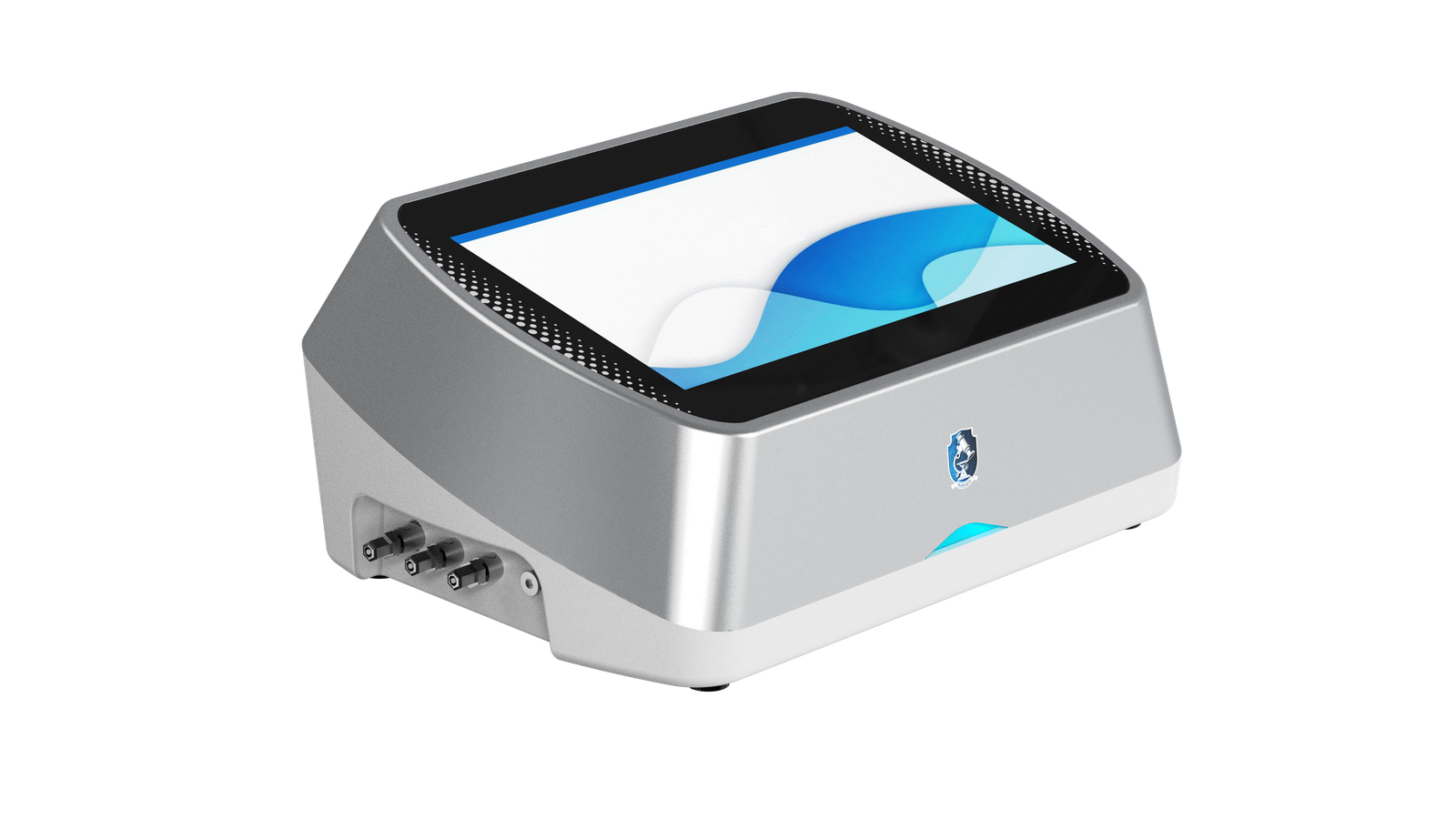
The V10 filter integrity tester has RS232 and USB interfaces. Medintegrity can customize external interfaces, industrial buses, and analog control ports for customer requirements. For an OEM, this is a basis for discussing the proposed connection. The supplier response still has to identify the protocol and functions available in the configuration being quoted for that skid.
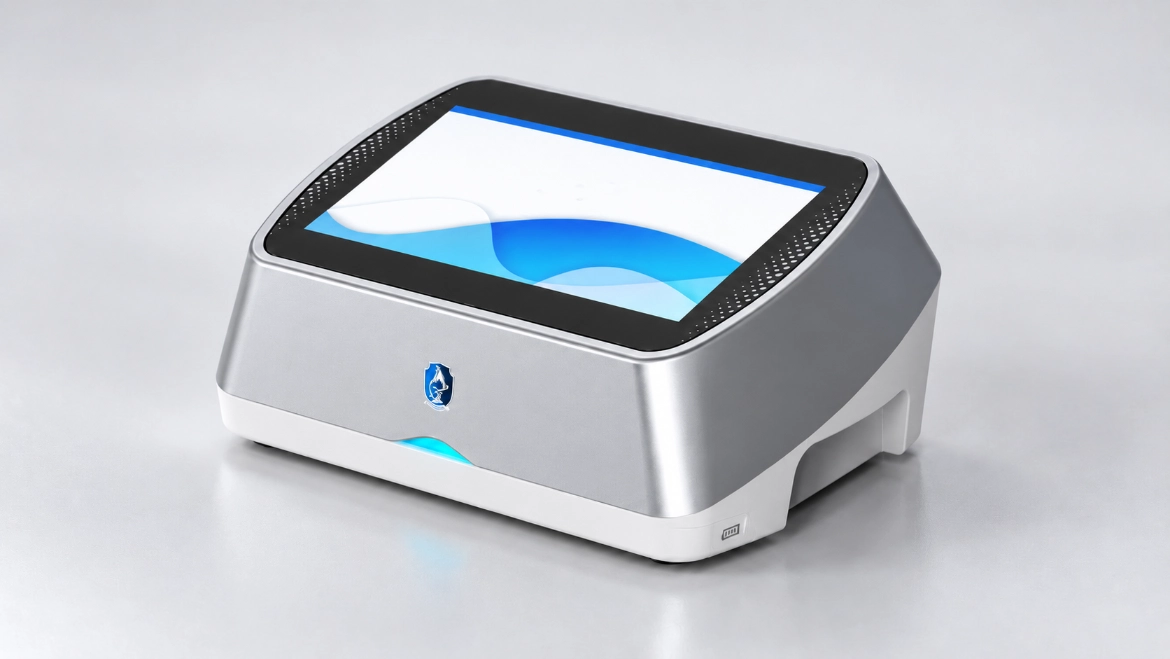
RS232 does not identify a complete command set. A requirement for an industrial bus likewise needs a named protocol and an exchange definition. The controller and its relevant configuration belong in the inquiry; otherwise, the supplier is being asked about compatibility with an unspecified receiving system.
V10 can store 1,000 pre-set test programs and export original test data by USB. Test records and audit trails can also be queried and exported. In a skid project, the program reference and associated record need a clear definition. Any request to exchange those identifiers requires confirmation of the available fields; local program storage does not establish remote program selection or process control.
There is also a difference between creating a record and getting it to the agreed destination. That destination may be a review and archiving workflow, with no continuous controller connection. Either arrangement needs a way to establish whether the required information arrived and a named owner for an incomplete transfer.
Follow one exchange from request to usable result
An unresolved interface question can be discussed through Medintegrity technical consultation. The RFQ then records the proposed answer as an exchange of actions or information. This keeps the supplier discussion connected to the behavior the OEM and site actually require, rather than to a broad automation description.

Normal operation and permission to proceed
Remote initiation belongs on the list of functions to discuss, if the process needs it. The offer must identify whether the quoted configuration provides that function and the local conditions for its use. A displayed result and permission for the skid to continue have different consequences; the specification must say which response is being requested.
| Exchange item | Definition needed in the RFQ |
| Test association | Required filter, batch, and program references; available fields to be confirmed |
| Requested action | Exact action, authorized initiator, and applicable permissions |
| Outcome | Meaning of the result, recipient, and timing |
| Receipt | How the destination confirms that the required record arrived |
The exchange definition needs agreement from the OEM, integrator, and site users. A working data connection can still leave the two sides expecting different things from a response. Its meaning should be settled before that response is used as permission for the next process step.
Lost connections and incomplete records
A dropped connection can leave different kinds of unfinished work. The instrument may already have started a test, or a completed record may be waiting to move to its destination. The RFQ can ask the supplier to explain the response to each situation, including the action left to an operator or integrator.
A completed test, an aborted run, and an unavailable result need distinct treatment in the proposed workflow. The supplier response should identify which states the quoted interface communicates and which require another check. The site can then assess its record-handling obligations, access arrangements, and review procedures against that actual proposal.
Keep engineering and support visible in the quotation
Medintegrity develops filtration testing equipment and provides technical support for filtration-system design and configuration. The quotation needs to distinguish that support from skid design, controller programming, and receiving-system work. Technical consultation does not make a turnkey skid part of an instrument purchase. Agreed deliverables keep the supplier’s role clear to the OEM and purchaser.
A responsibility list also makes competing filter integrity testing equipment offers easier to compare. Each quoted activity needs an owner, including work retained by the purchaser or another supplier. The list can cover:
- Tester configuration, skid mechanical work, and controller programming.
- Communications implementation and receiving-system setup.
- Interface documents, cables or adapters, and agreed engineering support.
- Site approval and responsibility for resolving a mismatch between the two ends.
The technical training and after-sales service discussion can cover instrument operation, maintenance guidance, and support. The agreed activities belong in the project scope, with instrument support distinguished from maintenance of the connected control system. Handover documents can then identify the interface, data definitions, configuration, and contacts appropriate to that work.
The support arrangement also needs an owner for later changes. A revised controller, tester software version, or receiving workflow may call for an assessment of the agreed exchange. A defined configuration gives that review a starting reference; future compatibility should not be left as an unallocated expectation.
Conclusion
For a pharmaceutical skid OEM, filter integrity tester integration becomes a clear purchasing task when the RFQ describes the work behind the port. The filter duty defines the test. The exchange list defines what each side must recognize or request. The responsibility list defines who supplies and supports the arrangement, including interrupted operation and incomplete transfers.
To discuss V10 integration requirements, an inquiry can give Medintegrity the filter application, proposed skid, intended controller, required exchanges, and the work already allocated. The quotation can then identify confirmed functions and deliverables, with exclusions and work retained by the OEM, integrator, or end user stated alongside them. That gives procurement a consistent basis for comparing offers.
FAQ
Does RS232 establish compatibility with a skid controller?
The interface name does not establish compatibility. The protocol, available functions, data definitions, and implementation on both sides also matter. The inquiry needs the controller configuration and intended exchange; the supplier response needs the proposed arrangement and any work required to achieve it.
Is USB export sufficient for a control requirement?
A suitable USB workflow may meet a records-only request. It does not establish remote initiation or coordinated sequencing. Any requested control function needs a separate definition and a supplier answer for the quoted configuration. An existing connection is not, by itself, confirmation of that function.
Who owns the integration specification?
A named specification owner can bring together the OEM, integrator, tester supplier, and site users. Each party confirms the work it accepts. The site’s quality and systems teams assess the intended workflow and applicable approvals before the arrangement is adopted for use.
Does a V10 purchase include complete skid integration?
A V10 order follows the agreed quotation and its allocation of work. For a skid project, that allocation can name the tester interface alongside controller programming, receiving-system setup, and site approval. Each item needs an owner. An OEM can then compare the complete purchasing requirement with the activities included in the offer.
 English
 Russian
 Spanish
 Portuguese
 German
 French
 Italian
 Arabic
 Dutch
 Japanese
 Vietnamese
 Korean
 Malay
 Thai