

The Role of Filter Integrity Tester in Pharmaceutical Quality Assurance
The Role of Filter Integrity Tester in Pharmaceutical Quality Assurance
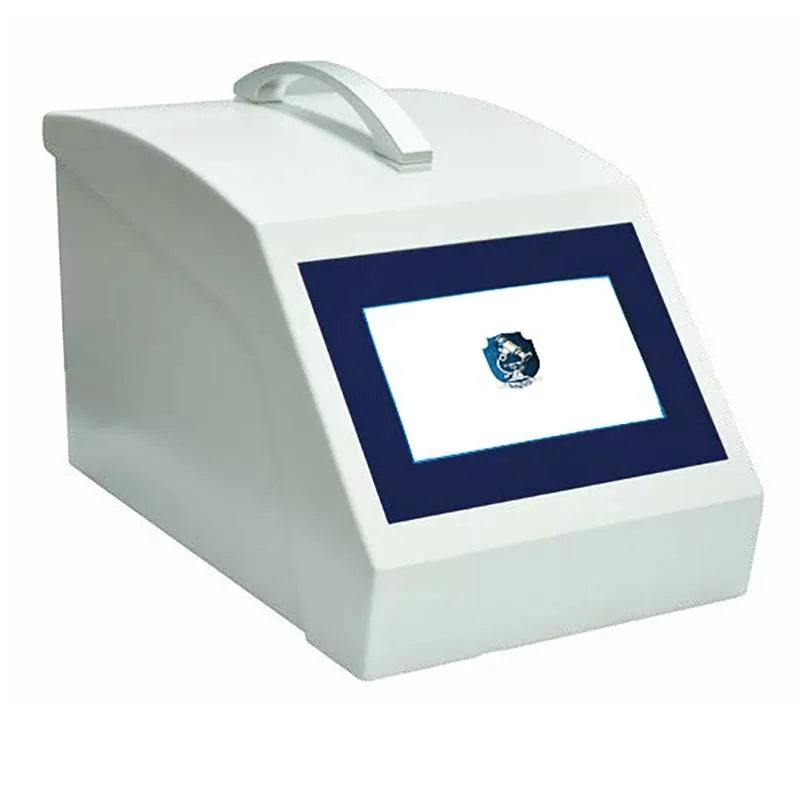
Filter integrity testing serves as a key quality assurance step, one that checks the effectiveness of sterilizing-grade filters both before they start working and right after they finish. This test makes sure the filter holds onto its power to get rid of microbial contaminants even when the real production conditions come into play, which helps prevent any unexpected problems from arising during the process.
Filter integrity testing does more than just confirm the sterility assurance level (SAL); it also works as an essential control point right in the middle of aseptic processing and just before anyone releases the product for use. If teams skip verifying how the filter performs, it puts patient safety in real danger, breaks regulatory rules, and even damages the company’s good name in the industry over time, which no one wants to see happen in such a sensitive field.
What Scientific Principles Govern Filter Integrity Testing?
Sterilizing filters mainly work by using size exclusion, adsorption, and diffusion to keep things clean. Microorganisms get stopped in their tracks physically because the membrane has a very exact pore setup, and while tinier particles might stick to the membrane’s surfaces or end up stuck in the winding paths inside, all of this combines to block contaminants from getting through without much trouble. Filter integrity testing looks closely at whether these retention mechanisms stay solid after the filter goes through sterilization or gets used in actual runs.
Which Parameters Are Most Important for Assessing Filter Performance?
The main parameters that get checked in filter integrity testing cover Bubble Point, Diffusion Flow (sometimes called Forward Flow), and Pressure Hold (or Pressure Decay). Each one focuses on a separate part of how the filter acts: for example, Bubble Point shows the pressure level needed to push liquid out of the biggest pore, which gives a good idea of how even the pore sizes turn out across the whole membrane.
Diffusion Flow tracks how gas seeps through filters that have been wetted, all while keeping the pressure under the bubble point, and this makes it great at spotting small issues in the membrane that might otherwise go unnoticed. Pressure Hold checks if a sealed system holds its pressure steady over a period, which comes in handy for finding big leaks or problems with the housing parts. Besides those, the instrument has to measure and show things like pressure, flow rate, and test time with real precision, so operators can trust the data they get every time they run a check.
Which Filter Integrity Testing Methods Are Commonly Used?
People should run the filter integrity tester against various kinds of filters, ones made from different materials, with assorted pore sizes, and in all sorts of setups. For a tester to count as solid and dependable, it has to pick up on these differences with sharp accuracy no matter the filter type, which ensures it fits well into different production needs without missing a beat.
What Makes the Diffusion Flow Test Suitable for Detecting Subtle Defects?
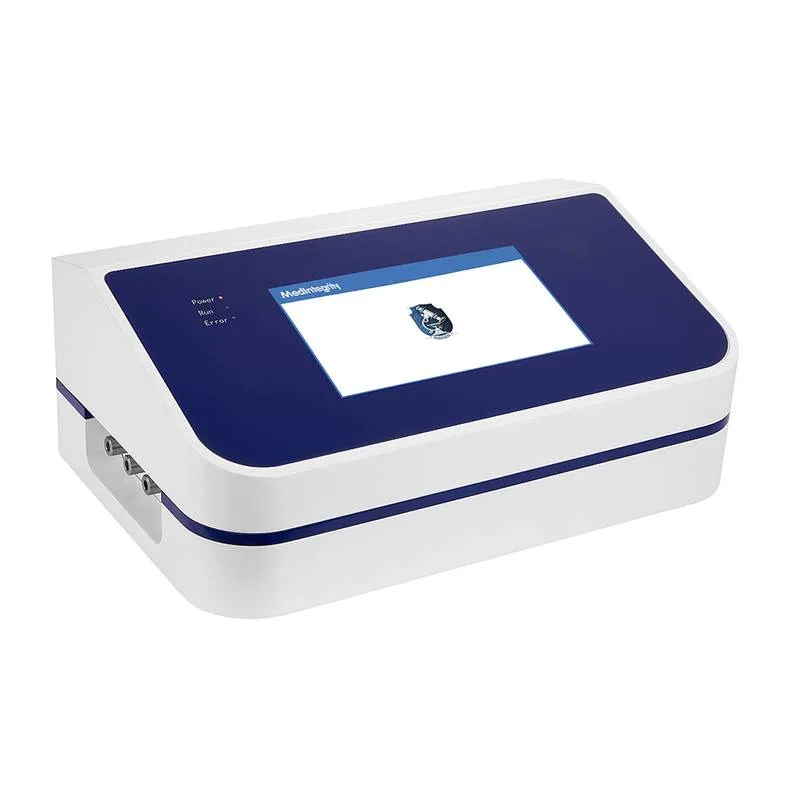
The Diffusion Flow test puts gas pressure on at a level below the bubble point and then gauges how quickly the gas spreads out through a membrane that is fully wetted. Since this approach picks up on even the smallest uneven spots in the membrane’s porosity, it turns out especially useful for catching those tiny defects that could slip past other methods, and the best part is that it does so without wrecking the filter for future use, keeping everything efficient.
Readings for the bubble-point pressure and diffusive flow rate need to fall inside a range that matches the reference values closely. This keeps the results reliable and helps teams stay confident in their equipment’s state throughout ongoing operations.
When Should Pressure Hold or Pressure Decay Tests Be Used?
Pressure Hold tests start by filling a closed system with pressure and then watching to see if it keeps that level steady as minutes tick by. When the pressure dips, it signals leaks in the membrane or around the housing seals, and this method stays non-invasive, making it a smart pick for setups where checking visually just does not work out well. It makes sense to verify how the pressure-holding part functions, since that plays a big role in tests like the bubble-point one, where steady pressure leads to trustworthy findings every time.
How Do You Choose the Right Filter Integrity Tester for Your Process?
Accuracy and sensitivity stand out as the top things to look for in any setup. For repeated tests on one filter, the standard deviation in bubble-point pressures ought to stay under a set limit, like 0.2 bar. This level of steadiness proves the tester delivers spot-on results consistently, building trust in the whole quality system.
Why Is Compliance With 21 CFR Part 11 Non-Negotiable?
Things like audit trails that log every step, safe login systems, and guards for data integrity all add up to meeting what 21 CFR Part 11 lays out for electronic setups, keeping everything above board.
How Important Is Compatibility With Multiple Filter Formats?
A tester with good range should handle lots of cartridge and capsule filters, no matter their sizes or the materials they use. It needs to run accurate tests and give solid integrity results for all sorts of filters—membrane-based ones or depth types—while keeping the precision intact, so it adapts easily to whatever the process throws at it.
Why Does Automation Matter in Aseptic Environments?
Systems that automate cut back on people touching things directly, which lowers the chance of contamination and slip-ups from operators. They also make sure testing follows set protocols every time without fail. Plus, automated cycles trim down the ups and downs that come from doing everything by hand, leading to steadier results overall in tight spots like aseptic areas.
How Is Filter Integrity Testing Embedded Into Quality Assurance Protocols?
Filter integrity testing works as a go/no-go point for releasing sterile drug batches. It confirms the filters did their job right through the whole processing phase. Teams should carry out tests like the bubble-point test and diffusive flow test with the usual filters on hand. Those outcomes give hard scientific backing for choices on whether to release a batch, making sure decisions rest on solid ground. Make sure the user manual, technical specs, installation drawings, and calibration certificates for the filter integrity tester are all there and complete. This setup keeps things ready for any review that pops up.
What Challenges Can Compromise Filter Integrity Testing Accuracy?

Mistakes by operators, like picking the wrong pressure settings, twist the results in the same way. To keep things straight, sticking to the plan matters a lot. When wetting falls short, it often causes those fake-high bubble points or diffusion numbers that read low. Regular training and following SOPs closely help cut these chances way down, keeping tests on track. Changes in temperature, shakes from vibration, or too much humidity mess with how sensors work and make tests uneven. Putting control measures in place around the delicate gear helps keep everything steady and valid.
Who Offers Reliable Filter Integrity Testing Solutions With Global Support?
If you need validated solutions built for pharmaceutical setups, along with full technical help, MedIntegrity has strong picks like their V8.0 & V6.5 models. These testers get made for precise work under GMP rules, backed by global services such as validation papers, training sessions, and remote checks. They cover everything from basic filter tests to tricky ones like RTP port checks, making sure sterility systems stay compliant and trustworthy.
Their RTP Testing System gets tailored for moving sterile materials between cleanroom areas. It handles oval and circular ports, plus Alpha/Beta connectors, slipping easily into aseptic flows while sticking to FDA 21 CFR Part 11, EU Annex 1, and GAMP 5.The system supports several common testing methods, including Pressure Hold, Pressure Decay, and Flow Testing, allowing the selection of an appropriate method based on different application requirements.
FAQ
Q1: How often should filter integrity testing be performed?
A1: It should be conducted both pre-use (before filtration) and post-use (after filtration) to ensure filter performance throughout the process lifecycle as per regulatory guidelines.
Q2: Can one tester model be used for all types of filters?
A2: While many modern testers offer compatibility across various formats, it’s essential to verify compatibility with specific filter types used in your processes for accurate results.
Q3: What is the difference between bubble point and diffusion tests?
A3: The bubble point test identifies the largest pore size by measuring the pressure needed to displace liquid from pores, while the diffusion test measures gas flow through wetted membranes below that pressure to detect minor defects or inconsistencies.

 English
  Russian
  Spanish
  Portuguese
  German
  French
  Italian
  Arabic
  Dutch
Dutch  Japanese
  Vietnamese
  Korean
  Malay
Malay  Thai
Thai