

How Do Glove Integrity Testers Enhance Isolator and RABS Safety?
How Do Glove Integrity Testers Enhance Isolator and RABS Safety?

In the pharmaceutical world, keeping things sterile is a top priority. Contamination must be avoided. Barrier systems, like isolators and Restricted Access Barrier Systems (RABS), are key safeguards in these clean manufacturing areas. Gloves are built into these systems. They are the only physical connection between the operator and the sterile zone. Therefore, making sure the gloves are in perfect condition is crucial. It protects both product quality and operator safety. This is exactly why glove integrity testers are so important.
The Critical Role of Barrier Systems in Pharmaceutical Production
To ensure a sterile environment, every part of these barrier systems is important. The most likely to fail, and therefore one of the most critical, is the glove system.
Importance of Isolators and RABS for Contamination Control
Isolators create a totally closed-off space. They usually have hard walls and glove ports to keep things very sterile. RABS are not as physically closed off as isolators. However, they still greatly reduce direct contact between workers and sterile products. They do this using controlled air and glove ports. These systems are vital for sterile work because just a little bit of contamination can ruin a whole batch.
Function of Gloves as the Primary Interface in Barrier Systems
Gloves are the main way an operator interacts with the clean area inside isolators or RABS. Any tear or hole in a glove can let germs or tiny particles get in. So, finding leaks is not just something the rules say you have to do. It’s something you must do for safety.
Regulatory Requirements Driving Glove Integrity Testing
To address the inherent risks associated with glove use, regulatory bodies have established strict standards for glove integrity testing. These mandates are not suggestions but requirements, ensuring that the primary interface between the operator and the sterile environment does not become a pathway for contamination.
Overview of Annex 1 Guidelines on Glove Testing
EU GMP Annex 1 rules state that isolator gloves need to be checked regularly for damage. This must happen before they are used and again at set times during work. For example, gloves on the main isolation wall should be tested before and after a task. Also, gloves on the filling line need a check at least once a month. This process makes sure that any holes are found quickly, long before they can ruin the sterile product.
Compliance with GMP, FDA, and ISO Standards
These testing methods are made to follow the rules of the FDA and GMP. They also meet USP and EP standards. What’s more, these standards make it clear that testing gloves for damage is not a choice. It is a required step for any facility that wants to meet global quality levels.
Key Differences Between Isolator and RABS Glove Systems
Knowing the differences in glove materials for isolators and RABS helps a lot. It helps choose the right test methods.
- Material and Handling Characteristics of Isolator Gloves:Isolator gloves are usually made from materials like CSM (chlorosulfonated polyethylene) or butyl rubber. This is because they resist chemicals and are flexible. They are always connected to hard walls or sleeves. Because of this, they are more likely to wear out over time from being used a lot.
- Durability and Sterilization Considerations for RABS Gloves:RABS gloves might be changed more often, but they still need strong materials like neoprene or nitrile. These materials have to survive regular cleaning cycles. Even though they are easier to change than isolator gloves, being handled a lot makes them riskier. So, it’s vital to check them regularly for damage.
Principles Behind Glove Integrity Testing Methods
To comply with these rigorous standards, the pharmaceutical industry employs scientifically validated methods to test glove integrity. These techniques are designed to be both sensitive and reliable, ensuring that even microscopic breaches can be detected before they compromise product safety.
Positive Pressure Leak Detection Explained
How does positive pressure leak detection work? First of all, it works by filling the glove with air. Then, you watch the pressure over a period of time. A drop in pressure means there is a leak. A glove integrity tester is a very important tool. It is made to make sure gloves have no leaks and are strong enough for use in important clean areas.
Advantages of the Pressure Decay Test for Leak Detection
Constant progress in testing technology has brought us better glove integrity testers. They are more accurate, faster, and easier to use. These improvements make the results more repeatable across many tests. So, you can be sure you’re getting the same, consistent result every time.
You can change important test settings. Things like inflation pressure, how long to hold it, and how much pressure drop is okay can all be adjusted. These settings can be fully changed to fit the glove’s material and details. This helps make sure the results are right and can be repeated.
Technological Advancements in Glove Integrity Testers
Modern testers now use smart tech. This makes them better at tracking results, working faster, and connecting to other systems.
Integration of RFID Technology for Traceability
RFID chips are placed inside the glove ports. This allows each port to be automatically identified during a test. As a result, you can easily record test results into batch records or a main database without typing anything in. This makes tracking for audits much better.
Wireless Connectivity and Multi-Unit Testing Capabilities
Some models are wireless. They let you test many units at the same time, which is perfect for big places with lots of barrier systems. Plus, modern testers have ways to connect that let you watch data live and control them from far away. This makes it simpler for companies to handle their testing in different locations. Wireless testers can also be connected to phones or cloud systems. This makes it easy to save, look at, and share data.
Benefits of Using Glove Integrity Testers in Cleanroom Environments
The adoption of advanced glove integrity testers offers significant operational advantages, reinforcing the barrier’s effectiveness while streamlining production. These systems provide a multifaceted approach to quality control, enhancing safety, efficiency, and regulatory compliance.
Enhancing Operator Safety and Product Sterility
These testers find even tiny leaks quickly. By doing this, they stop contamination before it can happen. They also protect workers and make sure that work processes are safe. This lowers the chance of cross-contamination during sterile jobs.
Reducing Downtime Through Efficient Inline Testing
Inline or partly automated systems save a lot of time. You don’t have to take gloves off to check them by hand. This means production doesn’t have to stop as much. Automation is a big new trend. Testers can now do tests on their own, look at the data, and create reports.
Supporting Batch Documentation and Audit Readiness
Automatic data recording from these testers is a big help. It helps drug-making companies follow the tough rules from groups like the US Food and Drug Administration (FDA) and the European Medicines Agency (EMA).
MedIntegrity: Advanced Solutions for Barrier System Integrity
MedIntegrity is a U.S.A.-based company. We focus on making very accurate testing tools for the pharmaceutical business. Our products are made to help companies make sure things stay sterile and follow the rules. A big part of our work is our advanced glove integrity testers for isolators and RABS.
Highlighted Products: WGT-1000 and WGT-1200 Series
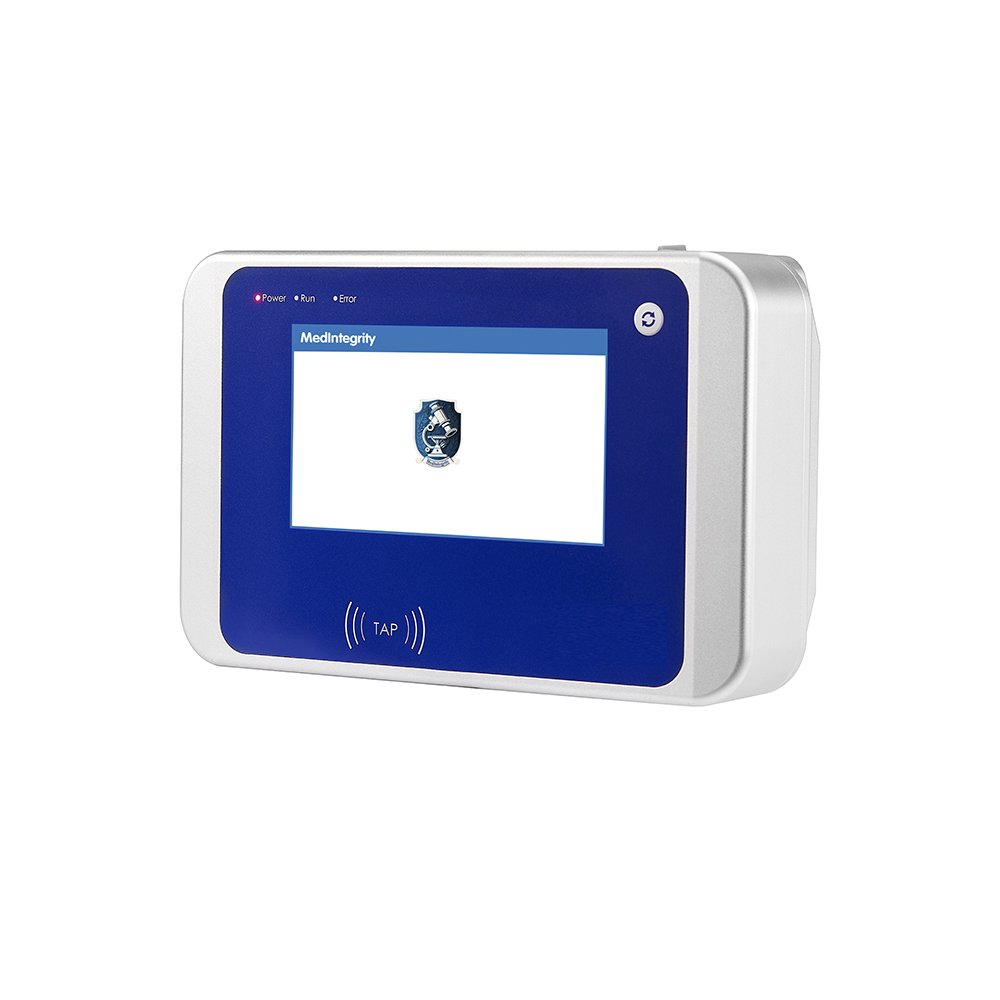
Our WGT series has solutions made to fit every work need. First, the WGT-1000 is a strong, wired system. It’s perfect for dependable, everyday testing in one spot. But if you need more freedom for big operations, there’s the WGT-1200. It’s a top-of-the-line wireless option that can handle tests on up to 32 units at the same time.
Key Features Supporting Regulatory Compliance and Operational Efficiency
The WGT series has lots of features made for getting work done well and following the rules. It uses RFID technology to automatically identify each glove port. This gets rid of human mistakes and makes tracking foolproof. Other important features are an easy-to-use touchscreen and the ability to see a graph of the pressure live. It also offers safe data recording that follows 21 CFR Part 11 rules. Big drug companies trust our tech. For instance, BEIGENE USA installed 20 of our WGT-1200 wireless units. We also have a presence in over 40 countries.
FAQs
Q1: What is the purpose of a glove integrity tester?
A: A glove integrity tester makes sure that gloves used in isolators or RABS don’t have any holes or problems. Any flaw could harm the clean areas. By finding even the smallest leaks in gloves, these testers stop contamination before it starts.
Q2: How often should glove integrity tests be performed?
A: How often you test depends on how much the gloves are used, but it has to follow the GMP rules in Annex 1. Usually, gloves on an isolator wall are tested before and after a batch is made. Gloves that are being used a lot are checked regularly, like every day or every week.
Q3: Can glove integrity testers be used for all glove materials?
A: Yes, they can. Modern testers, like our MedIntegrity WGT series, have settings you can change. These can be set for different materials, like butyl, CSM, neoprene, and nitrile. This means you get correct and dependable results, no matter what the glove is made of.
 Dutch
Dutch  English
  Russian
  Spanish
  Portuguese
  German
  French
  Italian
  Arabic
  Japanese
  Vietnamese
  Korean
  Malay
Malay  Thai
Thai