

Filter Integrity Testing for Sterilizing-Grade Filters: Step-by-Step Guide & Troubleshooting
Filter Integrity Testing for Sterilizing-Grade Filters: Step-by-Step Guide & Troubleshooting
pharmaceutical manufacturing, integrity testing of sterilizing-grade filters is an important part of quality control for filtration processes. Test results can be used to evaluate the physical integrity of filters and provide a basis for risk assessment of the filtration process.
In practice, test results depend not only on the filter cartridge itself, but also on wetting status, test parameters, pipeline connections and operating conditions. Therefore, when performing filter integrity testing, it is necessary to follow the filter manufacturer’s technical requirements and approved standard operating procedures. The final reading displayed by the instrument alone cannot be used to judge whether the filter is qualified.
1. Pre‑test preparation
Before testing, verify the filter model, batch number, filtration rating, membrane material and usage status to confirm consistency with production process requirements. At the same time, review the manufacturer’s technical documentation to clarify the applicable test method, wetting medium, test pressure and acceptance limit.
Even if different filter cartridges have the same nominal filtration rating, different test conditions may apply due to differences in membrane material, structure and effective filtration area. Test parameters should be based on corresponding technical documents and validated test conditions. Parameters from other filter models should not be directly adopted.
Check the filter housing, seals, connecting pipelines and valves to confirm proper installation and reliable connections. Before using the filter integrity tester, confirm the equipment operates normally, calibration meets the site’s management requirements, and verify that the gas supply, test tubing and accessories meet test requirements.
For in‑line testing, confirm system status and valve positions according to on‑site SOPs to avoid distorted results caused by improper pipeline connections or system leakage.
2. Filter installation and connection verification
Install the filter cartridge following the filter assembly design requirements, paying attention to flow direction, connection type and sealing structure. For cartridge filters, confirm the filter is fully seated and that seals and related components are in good condition. For single‑use capsule filters, inspect ports and tubing to confirm no obvious damage on the assembly.
After installation, connect the tester to the filter in the specified manner and verify secure connections. External leaks in the test system may affect pressure or flow measurement and lead to abnormal results.
It should be noted that the scope evaluated by testing depends on the test configuration. The membrane, filter assembly and associated connections may not all fall within the same test object. Confirm the test boundary based on test objectives and SOPs.
3. Filter wetting
For methods such as bubble point and diffusion flow which rely on membrane wetting, wetting quality determines the reliability of test results.
These tests measure gas passage characteristics under defined pressure by using the liquid interface formed in membrane pores. Insufficient wetting may lead to low bubble point values, abnormal diffusion flow or test failure.
Before wetting, confirm the wetting medium is compatible with the membrane material. Hydrophilic membranes are typically wetted with water or other media per manufacturer requirements. Hydrophobic membranes may require specialized wetting fluids or specific treatment procedures, always refer to the product technical documentation.
Operate following specified wetting direction, medium volume, flushing method and duration, and remove trapped air that may interfere with testing. For complex cartridges or multi‑filter housings, confirm the wetting approach satisfies test requirements.
When results are abnormal, wetting status can be one of the investigation factors, but wetting issues alone cannot be assumed as the root cause of test failure.
4. Test method selection and parameter setup
After installation and wetting, select the test method according to filter type and applicable technical requirements. Common pharmaceutical test methods include bubble point test, diffusion flow test, pressure hold test, and water intrusion test for suitable hydrophobic filters.
The bubble point test gradually increases gas pressure to identify the pressure at which continuous gas flow starts through the larger pores of a wetted membrane. Results are affected by membrane pore characteristics, wetting medium and test conditions.
Diffusion flow test measures gas diffusion flow through the wetted membrane under defined pressure for comparison against acceptance limits.
Pressure hold test evaluates system pressure retention by monitoring pressure changes under defined conditions. Results can be affected by system volume, temperature variations and sealing status of connections.
Water intrusion test applies to suitable hydrophobic filters and evaluates filter integrity based on water intrusion under defined pressure. Applicable conditions refer to manufacturer technical documentation.
After selecting the test method, verify the test program, pressure setting, test duration and acceptance limits. For instruments with preset programs, confirm the program matches the current filter model and test conditions.
Acceptance limits should be supported by manufacturer technical documentation, validation data or process rationale. They cannot be defined solely by nominal filtration rating.
5. Test execution and result verification
Once parameters are verified, start the test following the instrument SOP. During testing, monitor pressure changes, measured data and device prompts to ensure the program runs properly.
If pressure cannot stabilize, the test aborts or alarms trigger, check gas supply, tubing connections, system sealing and parameter settings. Identify the root cause before deciding whether to resume testing. For tests requiring stable conditions, ensure criteria are met before measurement.
After testing completes, confirm the program finished normally and review test method, measured values and acceptance limits. For auto‑generated reports, verify filter information and test parameters are fully recorded to avoid misjudgment from incorrect program selection or wrong parameter setup.
6. Interpreting test pass / fail criteria
Acceptance criteria for filter integrity testing depend on the method and the filter’s technical specifications.
For bubble point tests, the measured value generally needs to meet the specified minimum limit. For diffusion flow tests, the measured value generally must not exceed the defined maximum limit. Pressure hold and water intrusion tests follow their respective evaluation rules.
Results from different test methods are not interchangeable. A higher or lower reading does not automatically mean the filter is more reliable. Results must be interpreted together with filter model, test conditions and defined acceptance criteria.
In addition, physical integrity testing cannot replace microbial retention validation of filters, nor can it independently prove that the full filtration process meets all sterility assurance requirements. Test methods and acceptance criteria for sterilizing‑grade filters should align with supporting validation evidence.
If results meet applicable criteria and the test run is valid, complete review and documentation per site procedures. If results exceed acceptance limits or abnormalities occur during testing, launch the corresponding investigation process.
7. Troubleshooting failed tests
When an initial test fails, retain raw test data. Repeated retesting without root cause investigation is not recommended.
Troubleshooting can follow these steps:
- Verify filter model, test method, parameter settings and acceptance limits, confirm the test program matches the tested filter.
- Check membrane wetting status and confirm wetting medium and operation comply with manufacturer requirements.
- Inspect test tubing, fittings, valves and filter housing to rule out external leaks or connection issues.
If no issues are found above, combine filter service history, sterilization cycles and actual process conditions to further investigate possible cartridge damage or other integrity‑related factors.
Once identified operational or system issues are corrected, retesting may be performed per approved procedures. Retest results do not replace the original failure record. For sterilizing filters used in production, evaluate potential impact on relevant product batches based on investigation findings, and the quality department shall make decisions following applicable procedures.
8. Test records and data management
After testing, promptly record filter model and batch number, test date, operator, instrument ID, test method, key parameters, measured results, acceptance limits and final conclusion. In case of abnormalities, also document root cause, corrective actions and retest details.
For electronic record systems, manage user access, audit trails, record retention and result review in accordance with site data integrity requirements to ensure test data is truthful, complete and traceable.
Well‑maintained records support routine quality reviews, help analyze filter batch variations, assist investigations into test failures, and support ongoing management of filtration processes.
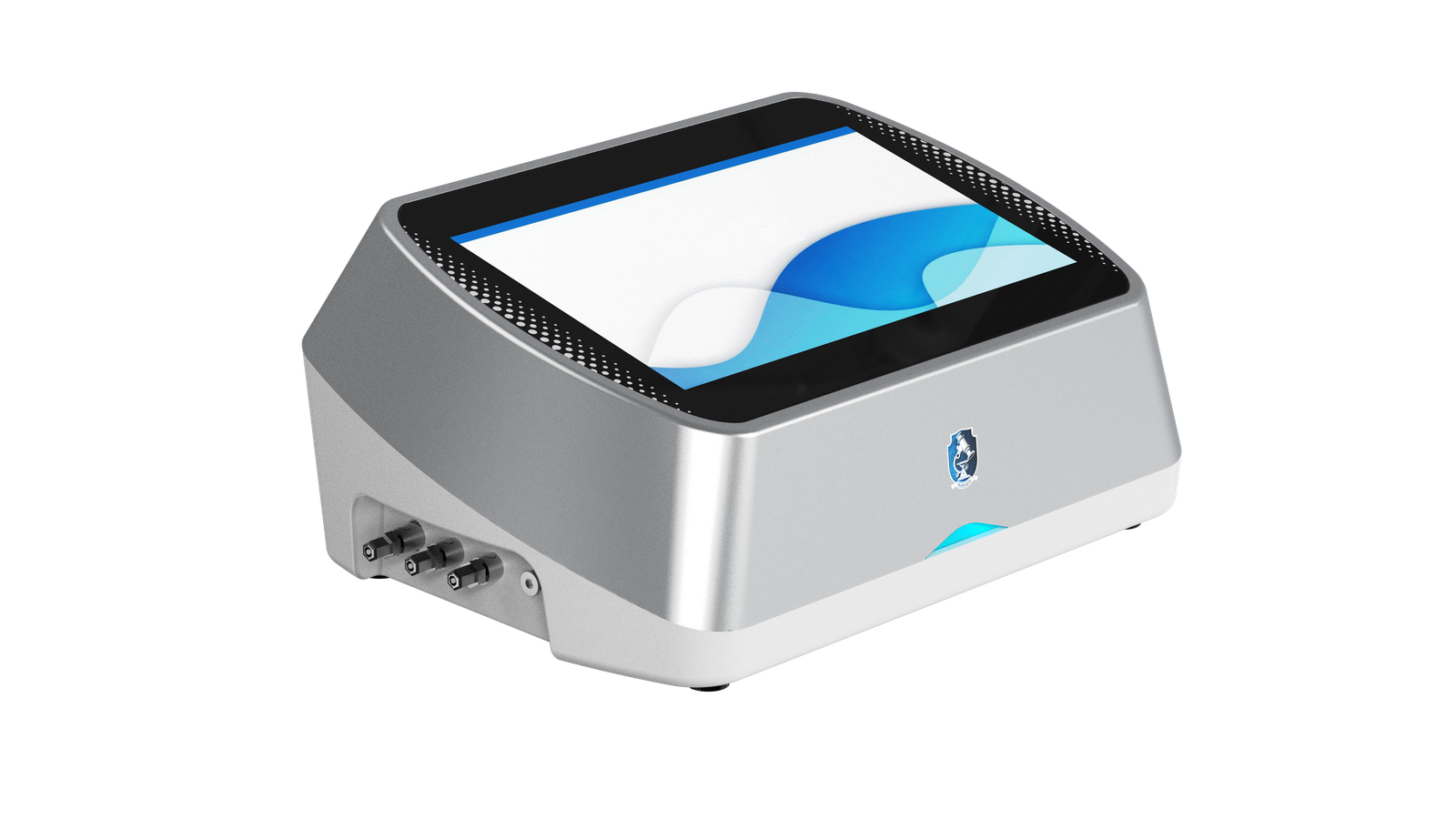
In summary, filter integrity testing is more than selecting a suitable tester. It also covers proper filter installation, wetting control and reasonable parameter setup. Integrity testing is a full quality management activity instead of simply pressing the start button on the instrument. MedIntegrity filter integrity testers support multiple test modes. When paired with standard operating procedures, they help pharmaceutical companies reliably run filter integrity tests, preserve data records and trace quality risks.
 Dutch
 English
 Russian
 Spanish
 Portuguese
 German
 French
 Italian
 Arabic
 Japanese
 Vietnamese
 Korean
 Malay
 Thai