

How to Investigate Repeated Glove Integrity Test Failures
How to Investigate Repeated Glove Integrity Test Failures
Several gloves fail in succession. The purchasing department receives a request for replacements, perhaps followed by a request for another tester. Before choosing equipment, the technical team needs to sort the failures by glove port, measuring unit and program. That is the first useful step in glove integrity tester troubleshooting. Pressure loss could involve the glove, its mounting or the test connection; a group of failed results does not settle which one.
This matters around pharmaceutical isolators and RABS, where the glove assembly forms part of the barrier. It also matters to a distributor asked to resolve a recurring complaint. Supplying a replacement without understanding the failed setup may leave the customer with the same unresolved question.

Keep the original failure available for review
Once a cover is lifted or an adapter is reseated, some evidence has been disturbed. Notes taken beforehand can preserve what the engineer later needs: the glove and port numbers, instrument identity, selected program and any unusual fit or connection. A description written after dismantling should say so. It cannot recreate an unrecorded mounting condition.
There are two different service questions here. A completed run outside its acceptance limit calls for examination of the measured failure. An interrupted run calls for examination of the interruption as well. The original status, including any error message, prevents those events from being combined into a single report of leaking gloves.
The drawing or description of the test boundary is useful beside the result. Depending on the setup, it can include the glove, sleeve, fixing components and temporary connection. Selection of glove integrity testing equipment needs to account for those interfaces. A pressure-loss result alone cannot pinpoint the faulty interface or material.
Engineering’s work on the apparatus proceeds alongside the quality response required by the site’s failed-test procedure. An instrument fault may be among the explanations under investigation. Until evidence supports it, that suspicion provides no reason to disregard the barrier-test failure.
Read the pattern of glove integrity test failures
The sequence often narrows the questions. A failure that stays at one port suggests a different comparison from one that follows a testing unit across several ports. A series beginning after a program change raises another line of inquiry. These are working explanations to investigate, rather than diagnoses.
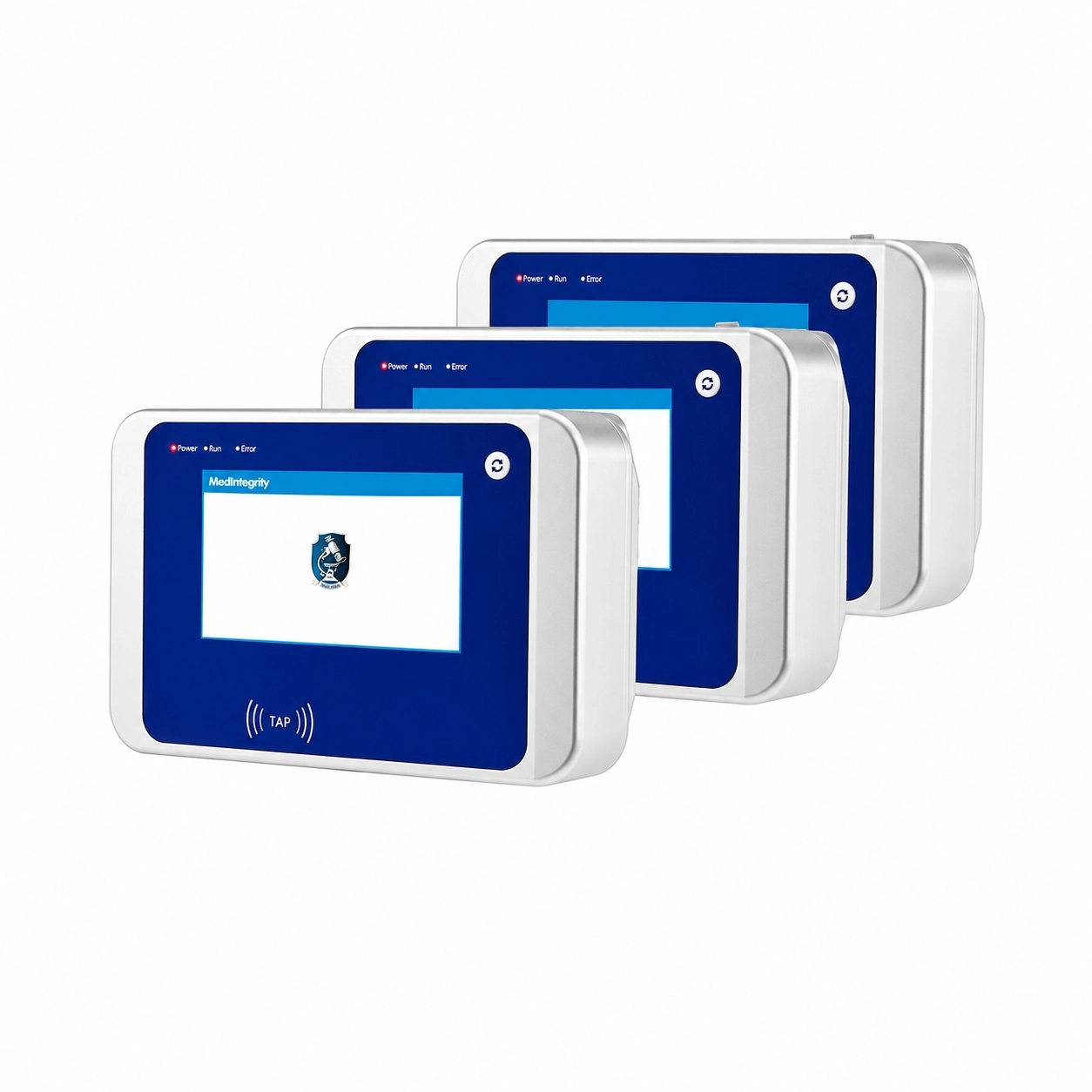
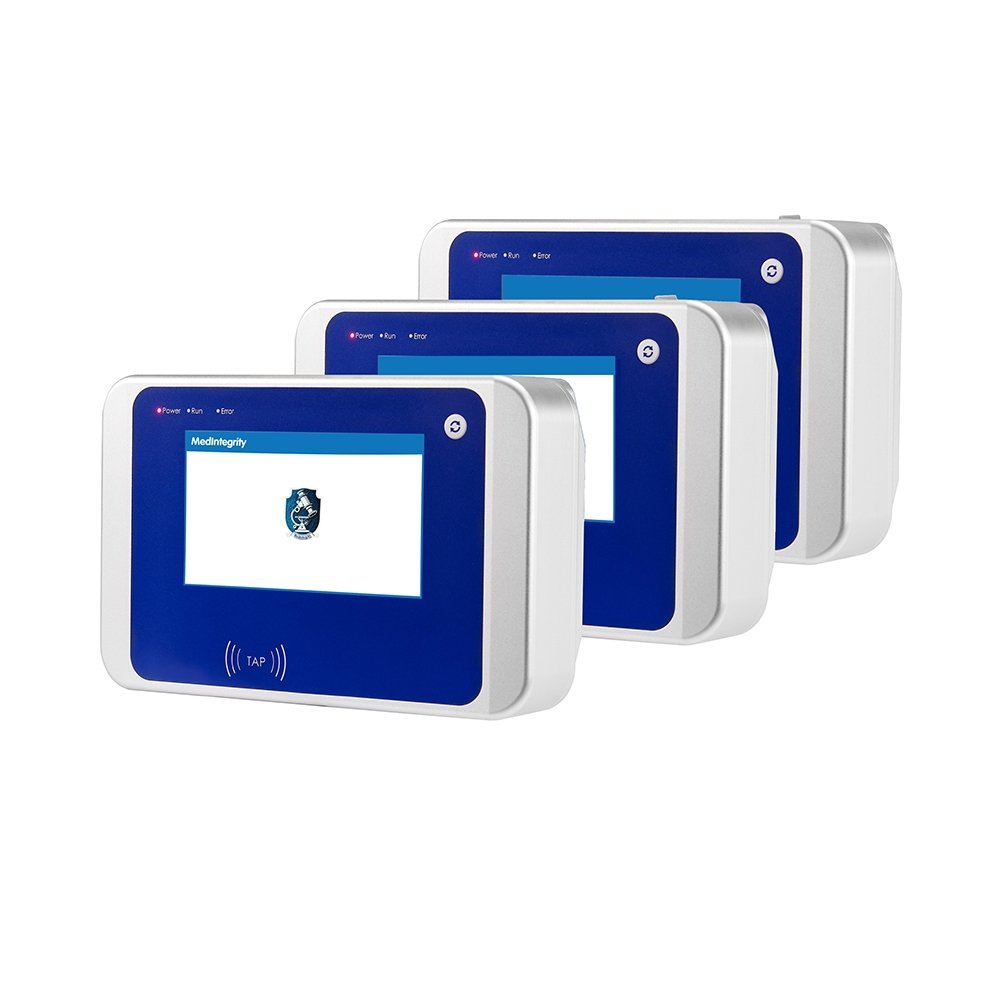
The Medintegrity WGT-1200 monitors pressure in the inflatable sealing ring as well as in the glove during testing. These are relevant observations when investigating the temporary seal. For a remote support discussion, it matters whether an indication was seen only during testing or was retained afterward. Buyers can ask which information the offered configuration makes available for that review. Monitoring both pressures does not itself locate a hole.
| Pattern in the records | Comparison worth examining | Detail that must remain identified |
| One port repeatedly fails | Assembly condition and mounting at that port | Glove, sleeve and adapter arrangement |
| Failures follow one unit | Connections and instrument verification | Measuring unit and setup used |
| A program change precedes failures | Intended program against applied settings | Program identity and approved conditions |
| Remounting changes the outcome | Original mounting against the revised setup | What was changed between runs |
Consider two possible explanations for a cluster: several damaged gloves, or one sealing component used for every test. A comparison that changes both the gloves and that component cannot separate the explanations. Naming the component under examination, and the conditions held unchanged, makes that comparison useful.
A distributor can organize the enquiry as a short run sequence: port, unit, program, result and intervening changes. This is more informative than a count of failures. It also makes omissions visible. For example, a sequence without unit identities cannot establish whether failures at several ports involved the same tester.
Could the mounting or preparation explain the result?
A poor temporary seal offers a pressure-loss path outside the glove material. Inspection therefore extends to covers, adapters and sealing surfaces. Part numbers and fit matter, particularly after a change of glove specification or mounting hardware. Any damaged or mismatched component needs to be documented before replacement, with the replacement identified in the subsequent test record.
During inflation, deformation of the glove contributes to its pressure behavior. Material and thickness matter, as do previous use, recent inflation and temperature.
WGT-1200 has several program settings for different glove specifications and materials. RFID identification places the glove number in the test result. That combination helps keep results associated with the intended glove and test program. A familiar program name is not enough, however. Its applied settings need checking against the approved method for the glove material, specification and mounting used in that run.
An immediate repeat and a test after a rest period are not necessarily equivalent. The glove has already been inflated, and it may also have been handled or remounted. Time between runs belongs in the notes for this reason. The comparison has to be judged against the preparation and stabilization procedure approved for that assembly.
There is no useful shortcut in loosening a limit until a pass appears. Changing test pressure or the stabilization period also changes the comparison. Where the existing method needs revision, the proposed change requires technical assessment and authorization through the site process. It cannot quietly become part of routine fault finding.
Establish what instrument checks can actually prove
Calibration and verification records are the first instrument documents to retrieve. The service history may supply a further clue, particularly if failures started after a repair or reported fault. Any additional check needs a clear question. A usable verification record includes the reference setup, applied conditions and result, rather than a bare statement that the instrument was checked.
The distinction between glove tester accuracy and performance qualification and an individual failure investigation is useful here. Qualification concerns performance against defined requirements. The failed event still needs examination of its own. A unit can have qualification documents while a later connection, setting or component presents a problem during use. Those documents belong in the evidence set without becoming a substitute for examining the event.
If the proposed check involves substitution, its scope needs care. Swapping the unit, cover and adapter together may produce a pass, but leaves several possible reasons for it. The approved investigation plan needs to control such changes and retain their sequence. Otherwise an apparently successful intervention may be difficult to reproduce or justify.
Make the technical-support request specific
An audit trail and data export are among the WGT-1200 functions relevant to a support enquiry. Before sending records, the site needs to establish what information is retained for the failed runs concerned. Medintegrity also provides training in operation, testing and maintenance, including general calibration knowledge. The enquiry can cover both record retrieval and operator preparation. The site still needs to describe mounting details absent from the retained records.
A good description separates the observation from the diagnosis. “Three positions failed on the same unit” is something the records can establish. Calling the unit defective goes further than that observation. Authorized adjustments and the results afterward may support or weaken that explanation; including them lets the technical team assess it.
A support package can bring together:
- Glove, port and testing-unit identities, with dates and times.
- Program identity and the settings applied during the failed runs.
- Original results and available related records or messages.
- Glove material, sleeve and mounting-component details.
- Relevant verification, repair and maintenance information.
- Authorized changes and the conditions of any comparison tests.
The resulting discussion of instrument training and technical support has a concrete starting point. Procurement can ask whether the proposed remedy concerns operator preparation, service work or equipment configuration. Those are different order scopes. The supplier response should explain how the offered scope addresses the problem described.
Conclusie
The useful outcome of glove integrity tester troubleshooting is an explanation that fits the records and the controlled checks. Sorting failures by port and unit helps choose those checks. Preserving mounting details and changes between runs then makes a later result interpretable, whether it passes or fails.
For a WGT-1200 enquiry, a technical review can begin with identified failed records, applied settings and mounting information. For equipment buyers specifying a glove port integrity tester, the same discussion clarifies which records are accessible and what application support is required. The site retains responsibility for the resulting correction and any further checks required before routine use.
Veelgestelde vragen
Does a failed glove test always mean that a glove is punctured?
No. A temporary seal or another part of the assembled boundary may contribute to pressure loss. The investigation needs the setup details as well as the result. A visual inspection can add evidence, but the absence of a visible puncture does not explain a failed pressure test.
What does a pass on the second attempt establish?
The pass belongs to the second run and its conditions. Interpreting it requires the intervening history, including rest time, remounting and any setting change. For example, a pass after remounting may justify examining the original seal more closely. It cannot prove that the original seal caused the failure.
Why can several gloves fail on one measuring unit?
They may share a connection, program, instrument issue or operating condition. Genuine problems affecting several assemblies are another possibility. The next comparison depends on the failure pattern and the approved investigation plan. Changing multiple items together can obscure which explanation is supported by the results.
What support details matter before purchasing equipment?
Buyers need to know which failed-test records can be retrieved, what operators must document separately and how application questions reach technical support. The quotation can then define the required training and service scope. No feature list, on its own, establishes the complete support arrangement.

 Dutch
 English
 Russian
 Spanish
 Portuguese
 German
 French
 Italian
 Arabic
 Japanese
 Vietnamese
 Korean
 Malay
 Thai