

TOC Analyzer: A Complete Guide to Total Organic Carbon Measurement for Water Quality Monitoring
TOC Analyzer: A Complete Guide to Total Organic Carbon Measurement for Water Quality Monitoring
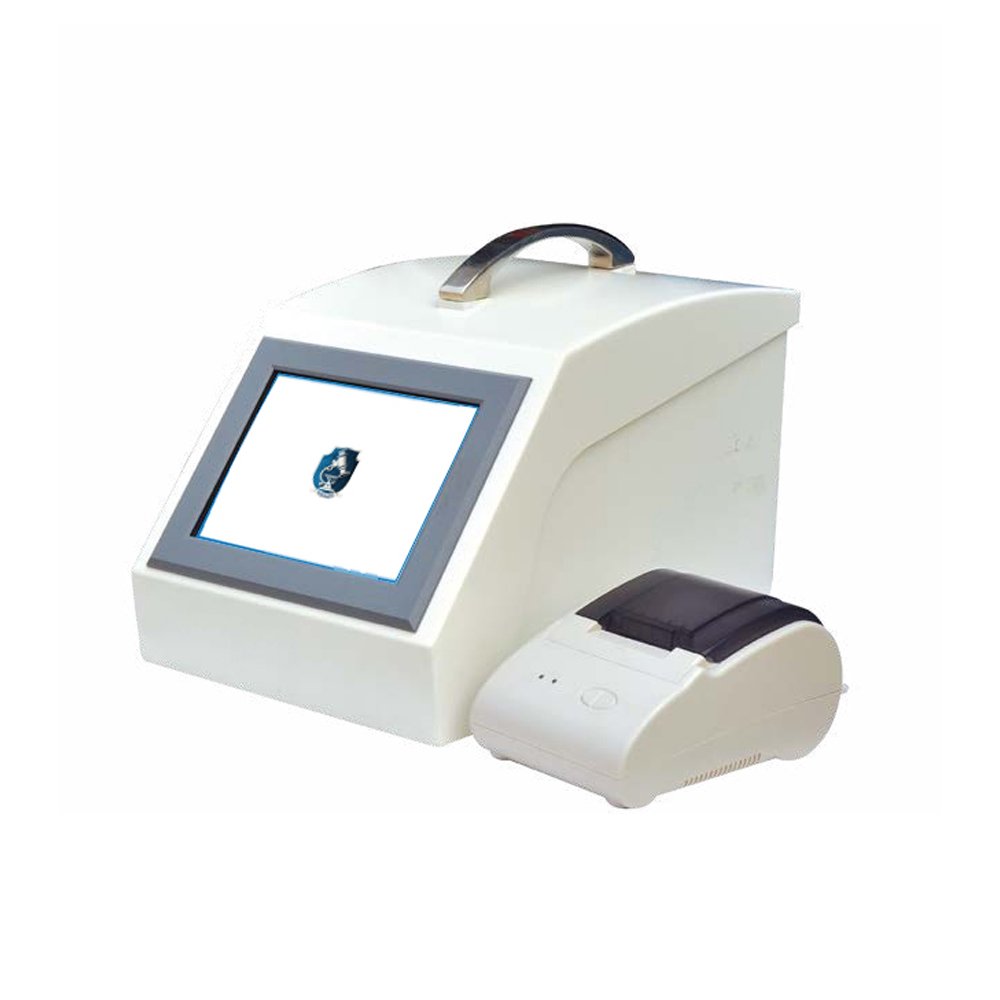
Total Organic Carbon (TOC) analyzers are quantitative analytical instruments used to measure organic carbon content in aqueous samples. They serve as critical quality control devices across purified pharmaceutical water, Water for Injection (WFI), semiconductor ultra-pure water, laboratory water testing, industrial wastewater discharge monitoring and other applications.
As global regulatory audits become increasingly stringent, organizations selecting TOC analyzers now look beyond basic measurement accuracy. Key considerations include compliance with pharmacopoeia standards, data integrity, 3Q validation implementation, audit trail functionality, and long-term total cost of ownership.
This guide covers TOC measurement principles, primary application sectors, common industry pitfalls, core selection criteria, routine validation and maintenance best practices. It is designed to support laboratory specialists, pharmaceutical engineering teams and QA professionals to avoid selection pitfalls and match instruments to project compliance requirements.
Keywords: TOC analyzer, Total Organic Carbon analyzer, pharmaceutical water TOC testing, offline TOC analyzer, online TOC monitoring, USP <643>, EP 2.2.44
1. What is a TOC Analyzer & the Fundamentals of TOC Testing
Total Organic Carbon (TOC) quantifies the total carbon contained within all organic compounds in a water sample and acts as an indirect indicator of organic contamination levels.
The standard TOC measurement workflow starts with sample acidification to purge inorganic carbon (TIC, including carbonates and bicarbonates). Remaining organic carbon is then oxidized and converted into carbon dioxide. A detector quantifies CO₂ to calculate the final TOC concentration.
Two primary oxidation technologies dominate the market, each suited to distinct sample matrices; no single method works universally for all sample types.
- UV-persulfate oxidation: Combines UV light with persulfate oxidant for low-temperature oxidation of organic matter. Widely used for low-level TOC measurement in high-purity water such as WFI, purified water and semiconductor ultra-pure water. This approach has simple consumable requirements and low carryover, ideal for ppb-level trace organic carbon analysis. It is also the preferred oxidation method recommended by major pharmacopoeias for pharmaceutical water testing.
- High-temperature catalytic combustion: Samples are injected into a heated combustion tube and oxidized with catalyst support. This method is suitable for high TOC concentrations, saline samples and matrices with suspended solids, including industrial wastewater, raw drug formulations and surface water. The tradeoff is periodic replacement of combustion tubes and catalysts, with higher routine maintenance workload.
Common detector types include Non-Dispersive Infrared (NDIR) and conductivity detectors. NDIR offers broad applicability across low and high concentration ranges. Conductivity detectors are typically deployed for low-concentration pure water applications, featuring compact design and fast response.
TOC measurement is an indirect quality control metric. Microbial activity, biofilm formation, raw material residues and leachables from piping are largely organic substances and will elevate TOC readings. For pharmaceutical operations, TOC serves as a key continuous monitoring parameter for water systems to identify contamination risk. It does not replace microbial testing; the two methods work as complementary quality controls.
2. Core Application Sectors & Unique Requirements per Use Case
2.1 Pharmaceutical Industry (Offline Laboratory TOC + Online TOC Monitoring)
Pharmaceutical manufacturing represents one of the largest and most heavily regulated segments for TOC instrumentation. Pharmacopoeia standards including USP <643> and EP 2.2.44 mandate TOC testing for purified water and Water for Injection. Instruments must pass system suitability testing using sucrose (easily oxidized) and p-benzoquinone (difficult to oxidize) reference standards. The response ratio must fall within defined limits to verify adequate oxidation efficiency.
Within GMP manufacturing facilities, two deployment models are common:
- Offline TOC analyzers: Deployed within QC laboratories for manual grab sample analysis. Ideal for ad-hoc multi-point sampling, routine testing, deviation investigations and sample analysis during validation activities.
- Online TOC monitors: Installed within water distribution loops, post-EDI and at points of use for 24/7 continuous data acquisition. Real-time monitoring identifies water system excursions and can trigger automated alarms to mitigate batch quality risk.
For biotech, vaccine and sterile drug manufacturing, software functionality is equally critical to hardware performance. Instrument software must support audit trails, role-based access control, immutable raw data storage and electronic signatures to meet FDA 21 CFR Part 11 data integrity requirements. During regulatory inspections, full traceability of sample IDs, operator identity, timestamps, calibration records and alarm logs helps reduce inspection findings.
2.2 Semiconductor Ultra-Pure Water
Chip and panel fabrication require ultra-high purity water. Trace organic contaminants directly impact wafer yield. TOC analyzers for this sector deliver ultra-low detection limits to continuously monitor organic loading across ultra-pure water treatment stages, controlling ppb-level organic impurities to stabilize production processes. Online TOC monitors are commonly integrated into the water treatment train with automated data logging systems.
2.3 Environmental Monitoring, Industrial Wastewater & Food and Beverage
Environmental laboratories and discharge operators test wastewater, surface water and groundwater to quantify organic pollutant loads and comply with environmental discharge regulations. Food and beverage manufacturers use TOC analysis for source water, clean-in-place rinse water and extractable testing to control organic contamination introduced during production. These matrices are often complex with wide TOC concentration ranges; high-temperature combustion TOC systems are widely adopted here.
3. Common Pitfalls When Selecting a TOC Analyzer
Many buyers focus solely on upfront price and published detection limits while overlooking compliance, validation and long-term operational risks. This can lead to failed validation, non-conformances during audits, high maintenance overhead and data drift after instrument installation.
Pitfall 1: Overemphasis on detection limit without verifying system suitability. Some instruments advertise impressive detection specifications but demonstrate insufficient oxidation efficiency for hard-to-oxidize compounds such as p-benzoquinone. If the sucrose/p-benzoquinone response ratio fails pharmacopoeia criteria, the instrument cannot pass GMP system suitability testing and cannot be used for regulated pharmaceutical water applications. Detection limit is a basic specification; system suitability is the critical gatekeeper for pharmaceutical TOC work.
Pitfall 2: Software lacking data integrity controls. Economy-grade TOC platforms may lack audit trails, cannot log data edits, and offer no role-based access, allowing manual modification of raw results. Data integrity gaps carry high risk during FDA and GMP inspections and frequently result in inspection observations.
Pitfall 3: High sample carryover (memory effect). Residual organics from high-concentration samples can contaminate subsequent low-level samples and produce falsely elevated readings. For trace high-purity water testing, even minor carryover creates measurement bias. Evaluate instrument flow path materials and automated rinse routines to mitigate cross-contamination.
Pitfall 4: Ignoring Total Cost of Ownership (TCO). Low purchase price may be offset by short consumable lifespans, high reagent consumption, long lead times for spare parts and extended downtime for servicing. When evaluating systems, calculate the full cost including UV lamps, pump tubing, oxidants, catalysts, annual calibration and preventive maintenance.
Pitfall 5: Confusing offline laboratory analyzers with online monitors. Online TOC instruments are designed for continuous process monitoring and cannot replace laboratory offline TOC analyzers. Online units excel at process alerting, while offline systems are required for definitive quantitation, system suitability testing and re-analysis of out-of-specification samples. Using online monitors for QC batch release is inconsistent with GMP and pharmacopoeia quality control principles.
4. Core Evaluation Criteria for TOC Analyzer Selection
4.1 Regulatory & Compliance Readiness
- Ability to complete pharmacopoeia system suitability tests with sucrose and p-benzoquinone reference standards, complying with USP and EP methodologies
- Software with audit trail, role-based user permissions, electronic signature, encrypted immutable raw data and export capabilities aligned with 21 CFR Part 11
- Supplier-provided validation documentation packages to support IQ/OQ/PQ instrument qualification, shortening GMP validation timelines
4.2 Hardware Performance Specifications
- Measurement range: 0–1000 ppb is typical for pharmaceutical pure water; wide-range systems are required for wastewater and raw formulation samples
- Detection limit and repeatability: For high-purity water, prioritize low detection limits and verify repeatability via replicate standard measurements
- Flow path materials: Sample-wetted components should use inert materials such as PTFE to minimize organic adsorption, leaching and blank contamination
- Built-in diagnostics: Instrument self-checks for pressure, UV lamp health, leaks and baseline status with automatic event logging to simplify troubleshooting
4.3 Service & Maintenance Support
Evaluate consumable interchangeability, spare part lead times, and local technical support availability. Confirm vendors can provide on-site installation, calibration, preventive maintenance and emergency repair. TOC analyzers are precision analytical tools; responsive after-sales support directly impacts laboratory and production uptime.
4.4 Communication & System Integration Requirements
For online TOC monitors, confirm supported communication protocols (Modbus, OPC UA etc.) and compatibility with BMS, SCADA and LIMS platforms. Automated data transfer reduces manual transcription error and streamlines report generation and archiving.
Selection Summary: Pharmaceutical QC laboratories should select offline TOC analyzers validated for system suitability and data integrity. Water production loops require complementary online TOC monitoring. For high-concentration, particulate or saline matrices, high-temperature combustion TOC systems are preferred.
5. Routine Validation, Calibration & Maintenance Best Practices
TOC analyzers require ongoing management to sustain reliable measurement performance after installation.
- System suitability testing: Perform sucrose / p-benzoquinone system suitability tests on a scheduled basis per internal risk assessment. Re-test after major instrument repair, replacement of critical components or following quality deviations. All results and raw records must be retained.
- Periodic calibration: Calibrate using certified reference materials to establish calibration curves and operate within valid calibration intervals. Blank testing must be performed to identify contamination from water, reagents or flow path surfaces.
- Routine maintenance: UV oxidation instruments require scheduled UV lamp and pump tube replacement. Combustion systems need periodic inspection of combustion tubes and catalysts. Automated flushing cycles before and after analysis reduce carryover.
- Data management: Retain all test, calibration, maintenance and alarm logs in immutable archives to satisfy regulatory traceability requirements.
- Deviation handling: Investigate out-of-specification TOC results to distinguish actual water contamination from instrument drift, flow path fouling or reagent degradation. Document full root-cause investigation reports.
Blank contamination is frequently overlooked. Water used for standard preparation and instrument rinsing must itself have low TOC. Elevated blank TOC raises baseline signals and distorts measurement results. TOC laboratory water must be controlled and tested routinely.
6. Industry Trends for TOC Analysis
Several clear trends are shaping the global TOC analyzer market:
- Elevated data compliance requirements: As regulators strengthen data integrity expectations, audit trail functionality and LIMS integration have become core differentiators for instrument platforms.
- Intelligent online monitoring: Online TOC instruments increasingly integrate self-diagnostics, automated cleaning and remote status visibility to reduce manual site inspection workload.
- Broader global instrument options: Multiple instrument manufacturers now deliver systems meeting international pharmacopoeia requirements for pharmaceutical water applications, with flexible lead times and local technical support options.
- End-to-end digitalization: Seamless data integration between instruments and plant/laboratory digital platforms enables unified workflows for sampling, testing, reporting and audit archiving, consistent with Quality by Design (QbD) principles.
No single instrument design can handle all sample types, regardless of manufacturer origin. Optimal performance depends on proper selection, correct installation, scheduled maintenance and standardized operating procedures. Even premium instruments can produce unstable data or fail validation if staff training is inadequate.
7. Conclusion
TOC analyzers deliver essential organic carbon quantitation for water quality control across pharmaceutical purified water, semiconductor ultra-pure water and environmental monitoring. For pharmaceutical manufacturers, instrument selection should never rely solely on hardware specifications and pricing. Priority evaluation points include pharmacopoeia-compliant system suitability, data integrity architecture and access to supporting 3Q validation documentation. Deploy offline laboratory analyzers and online process monitors according to intended use cases.
A robust and compliant TOC testing ecosystem combines instrument performance, certified reference materials, high-purity blank water, defined SOPs, operator training and structured maintenance. Before purchase, organizations should evaluate sample matrix, concentration range, regulatory obligations and long-term operational costs to select the right TOC solution and minimize quality and compliance risk.
This overview covers general selection and maintenance guidance. Final implementation should always be tailored to each organization’s unique processes and application requirements.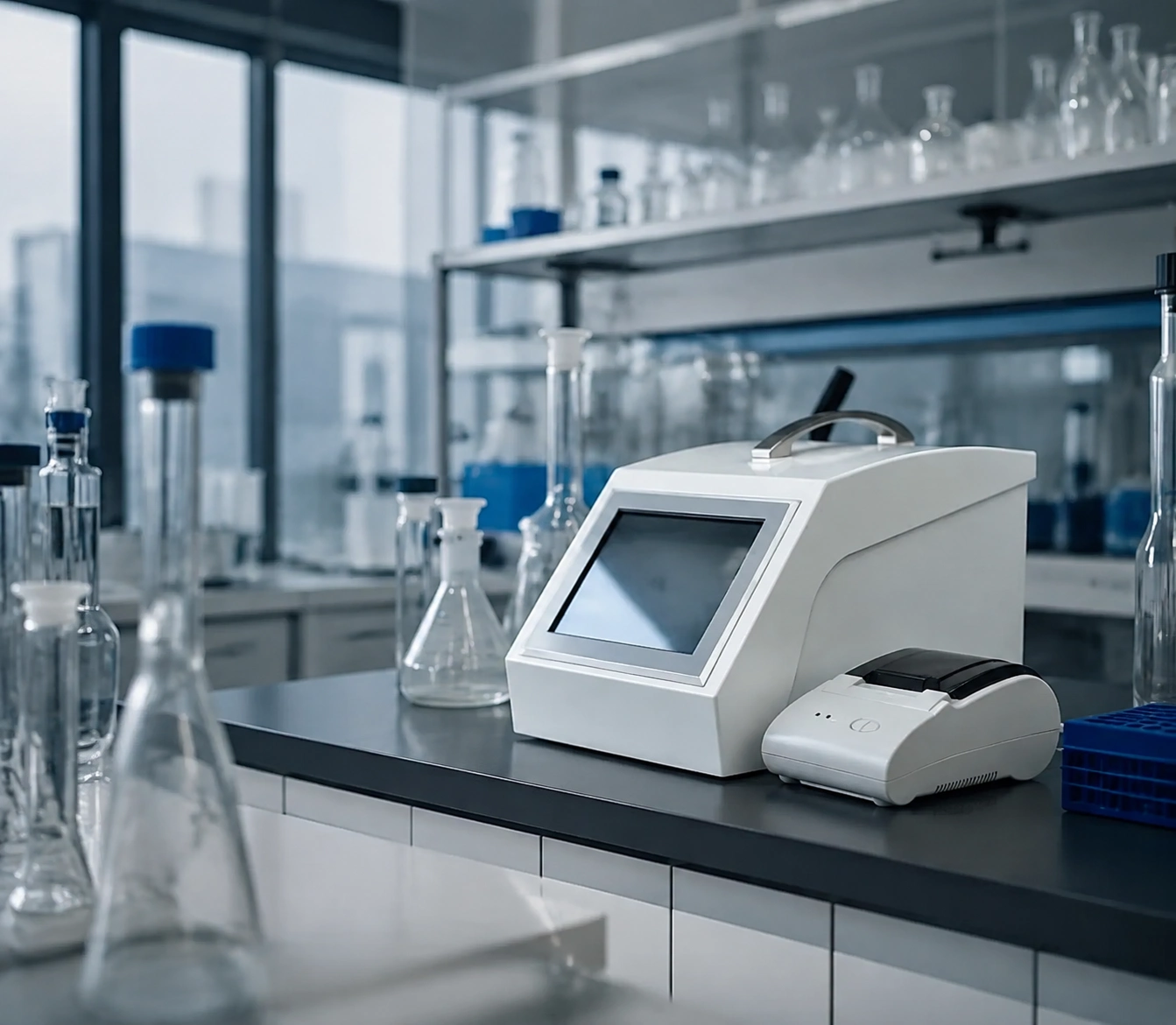
 Dutch
 English
 Russian
 Spanish
 Portuguese
 German
 French
 Italian
 Arabic
 Japanese
 Vietnamese
 Korean
 Malay
 Thai