

Lab Membrane Filter Material Selection & Compatibility 2026
Lab Membrane Filter Material Selection & Compatibility 2026
Introdução
In busy biopharmaceutical and pharmaceutical labs, picking the wrong lab membrane filter can do more than slow things down. It might harm product quality, mess up data accuracy, and break compliance rules. A poor match in filter material could lead to sample loss, clogging, or unwanted extractable contamination. When every tiny bit matters, these problems can wreck whole validation studies.
By 2026, things are changing quickly. Single-use filtration systems are booming. Labs need membranes with very low protein binding. The push to cut down extractables is reshaping daily operations. Stricter purity rules and faster biopharma research pipelines drive these shifts. Chemical compatibility and smart membrane filter selection are now must-haves for tasks like HPLC/UHPLC sample prep, sterile filtration, buffer exchange, and virus removal.
Labs often seek out trusted filtration suppliers. MedIntegridade stands out as a U.S.-based maker with over 15 years in pharmaceutical analytical instruments. It holds 28 patented technologies. MedIntegrity helps customers from choosing membranes to checking them after use. This support keeps FDA, GMP, USP, and EP compliance intact. It also ensures traceability under 21 CFR Part 11 standards.
This guide lays out a simple way to pick the best lab membrane filters. It focuses on chemical compatibility and application needs.
Key Lab Membrane Filter Materials Explained
Labs evaluate membrane materials based on more than just pore size. They check if the material is hydrophilic or hydrophobic. They look at flow rate, protein binding capacity, chemical resistance, thermal stability, and extractables profile. These traits decide if a filter works steadily with various solvents and biological samples.
Typical materials cover:
- PES (Polyethersulfone):It delivers fast flow with very low protein binding. PES suits aqueous biological samples and sterile filtration well.
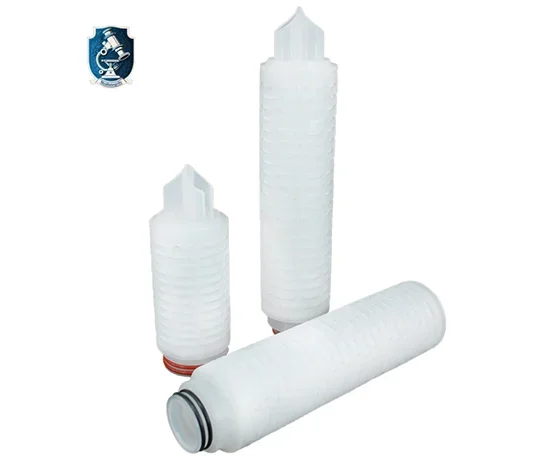
- PVDF (Polyvinylidene Fluoride):This provides solid chemical resistance and few extractables. It works great for blends of aqueous and organic solvents.
- PTFE (Polytetrafluoroethylene):The material is quite hydrophobic. It handles a wide range of solvents. PTFE fits aggressive organic solvents or gas filtration perfectly.
- Nylon:It has strong mechanical strength and good solvent compatibility. Nylon sees a lot of use in routine HPLC sample prep.
- Cellulose Acetate / Regenerated Cellulose / Mixed Cellulose Ester:These serve specific needs with targeted selectivity. But they have narrow pH limits.
Quick Reference Comparison Table
| Membrane Material | Hydrophilicity | Protein Binding | Chemical Resistance | Typical Use Case |
| PES | Hydrophilic | Very Low | Moderado | Aqueous/biological |
| PVDF | Hydrophilic/Hydrophobic options | Low | Elevado | Mixed solvents |
| PTFE | Hydrophobic | Very Low | Excellent | Organic solvents/gases |
| Nylon | Hydrophilic | Moderado | Good | HPLC sample prep |
| Cellulose Acetate | Hydrophilic | Low | Limited | Sterile aqueous |
Chemical Compatibility Basics
Chemical compatibility shows how a membrane holds up against certain reagents or solvents. Ratings like resistant, limited use, or not recommended help decide if the membrane stays intact during filtration.
If solvent chemistry and membrane type don’t match, it can cause leaching of additives. Or it might break down the filter media physically. This leads to slower flow rates or dirtier filtrate. Regulated labs can’t risk that.
Regulators are ramping up rules on low-extractable membranes. This matches USP <665>, EP guidelines, and FDA purity standards. The goal is safer biomanufacturing setups. For instance, in a recent case, a lab using mismatched filters saw 15% sample loss in a protein assay, forcing a full re-run.
Compatibility Matrix (Common Reagents)
| Reagent Type | Recommended Membranes |
| Buffers & Water | PES / PVDF |
| Organic Solvents | PTFE / Nylon |
| Acids/Bases | PTFE |
| Biological Fluids | PES / PVDF |
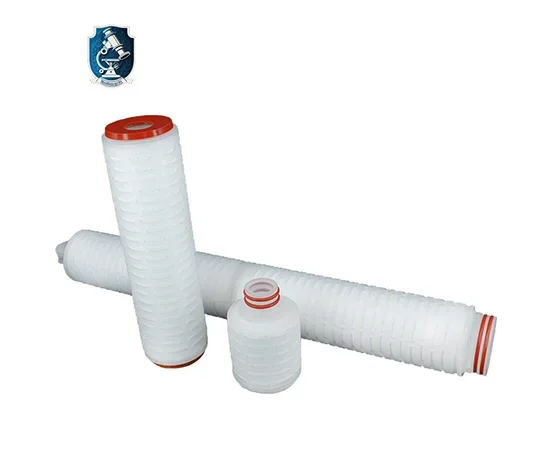
Validate each pair through tests. Even small additives in buffers can change results. Labs report that skipping this step often doubles processing time.
Sample-Type Compatibility and Real-World Application Scenarios
Various sample types require specific filter actions.
- Aqueous/Biological Samples:Proteins or monoclonal antibodies pair well with PES or PVDF membranes. These cut down on non-specific adsorption.
- Organic Solvents:PTFE or Nylon membranes endure acetonitrile and methanol. They avoid swelling or breakdown.
- High-pH Solutions:Hydrophobic PTFE types resist alkaline damage better than cellulose-based ones.
- Sterile Filtration:At 0.1–0.22 µm pore sizes, PES/PVDF lead for microbial retention. They balance speed and sterility well.
Practical cases show up in UHPLC pre-filtration to avoid column clogs. Or in sterile media prep before aseptic filling lines. Take a biopharma firm prepping vaccine batches: switching to PES filters boosted yield by 20% and cut contamination risks.
Pharmaceutical products like injectables and infusion solutions must meet strict quality marks. These include items that touch open wounds. Membrane filter technology helps at key spots. It removes particles or microbes that could spoil a product.
Come 2026, automation will take over. Filters linking digitally to automated samplers will speed up high-volume workflows. Traceability stays strong, though occasional software glitches remind teams to double-check connections.
Quick Selection Guide & Decision Framework for 2026 Labs
A clear step-by-step process cuts time and avoids compliance issues.
- Pin down sample type, like aqueous or organic.
- Spot the solvent chemistry, whether acidic, basic, or neutral.
- Pick pore size for what needs retaining, often 0.1–0.45 µm.
- Match regulatory needs, such as USP/EP/FDA.
- Weigh throughput demands against pressure limits.
Fast Checklist
- Verify chemical compatibility from vendor data sheets.
- Review extractables/leachables test results.
- Align pore size with microbial challenge tests.
- Record all details in GMP batch logs.
Watch for traps like overlooking extractables in sensitive LC-MS tests. Or guessing flow rates wrong, which stalls automated cycles. In one facility, ignoring pressure limits caused a 30-minute delay per run.
“The integrity of the sterilised filter assembly should be verified by integrity testing before use, to check for damage and loss of integrity caused by the filter preparation prior to use. A sterilising grade filter that is used to sterilise a fluid should be subject to a non-destructive integrity test post-use prior to removal of the filter from its housing.” MedIntegrity’s Filter Integrity Testers handle these automatically. They use bubble point, diffusive flow, pressure hold, and water intrusion methods. This lines up with EU GMP Annex 1 (2022) guidelines.
Best Practices and Efficiency Optimization
To get the most recovery:
- Pre-wet hydrophobic membranes correctly before starting.
- Go for low-binding options like PES with proteins.
- Keep dead volume small in housings to limit sample loss.
- Track pressure changes during runs. Sharp jumps signal early fouling.
Sustainability matters more now. Single-use ease clashes with green goals. Recyclable housings or mixed reusable systems help balance it. Industry data shows a 10-15% drop in waste when labs adopt these.
Heading into 2026, composite membranes will mix polymers for sharper selectivity in blended solvents. They keep extractables low. Early trials suggest 25% better flow in tricky mixes, but scaling production remains a challenge.
Conclusão
Smart picks of lab membrane filters, based on chemical compatibility, protect data accuracy and regulatory rules in today’s pharmaceutical tasks. From sterile drug making to analytical sample prep, steady filtration performance matters. Reliable testing gear validates it all.
MedIntegrity leads with its range of Filter Integrity Testers, Glove Integrity Testers (including the WGT-1200 series used by BeiGene USA), TOC Analyzers, and other precise tools for global GMP work.
Teaming with MedIntegrity brings hardware plus years of filtration know-how. It’s built for the fast-paced biopharmaceutical manufacturing of tomorrow.
FAQs
Q1: What are the most important properties to consider when selecting PES, PVDF, PTFE, or Nylon membranes for biopharmaceutical sterile filtration?
A: Look at hydrophilicity/hydrophobicity balance, protein binding levels, solvent resistance, thermal stability, and extractables profile based on the application type.
Q2: How can chemical incompatibility between a membrane material and process solvents affect filtration performance?
A: It may cause leaching of additives or structural degradation of the membrane surface. This leads to reduced flow rates or compromised purity that violates cGMP standards.
Q3: Which lab membrane filter materials provide the lowest protein binding for handling sensitive aqueous biological samples like monoclonal antibodies?
A: PES offers extremely low protein binding followed closely by PVDF. Both minimize sample adsorption losses during sterile filtration steps.
Q4: What key information should pharmaceutical laboratories consider when selecting and validating membrane filters?
A: In 2026, laboratories must focus on USP <665> requirements for low extractables in single-use systems.
Q5: How does integrating membrane filter material selection with automated filter integrity testing contribute to consistent process validation in GMP environments?
A: Integrating material selection with automated filter integrity testing (bubble point, diffusive flow, pressure hold) creates a complete validation loop.
 Portuguese
  English
  Russian
  Spanish
  German
  French
  Italian
  Arabic
  Dutch
Dutch  Japanese
  Vietnamese
  Korean
  Malay
Malay  Thai
Thai