

MedIntegrity Total Organic Carbon (TOC) Analyzer Technical Whitepaper
MedIntegrity Total Organic Carbon (TOC) Analyzer Technical Whitepaper
Note: This whitepaper applies to MedIntegrity Total Organic Carbon Analyzers (TOC Analyzers, TOC Meters).
Total Organic Carbon (TOC) serves as a core comprehensive indicator to quantify the total amount of trace organic contaminants in water. Compared with conventional macro detection metrics such as COD and BOD, TOC delivers higher detection sensitivity and better targeting capability for quantifying trace organic contamination. It has become a mandatory core test item for process water quality control, compliance audits and data integrity management across the global pharmaceutical industry.
In pharmaceutical manufacturing, trace organic substances present in Purified Water, Water for Injection, Pure Steam and process liquid formulations constitute hidden critical risks that may trigger pyrogenic reactions, excessive impurities, reduced product stability and batch failures. With the revision of United States Pharmacopeia (USP) and European Pharmacopoeia (EP) standards, tightening global GMP compliance audits, and full implementation of FDA 21 CFR Part 11 data integrity requirements, TOC testing has evolved from an optional test into an indispensable routine requirement for daily quality control, process validation and continuous compliance of pharmaceutical water systems worldwide.
Centered on global pharmaceutical applications while covering environmental monitoring, semiconductors, water supply, scientific research and other general sectors, this whitepaper systematically describes the detection principle, instrument architecture, international pharmacopoeia compliance standards, pharmaceutical-specific application scenarios, FDA data management requirements, instrument selection criteria and global technical trends of MedIntegrity TOC analyzers. It provides rigorous, compliant and actionable technical references for multinational pharmaceutical manufacturers, international pharmaceutical engineering firms, global validation organizations and third-party testing laboratories.
1. Industry Background & Core Value for Global Pharmaceutical Operations
1.1 Mandatory TOC Control Requirements in the Global Pharmaceutical Industry
Pharmaceutical quality and safety are highly dependent on the purity of process water. Purified Water and Water for Injection act as fundamental media for the production of APIs, finished dosage forms, sterile products and biopharmaceuticals. Traditional water quality indicators only reflect macroscopic contamination levels and fail to capture trace organic pollutants. These low-concentration organics tend to accumulate throughout manufacturing workflows, leading to compromised product purity, elevated pyrogen levels, reduced shelf-life stability and excessive batch-to-batch variation — widely recognized hidden quality hazards in international pharma.
Current USP, EP, global GMP and FDA regulatory guidelines explicitly mandate routine TOC monitoring for pharmaceutical water systems. TOC data is used to assess contamination status of water generation systems, aging activated carbon, exhausted ion exchange resins, biofilm proliferation within pipelines and fluctuations of raw water organic loading. TOC analyzers have become standard analytical instruments for water compliance documentation, system validation, routine operational inspections and deviation investigations for pharmaceutical enterprises worldwide.
Beyond pharmaceuticals, TOC measurement provides fundamental quantitative data for water quality control in global environmental monitoring, advanced semiconductor manufacturing, municipal water supply and international scientific testing, with broad application and high industry acceptance globally.
1.2 Core Value of TOC Testing for Global Pharmaceutical Manufacturing
Mandatory compliance with international pharmacopoeia: Complies with USP, EP and global GMP requirements for organic impurity control in pharmaceutical water, serving as essential evidence for in-house testing, FDA official sampling inspections and on-site audits by international third parties.
Precise identification of trace risks: Detects trace organic contamination undetectable by conventional water metrics, enabling early warning of pipeline biofilm growth, aging water treatment consumables and raw water quality shifts to mitigate pharmaceutical product quality risks at the source.
Supports full-lifecycle water system validation and deviation handling: Supplies continuous, accurate and traceable quantitative data for IQ/OQ/PQ validation, annual revalidation, long-term trend analysis and root-cause investigation of production anomalies, aligning with international pharmaceutical process validation frameworks.
Complies with international ALCOA+ data integrity principles: Standardized data storage, hierarchical access control and complete audit trails fully satisfy the FDA 21 CFR Part 11 global data compliance framework, eliminating audit deficiencies including data tampering, missing records and untraceability.
Guarantees batch consistency for globally marketed pharmaceuticals: Continuous routine TOC monitoring stabilizes organic loading of process water, reduces batch variation across multinational production sites and enhances safety and quality consistency of pharmaceutical products sold globally.
1.3 Application Value for General Global Industries
Outside core pharmaceutical use cases, MedIntegrity TOC testing solutions are widely adopted for global environmental water monitoring, ultra-pure water control in advanced semiconductor fabrication, municipal drinking water safety screening and cross-border third-party research testing. The technology quantifies organic contamination across diverse water matrices and delivers technical support for refined, standardized water quality management across industries.
2. TOC Detection Principle & Technology Routes for Global Pharmaceutical Applications
The core working principle of TOC measurement is to fully oxidize organic components in water samples into carbon dioxide. The carbon dioxide concentration is precisely quantified and converted to calculate total organic carbon content. Two mainstream technical routes are available in the industry. Among them, the UV-persulfate oxidation method (including direct UV oxidation conductivity type) is the dominant standard selection for Purified Water and Water for Injection testing in global pharmaceutical manufacturing. High-temperature combustion oxidation is primarily applied to wastewater, surface water and other complex matrices with high impurity loads and is rarely deployed for high-purity pharmaceutical water testing.
2.1 UV-Persulfate Oxidation Method
High-energy ultraviolet irradiation coupled with persulfate oxidizer achieves complete oxidation of trace organic contaminants in pharmaceutical water into carbon dioxide under mild ambient temperature and low-pressure conditions. Differential conductivity detection is adopted for high-precision quantification. The instrument contains no high-temperature combustion assembly, features minimal thermal degradation, low blank values and outstanding operational stability, well suited for trace-level analysis of high-purity water.
Pharmaceutical-specific advantages: Ultra-low detection limit, stable baseline, minimal blank contamination and zero cross-contamination risk. Fully meets USP and EP pharmacopoeia requirements for trace TOC quality control of Purified Water, Water for Injection and sterile process water. Minimal long-term data fluctuation satisfies high-precision testing demands of global pharmaceutical laboratories.
Primary application scenarios: Global chemical pharmaceuticals, biopharmaceuticals, botanical drug preparations, sterile formulations, high-end medical device rinse water and pure steam condensate testing for pharmaceutical facilities.
2.2 High-Temperature Combustion Oxidation Method
A measured volume of water sample is injected into a catalytic combustion furnace operating above 900°C. High-temperature catalysis enables full oxidation of carbon fractions. This method delivers high oxidation efficiency, wide measurement range and strong anti-interference performance, suitable for highly contaminated complex water matrices.
Application scenarios: Pharmaceutical plant wastewater, municipal effluent, surface water and environmental monitoring water samples. Not applicable for compliance testing of high-purity pharmaceutical process water.
2.3 Definition of Key Measurement Parameters
TOC (Total Organic Carbon): Mandatory core quality indicator for pharmaceutical water globally, directly reflecting organic contamination level; a required test specified by USP and EP. NPOC (Non-Purgeable Organic Carbon): Standard mainstream measurement mode for pharmaceutical water samples internationally, featuring high throughput and excellent stability for routine high-volume water quality testing. TC (Total Carbon) / TIC (Total Inorganic Carbon): Used for full carbon speciation analysis of water samples to accurately eliminate carbonate interference and ensure precision and compliance of pharmaceutical TOC results.
3. Core Instrument Architecture & Pharmaceutical-Grade Performance Specifications
3.1 Core Functional Modules
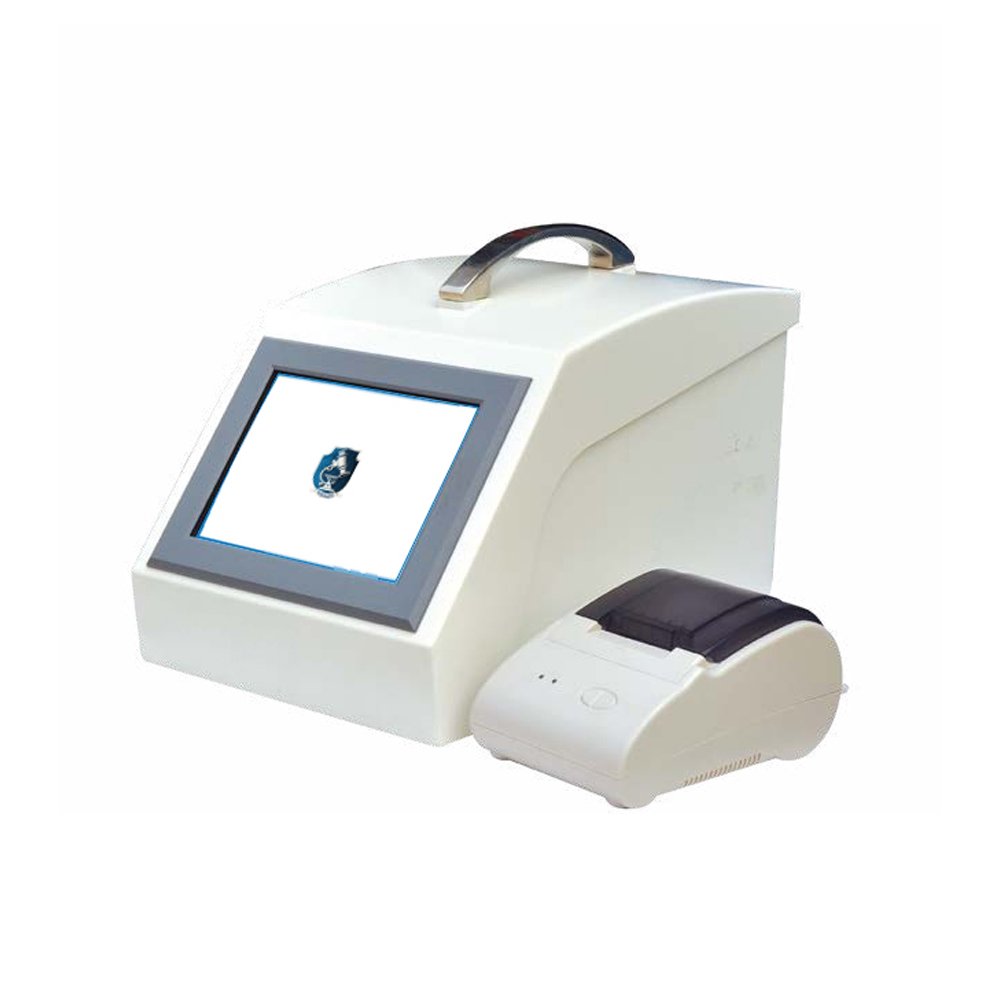
MedIntegrity pharmaceutical-grade TOC analyzers adopt a modular architecture dedicated to high-purity water analysis, with specialized structural optimization for trace analysis of Purified Water and Water for Injection in global pharmaceutical sites. The design addresses blank interference from high-purity water, system carryover contamination, data drift and international audit non-compliance challenges. It supports long-term continuous monitoring, water system validation and routine GMP international audits for pharmaceutical manufacturers worldwide. Each functional unit is engineered as follows:
Low-Residue Clean Sampling Unit: Constructed with low-adsorption, contamination-free tubing and valve materials to avoid baseline elevation caused by organic leachables. Automated quantitative sampling paired with intelligent pipeline rinse logic minimizes sample carryover and cross-contamination, preserving background purity for ppb-level trace analysis of high-purity water to meet international pharmaceutical cleanliness standards.
Stable UV Catalytic Oxidation Unit: Equipped with a long-life UV oxidation system paired with precisely controlled micro-dosing of oxidant to fully oxidize trace organics under mild ambient conditions. No combustion furnace eliminates carbon buildup and thermal drift, maintaining constant oxidation efficiency over extended runtime to meet requirements for high precision and low variability for high-purity pharmaceutical water.
High-Precision Gas Pressure Stabilization & Purification Unit: Multi-stage gas regulation, dehumidification and impurity removal isolate interference from ambient temperature, humidity and airborne contaminants. It sustains stable instrument baselines, ensures inter-batch repeatability and fulfills USP and EP pharmacopoeia specifications for measurement stability and reproducibility.
High-Sensitivity Conductivity Detection Unit: Incorporates pharmaceutical-grade high-sensitivity differential conductivity detector with high signal resolution and low noise. Captures faint signals generated from trace organic carbon conversion to deliver reliable quantification of ultra-low TOC concentrations, meeting pharmacopoeia limit requirements.
International GMP-Compliant Data Management Unit: Dedicated pharmaceutical data system supports four-tier access control, complete audit trails, permanent raw data retention, tamper-proof encryption and automatic log recording. Fully aligned with ALCOA+ data integrity principles, it satisfies FDA 21 CFR Part 11 and global GMP international audit standards.
3.2 Core Pharmaceutical-Grade Performance Specifications
Under standardized water samples and compliant laboratory conditions in accordance with USP and EP pharmacopoeia and global GMP audit requirements, key performance metrics of MedIntegrity full-series TOC analyzers are listed below:
Limite de detecção: ≤0.001 mg/L (1 ppb), meeting high-precision trace organic contamination testing requirements of international pharmacopoeia. Repeatability (RSD): ≤2.0%, delivering excellent data stability for water trend analysis and full-lifecycle process validation for global pharma. Data Storage & Traceability: Large-capacity local storage retains complete data logs, operation records and audit trails permanently. Records can be exported and archived anytime to satisfy long-term FDA audit traceability and international compliance documentation.
4. International Compliance Framework
4.1 Core Compliance References for Global Pharmaceutical Industry
United States Pharmacopeia (USP): Defines TOC test specifications, limit values and testing protocols for Purified Water and Water for Injection, serving as the primary compliance reference for pharmaceutical operations in North America and most global markets. Global GMP (Good Manufacturing Practice): Mandates end-to-end quality control systems for pharmaceutical process water. TOC data must be truthful, accurate, complete and traceable in adherence to ALCOA+ data integrity principles. FDA 21 CFR Part 11: Governs electronic records and electronic signatures to satisfy audit requirements for export-focused, foreign-owned and multinational manufacturing sites. European Pharmacopoeia (EP) & United States Pharmacopeia (USP): Compatible with quality control and compliance standards for pharmaceutical production across the EU, North America, Southeast Asia and other major global pharmaceutical markets.
4.2 Reference Standards for General Industries
ISO 7022:2019 Water quality — Determination of total organic carbon (TOC) — International general method ISO 8467:1993 Water quality — Guidelines for the measurement of total organic carbon EPA Method 415.1 Total Organic Carbon in Water
4.3 Pharmaceutical-Specific Compliance Capabilities
The full workflow of data acquisition, storage and output of MedIntegrity TOC analyzers strictly follows the ALCOA+ international data integrity principles. Multi-tier account access management, end-to-end audit trails, tamper-proof encryption of raw data and automatic retention of operational logs help global pharmaceutical companies build standardized, full-scope pharmaceutical water QC compliance systems. The instrument supports in-house routine testing, FDA official inspections, third-party international audits and cross-border GMP verifications.
5. Global Application Segments
5.1 Global Biopharmaceutical Industry
Covers global chemical pharma, biotech, botanical drug preparations, sterile formulations, high-end medical devices and international cosmetic manufacturers. The analyzer performs routine TOC monitoring for Purified Water, Water for Injection, sterile process water, pure steam condensate and equipment rinse water. It supports routine water system inspections, monthly water trend analysis, annual process validation and root-cause investigation of manufacturing deviations. The system provides early alerts for exhausted activated carbon, degraded RO membranes, pipeline microbial proliferation and rising raw water organic loading. It safeguards consistent pharmaceutical production quality from the water source and maintains continuous compliance with international pharmacopoeia and global GMP.
5.2 Semiconductors & Precision High-End Manufacturing
Used for real-time organic contamination monitoring in ultra-pure water systems for semiconductor and precision electronics fabrication. It mitigates yield loss and precision defects caused by trace organic residues and stabilizes global high-precision manufacturing workflows.
5.3 International Drinking Water & Municipal Water Supply
Deployed for organic contaminant screening of raw source water, finished water and pipeline distribution networks across countries. It delivers precise data for public drinking water safety control and complies with international municipal water regulatory standards.
5.4 Global Environmental Monitoring & Scientific Research
Suitable for quantitative analysis of organic pollutants in surface water, industrial wastewater and site effluent. It also provides standardized testing for international universities, multinational research institutes and third-party global testing platforms, supporting water research and environmental governance worldwide.
6. Global Instrument Selection Guidelines
6.1 Selection by Industry Application
Global Pharmaceutical Industry: Prioritize UV-persulfate oxidation TOC instruments. Featuring low blank baselines, ppb-level ultra-low detection limits, freedom from high-temperature contamination and exceptional data stability, these instruments fully meet international pharmacopoeia requirements for high-purity water testing and satisfy FDA and GMP global data integrity compliance. Global Environmental / Wastewater / Surface Water: High-temperature combustion oxidation models are recommended for complex, high-impurity natural water and industrial effluent matrices.
6.2 Selection by Operating Scenarios
Pharmaceutical Laboratory QC: Benchtop fully automatic pharmaceutical-specific models for routine batch testing, retained sample re-analysis and standardized process validation testing for international pharma sites. Pharmaceutical Water Generation Plant Monitoring: Online TOC monitors deliver 24/7 continuous real-time tracking of water system fluctuations, early warning of process anomalies and uninterrupted compliant production.
6.3 Recommended Priority of Selection Criteria for Global Pharmaceutical End Users
International pharmacopoeia compliance > FDA data integrity capability (audit trail / anti-tampering) > global after-sales service network > ultra-low detection limit & measurement repeatability > long-term operational stability > intelligent automatic operation capability > low maintenance cost
7. Global Industry Pain Points & Technical Advantages of MedIntegrity Pharmaceutical-Grade TOC Analyzers
7.1 Traditional Testing Pain Points in Global Pharmaceutical Manufacturing
- Conventional water quality indicators lack sufficient sensitivity to detect trace organic contamination, making early warning of hidden process risks difficult.
- Generic instruments exhibit high blank values and poor stability and fail to meet ppb-level precision required by USP and EP pharmacopoeia.
- Standard instruments lack built-in audit trails and access management. Alterable or lost records create high risks of failing FDA and global GMP international audits.
- Manual recording workflows are cumbersome with difficult traceability, frequently triggering data integrity non-conformities and international audit risks.
- Severe long-term data drift on conventional analyzers prevents reliable long-term water trend analysis and full-lifecycle process validation of pharmaceutical water systems.
7.2 Core International Advantages of MedIntegrity Pharmaceutical-Grade TOC Analyzers
Pharmacopoeia-grade high-precision measurement: ppb-level ultra-low detection limit reliably captures trace organic contamination in pharmaceutical water and fully complies with USP and EP pharmacopoeia limit specifications. Full-spectrum international data compliance framework: Hierarchical access control, complete audit trails, permanent log retention and tamper-proof encryption of raw data fully satisfy stringent ALCOA+, global GMP and FDA 21 CFR Part 11 requirements. Low-contamination, high-stability analytical system: Imported clean tubing and low-blank baseline design eliminate sample cross-contamination for long-term testing of high-purity pharmaceutical water. Fully automatic low-maintenance international design: Supports auto-calibration, automated measurement and automatic data archiving, minimizing manual operational bias and fitting standardized routine maintenance for global pharmaceutical manufacturers. Enables full-lifecycle process validation and deviation investigation: Stable, traceable standardized long-term data supports water trend analysis, water system validation and root-cause investigation of production anomalies, helping global pharma maintain continuous compliant operations.
8. Global Industry Development Trends
8.1 Continuous Tightening of Data Compliance Standards in Global Pharma
Regulators including FDA and EU authorities are strengthening inspections on data integrity, originality and traceability of pharmaceutical records. Compliant TOC analyzers equipped with intelligent audit trails, hierarchical permission management and electronic log retention have become standard equipment for modern pharmaceutical facilities globally.
8.2 Wide Adoption of End-to-End Real-Time Monitoring for Pharmaceutical Water Systems
Global pharmaceutical water quality control is shifting from periodic grab sampling to 24/7 continuous online monitoring. Online TOC monitoring systems are evolving into standard core configurations for Purified Water and Water for Injection generation systems worldwide.
8.3 Accelerated Global Substitution by Premium International-Brand Analytical Instruments
International pharmaceutical analytical instruments represented by MedIntegrity keep advancing in pharmacopoeia compatibility, FDA data compliance and long-term stability. With cost-performance advantages, global service and local adaptation capabilities, these solutions gradually replace legacy imported equipment and become preferred options for pharmaceutical manufacturers worldwide.
8.4 Intelligent Linked Multi-Parameter Water Data Management
Water quality control in global pharma enters an intelligent era. TOC data will interconnect with conductivity, microbiology, total hardness and other key water parameters to realize intelligent risk alerting and full-process automatic quality control of pharmaceutical water systems.
9. Conclusion
TOC testing serves as a core technical tool for process water quality control, international GMP compliance audits and FDA data integrity management in today’s global pharmaceutical industry. It is an essential measure to mitigate organic contamination risks for pharmaceutical products, guarantee global drug safety and successfully pass regulatory inspections and third-party international audits worldwide. Compared with conventional water quality metrics, TOC offers superior sensitivity to trace organic contamination in pharmaceutical water and stronger alignment with international compliance requirements, forming an indispensable standardized QC component of modern pharmaceutical manufacturing.
MedIntegrity full-series TOC analyzers are also applicable across global environmental monitoring, advanced semiconductor manufacturing, international municipal water supply and cross-border scientific research, with broad industry versatility and international deployability. Moving forward, as global pharmaceutical compliance standards keep evolving, intelligent, highly compliant and low-maintenance pharmaceutical-specific TOC instruments will lead refined water quality control worldwide, empowering pharmaceutical manufacturers to achieve standardized production, international compliant operation and enhanced product quality.
 Portuguese
  English
  Russian
  Spanish
  German
  French
  Italian
  Arabic
  Dutch
Dutch  Japanese
  Vietnamese
  Korean
  Malay
Malay  Thai
Thai