

Reduce Isolator/RABS Downtime with Wireless Glove Integrity Testing
Reduce Isolator/RABS Downtime with Wireless Glove Integrity Testing
In aseptic pharmaceutical manufacturing, glove testing can quietly decide whether a line starts on schedule or waits. The delay may come from a glove port that needs retesting, an unclear glove ID, a tester moving between RABS sections, or QA holding review because the test record is incomplete.
For isolators and RABS, gloves are part of the barrier system that protects the Grade A processing zone. A small pinhole, weak cuff seal, or damaged glove surface can become a contamination risk. In GMP aseptic production, glove testing is usually managed as part of the site’s contamination control strategy and routine barrier integrity program.
Still, glove leak testing should not become a slow manual checkpoint that pushes back batch start, intervention review, or campaign changeover. Wireless glove integrity testing helps pharmaceutical manufacturers control barrier integrity with less waiting. For high-throughput aseptic lines, the value is not only the test result. It is the faster workflow around testing, traceability, and review.
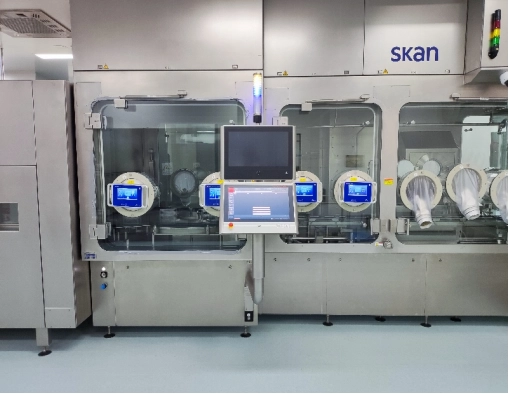
Why Glove Testing Creates Downtime in Isolator and RABS Operations
More Glove Ports Mean More Testing Pressure
Aseptic lines may include multiple glove positions for component transfer, stopper handling, line setup, maintenance access, and operator interventions. Each glove position may need inspection and testing based on site procedures.
A short test cycle can still become a production issue when repeated across 10, 20, or more glove ports. The actual pressure test is only part of the workflow. Operators also need to prepare the glove tray, check the connection, stabilize pressure, record the result, and manage any retest.
When those steps happen one by one, the waiting time builds quickly. The barrier system may be ready, but the glove testing workflow is still behind.
Manual Records Add Review Time
Glove integrity testing is not complete until the result can be reviewed and traced. QA needs a clear record showing which glove was tested, when it was tested, who performed the test, and whether the result met the approved criteria.
A useful record should include:
| Record Item | Why It Matters |
| Glove ID or port number | Confirms the exact test position |
| Test date and time | Links the result to the production activity |
| Operator information | Supports accountability |
| Test result | Supports release or follow-up decisions |
| Аудиторский след | Shows controlled record activity |
When this information is handwritten or stored across disconnected files, small errors can delay review. A missing glove number or unclear timestamp creates follow-up work. In GMP production, unclear data often takes longer to resolve than the test itself.
How Wireless Glove Integrity Testing Shortens the Testing Window
Fewer Physical Connections Around the Barrier System
Isolators and RABS already have defined access points, glove ports, transfer interfaces, and operating procedures. Extra cable handling around the barrier system can slow routine testing and make the workflow less consistent.
Wireless communication reduces that friction. A wireless glove integrity tester allows operators to move through testing with fewer physical connections and a cleaner link between the glove position and the test record.
This is a practical gain, not just a technical feature. In production, fewer setup steps can help avoid small delays that accumulate across a full line.
Multi-Unit Testing Reduces One-by-One Waiting
The strongest downtime reduction comes from testing multiple glove positions within a coordinated workflow.
МедИнтегрити WGT-1200 is designed for online multi-unit glove integrity testing. One PC can communicate with up to 10 detection units, which helps larger isolators, RABS lines, and multi-port barrier systems reduce one-by-one testing delays.
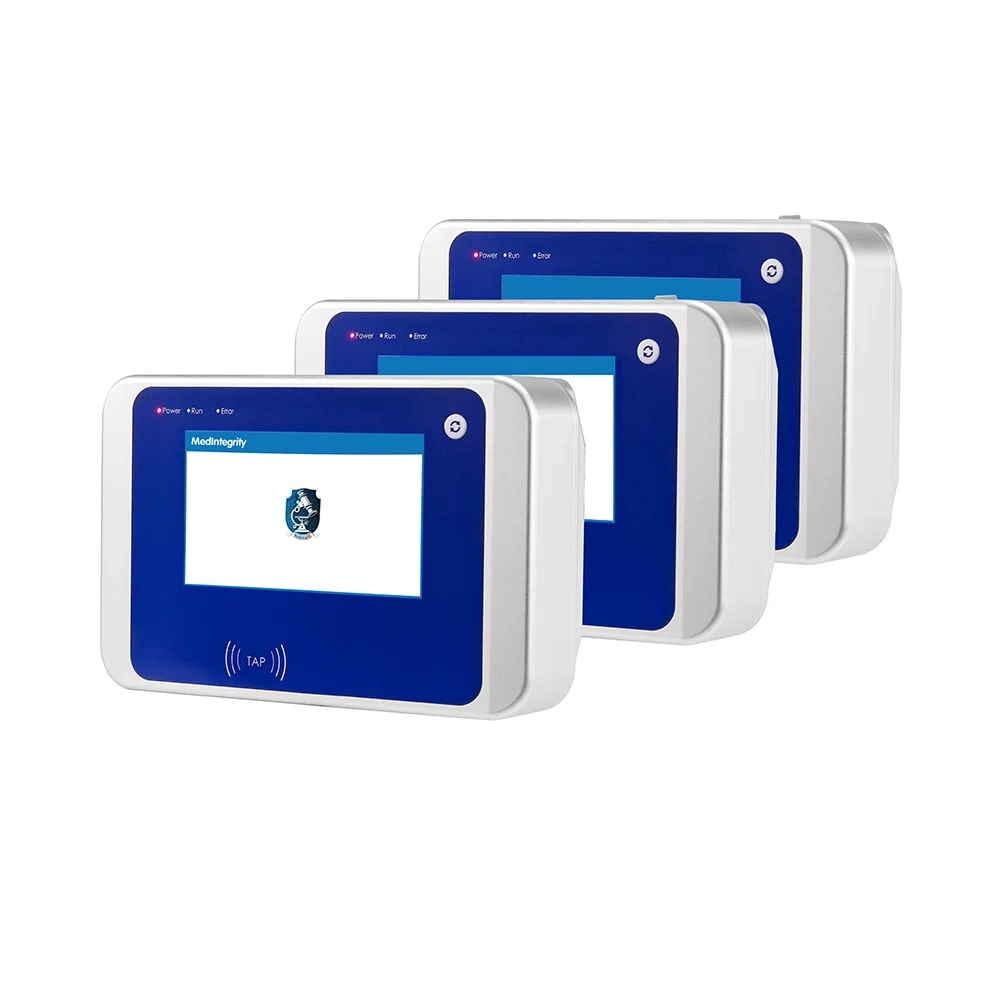
For production teams, this supports line availability. For QA teams, it creates cleaner test records. For validation and maintenance teams, it makes routine isolator glove testing easier to repeat across different glove positions.
Choosing a Glove Integrity Tester for Isolator and RABS Workflows
WGT-1200 for High-Throughput Multi-Port Barrier Systems
A high-throughput aseptic line needs more than a simple pass/fail device. It needs a glove integrity tester that fits the test volume, documentation requirements, and operating schedule.
MedIntegrity WGT-1200 supports wireless PC communication and multi-unit online testing. RFID helps link each result to the correct glove number, while audit trail and data export reduce manual work during review. Software functions related to electronic records and electronic signatures also support regulated production environments.
The value is not a long feature list. The value is fewer avoidable delays. When glove ID, test result, user activity, and data export are connected in one workflow, QA can review results with less back-and-forth.
MedIntegrity has also documented customer use of WGT-1200 in pharmaceutical applications, including a BeiGene USA case involving 20 sets of WGT-1200. That kind of application signal helps procurement teams see the product in a real B2B context rather than only as a catalog item.
WGT-1000 for Flexible Online Glove Leak Testing
Some facilities need a more mobile setup for routine glove leak testing across different isolator or RABS configurations.
MedIntegrity WGT-1000 supports wireless communication, built-in air supply, battery operation, RFID identification, replaceable glove trays, and online testing without removing the glove. A typical 2–8 minute test cycle can help facilities manage routine checks without adding unnecessary handling.
This is useful for pharmaceutical manufacturers and CDMOs that manage different products, batch sizes, and barrier system layouts. A flexible glove integrity tester helps keep the method consistent while adapting to daily production needs.
What Procurement and QA Teams Should Check Before Buying
A glove integrity tester affects production scheduling, QA review, maintenance routines, and audit preparation. Buyers should look beyond the device specification and review how the system will work on the actual isolator or RABS line.
A suitable glove integrity tester should fit the actual isolator or RABS layout, not only the required test method. Testing speed matters, but so do glove port quantity, data handling, disinfection routine, operator workflow, and documentation expectations.
Selection Checklist for Aseptic Pharmaceutical Lines
Key buying questions include:
- Can the tester support online glove testing without removing the glove?
- Does wireless communication fit the isolator or RABS layout?
- Can multiple units test glove ports within the same production window?
- Does RFID reduce manual glove ID entry?
- Are audit trail and data export available for QA review?
- Are electronic records and signatures supported where required?
- Can glove trays match different glove sizes and materials?
- Is the tester suitable for routine disinfection procedures?
- Can the supplier support model selection based on glove port quantity and test frequency?
These questions help buyers compare real operating value. A device may look acceptable on a specification sheet, but if it slows operators, creates extra documentation work, or cannot match glove port variation, the hidden cost appears later as downtime.
Applications in Aseptic Pharmaceutical Equipment Workflows
Isolator-Based Production Lines
Isolator-based lines often require glove checks before production, after glove replacement, and after defined interventions. Wireless glove integrity testing helps shorten the waiting time around these checks while keeping traceable results.
RABS Filling Lines
RABS lines may include several operator access points and glove positions. Multi-unit testing can help reduce the time spent moving one tester across each position, especially before batch start or during campaign checks.
CDMO and Multi-Product Pharmaceutical Facilities
CDMOs handle changing products, documentation expectations, and batch schedules. A flexible glove integrity tester helps keep glove leak testing consistent across projects while giving QA clearer evidence during customer audits.
Заключение
Wireless glove integrity testing helps aseptic pharmaceutical manufacturers reduce isolator and RABS downtime without weakening barrier control. The strongest gains come from faster setup, multi-unit testing, RFID-based traceability, cleaner records, and less manual documentation work.
MedIntegrity WGT-1200 is suitable for high-throughput lines that need multi-unit online testing and centralized data handling. MedIntegrity WGT-1000 fits flexible online glove leak testing where mobility, built-in air supply, and fast setup matter.
For new aseptic line planning, RABS workflow upgrades, or batch delay reduction, provide glove port quantity, isolator or RABS layout, test frequency, glove size range, and electronic record requirements to MedIntegrity for a suitable glove integrity tester recommendation.
Часто задаваемые вопросы
Q1: How does wireless glove integrity testing reduce isolator or RABS downtime?
A: It reduces setup steps, simplifies data transfer, and supports coordinated testing across multiple glove ports within a limited production window.
Q2: When should gloves be tested in isolator and RABS operations?
A: Testing frequency depends on the site’s contamination control strategy, batch risk, glove replacement, interventions, and internal GMP procedures.
Q3: What features matter most when choosing a glove integrity tester for multi-port barrier systems?
A: Key features include wireless communication, multi-unit testing, RFID identification, stable pressure control, audit trail, data export, and suitable glove trays.
Q4: Why is RFID useful in isolator glove testing?
A: RFID links each result to the correct glove or port position, reducing manual entry errors and making QA review easier.
Q5: What type of glove integrity tester is better for high-throughput aseptic pharmaceutical lines?
A: A wireless glove integrity tester with multi-unit capability, RFID, fast test cycles, audit trail, and data export is better suited for high-throughput lines.
 Russian
  English
  Spanish
  Portuguese
  German
  French
  Italian
  Arabic
  Dutch
Dutch  Japanese
  Vietnamese
  Korean
  Malay
Malay  Thai
Thai