

Why Filter Integrity Tester Accuracy Matters in Critical Filtration Steps
Why Filter Integrity Tester Accuracy Matters in Critical Filtration Steps
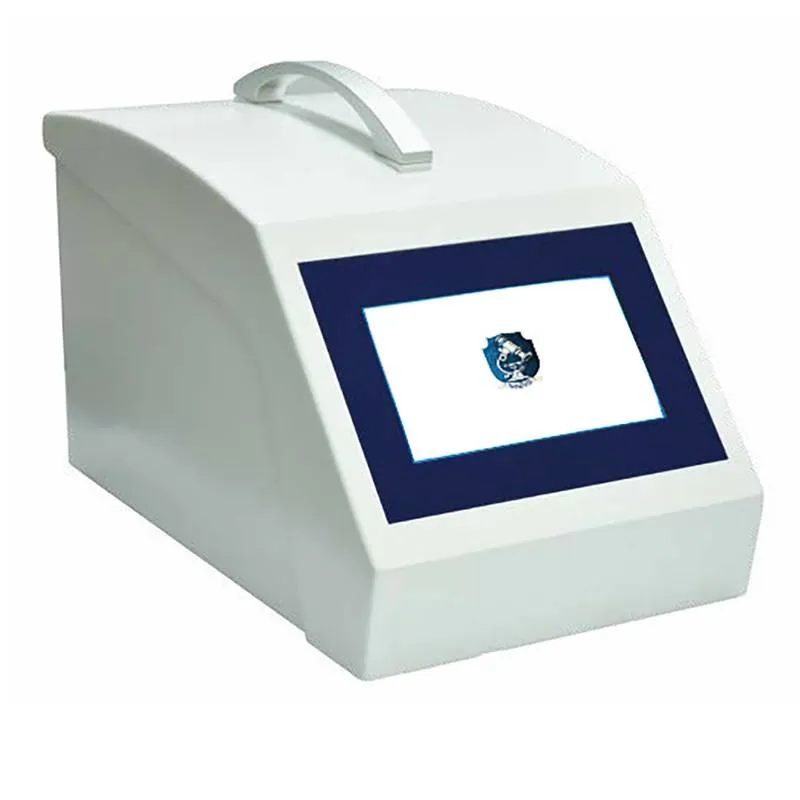
Sterile filtration serves as a vital control point in pharmaceutical and bioprocessing operations, which guarantees that final products stay free from microbial and particulate contamination. Any weakness in the filter membrane might lead to severe outcomes. These include contaminated batches, regulatory violations, and health risks. Thus, filter integrity testing holds a key role in protecting product quality, and it also helps maintain aseptic conditions during production.
Making sure that microbial and particulate barriers remain intact is essential for reaching sterility assurance levels (SAL). These tests offer solid evidence that filters perform within validated parameters, and they do this before and after use.
From a compliance view, agencies like the FDA, EMA, and WHO require integrity testing both pre-use and post-use. The European Union’s Annex 1 stresses the validation of sterilizing filters, which demands routine checks that align with Good Manufacturing Practice (GMP) principles. Records of test results need to be thorough. They must support traceability and endure regulatory review.
What factors impact the accuracy of filter integrity testers?
Accuracy in filter integrity testing depends on equipment capability, environmental stability, and operational consistency. Each element adds to the dependability of results, and those results guide batch release choices.
How does instrument precision affect reliability across batches?
Reliable pressure sensors deliver steady test outcomes across batches, which matters in fast-paced settings. For example, pressure decay or diffusion flow readings need to spot even small leaks that might threaten sterility. The detail in flow measurement influences the detection of tiny leaks or flaws. Therefore, sensor calibration proves crucial to avoid false negatives or positives.
You can test the repeatability of the тестер целостности фильтра. Do this by running several tests on the identical filter under identical conditions. Such steps confirm that readings stay consistent across trials or operators.
Why are calibration and maintenance routines non-negotiable?
Regular calibration cuts down on drift in pressure or flow readings as time passes. Maintenance goes further than just mechanical wear, which covers software checks and sensor recalibration. Scheduled preventive maintenance helps reduce false positives or negatives in testing.
Review calibration certificates and full documentation often, which includes user manuals and installation drawings. Doing so ensures ongoing compliance. Verify that the user manual, technical specifications, installation drawings, and calibration certificates of the filter integrity tester are complete.
What environmental and human factors influence accuracy?
Conditions like room temperature, humidity levels, and barometric pressure should stay within set limits. Changes in temperature, humidity, and pressure can shift test outcomes. Operator training matters greatly, too. Mistakes in procedures or wrong interpretation of test criteria can weaken results.
What methods are commonly used for filter integrity testing?
Different methods suit various filter types and material features. Each one has specific uses based on those properties.
What makes the Pressure Hold Method effective?
This approach applies a set pressure to a gas-wetted filter. Then it tracks the decay over a period, which measures pressure decay during a fixed time to find leaks. The method works well for hydrophobic filters and dry setups.
How does the Bubble Point Test indicate membrane health?
The bubble point test finds the lowest pressure to push air through a wetted membrane, which determines the minimum pressure required to force liquid through a wetted membrane. This figure links to pore size and membrane uniformity.
Why is Diffusion Flow Measurement used for high-sensitivity applications?
This technique gauges the speed of gas diffusion through a wetted filter at steady pressure, which provides strong sensitivity for spotting small defects in hydrophilic filters. The method fits perfectly for tasks needing high sterility assurance.
What are the consequences of inaccurate test results?
A false pass might let microbes enter sterile products. If filter breaches go unnoticed, microbial contamination can occur, which puts patient health at risk. It also damages public confidence.
What regulatory risks arise from test failures?
Regulatory bodies demand detailed documentation. Audits that fail due to data integrity problems or poor validation records can result in warning letters or facility closures. In practice, this means batch rejections, higher costs, and postponed schedules.
How can accuracy be ensured in test equipment selection?
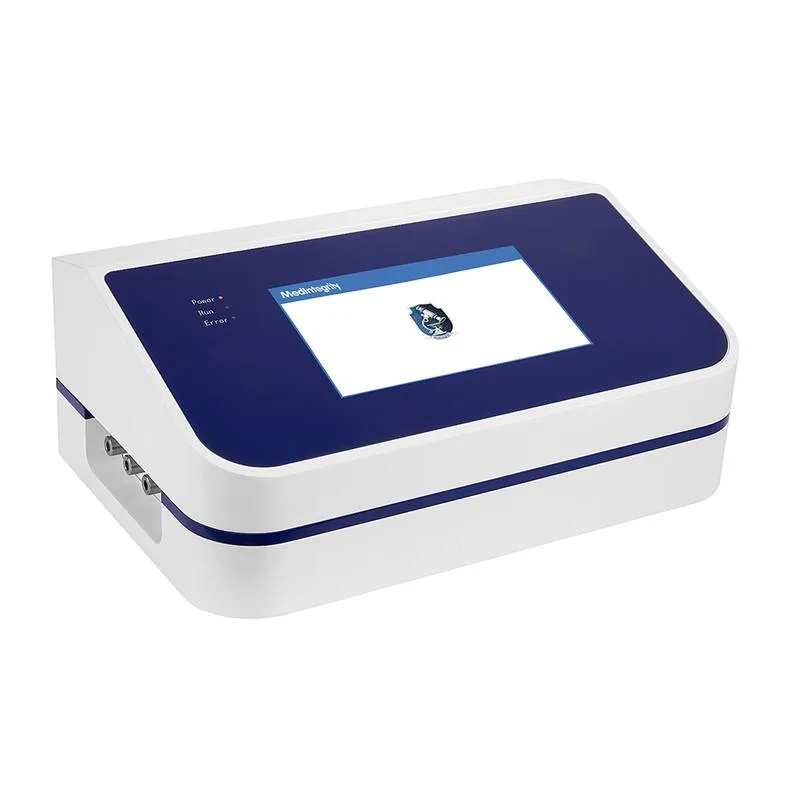
The detail level of sensors for pressure and flow stands as a basic requirement. Sensor resolution (pressure/flow), repeatability over many test cycles, and compliance with 21 CFR Part 11 for electronic records form core specifications. Integration ability counts just as much. Testers need to connect smoothly with diverse formats like capsule filters, PES membranes, and PTFE cartridges. The tester should accurately test and deliver reliable integrity results for a broad array of filters. For instance, this Тестер целостности фильтра V6.5 handles symmetric/asymmetric membranes, needle filters, flat filters, and ultrafiltration columns, which offer various testing modes with strong accuracy.
Why is standardized operator training essential?
Training ought to include setup steps, calibration practices, and steady parameters across tests. SOPs with clear acceptance criteria for each test method cut down on differences. Procedures should limit human error via clear workflows.
Can advanced technology enhance tester performance?
Automation lessens human involvement. As a result, it boosts repeatability. Digital setups allow real-time monitoring of parameters with automatic audit trails. Options like touchscreen controls and settable test profiles make use easier, and they also lower mistakes. The Filter Integrity Tester V6.5 features a scientific electronic signature, high-definition touchscreen input, and automatic choice of fitting test programs.
How does integration with QMS improve lifecycle management?
Current testers link to central Quality Management Systems (QMS), and this setup supports traceable recordkeeping and compliance reports. Analysis of past performance can guide predictive maintenance plans. Such plans reduce downtime and extend equipment life.
MedIntegrity: Your Partner in Reliable Laboratory Equipment Solutions
In sterile production areas where errors carry no room for tolerance, you require a partner who upholds precision and compliance without shortcuts. MedIntegrity focuses on exact instruments, such as filter integrity testers. These are built especially for pharmaceutical uses.
Their RTP Integrity Testing system fits well with different port types, including Alpha/Beta containers. The system handles modes like Pressure Hold, Pressure Decay, and Flow Testing. It meets FDA 21 CFR Part 11, EU Annex 1, and GAMP 5 standards. User-friendly interfaces and portable designs make real-time testing possible. They do this without disrupting sterile processes.
Whether for capsule filters or special membrane types like PES or PTFE, MedIntegrity offers full support. This ranges from choosing equipment to services after installation. All this ensures lasting regulatory compliance and smooth operations. Feel free to contact MedIntegrity!
FAQ
Q1: How often should a filter integrity tester be calibrated?
A1: Calibration should occur at least once a year or following manufacturer guidelines. This keeps measurement accuracy inside validated boundaries.
Q2: Can one tester be used across different filter types?
A2: Yes, modern testers handle multiple filter varieties (e.g., capsule filters, PES membranes). They do so through adjustable test settings tailored to diverse needs.
Q3: What standards must a compliant filter integrity tester meet?
A3: A compliant tester must follow FDA 21 CFR Part 11 for managing electronic records. It also needs to meet EU Annex 1 rules for validating sterile product manufacturing.
 Russian
  English
  Spanish
  Portuguese
  German
  French
  Italian
  Arabic
  Dutch
Dutch  Japanese
  Vietnamese
  Korean
  Malay
Malay  Thai
Thai