

Exploring Cartridge Filter and Housing in Capsule Filters
Exploring Cartridge Filter and Housing in Capsule Filters
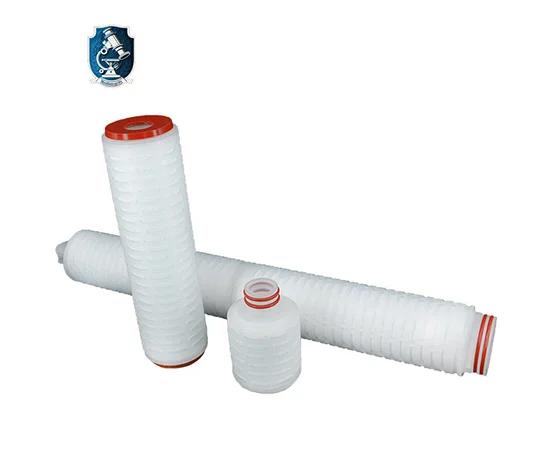
Cartridge filters play a vital role in contemporary filtration setups thanks to their adaptable structure and broad applicability in diverse fields. Filter Cartridges. These devices usually feature a tube-shaped enclosure that contains swappable filter components crafted from substances like polypropylene, พีทีเอฟ, เพส, or nylon. The build aims to boost the contact area for liquids, which guarantees effective trapping of impurities.
Manufacturers pick materials based on how well they resist chemicals and their physical toughness. For example, polypropylene stands out for its strong defense against acids and bases. Meanwhile, PTFE shines in hot or harsh settings. The way these filters work draws from depth or surface-based methods. Depth types catch particles deep inside the material’s layers. Surface ones, on the other hand, separate tiny bits right at the top for detailed or final cleaning tasks.
How well a filter performs hinges on the spread of its tiny openings, the movement of fluids, and the nature of dirt involved. Top-notch cartridge filters deliver exact particle-holding power, perfect for key tasks like those needing full sterility.
Applications of Cartridge Filters in Various Industries
Experts rely on cartridge filters in many areas because of their dependability and simple swap-out process. In drug making and biotech, they handle vital jobs in clean filtering, clearing up liquids, and initial steps before finer membranes. Ultra-filtration membrane. Such filters keep bio mixtures clear of bits and germs.
Chemical plants and water purification sites use them to clear out floating particles, and they also shield later gear like pumps and heaters from buildup. The flexible setup lets them fit into big operations with different liquid speeds. In food and drink making, these filters uphold product cleanliness by removing unwanted specks in steps like clearing wine or purifying bottled water.
Housing for Cartridge Filters
The way filter housings are built affects both safety and how long the system lasts. Choosing the right material matters a lot. Steel housings work best for high-pressure jobs since they hold up well and fight off rust. Plastic ones, however, provide cheaper options for milder uses. The enclosure needs to match the liquid passing through so it avoids breaking down or releasing harmful bits.
Ratings for pressure show the limit before the housing bends or breaks. Flow limits make sure the system keeps a steady output without losing force. Ways to connect, like clean clips or screw fittings, influence how easy it is to set up and check. Engineers picking cartridge filter and housing setups must weigh these elements against what the job needs, and this balance leads to the best results in the system.
Installation and Maintenance Practices
A good setup starts by checking that the seal between the filter part and its enclosure is tight, which prevents leaks around the edges. Flush the whole system first to wash away any leftover dirt from putting it together. For ongoing care, watch the pressure difference over the filter closely. A big jump means it’s getting blocked, so you need to swap or clean it out. Plan regular checks to spot damage on seals like O-rings or gaskets, and that could weaken the hold. When the flow slows down, common fixes include looking for trapped air or making sure the filters sit right in their spots.
Capsule Filters: A Comparative Analysis
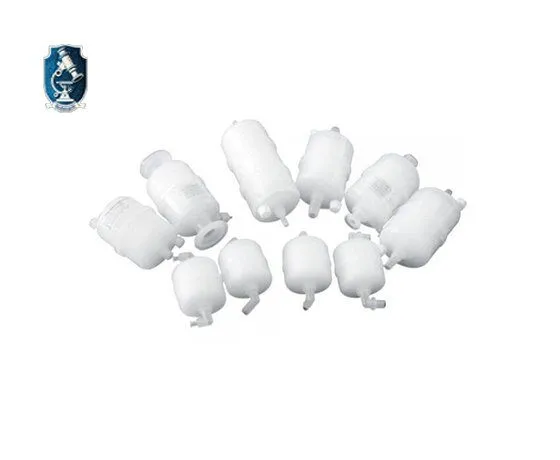
Cartridge and capsule filters follow similar basic cleaning rules, yet their builds set them apart in key ways that offer unique benefits during use, and these are small, all-in-one pieces with the cleaning material sealed inside a plastic case. No extra enclosure is required. Cartridge types need outside housings, but they scale up easily by linking several together. Capsule filters stand out for easy carrying because they weigh little and serve just once, and they fit well in lab work or trial runs where keeping contamination low is crucial.
Performance Characteristics of Capsule Filters
In small jobs, capsule filters deliver strong results by blending precise cleaning with very little leftover liquid. Their throw-away style cuts down on the work to verify cleanliness, which proves especially helpful in strict fields like bio-drug production, where avoiding mix-ups between batches is essential. Still, for growing bigger processes, cartridge setups often win out, and they manage more volume at lower long-term costs by just changing the inner parts instead of the whole thing.
Selecting the Right Filter System for Your Needs
Deciding on cartridge versus capsule filters comes down to details like how much you process at once, needs for cleanliness, how it matches chemicals, pressure levels, and how simple it is to approve for use. Cartridge options suit ongoing lines where you swap parts often without rebuilding everything. Money matters too in the choice. Capsule units cost more each time since you toss them, but they save on worker time for washing in one-off jobs.
Customization Options Available for Filter Systems
Today’s cleaning tech lets you adjust things in many ways. You can tweak the material’s traits, like making it water-loving or water-repelling. Or shape enclosures for special spots, such as very hot areas or tough liquids. For better results, people can look into special items from cartridge filters and housing setups made just for lab accuracy or heavy factory work.
MedIntegrity: Your Trusted Supplier for Laboratory Equipment
ความเป็นปอด leads in lab gear advances by supplying strong tools made to fit tough rules in drug, biotech, food safety, and chem study areas. Their full range covers cutting-edge cleaning systems, drawn from years of build know-how to guarantee right and steady work at every production step.
Their focus goes beyond just selling goods, and they give expert advice to help pick the right setups based on what you need, all while sticking to rules like FDA 21 CFR Part 11 and EU Annex 1. MedIntegrity’s lineup includes special test systems, too, such as RTP testers for checking safe transfers in clean rooms, which shows their drive to push forward clean making methods around the world.
Conclusion
Cartridge filters stay key in big factory flows because of their flexible parts and good value over many uses. Capsule filters add value by making setup straightforward when throwing away is better. Both aim for the same goals: keeping things pure through rough cleaning first, then finer or last steps. Yet they vary a lot in how they grow and what upkeep they ask for. Picking the right setup not only boosts how well things run but also meets quality rules vital in today’s setup making, from drugs to food handling.
FAQ
Q1: What is the primary difference between cartridge filters and capsule filters?
A1: Cartridge filters are typically used in larger-scale operations due to their robust design, while capsule filters are more suited for small-scale or single-use applications.
Q2: How do I determine the appropriate housing material for my cartridge filter?
A2: Consider factors such as chemical compatibility, pressure requirements, and environmental conditions when selecting housing materials.
Q3: Can MedIntegrity provide customized filtration solutions?
A3: Yes, MedIntegrity offers tailored filtration solutions to meet specific industry needs, ensuring optimal performance across various applications.

 Thai
Thai  English
  Russian
  Spanish
  Portuguese
  German
  French
  Italian
  Arabic
  Dutch
Dutch  Japanese
  Vietnamese
  Korean
  Malay
Malay