

How Glove Integrity Tester Accuracy Impacts PQ in Isolator Systems
How Glove Integrity Tester Accuracy Impacts PQ in Isolator Systems
Glove ports act as crucial entry points in isolator systems. They can become a possible weak link if maintenance slips. These gloves stand as the sole tangible shield between the worker and the clean product or area. A break—such as a hole or a hidden seep—might endanger cleanliness. This could bring pollution dangers that break Good Manufacturing Practice (GMP) rules.
Ruling groups have backed the need for glove reliability checks. EU GMP Annex 1 stresses regular glove integrity verification using validated methods. ISO 14644 spells out clear needs for leak spotting keenness and steadiness. So, glove integrity testing goes beyond good habits. It forms a must-do rule. This makes it a main part of a strong cleanliness guarantee plan.
How Is Glove Integrity Testing Integrated into Performance Qualification (PQ)?
Performance Qualification (PQ) checks if isolator systems and their glove ports work steadily inside set containment limits during everyday tasks, ensuring that all parts hold up reliably under the pressures of actual use in busy settings where consistency matters a great deal for safety and quality. When looking at different methods, pressure decay testing gets wide approval. This comes from its sharp detection and easy setup, which allow teams to run checks without much trouble or special skills required. The approach fills the glove with air to a planned level. Then, it watches closely for any drop in pressure as minutes tick by, helping to catch small issues before they turn into larger problems that could disrupt operations.
The air tightness of each glove meets the requirements of the genuine product (exceeding the pressure retention time of the genuine product + the defective product, and the current pressure is greater than the set value of the genuine product pressure). This setup guarantees that odd changes get noticed right away. It backs daily watches and the records needed for PQ, linking routine tasks to official paperwork in a way that keeps everything organized and compliant over time.
How Does the Pressure Decay Method Function in Practice?
In pressure decay testing, the glove gets sealed first. Workers then pump it up to a set pressure that matches the plan. The setup keeps track of this pressure for a chosen length of time. If the pressure dips a lot, it signals a likely gap or seep in the glove setup. Such signs point to areas needing quick fixes to avoid bigger risks later on. Test parameters—such as pressure setpoints, hold times, and allowable pressure loss—are laid out strictly.
The method’s value lies in its non-destructive nature and compatibility with various glove types. It supports rapid diagnostics. Plus, it fits into both planned qualification runs and everyday checks, giving flexibility for teams who need quick insights without halting work.
Which Factors Influence the Accuracy of Pressure Decay Testing?
Conditions around the test, like room warmth and dampness, might change air thickness. This can trick readings into showing false drops that confuse the picture. Equipment tuning holds equal weight here. Calibration of sensors and test equipment ensures measurement reliability and aligns testing with regulatory accuracy thresholds, so you get numbers you can count on when it counts most. Without this, small shifts could lead to big misunderstandings in what the data really means.
Moreover, proper glove sealing during testing is critical. Proper sealing techniques are essential to isolate the glove from external influences during testing. They help dodge wrong outcomes from seeps in links instead of the glove proper, ensuring that what you spot truly comes from the part being checked and not some side issue.
How Does Tester Accuracy Affect PQ Outcomes?
Detailed digital sensors pick up tiny seeps that basic tools often skip over entirely. Wrong readings might cause missed alerts, which shakes the trust in PQ results. In drug areas where germ-free conditions top the list, small unseen breaks could threaten whole batches of goods, leading to losses that hit hard on time and money if problems arise later.
What Are the Risks of Inaccurate Leak Testing?
Outcomes from shaky test data touch many sides of the work. Downplaying seeps can open hidden routes for bugs to slip in. This puts items at risk of picking up germs unnoticed. On the other hand, testers who react too much or lack tuning might flag solid gloves as faulty. That leads to extra swaps, longer stops in work, and higher bills for upkeep that could have been avoided with better tools.
What Regulatory Requirements Apply to Glove Integrity Tester Accuracy?
World rules ask for spot-on testing plus ways to follow every step. ISO 14644 standards outline requirements for leak detection sensitivity and repeatability. Meanwhile, EU GMP Annex 1 emphasizes routine glove integrity verification using validated methods, setting a clear path for facilities to follow in keeping things safe and up to code.
For audit readiness, accurate test records support audit readiness and regulatory inspections. Data must be secure and tamper-proof through electronic signatures, audit trails, and controlled user access—particularly relevant for systems supporting 21 CFR Part 11 compliance, as these steps prove everything stayed clean and traceable when experts review your setup closely.
How Can You Improve Tester Accuracy Within Isolator Systems?
Regular tuning against proven benchmark tools keeps your gear precise as time goes on, and use adds up steadily. Calibration frequency should align with manufacturer recommendations and internal SOPs, letting you adjust based on how busy things get and what your own guides suggest for best results. Checking with sample gloves that have known reliability traits adds more proof that the tuning did its job, giving you peace of mind that tests will hold next time around.
Why Is Operator Training Crucial?
Even top tools can falter if the handler slips up in small ways. So, workers need training on setting up tests correctly, running them smoothly, and reading what comes out clearly. By making steps the same for every group, you cut chances for odd differences. This boosts how consistent the findings are from one run to the next.
What Are the Latest Advances in Glove Integrity Testing Technology?
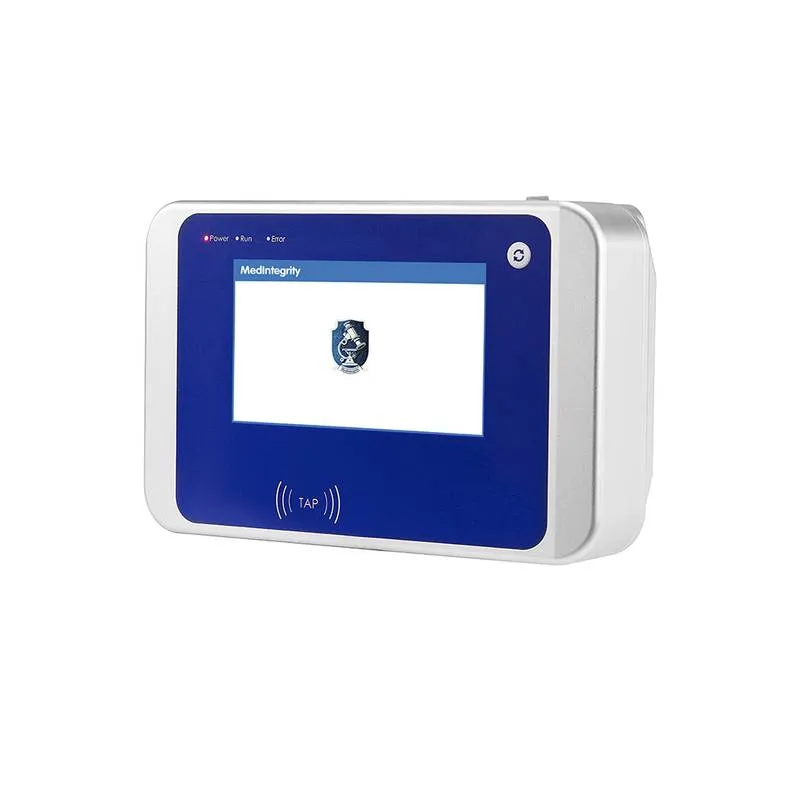
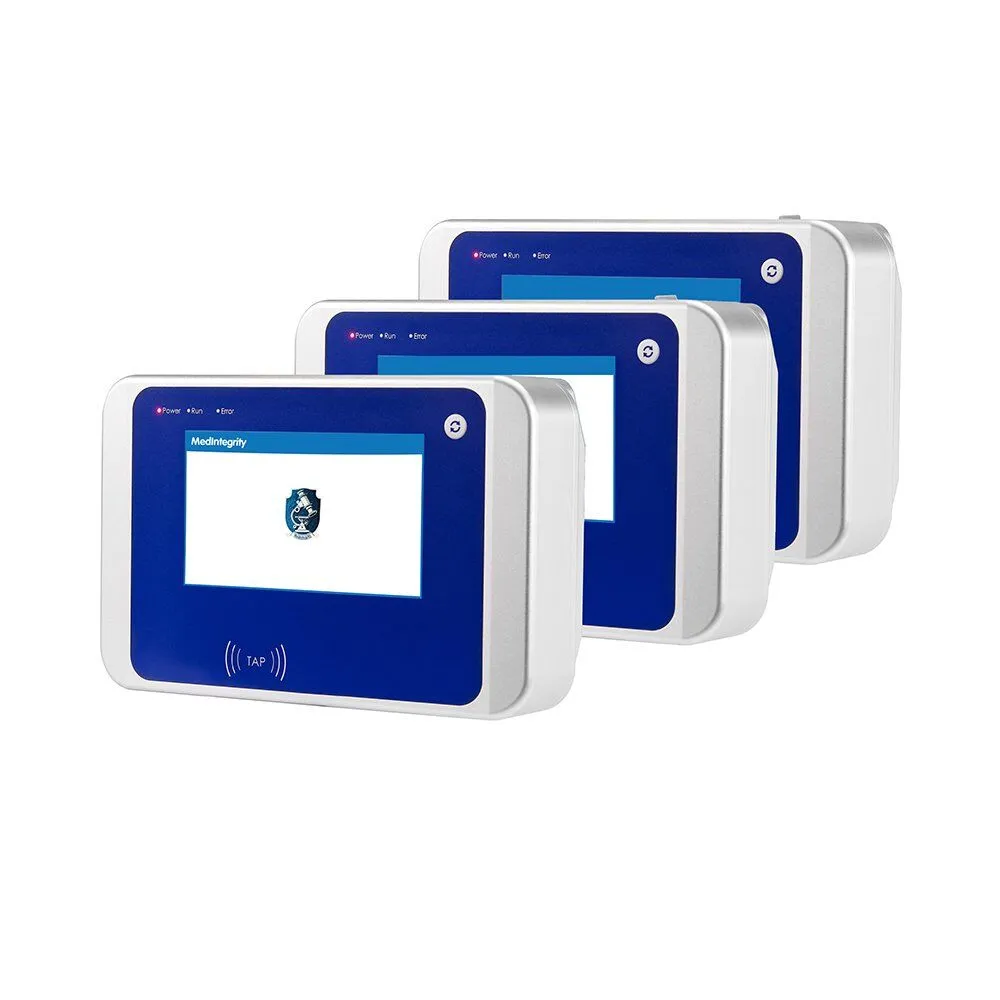
New glove integrity testers include digital sensors with fine pressure catchers for top leak-spotting sharpness. Digital sensor makes the test results more accurate and consistent. Also, wide touch screens let users adjust settings simply and see updates live, easing the load on those doing the work day in and day out.
MedIntegrity offers advanced models like the Glove Leak Tester WGT-1000 that integrate these features while supporting comprehensive electronic records for compliance, helping teams meet rules without extra hassle in tracking details.
How Does Automation Improve PQ Reliability?
Automation cuts reliance on people stepping in by hand. It raises steadiness over multiple runs. Built-in checks warn about setup glitches early. This stops bad effects on results before they happen. These systems handle making reports too—keeping info whole and safe, all while letting workers spend time on bigger jobs that need their full focus.
Who Can You Trust for High-Precision Glove Integrity Testers?
When seeking a skilled ally for drug quality check tools, ความเป็นปอด catches the eye. With over 15 years of focus on pharmaceutical equipment, they bring well-built fixes made just for isolator spots, using know-how to match what users really need in tight work areas.
Their glove integrity testers are based on pressure decay technology. They suit easy handling, quick starts, and a firm match to GMP standards. Their product range includes advanced models like the Glove Leak Tester WGT-1200. It has digital sensors, touchscreen control, built-in printers, and multi-user management to align with ISO 14644 and EU GMP Annex 1 requirements, covering all bases for smooth and rule-following operations.
In addition to glove testers, MedIntegrity provides instruments such as Freezing Point Osmometers, Capsule Filters, PES Membranes, and Autosamplers—all engineered for pharmaceutical QC environments. Their responsive customer support ensures seamless integration into your PQ lifecycle, offering guidance to blend new gear into daily flows without bumps.
FAQ
Q1: Why is tester accuracy critical during performance qualification?
A1: Tester accuracy directly affects the ability to detect minor leaks; inaccurate readings can lead to false assurance or unnecessary corrective actions that impact sterility assurance programs, creating gaps in trust that could lead to bigger troubles if not addressed promptly.
Q2: How often should a glove integrity tester be calibrated?
A2: Calibration frequency depends on usage intensity but generally follows an annual schedule or per manufacturer recommendation; more frequent checks may be required under GMP protocols, especially when heavy use demands tighter control to keep precision sharp.
Q3: What features should I look for when selecting a glove integrity tester?
A3: Look for high-resolution digital sensors, customizable pressure settings, automated result recording, touchscreen interfaces, and electronic signature capability—features included in systems like those offered by MedIntegrity, which blend tech with practical use to fit various needs in quality checks.

 Thai
Thai  English
  Russian
  Spanish
  Portuguese
  German
  French
  Italian
  Arabic
  Dutch
Dutch  Japanese
  Vietnamese
  Korean
  Malay
Malay