

Packaging Leak Tester Analysis: Vacuum Decay vs HVLD for Drug Safety
Packaging Leak Tester Analysis: Vacuum Decay vs HVLD for Drug Safety
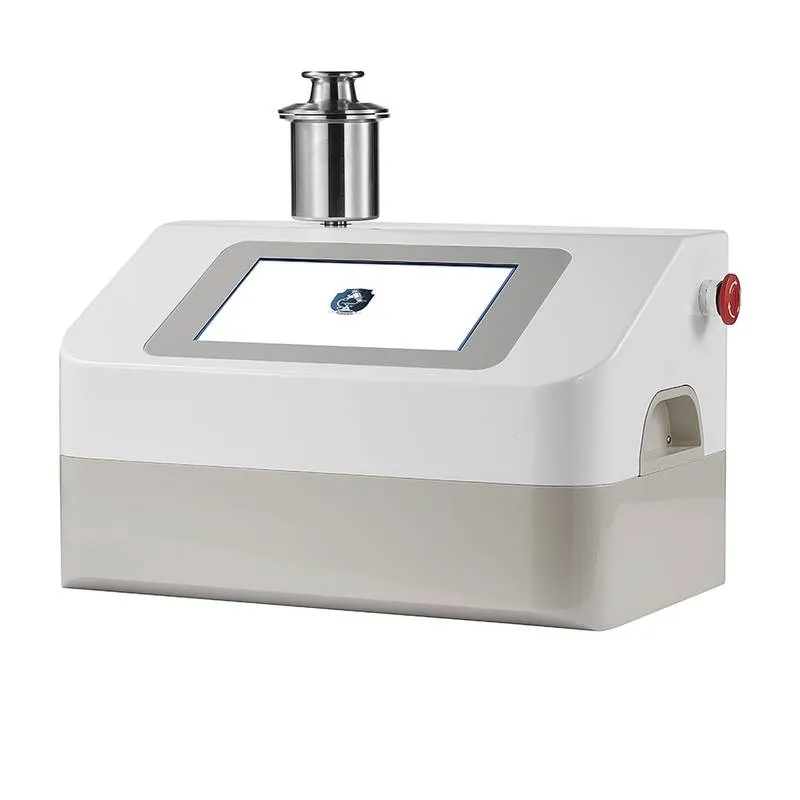
Sterile pharmaceutical products packaged in pre-filled syringes must follow strict regulatory rules to guarantee safety and effectiveness. These approaches deliver steady, measurable outcomes, unlike random techniques such as dye ingress testing. The FDA clearly suggests deterministic leak detection tools for vital uses like parenteral packaging. The main reason is their better precision, reliability, and fairness. Such qualities matter greatly when safeguarding injectable drugs from bacterial entry or outside influences, which might harm sterility and weaken drug strength.
What Are the Risks If Pre-filled Syringes Leak?
Leakage in pre-filled syringe packaging goes beyond a simple quality problem—it poses a real danger to patient health. Bacterial entry from a faulty container closure can make sterile injectable drugs hazardous. Oxygen and water vapor seeping through hidden leaks could break down fragile biologics or unstable chemical mixes, reducing their medical value. Furthermore, these flaws can cause harmful incidents, failure to meet rules, and expensive product withdrawals. As drug makers work to satisfy current good manufacturing practice (cGMP) standards, strong CCI testing is essential—it is a requirement.
What Are the Main Deterministic Technologies Used Today?
Leak detection tools divide into two main groups: deterministic and probabilistic. Deterministic ways measure a physical factor—like pressure, electric conductivity, or gas movement—offering dependable and repeatable information. Important measures include detection limit (sensitivity), consistency over tests, and speed for large-scale production.
Which Deterministic Leak Detection Techniques Are Most Common?
The most commonly used deterministic methods include the Vacuum Decay Method (VDM), MicroCurrent High Voltage Leak Detection (HVLD), Helium Mass Spectrometry, and Laser-based Headspace Analysis. Although helium and laser techniques provide strong sensitivity, they prove less useful for ongoing production lines because of their complexity and expense. VDM and HVLD continue as the top choices in the field for everyday syringe leak checks.
How Does Vacuum Decay Work in Syringe Testing?
Vacuum Decay testing means putting a syringe into a closed test chamber, where a vacuum is created. The setup then watches for any pressure rise as time passes. An increase in pressure points to a leak, letting outside air enter the chamber. This technique relies on noting clear pressure changes instead of spotting visual signs or depending on the worker’s judgment.
Why Choose Vacuum Decay for Pre-filled Syringes?
Vacuum Decay brings several benefits. In specific cases, tools like the MFT-600 Packaging Leak Tester deliver half-automated options that remain non-destructive, highly precise, consistent, and sharp, while backing GMP rules and preparation for audits. The approach can spot leaks as small as 5 µm based on the setup—enough to catch serious gaps that threaten sterility.
Where Does Vacuum Decay Face Challenges?
Vacuum Decay’s sharpness can be affected by the inner shape of the syringe or the plunger’s spot. If the flaw sits under liquid or appears at joints like the needle hub, the detection power might lessen because gas movement gets blocked. For this reason, it suits less well when focusing on particular liquid-related flaws.
How Does MicroCurrent HVLD Detect Leaks in Syringes?
MicroCurrent HVLD applies a high-voltage, low-current electric pulse across the syringe. The system picks up this as a change in the electric signal, signaling a flaw. Different from older HVLD setups that might spark or harm the product, MicroCurrent versions use tiny currents to shield sensitive biologics.
What Makes HVLD Suitable for Detecting Liquid-Contact Leaks?
HVLD stands out at finding leaks along the liquid path—particularly near key seals like the plunger-barrel join or needle hub zone. Its success grows with water-based items because of their conducting nature. Therefore, HVLD serves as a great match to VDM when checking hard containers filled with water-like drugs, including biologics or vaccines.
What Are the Limitations of HVLD Systems?
HVLD does not fit non-conducting liquids or empty containers. It also needs safety steps because of the high-voltage parts. Setting it up might call for special gear to prevent worker contact.
How Do VDM and HVLD Compare Across Key Metrics?
Vacuum Decay works best at spotting gas-related leaks or gaps not touching liquid. By comparison, HVLD delivers better results for locating flaws that conduct fluids within the syringe. This pairing quality means picking one method hinges largely on the flaw kind, mixture conductivity, and package shape.
Which Method Supports More Container Types?
Vacuum Decay shows a wider range across container styles—including vials, syringes, ampoules, BFS containers—which makes it perfect for sites handling multiple products. HVLD’s reach stays narrower, yet it fits well for solid forms like pre-filled syringes holding water-based solutions.
What About Production Line Integration and Speed?
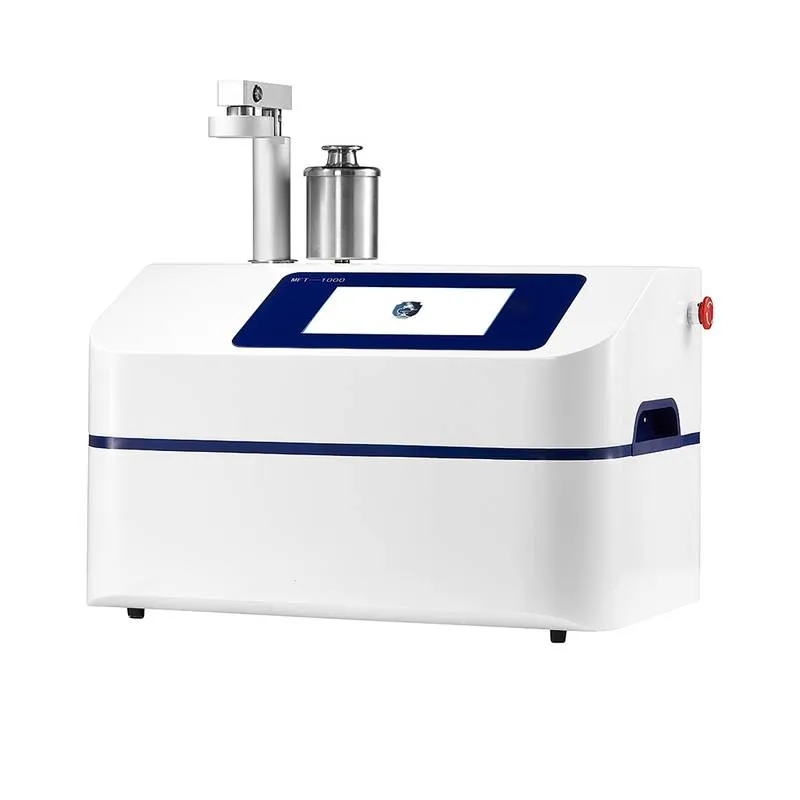
Both approaches allow for machine use; still, MicroCurrent HVLD often reaches quicker cycle times thanks to its instant electric sensing. Vacuum Decay could need more time for steadying during tests, but it provides more ways to fit into lines.
How Complex Are Their Maintenance and Calibration Needs?
Vacuum Decay setups call for regular vacuum tuning and seal checks to keep precision. For HVLD, electric safety checks are key due to the high-voltage work. Both require certain skills for running and care.
Where Do Leak Testers Fit Within the Drug Product Lifecycle?
Packaging leak testers hold an important place at various stages of drug making—from checks during filling to final approval tests. Using them early on helps find flaws before packaging finishes. Final batch checks make sure products hit the needed Sterility Assurance Levels (SAL) prior to shipping.
Look over the physical setup of the filter integrity tester. Make certain that all parts, including the test head, pressure sensors, tubing links, and valves, are correctly placed and secured. This idea applies much the same to CCI testers, where good installation ensures reliable work.
How Do These Systems Support Regulatory Compliance?
Leak testers cut down risks by spotting container issues soon, stopping tainted goods from getting to patients. Their use matches cGMP systems and worldwide rules. Modern tools from places like ความเป็นปอด include record-keeping features and digital signs that follow FDA 21 CFR Part 11 and EU Annex 1 rules.
Why Is MedIntegrity a Reliable Partner for Pharmaceutical CCI Solutions?
Built on accuracy and rule-following, MedIntegrity of U.S.A. centers on precise testing devices and linked supplies in the pharmaceutical world. Their range covers deterministic leak detection setups like the V8.0 Filter Integrity Tester, pressure decay-based packaging leak testers, osmometers, glove testers, and autosamplers—all made for clean product-making settings.
The testing methods meet FDA needs, GMP rules, and those from USP and EP. Plus, MedIntegrity stresses tailored help—from expert advice to tuning services—which helps clients reach tough industry marks without losing speed or data reliability.
What Should Guide Your Choice Between VDM and HVLD Technologies?
The right method relies on a few things: whether your mix conducts electricity or not; where leaks might show (gas or liquid touch); and whether containers are hard or soft. Fitting tech strengths to flaw risk patterns ensures sure top CCI results.
Can Multiple Technologies Be Combined for Greater Coverage?
Yes. In key tasks where both gas-related and liquid-touch leaks could happen, pairing Vacuum Decay and MicroCurrent HVLD gives full protection. A complete CCI plan ought to handle different failure types across all package styles in a product’s life.
FAQ
Q1: Can both Vacuum Decay and HVLD be used on the same production line?
A1: While technically feasible, it requires careful planning due to differing operational requirements; hybrid systems or sequential stations may be implemented where comprehensive CCI is critical.
Q2: Is MicroCurrent HVLD safe for biologic drug products?
A2: Yes, MicroCurrent HVLD uses low electrical current levels that do not affect biologic stability or integrity when properly configured.
Q3: How often should packaging leak testers be calibrated?
A3: Calibration frequency depends on usage intensity but typically ranges from quarterly to annually; adherence to manufacturer guidelines ensures consistent performance within validated parameters.

 Thai
Thai  English
  Russian
  Spanish
  Portuguese
  German
  French
  Italian
  Arabic
  Dutch
Dutch  Japanese
  Vietnamese
  Korean
  Malay
Malay