

When to Use a Filter Integrity Tester in Pressure Decay Testing
When to Use a Filter Integrity Tester in Pressure Decay Testing
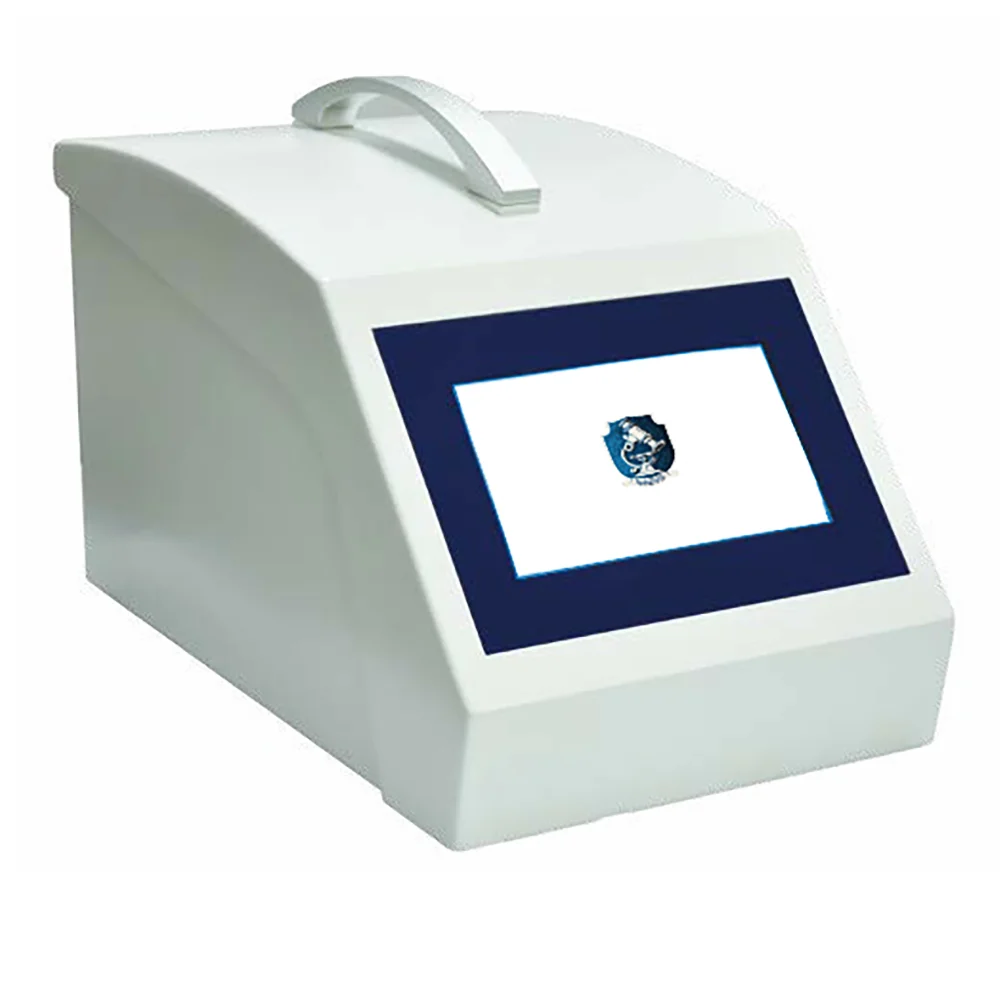
In the demanding world of pharmaceutical, biotechnological, and food production manufacturing, ensuring absolute sterility is not just a goal—it is a regulatory and ethical necessity. At the heart of this quality assurance lies the filter integrity tester, an indispensable instrument for validating the performance of critical filtration systems. By leveraging precise methods like pressure decay testing, these devices detect microscopic leaks and compromises that could lead to product contamination. This article explores the vital role of filter integrity testing in maintaining safety standards, detailing its principles, applications across various industries, and the key considerations for selecting and operating this essential equipment to guarantee process reliability and compliance with global regulations.
The Role of the Filter Integrity Tester in Pressure Decay Testing
Pressure decay testing stands out as a key approach for checking the effectiveness and stability of filtration setups in clean manufacturing areas. A filter integrity tester takes on a vital job by making sure that filters keep their planned protective features during their entire service life. It spots any leaks that might put cleanliness at risk, and this way, it guarantees that just filters with confirmed strength get used in the production process.
Make sure the user manual, technical specifications, installation drawings, and calibration certificates for the filter integrity tester are all present and complete. The user manual gives clear step-by-step directions, safety tips, and advice on handling problems. Technical specifications lay out the main working traits of the device, including the scope for filter pore sizes, pressure amounts for tests, and standards for precision. Installation drawings guide the right placement of the gear in the workspace. Calibration certificates prove the truthfulness of the device’s readings. This whole check makes certain that each piece of equipment put to use for testing follows tough quality assurance rules and holds onto a clear chain of measurement history, which helps in building trust in every result obtained.
In sectors like pharmaceuticals and biotechnology, where keeping things sterile is absolutely required, having a way to prove that no openings or weaknesses show up in the filtration system becomes extremely important. The filter integrity tester offers solid, number-based proof that the filters do exactly what they are supposed to do when faced with real working situations, and this proof not only meets daily needs but also supports broader goals of safety and reliability across operations.
Applications in Various Industries
People apply the filter integrity tester in many different fields where keeping products safe and managing contaminants ranks as the top priority. In pharmaceutical manufacturing, it checks the sterilizing-grade filters that come into play during the mixing of drugs and the filling of containers. In biotechnology plants, it helps create spots free from contaminants for steps like growing cells or purifying substances. In the production of food and drinks, it makes sure the barriers against microbes stay fully intact to shield the health of those who consume the products, thereby preventing any health issues that could arise from poor quality control.
Put the filter integrity tester through trials with assorted kinds of filters, those varying in materials, pore measurements, and setups. The tester has to handle testing accurately and deliver dependable results on integrity for lots of filter varieties. Take, for instance, its ability to handle membrane filters, depth filters, and cartridge filters. You might have to change the testing ways and settings to fit the specific qualities of each filter kind, yet the tester needs to adjust to those shifts and keep giving precise and even results all the while. This kind of flexibility turns today’s testers into must-have items in areas bound by strict rules, as they allow for versatile use that matches the diverse demands of modern production lines without causing delays or inconsistencies.
What Should Be Considered When Using a Filter Integrity Tester?
Before bringing a filter integrity tester into the flow of any production setup, several points need careful thought to confirm it fits well with the everyday demands of the operation.
Criteria for Choosing the Right Tester
Picking the best model calls for looking closely at things like how sensitive it is, how exact it detects issues, how it works with the filtration systems already in place, and how it lines up with rules from bodies like FDA 21 CFR Part 11 or EU Annex 1. A solid tester has to give spot-on readings of pressure decay and keep the same level of consistency from one test to the next, which ensures that operators can rely on it day after day without worrying about varying outcomes that might lead to errors in judgment.
Check the main workings of the filter integrity tester. This means seeing if it can put different test pressures in place with exactness. As an example, suppose the tester is built to handle filters that take up to 10 bar in maximum pressure; then it ought to manage and hold those pressures inside a narrow range, perhaps ±0.1 bar. That sort of careful control makes sure it picks up on even the smallest leaks reliably, preventing any oversight that could compromise the entire filtration process and lead to serious quality lapses down the line.
Sticking to documentation rules matters a great deal, too—those running the equipment need easy access to calibration certificates and the full set of operation logs so they stay ready for any audits that might come up unexpectedly.
Timing and Frequency of Testing
Regular plans for testing make up a big part of the lasting quality management setups in place. You should test filters as soon as they go in or get swapped out, and also right after any break in work or any sign of a problem with the system’s wholeness. Doing checks on a steady basis stops possible contamination from ever reaching the production stage, where it could cause widespread issues and financial losses.
Having a clear schedule for how often to test also matches up with the core ideas of GMP by providing ongoing checks instead of just jumping in to fix things after problems show up, and this forward-thinking method not only saves time in the long run but also builds a culture of prevention within the team handling these critical tasks.
How Is Pressure Decay Testing Conducted Using a Filter Integrity Tester?
To get truly reliable outcomes from pressure decay testing, every part of the job—from getting ready at the start all the way to making sense of the results at the end—has to stick to proven steps that get backed up by careful checks on the equipment being used.
Step-by-Step Process Overview
The whole thing kicks off by reading the filtration system, which involves cutting it off from the normal flow of products but still keeping sterile conditions intact throughout. After that, the right setup takes place: take a good look at how the filter integrity tester sits physically in its spot. Confirm that every piece, from the test head and pressure sensors to the tubing connections and valves, gets placed correctly and tightened down securely to avoid any slips. With everything linked firmly, the system then builds up pressure until it hits a set mark; from there, it watches closely as the pressure fades over a period to figure out if leaks are there or not, and this methodical progression ensures that no detail gets missed in the pursuit of accurate data.
Those operating the system afterward look over the results by applying set criteria for what counts as acceptable, drawing from the manufacturer’s details or limits that have been proven solid during earlier qualification work.
Best Practices for Accurate Results
How spot-on the results turn out depends a lot on keeping calibration steady and watching the surroundings closely while the tests run. Bring in standard filters that have known traits for integrity to try out how well the filter integrity tester performs. This habit locks in the device’s dependability before it sees everyday action, giving users that extra layer of assurance needed in high-stakes environments.
By keeping the spots around connections spotless, you ward off false alarms coming from leaks outside or bits of stuff getting in the way. On top of that, put all the results down in an orderly fashion for easy following—this does more than just help with rule-following; it also builds up stronger measures of quality inside the organization as the days go by, allowing for better tracking of trends and improvements over extended periods.
Introducing MedIntegrity as a Reliable Supplier
At ความเป็นปอด, we focus our efforts on providing top-level lab gear aimed straight at making sure sterility holds up in areas like pharmaceuticals, biotech, food safety, and life sciences work. Our answers come crafted not just as basic tools but as key pieces that fit right into the quality structures our clients already have in place—making certain that every single batch lines up with what regulators expect, all without cutting corners on how well things run or how safe they stay during the whole process.
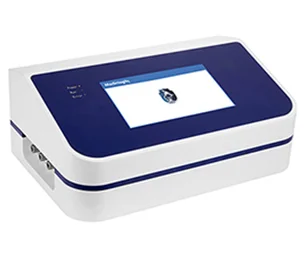
Our collection of items covers cutting-edge systems such as the MedIntegrity RTP Testing System, which is made on purpose to check the integrity of rapid transfer port (RTP) links in spots free from germs. It handles a range of ways to spot issues, like pressure hold and pressure decay testing, and it pairs up nicely with Alpha ports and Beta containers that see use around the world in cleanroom tasks. Put together for easy carrying around but still fully in line with FDA 21 CFR Part 11 and GAMP 5 guides, this setup makes verifying sterility simpler thanks to its easy-to-grasp controls, and at the same time, it keeps digital records that trace back clearly and work well for handing over during audits.
When you weave our technology into the way you work, it brings you not only a strong sense of trust in how you control your processes but also real, trackable boosts in how much time your operations stay up and running, all thanks to quicker rounds of validation that get supported by solid teams for service you can reach through our online spot, and this overall setup turns potential challenges into opportunities for smoother, more efficient workflows that scale with your growing needs.
Key Features of MedIntegrity Products
Our tools come with interfaces that anyone can pick up easily, letting workers, no matter their experience level, carry out tough checks in a smooth way without needing hours of training up front. Every single unit lines up completely with rules set on an international level, covering things like the updates to EU Annex 1 that watch over areas for processing without germs—making sure that compliance stays solid over the long haul, no matter where in the world your operations stretch out.
We put a strong focus on support that lasts the full life of the product, which includes services for checking calibration that you can get to through our special platform for cases, where folks buying from us can set up times for upkeep or ask for fresh versions of technical papers without any hassle, all handled right through the “service” part of our site online at MedIntegrity Service Portal, and this end-to-end care means our clients face fewer surprises and get more out of what they invest in over time.
FAQ
Q1: What are the primary benefits of using a filter integrity tester?
A1: Filter integrity testers make certain that the systems for filtration run right by stopping risks of contamination from taking hold while holding steady the quality of products throughout the cycles of production in setups meant for sterile manufacturing, and they add value by catching issues early to avoid bigger problems later on.
Q2: How often should pressure decay testing be conducted?
A2: How often you test depends on the exact needs of the industry, but in general, it covers steady checks after putting things in place or after any work on maintenance that touches on how stable the system’s setup remains, ensuring nothing slips through the cracks in critical areas.
Q3: Is it necessary to have specialized training to operate a filter integrity tester?
A3: Even though most of the newer testers come with controls that make running them much simpler than what older types offered, it still pays to give operators some basic training so they set things up right and read the results accurately in keeping with the proven steps— you can always reach out for more specifics through the contact spots on our website’s contact area whenever you need help from experts, making sure your team stays sharp and effective.
 Thai
Thai  English
  Russian
  Spanish
  Portuguese
  German
  French
  Italian
  Arabic
  Dutch
Dutch  Japanese
  Vietnamese
  Korean
  Malay
Malay