

Filter Integrity Testing: The Final Barrier Against Microbial Contamination in Sterile Pharmaceutical Production
Filter Integrity Testing: The Final Barrier Against Microbial Contamination in Sterile Pharmaceutical Production
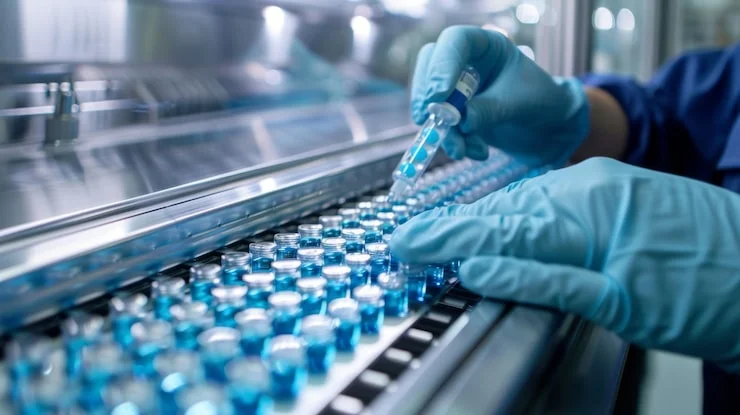
In the world of sterile pharmaceutical production, making sure products are sterile is extremely important. Among many different contamination control methods, the filter integrity test in pharma work serves as the last check before a product is sent out. What’s more, this process makes sure that the sterilizing filters used in clean manufacturing are working well and are not damaged. As government groups make manufacturing rules stricter, integrity testing has become a completely necessary part of pharmaceutical quality systems.
Filter Integrity Testing in Sterile Pharmaceutical Production
Making sure drugs are sterile isn’t just about getting rid of contaminants. It is very important. It’s about showing with scientific proof that all key control points are working as they should.
The Role of Filtration in Ensuring Sterility
Sterile filtration is seen as a vital control step in clean processing, particularly when final sterilization isn’t possible. Filters act as physical walls. They stop tiny contaminants from getting into the final product. A sterilizing-grade filter is defined by ASTM F838-83 (1993) as one that produces a clean liquid when tested with Brevundimonas diminuta at a minimum level of 10⁷ cfu per cm² of the filter’s surface. This definition shows the very high standards these filters need to meet.
Regulatory groups like the FDA and EMA stress that final filtration is a key barrier for microbe control. Thus, tests before and after use are needed to check that filters were not broken during operation. Without this check, the sterility of the final product cannot be guaranteed.
Key Principles Behind Filter Integrity Testing
Filter integrity testing is a gentle way to check the structural and functional strength of sterilizing-grade filters. This is usually done before use (after sterilization) and after use. It gives indirect proof that the filter will catch microorganisms under certain conditions.
There are both destructive and non-destructive methods, but in making pharmaceuticals, non-destructive ways are chosen to keep the filters usable. What’s more, these tests are scientifically proven to connect with the filter’s ability to hold back microbes. This makes sure the filter will work as needed during real production.
Common Methods of Filter Integrity Testing
Several standard methods are used for doing filter integrity tests in pharma environments. Each method is different. Each has its own good points and uses depending on the filter type and what is needed for the process.
Bubble Point Test
The bubble point test works on the idea that wet membranes block gas flow until a certain pressure is reached, which is set by the largest pore size. Then, gas pushes the liquid out and goes through the pores. This test is great for hydrophilic membrane filters. It gives quick results. However, getting the filter wet enough is very important to avoid wrong failures.
Diffusion Flow Test (Forward Flow Test)
This method measures how fast gas moves through a completely wet membrane under a set pressure below its bubble point. It is very good. It is highly sensitive to small flaws or breaks in the membrane structure. First of all, forward flow tests are useful for finding partial damage and are often used for hydrophilic filters. They can be repeated easily and can be automated, which makes them perfect for regular checks.
Pressure Hold Test (Pressure Decay)
The pressure hold or decay method checks how well a system keeps a steady pressure over time when it is cut off from a gas supply. A big pressure drop means there could be leaks or membrane damage. This method is often used in automatic filter integrity testers because it is simple and works well with closed systems.
Water Intrusion Test (for Hydrophobic Filters)
For hydrophobic membranes like PTFE, which push away water, this test measures how much water is pushed into the membrane under pressure. If very little water gets in, it confirms the filter’s barrier is strong. Besides, this method is only for air filtration systems in sterile places and makes sure that even gas-phase contaminants cannot get through.
Regulatory Expectations and Industry Standards
Filter integrity testing in the pharma field is guided by rules that are known all over the world. These rules are made to keep things safe and the same everywhere.
Global Guidelines Governing Filter Integrity Testing
The testing methods meet the rules of the FDA and GMP, as well as the rules of USP and EP. The U.S. Pharmacopeia chapter <USP <1223>> explains how to validate integrity testing methods. Also, PDA Technical Report 26 gives advice for using them during manufacturing. EU GMP Annex 1 requires PUPSIT (Pre-use Post-sterilization Integrity Testing) to be followed to make sure filters are not damaged before or after use.
Validation and Documentation Requirements
Integrity test methods need to be checked and approved during process development. This means setting passing criteria based on filter details and microbe challenge studies. During production, paperwork is very important. Records for each batch must show test results, who did the test, equipment IDs, and times to make sure everything can be traced during checks or audits.
Integration of Automated Filter-Integrated Testers in Manufacturing Workflows
With more and more batches being made and stricter rules to follow, pharmaceutical companies are using automated systems to make integrity testing easier.
Benefits of Automation in Filter Integrity Testing Processes
Automated filter integrity testers make sterility assurance better. They remove personal judgment. They also reduce mistakes from manual handling. Automated integrity testing systems greatly improve production speed and trustworthiness by giving steady, repeatable data. This is very important for industries that need to produce a lot and have strict quality control. What’s more, these systems also make record-keeping more accurate by connecting directly to manufacturing execution systems (MES), which allows for real-time checking and electronic audit records.
Features to Look for in a Filter Integrity Tester System
New automated testers have many features to help with following rules and working efficiently.
- User Interface and Data Management Capabilities: A simple touchscreen, support for multiple languages, and a built-in printer make it easier for operators on different shifts to use.
- Compliance with 21 CFR Part 11 Standards for Data Integrity: To meet U.S. FDA rules for electronic records, testers must have secure audit trails, user access controls, and electronic signature options.
- Compatibility with Various Filter Types and Sizes: It’s important to be flexible. Systems should work with different membrane materials like PES, PTFE, or nylon for both liquid and gas filtering needs.
MedIntegrity: A Trusted Partner for Laboratory Equipment Solutions
Sự toàn vẹn của y khoa of U.S.A is known for its dedication to new ideas and quality in pharmaceutical testing equipment.
Supporting Pharmaceutical Quality Through Innovation
MedIntegrity of U.S.A focuses on precise testing instruments and related items for the pharmaceutical industry. We are the helpful partner that always gives customers different solutions for testing, problem analysis, and lab research. Their solutions follow GMP standards and FDA expectations for making sure things are sterile.
Featured Products for Filter Integrity Testing
- V8.0 Automated Filter Integrity Tester: This top-performing model has a touchscreen, supports multiple languages, has a built-in printer, and allows for custom test setups—making it perfect for big pharma companies.
img.V8.0 Automated Filter Integrity Tester.webp
- V6.5 Compact Filter Integrity Tester: This smaller model is made for easy moving without losing any features. It is great. It is good for small-batch production lines or for on-the-spot checks in cleanrooms or faraway labs.
img.V6.5 Compact Filter Integrity Tester.webp
Challenges and Best Practices in Conducting Filter Integrity Tests
Even with new technology, doing these tests well depends on following the rules and using approved methods.
Common Pitfalls During Testing Procedures
A big problem in bubble point tests is not getting the membrane wet enough, which can lead to readings that are too low. In a similar way, using the wrong pressure or time settings in diffusion flow tests can give confusing results.
Strategies for Ensuring Reliable Test Results
- Operator Training and SOP Standardization: People who are trained must follow the same standard operating procedures (SOPs) to get the same results every time, no matter who does the test or where it is done.
- Routine Calibration and Maintenance Protocols: Good training should cover how the instrument works, its parts, regular maintenance, testing steps, and basic calibration information. Regular calibration helps make sure instruments stay accurate over time. And so on, these actions should be recorded as required by GMP rules.
Summary of the Role of Filter Integrity Testing in Contamination Control
Filter integrity testing is a very important check. It helps make sure everything is sterile at all steps of pharmaceutical production. It builds confidence in clean processing by checking that sterilizing-grade filters did not break while being used. In a place where tiny contaminants can cause deadly problems, this kind of check is absolutely necessary before any batch can be approved for release.
FAQs:
Q1: Why is filter integrity testing required after sterilizing filtration?
A1: It checks that the sterilizing-grade filter was not damaged during use, making sure no microbial contamination happened during the filtering process.
Q2: Can automated filter integrity testers replace manual methods entirely?
A2: While automation makes things more consistent, human knowledge is still needed to understand results, deal with unusual situations, and keep the system working well.
Q3: How often should filter integrity testers be calibrated?
A3: Calibration should be done as the manufacturer suggests—usually every 6–12 months—and must be recorded according to GMP rules.

 Vietnamese
  English
  Russian
  Spanish
  Portuguese
  German
  French
  Italian
  Arabic
  Dutch
Dutch  Japanese
  Korean
  Malay
Malay  Thai
Thai