

How Freezing Point Osmometry Enhances Experimental Accuracy
How Freezing Point Osmometry Enhances Experimental Accuracy
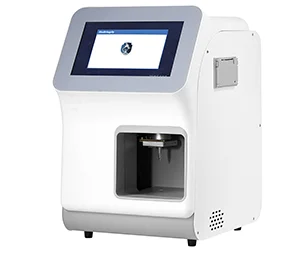
Freezing point osmometry stands as a key method in life science studies and medical testing, delivering top-notch accuracy for assessing osmolality in living and chemical mixtures. This approach relies on the idea of freezing point lowering—a natural effect in which added particles reduce the freezing temperature of a liquid. Such a connection helps experts figure out the number of particles that affect osmosis in a mixture with great detail.
Devices known as freezing point osmometers rank as the most popular kind in many healthcare areas, like lab analysis for chemicals, checks on product quality, making drugs, and creating medicines. They work on the basic rule that parts of a mixture active in osmosis lower its freezing temperature. This rule gives a straightforward way to gauge osmolality, which makes it better for items like blood fluid, waste liquid, and growth mediums for cells. Moreover, scientists value this method because it handles various samples reliably, ensuring results that match real conditions in biology.
Checking osmolality matters a lot since it controls the balance of water movement through cell walls, affecting how well cells stay alive and carry out life processes. When you compare it to ways that use vapor pressure or barriers for osmosis, freezing point osmometry gives quicker outcomes, needs less of the sample, and deals well with thinned-out or water-based mixes. Vapor pressure techniques look at drops in vapor pressure, and barrier methods check osmotic force through special walls that let some things pass. Yet, freezing point osmometry stays the top pick thanks to its fast pace and steady results, which build trust in lab work across fields.
How Does Freezing Point Osmometry Enhance Experimental Accuracy?
In today’s labs, getting exact results means you can count on them fully. Freezing point osmometry makes sure of that by giving steady readings of osmolality, even in tricky setups. The strength of this method plays a big role in repeating experiments well—a vital factor in life science work, where tiny changes might shift the final results in big ways. Therefore, researchers rely on it to keep their findings solid and useful.
Osmometers serve as important tools for checking the osmotic power or osmolality of a mixture. They figure out the level of dissolved items in different body samples, such as tears from humans, blood fluid, and waste liquid, and they matter in several areas. In tasks like shaping drugs or testing biochemical reactions, keeping the right levels of dissolved items decides if the product holds up and works as planned. For instance, liquids for injections need to match body salt levels to avoid harming cells when given; even small mistakes in osmolality could risk patient health or how well the treatment performs. As a result, precise tools like these become essential for safe practices.
Plus, getting the same results over many tests relies on good setup checks and steady conditions for measuring. Freezing point osmometry cuts down on changes caused by the person doing the work through automatic systems that spot the true freezing point without any personal guesswork. This builds more trust in the quality of data during multiple runs, allowing teams to move forward with confidence in their scientific efforts.
What Are the Technical Aspects Behind Modern Freezing Point Osmometers?
Before diving deeper into uses, it helps to think about how the build and features of these tools boost their work.
How Do Modern Instruments Achieve High Precision Through Design and Functionality?
Today’s freezing point osmometers blend smart sensors and automatic tech that make the process of measuring smoother. Ongoing work on new tech in how osmometers are built has created tools that are more exact, quicker, and easier to use. Take, for example, better sensors and systems that run on their own—these have raised the level of exactness and speed in checks. Such upgrades let you get readings in just moments, all while keeping strong repeat results that scientists can depend on.
The main parts cover holders for tiny amounts of samples, cooling units based on heat-electric effects to start freezing in a controlled way, and computer-chip systems that track temperature shifts right at the start of crystal formation. Built-in setup checks that run automatically also lower mistakes from manual work, so labs can focus on analysis rather than fixes.
How Should Calibration and Maintenance Be Performed for Optimal Performance?
Setting up the device correctly forms the base for dependable use. Labs often turn to approved sample standards with set osmolality levels before starting a round of tests or at least every month for regular jobs. Routine care means wiping the sample areas clean to stop dirt from building up, which might change how heat moves or mess with even freezing. In addition, checking now and then against extra standards keeps links to worldwide ways of measuring—an important step for meeting rules in places that make medicines.
Where Is Freezing Point Osmometry Applied Across Life Sciences?
The wide range of freezing point osmometry goes past simple studies into medical checks and factory quality watches.
How Does It Support Clinical Diagnostics and Patient Care?
Osmometers find heavy use in medical settings for spotting and monitoring many illnesses. They aid in finding issues with salts in the body, like low sodium levels (the top salt problem), high sugar in the blood, and other states tied to uneven fluids and salts. By checking osmolality in blood serum or waste liquid, they help judge water balance and kidney work, plus spot odd patterns like low or high sodium that signal body-wide problems. In units for serious care, watching patient osmolality directs treatment steps during healing from operations or injuries, ultimately improving outcomes for those in need.
Why Is It Crucial in Pharmaceutical Research and Development?
In areas of drug research and growth, freezing point osmometry ensures solutions for drugs stay at body salt levels—especially for liquids given inside the body, where matching normal conditions is a must. In the fields of making medicines and biotech, osmometers help in building drugs, controlling quality, and fine-tuning how they are made. This locks in product strength through the whole making process, while backing strict checks for quality that world rules demand, so companies can deliver safe items to markets everywhere.
How Does It Contribute to Biotechnology and Biochemistry Studies?
In biotech labs, getting osmolality right backs the best setups for growing cells by keeping the makeup of growth liquids steady over time. Studies on how enzymes speed up reactions also gain from this care, as the speeds of those reactions are tied to differences in dissolved item levels that shape how molecules link in the setups being tested. Thus, this tool helps drive forward discoveries in these growing fields with reliable data at every step.
Why Choose MedIntegrity as Your Laboratory Equipment Partner?
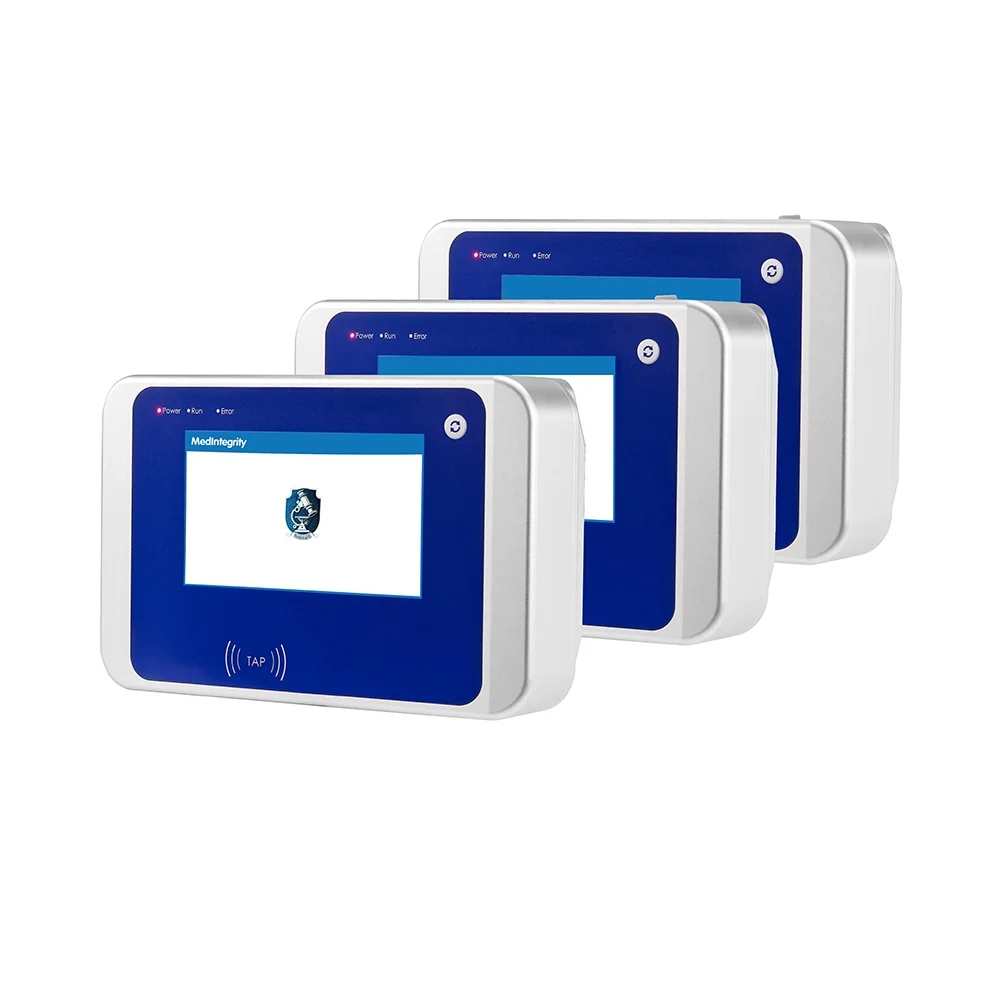
As experts focused on new ideas in labs, we at Sự toàn vẹn của y khoa supply cutting-edge tools made to fit changing needs in life sciences. Our lineup features top tools like our MedIntegrity RTP Testing System—a handy device for checking the strength of transfer ports in clean, germ-free settings within pharma or biotech spaces.
This system’s traits include support for many ports that handle round or oval links (Alpha ports or Beta containers), plus changeable check styles like Pressure Hold, Pressure Decay, or Flow Testing suited for varied proof needs. It meets all FDA 21 CFR Part 11 and EU Annex 1 rules, while lining up with GMP through simple screens that need little training. The easy-to-move design lets you do quick tests right on site without breaking clean workflows—key for keeping transfers free of germs between clean room areas. Furthermore, our team guides you through setup so everything runs smoothly from day one.
Our knowledge goes further than just selling items; we stress helping with blending them in, so fresh tools fit well with what labs already have. Whether you add an RTP strength checker or a freezing point osmometer for medical analysis flows, we make sure each setup works at its best with full check services found on our service platform. We value lasting ties based on steady support—giving tech help over the full life of tools while holding to world lab rules. Feel free to contact us!
What Benefits Does Freezing Point Osmometry Offer Across Applications?
Freezing point osmometry brings top-level exactness when looking at body liquids or drug mixes, where the balance of dissolved items sets how they function. Its strong points cover needing only small sample sizes along with fast finish times that fit busy operations—traits that labs in diagnostics prize highly. By keeping steadiness in tests from medical checks to lines making biopharma, it strengthens the trust in science and opens safe paths for growing treatments that match what rules expect. In essence, this method ties together accuracy and efficiency in ways that push fields ahead.
With our ongoing work at MedIntegrity to offer fine analytical gear like freezing point osmometers next to germ-free test systems such as our RTP line, we help labs around the world hold high standards of exact work at every point in their study or making stages. For custom advice on blending gear into your site’s flow control or plans for steady care—reach out via our contact spot on the main site, where our group stands ready to aid your coming project steps.
FAQ
Q1: What is the primary advantage of using freezing point osmometry over other methods?
A1: Freezing point osmometry delivers better exactness and steadiness than other methods, like vapor pressure checks, since it gauges temperature drop tied straight to dissolved item levels, not side factors affected by how things vaporize or pass through walls.
Q2: How often should a freezing point osmometer be calibrated?
A2: How often to set up a freezing point osmometer hinges on how much you use it, but do it before key rounds of measuring or at least monthly with approved sample mixes to keep exactness linked to world lab guides.
Q3: Can MedIntegrity provide support for integrating new equipment into existing laboratory setups?
A3: Yes—we give full help with blending services that guide clients through putting in and checking phases, so new tools work well with current analysis setups without stopping normal work.
 Vietnamese
  English
  Russian
  Spanish
  Portuguese
  German
  French
  Italian
  Arabic
  Dutch
Dutch  Japanese
  Korean
  Malay
Malay  Thai
Thai