

Filter Integrity Tester Replacement in 2026: Method Transfer, IQ/OQ & GMP Requalification
Filter Integrity Tester Replacement in 2026: Method Transfer, IQ/OQ & GMP Requalification
Replacing a filter integrity tester used for pharmaceutical sterile filtration is rarely a straightforward hardware purchase. The existing system may already be tied to validated test programs, filter acceptance criteria, SOPs, operator permissions, qualification records, and years of electronic data. Moving to another platform therefore raises a bigger question: which parts of the validated process can remain, and which need new verification?
The timing is relevant in 2026. PIC/S published the revised PI 006-4 Recommendations on Qualification and Validation on July 30, 2026, with entry into force on October 1, 2026. That keeps lifecycle qualification and risk-based control high on the agenda for pharmaceutical equipment projects.
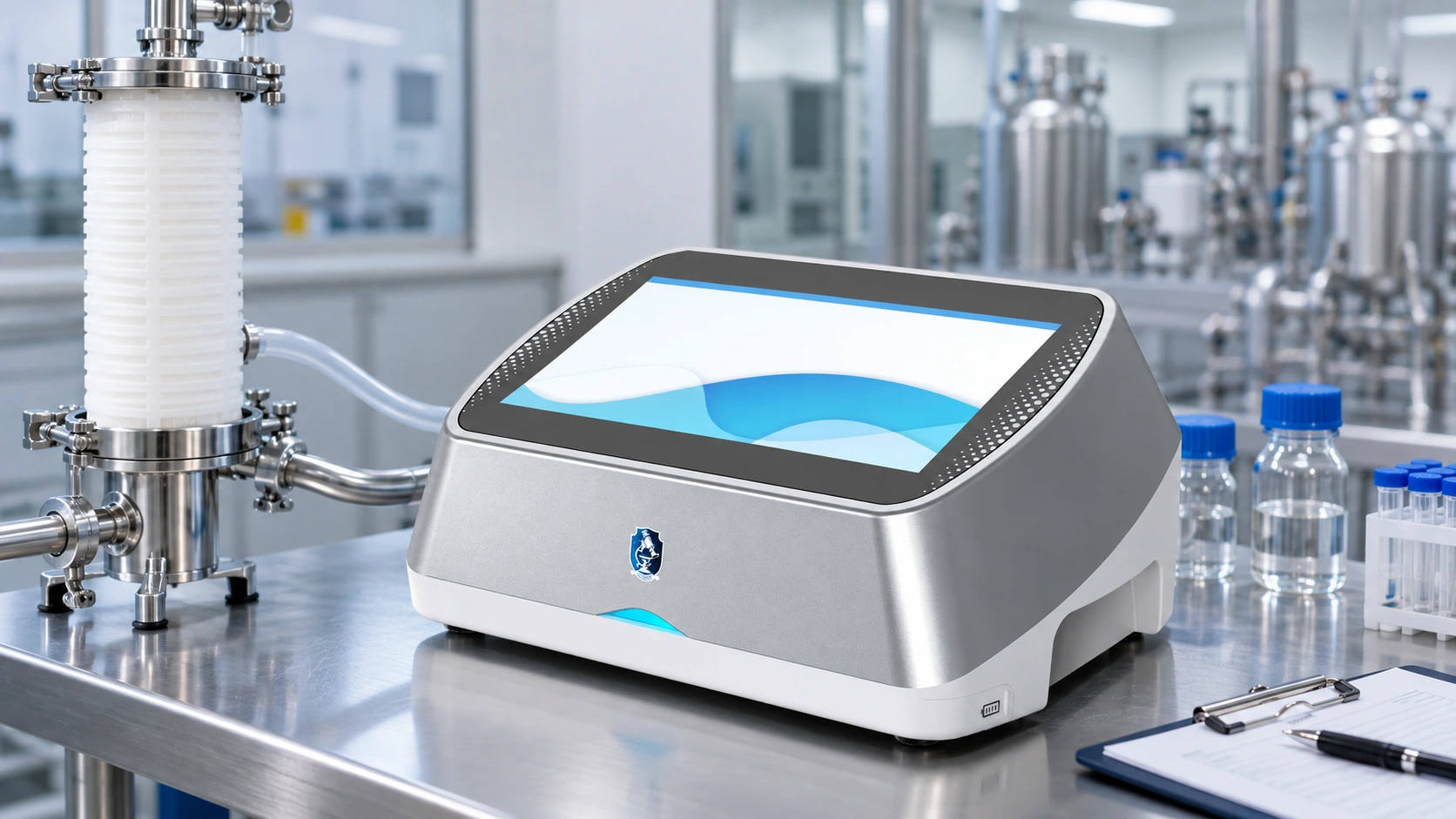
For buyers starting a replacement project, MedIntegrity’s Filter Integrity Tester portfolio provides platforms for different program, user, and data-management requirements.
When Filter Integrity Tester Replacement Becomes a GMP Change
Replacement can start with recurring repairs, aging hardware, unsupported software, limited data functions, extra testing capacity, or a new project requirement. These situations do not create the same validation impact. A like-for-like repair may restore the approved configuration, while a new tester can change measurement behavior, software, records, and operating procedures. Defining that difference early keeps the validation scope proportionate.
Assessing Validation Impact: Replacement, Repair, and Software Upgrade
A repair may affect calibration or verification depending on the component changed and the site’s maintenance and change-control procedure. A software upgrade can affect calculations, permissions, reports, audit trails, or stored programs. Full replacement may introduce differences in pressure sensing, flow measurement, stabilization behavior, test-program structure, and data handling.
That makes the equipment change impact assessment the starting point for filter integrity tester validation. The question is not whether the equipment is new; it is which validated functions, records, and operating conditions have changed.
A replacement tester does not automatically mean every original filter validation study needs to be repeated.
Change Impact Assessment Before Selecting a Replacement Tester
Once the project scope is clear, the next step is to separate the measurement platform from the established filter validation. This distinction matters because an acceptance criterion is not simply an instrument setting. It belongs to a defined filter application, test method, and validated condition. Procurement and validation teams can then compare replacement equipment against the existing technical basis instead of treating the project as a fresh method-development exercise.
Separating Instrument Changes from Existing Filter Validation
For an established sterile filtration application, the filter configuration, wetting fluid, approved integrity test method, and validated acceptance limit may remain applicable. The new platform still needs to execute and document that method reliably.
Potential differences include pressure control, flow measurement, upstream volume, stabilization, units, calculation logic, and result rounding. These are more relevant to a replacement review than changing an established acceptance limit just to fit a different tester.
For B2B buyers, this also changes the RFQ conversation. The useful comparison is not simply pressure range or screen size; it is whether the proposed filter integrity testing equipment fits the validated application.
Transferring Validated Filter Integrity Test Programs
Program migration often looks easy until old and new systems are tested side by side. Copying a bubble point pressure or diffusion limit takes minutes. Transferring the complete approved test condition takes more work. Stabilization, upstream volume, units, and reporting logic can influence how the method behaves, making filter integrity test method transfer an important part of the replacement plan.
Mapping Test Parameters, Limits, and Stabilization Settings
A practical transfer review can map the key settings before correlation testing begins:
| Existing program item | What to verify on the replacement tester |
| Filter configuration | Same validated filter and setup |
| Test method | Bubble point, diffusion, pressure hold, or WIT |
| Wetting condition | Same approved preparation |
| Test pressure and limit | Value, unit, and rounding |
| التثبيت | Behavior before measurement begins |
| Upstream volume | Setup or calculation differences |
| Reporting | Required result and record format |
Stabilization is easy to miss. Two testers can use the same nominal pressure while reaching the actual measurement stage differently. If stabilization or volume determination changes, direct recipe copying alone does not demonstrate a successful transfer.
Correlation and Bridging Between Legacy and Replacement Testers
After program mapping, the site needs evidence that the replacement platform can support routine sterile filter integrity testing. A controlled correlation or bridging exercise helps identify differences between the legacy and replacement testers. There is no credible universal percentage that defines acceptable agreement for every filter, method, and instrument; comparison criteria need to fit the actual application and be predefined in the transfer protocol.
Building a Representative Comparison Set
The comparison set needs to reflect routine sterile filtration work rather than one convenient filter configuration. Representative sterilizing-grade filter sizes, housings, or validated operating ranges may be relevant depending on the site.
Keep major variables controlled: filter configuration, wetting condition, test method, pressure settings, and acceptance basis. This makes instrument-related differences easier to interpret.
Investigating Systematic Differences Between Legacy and Replacement Testers
If old and new testers produce noticeably different results, changing the acceptance limit is not the first move.
Check wetting, tubing and upstream volume, stabilization, pressure units, measurement range, program settings, and instrument calculation logic. A consistent bias may point to configuration or measurement behavior rather than a change in filter performance.
This is one reason a formal bridging exercise has more value than running a few filters after installation and assuming both systems are equivalent.
IQ/OQ/PQ and Requalification for a Replacement Filter Integrity Tester
Method transfer and equipment qualification are closely related, but they answer different questions. Qualification demonstrates that the replacement tester is installed and operates within defined requirements. Method transfer connects that qualified platform to the approved filter integrity testing process. Keeping these activities distinct gives QA a cleaner path from the URS through routine GMP use.
Defining Qualification Scope from Installation Through Routine Use
IQ commonly covers equipment identification, installation, documentation, utilities, configuration, and calibration status.
OQ evaluates the functions defined in the URS, which may include test modes, measurement functions, alarms, access control, electronic records, and other required operating features.
PQ then moves into the actual application: approved procedures, trained operators, relevant filter configurations, and routine test conditions.
The exact filter integrity tester qualification or requalification scope depends on intended use and the documented change impact. Supplier documentation can support the work, while the site retains control of its approved validation strategy.
Electronic Records and Data Migration During Filter Integrity Tester Replacement
Once the replacement tester has been qualified and the approved method has been transferred, attention shifts to the records left behind by the legacy system. Historical results, recipes, audit trails, and signed records may still be required long after the instrument itself is retired. Addressing this before cutover avoids a situation where a technically successful replacement creates a new records-access problem.
Historical Record Retention and Computerized System Controls
The project needs to define which historical records remain required, where they will be retained, and how authorized users can retrieve them.
Where 21 CFR Part 11 electronic-record controls or computerized system qualification are in scope, the URS may include user access, electronic signatures, audit trails, backup, record export, and controlled data retrieval. These functions support the site’s data-control strategy; equipment features alone do not establish regulatory compliance.
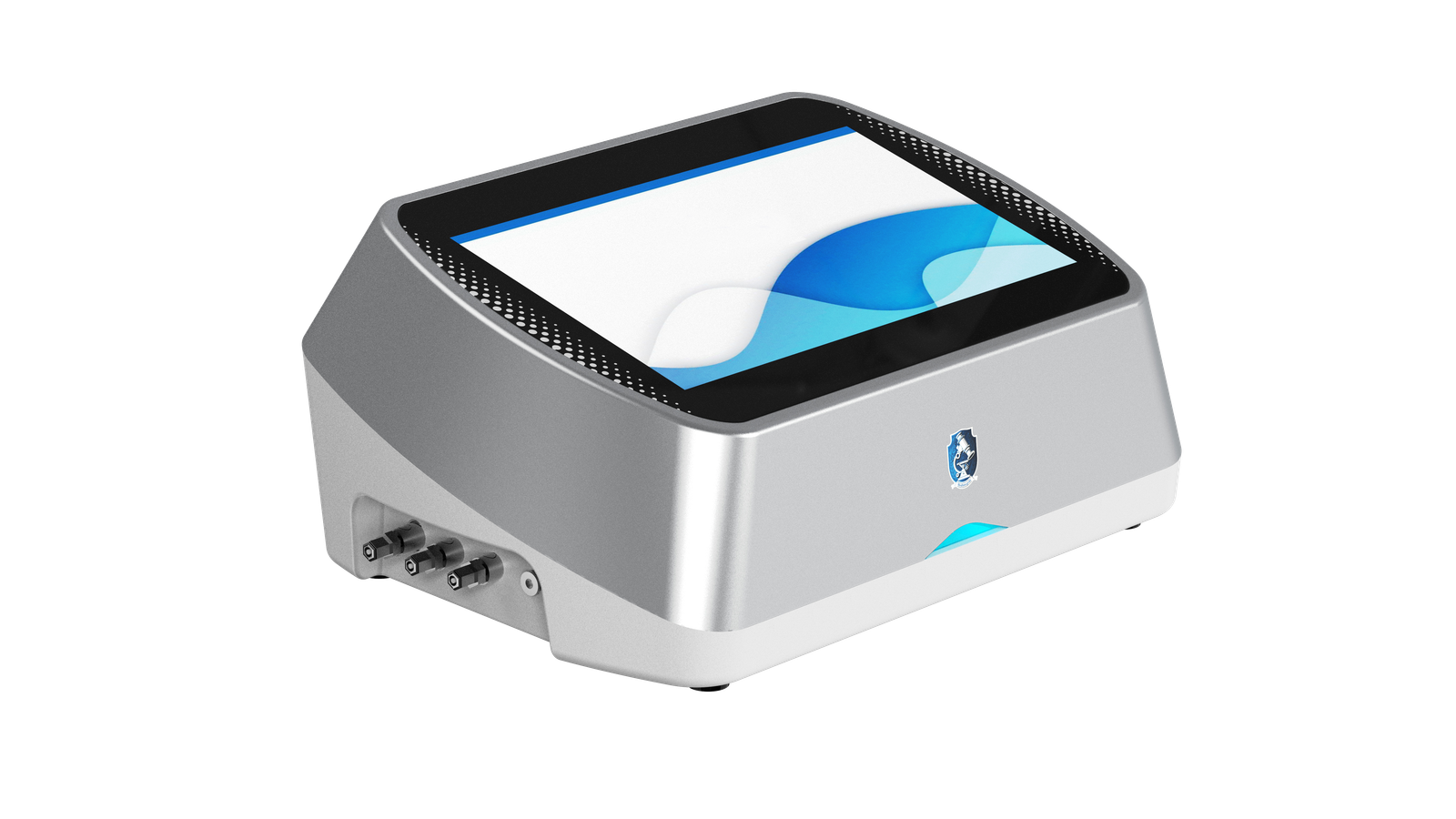
For larger program libraries and user structures, the MedIntegrity جهاز اختبار سلامة المرشح V10 supports 1,000 pre-stored programs and 1,000 user accounts, with multi-level user access, electronic signatures, audit-trail query/export, USB data export, and configurable communication interfaces.
Cutover, Decommissioning, and RFQ Planning
A suitable replacement tester can still create disruption if the transition is poorly timed. Qualification, method transfer, SOP approval, training, calibration, and legacy-record access need to come together before the old unit leaves service. This is also where the technical work turns into a better purchasing specification: suppliers receive the real application requirements rather than a generic request for a GMP filter integrity tester.
Maintaining Test Availability During Cutover
Before routine testing moves to the new platform, project teams commonly review:
- required IQ/OQ/PQ activities and approved records;
- transferred test programs and bridging results;
- current SOPs and operator training;
- calibration status;
- access to required historical records;
- open change-control actions;
- the defined date for legacy-system retirement.
Decommissioning needs a clear endpoint. Removing the instrument from service does not remove responsibility for the GMP records associated with it.
Defining URS and RFQ Inputs for the Replacement System
A useful filter integrity tester URS or RFQ gives suppliers enough information to assess the project accurately: existing tester, sterile filter configurations, approved test methods, program volume, user structure, acceptance criteria, data requirements, required interfaces, qualification expectations, and target cutover schedule.
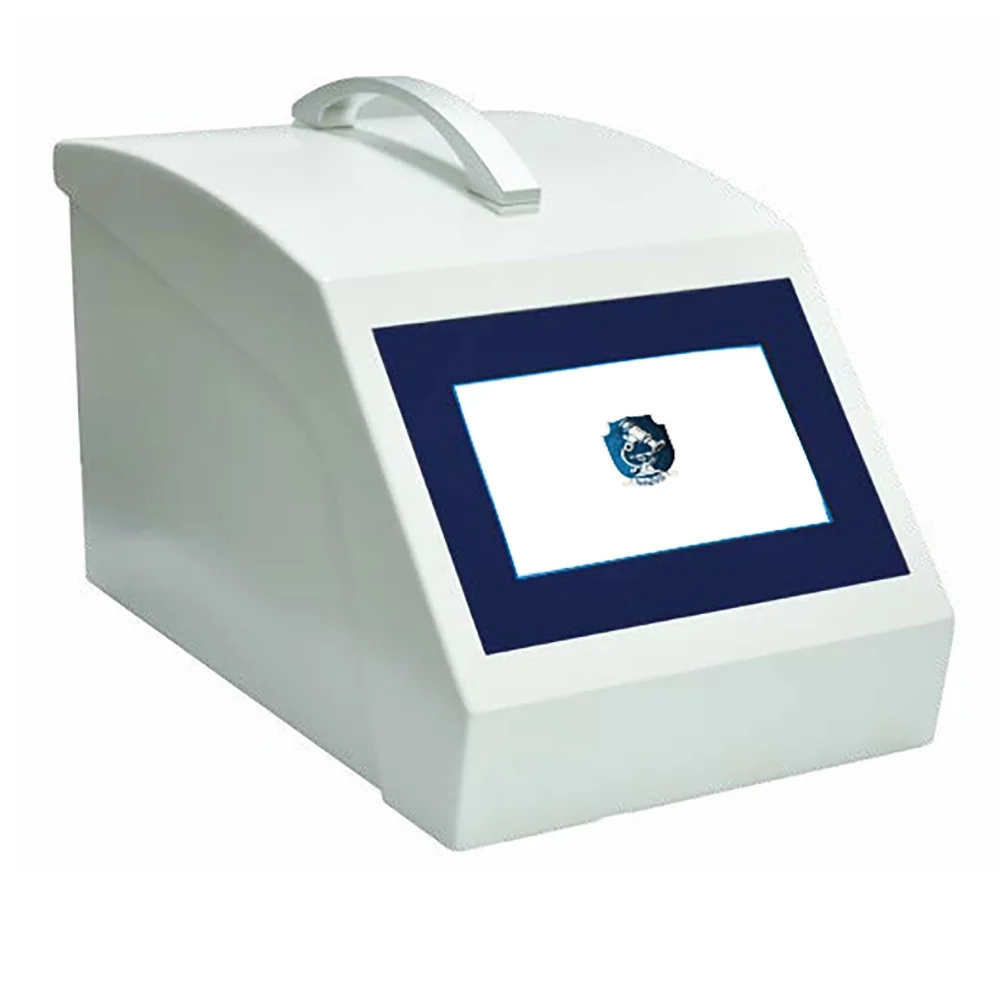
For projects with a more compact program and user structure, the MedIntegrity جهاز اختبار سلامة المرشح V6.5 provides 80 stored programs, 80 users, 5,000 historical records, electronic signatures, online/offline operation, data export, and an optional audit trail.
The purchasing decision is less about the longest feature list and more about fit: validated methods, program volume, users, electronic records, interfaces, and qualification scope.
الخاتمة
A filter integrity tester replacement is best managed as a controlled transfer of an established sterile filtration testing process. Change impact defines the scope; method transfer and correlation address continuity of the validated test; IQ/OQ/PQ establish the replacement equipment for intended use; and data-retention and cutover planning keep the transition controlled.
That same preparation makes the RFQ more useful. Buyers can compare suppliers against actual filter applications, test programs, data requirements, and qualification needs rather than a generic specification sheet. For application review or a replacement-equipment quotation, contact the MedIntegrity technical team.
أسئلة متكررة
Q1: Does replacing a filter integrity tester require revalidation?
A: The scope depends on the documented change impact. Replacement commonly involves equipment qualification and verification that approved integrity test methods perform correctly on the new platform. It does not automatically require repetition of every original filter validation study.
Q2: Can validated filter test programs be transferred to a new filter integrity tester?
A: Yes, but program transfer involves more than copying pressure values and acceptance limits. Units, wetting conditions, stabilization, upstream volume, calculation logic, and reporting need review where they can affect the approved method.
Q3: Do filter integrity test acceptance criteria change when the tester is replaced?
A: Not automatically. The acceptance criterion remains tied to the validated filter application and test conditions unless a documented technical assessment supports a change.
Q4: Why can an old and a new filter integrity tester produce different results?
A: Differences may come from stabilization, pressure or flow measurement, upstream volume, program settings, units, wetting, or the physical setup. Controlled correlation testing helps separate equipment-related differences from filter performance.
Q5: What qualification documents are needed when purchasing a replacement filter integrity tester?
A: The package depends on the site’s URS and change assessment. Typical project documents may cover IQ/OQ, calibration status, functional testing, method-transfer or correlation records, SOP updates, training, and application-specific PQ where required.
 Arabic
  English
  Russian
  Spanish
  Portuguese
  German
  French
  Italian
  Dutch
Dutch  Japanese
  Vietnamese
  Korean
  Malay
Malay  Thai
Thai