

Blow-Fill-Seal Leak Testing vs Form-Fill-Seal Packages: A 2026 Equipment Selection Guide
Blow-Fill-Seal Leak Testing vs Form-Fill-Seal Packages: A 2026 Equipment Selection Guide
BFS and FFS packages can both need container closure integrity testing (CCIT), but they do not automatically use the same setup. In practical terms, blow fill seal leak testing is a package-specific decision: a molded ampoule, a BFS strip, and a flexible FFS pouch can differ in shape, stiffness, seal area, fill condition, and headspace.
This 2026 equipment guide shows what to confirm before an RFQ and where MedIntegrity’s MFT-600 and MFT-1000 may fit. For broader format context, buyers can review the multi-format CCIT guide before narrowing the request.
BFS vs FFS Leak Testing: Practical Equipment Considerations
The short answer is that BFS and FFS are packaging formats, not complete test methods. Start with the actual package and its intended conditions. Search results often mix forming equipment, seal-strength testing, and high-speed line inspection. The sections below stay with pharmaceutical package integrity equipment and the sample that will actually be tested.
How BFS and FFS Construction Affects Test Planning
BFS forms and fills a molded plastic container, such as an ampoule, bottle, or card. FFS forms and seals flexible film, so the seal region and package movement may become central questions. These differences guide planning, but they do not select a method by themselves.
Why the Package Acronym Is Not Enough
Two packages with the same label can have different dimensions and fill conditions. Send drawings, photographs, fill state, and the proposed method early. An acronym alone can make an otherwise useful quote hard to compare.
How BFS and FFS Package Construction Affects Test Configuration
The previous section separated package language from test-method language. Now use that distinction to identify the physical details that can change a tester, chamber, or program discussion. This gives operations and quality teams a common list before they compare quotations for several package formats.
BFS Containers: Molded Ampoules, Bottles and Cards
A BFS package has a defined three-dimensional shape, yet the sample may arrive as an individual container or card/strip. Dimensions, contact points, closure geometry, and fill condition affect how it sits in a test cavity. For small-batch or multi-variety laboratory work, a semi-automatic workflow lets an operator select a program and handle each sample without assuming a production-line arrangement.
FFS Packages: Flexible Films, Pouches and Fused Seals
FFS packaging raises different questions: how much does it flex, where is the seal, and does the filled package settle differently from an empty one? A pouch may need a different support and cavity discussion from a rigid container. The quotation should be based on the sample, not the term “FFS” alone.
Buyer Comparison: Geometry, Flexibility and Format Mix
Before comparing equipment, write down these five points for every format under review:
- package type and individual, strip, or card presentation;
- overall dimensions and shape;
- empty or filled condition, plus relevant headspace information;
- seal or closure area and likely leak path;
- number of formats and the expected small-batch or multi-variety workflow.
This record gives the supplier something concrete to discuss and the buyer a cleaner basis for comparing quotations.
Six Package Inputs to Confirm Before Selecting a Leak Tester
The package comparison identifies the variables; this section turns them into an RFQ. A request that says only “BFS leak tester” or “FFS leak tester” leaves the supplier guessing. A short, well-ordered set of facts is more useful than a long generic specification and can be reused when a new size enters the program.
1. Package Type and Presentation
Name the exact item and state whether it is tested individually or as a strip/card. Grouped presentation can change the chamber discussion and the way samples are handled.
2. Dimensions and External Geometry
Provide length, width, height, and any contour that affects placement. A drawing helps when a seal edge is hard to see. A nominal aperture is not a package-specific detection guarantee; treat it as one input, not the whole buying decision.
3. Fill Condition and Headspace
State whether the sample is empty, partially filled, or filled with the intended product or a representative liquid. Headspace belongs in the method discussion because package condition is part of the setup.
4. Closure, Seal Area and Suspected Leak Path
For BFS, identify the closure or container-wall area of concern. For FFS, identify the seal region and any known weak point. This keeps the request tied to the actual seal.
5. Flexibility and Movement During Testing
Describe whether the package is rigid, squeezable, or likely to shift in the cavity. Ask what the sample will do during the proposed test.
6. Format Mix and Data Requirements
List the number of formats, expected changeovers, and required records. Include export, audit-trail, and communication needs before approval.
Vacuum and Pressure Attenuation: Method Selection for BFS and FFS
Once package facts are available, method selection becomes more meaningful. Vacuum attenuation is often discussed, while some projects also evaluate pressure attenuation. The question is whether the method, package condition, cavity, and parameters fit the sample. This section connects those terms to the next buying decision without promising a result for an unreviewed package.
Vacuum Attenuation for BFS and FFS Projects
Vacuum attenuation can be discussed for BFS and FFS projects, but the package controls the details. A pouch, molded container, and filled sample may respond differently. Treat it as a proposed direction that needs package-specific review.
When Pressure Attenuation May Need Evaluation
Some buyers compare pressure and vacuum attenuation across more than one format. MedIntegrity’s MFT-1000 supports both approaches, so it is the more relevant model to discuss when both are in the initial evaluation. The package and proposed use still drive the choice.
Why the Format Name Cannot Choose the Method
The same acronym can cover different geometries and seal conditions. Selection should follow the sample, intended use, and proposed configuration. If details are missing, identify them instead of forcing a confident method claim into the quote. That discipline applies to both BFS package integrity testing and FFS projects.
Where MFT-600 and MFT-1000 Fit in a Buyer Evaluation
With the inputs defined, a buyer can have a focused conversation with MedIntegrity. The models are not interchangeable answers for every package: one centers on semi-automatic vacuum attenuation, while the other supports a broader vacuum/pressure and cavity discussion. This distinction helps route the inquiry to the right technical questions before price or delivery.
MFT-600: Semi-Automatic Vacuum-Attenuation Testing

MFT-600 covers BFS and FFS pharmaceutical packages and uses vacuum attenuation. Its semi-automatic workflow suits small-batch and multi-variety work: an operator selects a program, loads the sample, and removes it after testing.
USB export, historical records, audit-trail functions, and communication interfaces matter when a laboratory manages several formats. Final selection follows the actual package and intended use.
Review the MFT-600 vacuum attenuation tester when this workflow matches your project.
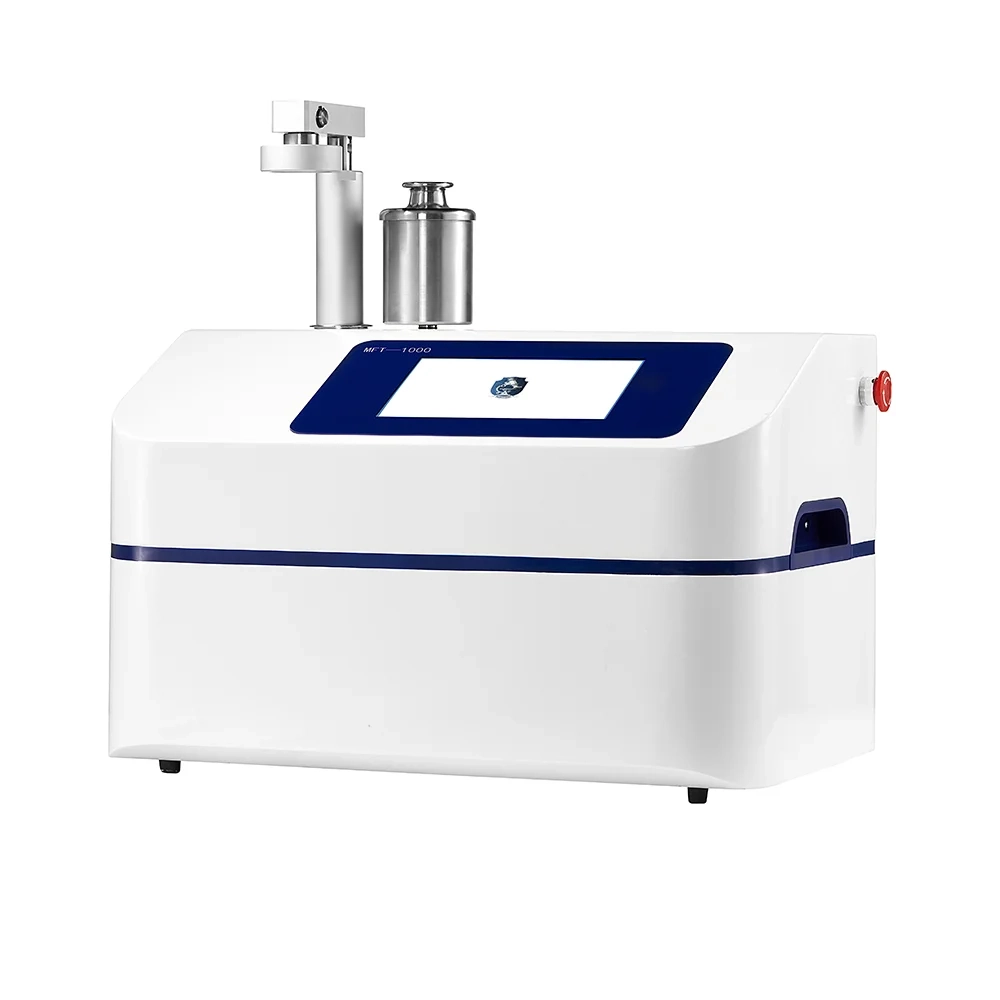
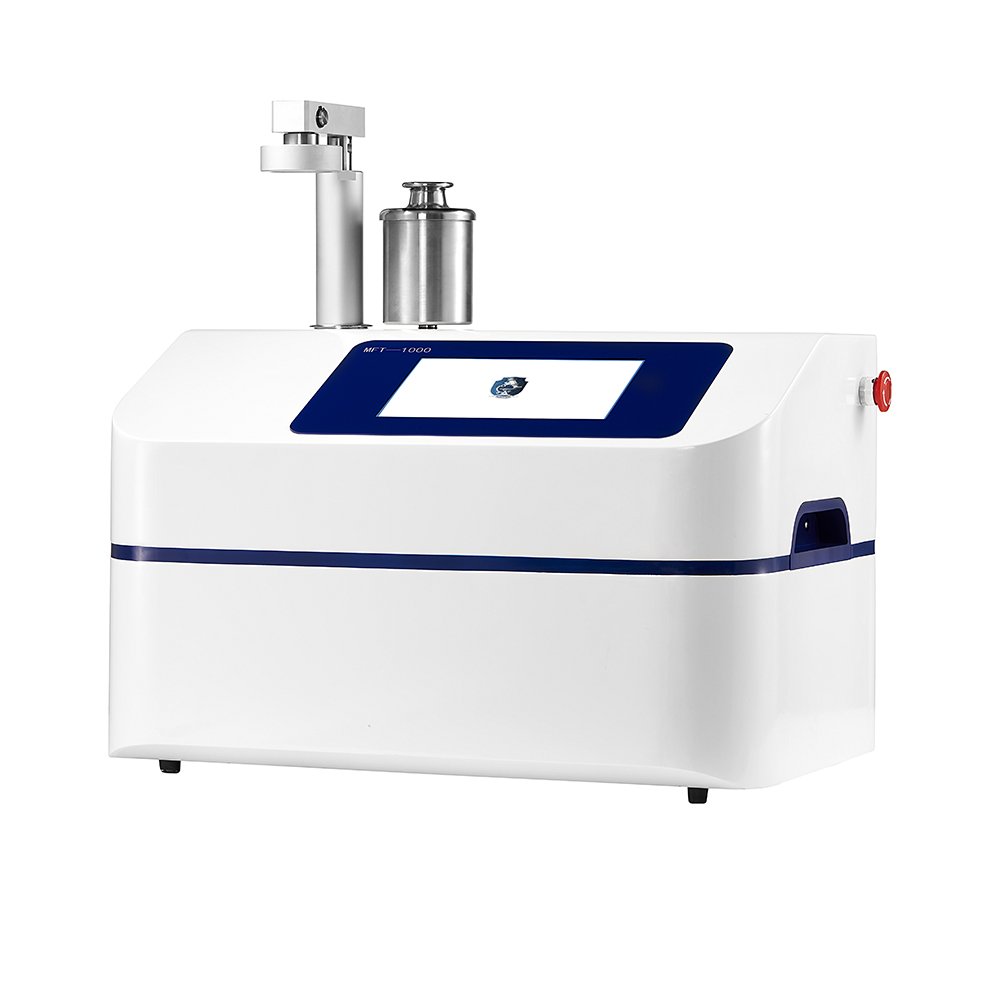
MFT-1000: Vacuum and Pressure Attenuation with Cavity Discussion
MFT-1000 is the more relevant discussion when a project evaluates vacuum and pressure attenuation or needs a product-specific test cavity. Its split design uses different chambers for different product types, and the cavity can be discussed around the customer’s product. Automatic leak-flow calibration, audit-trail and user-authority functions, USB export, historical records, and communication interfaces support multi-format data needs.
Review the MFT-1000 pressure and vacuum attenuation tester when those questions are part of the project, then confirm the package details.
What the Published Specifications Do Not Prove
A nominal instrument specification is not a package-specific detection limit. Evaluate the instruments for the stated test workflow rather than assume an inline production inspection setup. Keeping that distinction in the RFQ helps both sides discuss the configuration on the same terms.
A BFS/FFS Leak Tester RFQ Checklist
Before requesting a quotation, assemble a compact technical package. This checklist starts a productive discussion and helps a purchasing team compare proposals on the same facts:
- exact BFS or FFS format and presentation;
- dimensions, drawings, and clear photographs;
- empty or filled state, fill material, and relevant headspace details;
- closure/seal area and suspected defect location;
- proposed vacuum or pressure method, if already selected;
- number of formats and intended small-batch or multi-variety use;
- data export, audit-trail, record-storage, and communication needs.
Send it to MedIntegrity through Kontaktieren Sie uns to discuss configuration and request a quotation. Ask for a package-specific equipment discussion rather than a generic catalog recommendation.
Schlussfolgerung
BFS and FFS leak testing starts with the package, not the acronym. Dimensions, flexibility, seal or closure geometry, fill condition, headspace, format mix, and data needs shape the equipment conversation.
Discuss MFT-600 for semi-automatic vacuum attenuation in small-batch or multi-variety work; discuss MFT-1000 when vacuum and pressure attenuation or a product-specific cavity needs evaluation.
Send MedIntegrity the package type, dimensions, proposed method, and data requirements before approval. The MedIntegrity pharmaceutical testing instruments collection provides the wider product context before an RFQ.
FAQs
Q1: What is blow-fill-seal leak testing?
A: It evaluates molded pharmaceutical packages such as ampoules, bottles, or cards. The setup depends on dimensions, fill condition, leak path, and method. BFS alone does not establish the final equipment configuration.
Q2: Can the same leak tester be used for BFS and FFS packages?
A: One instrument family may be discussed for both, but the cavity, program, method, and handling conditions still need review. MedIntegrity lists both formats for MFT-600 and MFT-1000; the final choice remains package-specific.
Q3: Is vacuum attenuation suitable for BFS packages?
A: It can be evaluated, but suitability depends on the container, fill condition, dimensions, and parameters. MFT-600 is a semi-automatic option to discuss for small-batch or multi-variety work.
Q4: What information is needed for form fill seal leak testing?
A: Provide the FFS format, dimensions, drawings or photographs, empty or filled condition, fill and headspace information, seal area, suspected leak path, proposed method, number of formats, and data needs. This lets the supplier discuss equipment and cavity requirements instead of guessing from the process name.
Q5: Which MedIntegrity model should be discussed for BFS or FFS testing?
A: Discuss MFT-600 for semi-automatic vacuum attenuation in small-batch or multi-variety work. Discuss MFT-1000 when vacuum and pressure attenuation or a product-specific cavity needs evaluation. Final selection follows the package and intended use.
 German
  English
  Russian
  Spanish
  Portuguese
  French
  Italian
  Arabic
  Dutch
Dutch  Japanese
  Vietnamese
  Korean
  Malay
Malay  Thai
Thai