

How to Choose a Pharmaceutical Osmometer in 2026: Specifications, Data Records and RFQ Checklist
How to Choose a Pharmaceutical Osmometer in 2026: Specifications, Data Records and RFQ Checklist
Choosing a pharmaceutical osmometer starts with the measurement task, not a feature count. Define sample categories, osmolality range, workload, operator roles, and record review before comparing models. A freezing point depression osmometer may suit pharmaceutical analysis, but its range and performance must match the buyer’s application.
In 2026, procurement teams are giving more attention to data integrity, electronic records, audit-trail review, and digital traceability alongside analytical performance. MedIntegrity manufactures pharmaceutical testing instruments, including osmometers and integrity-testing equipment. This guide frames the questions QC, laboratory, engineering, and purchasing teams should settle before requesting a quotation.
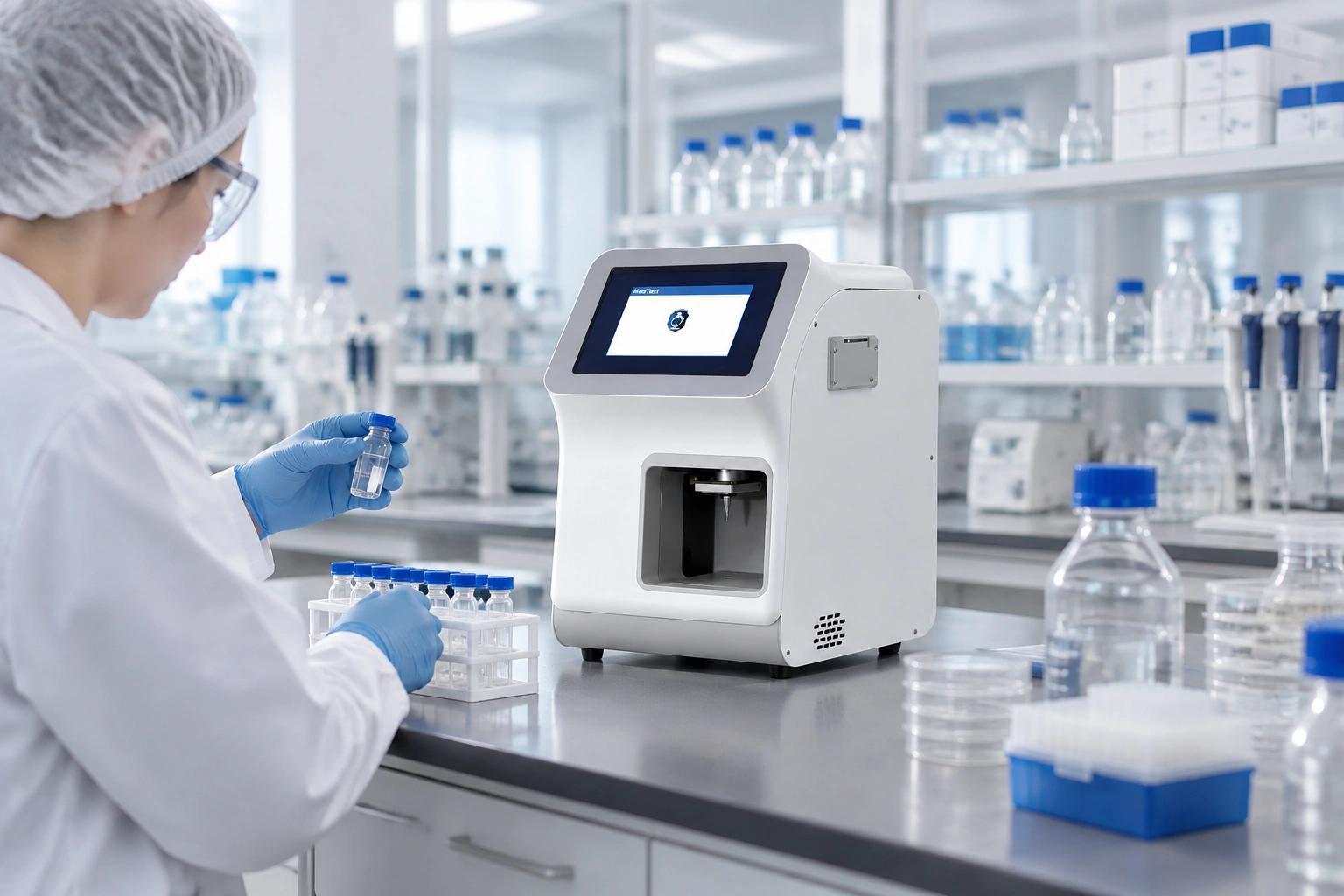
Define Pharmaceutical Osmolality Testing Requirements Before Sourcing
A comparison works only when suppliers address the same operating need. This section turns a general search for osmolality testing equipment into a defined user requirement and baseline for later price and model comparisons. It also prevents a common international B2B sourcing mistake: selecting around an impressive resolution value while leaving measurement range, workload, sample suitability, and record review unresolved.
Define Sample Types and the Expected Measurement Range
List the solution categories and expected result ranges. Add a practical margin, but do not treat a wide instrument range as proof that every formulation is suitable. Sample properties can affect method fit, so identify challenging material and request written application confirmation.
Die freezing point osmometer category provides a shortlist starting point. Final selection should follow the defined pharmaceutical analysis task.
Quantify Routine Throughput and Total Cycle Time
Convert “fast testing” into samples per shift, repeat frequency, startup pattern, and review time. Pre-cooling and measurement are only part of the cycle; preparation, cleaning, documentation, and review also matter. A three-minute measurement does not mean twenty reviewed tests per hour. Real laboratory work is rarely that tidy. Compare usable throughput, not one timing number.
Map User Roles and Record Review
Identify who may operate, review, approve, and administer users. Decide how often historical data and audit records will be reviewed. User classifications and electronic signatures are useful when they reflect actual responsibilities. A checked feature box does not define the full workflow.
Evaluate Freezing Point Osmometer Performance Specifications
Once the application is defined, carefully compare specifications that answer different purchasing questions. Range, error, repeatability, linearity, resolution, test duration, and pre-cooling time should remain separate RFQ fields. Combining them into “high accuracy” makes detailed supplier responses difficult to compare and can hide a poor fit. These specifications provide the analytical basis for the electronic-record and commercial checks that follow.
Compare Measurement Range and Measurement Error
Measurement range defines the reportable span; measurement error describes closeness to a reference under stated conditions. Ask suppliers to give both in the same unit with applicable conditions. A larger range is not automatically better when routine samples occupy a narrow band. Error requirements should reflect how the laboratory uses the result.
Separate Repeatability, Linearity, and Resolution
Repeatability describes agreement among repeated measurements; linearity concerns response across the range. Resolution is the smallest displayed increment, not measurement error. A 0.1 display does not prove every result correct to 0.1 mOsmol. Keeping these osmometer specifications separate produces a cleaner technical comparison.
Compare Testing Duration and Pre-Cooling Time
Testing duration affects each sample; pre-cooling affects readiness after startup. Ask suppliers for both figures and applicable conditions. Cycle time may lead a high-volume decision, while lower-volume work may put more weight on operation, controlled access, and record retrieval. Judge the tradeoff from the real workload, not a generic speed claim.
Specify Electronic Records and User Controls
Analytical performance is only half of the procurement decision. The instrument must also fit how the organization assigns access, attributes actions, reviews changes, signs results, and retrieves records. Building on the measurement specification, this section connects each result with its authorized users and associated records. An audit trail or electronic signature alone does not establish suitability of the complete process.
Define Audit-Trail Capacity and Record Retrieval
State expected record volume, retention horizon, search workload, and audit-trail review. Capacity matters, but retrieval matters too. Ask how authorized users locate a result or audit entry and what they can view. This turns “audit trail available” into a usable data-integrity requirement.
Map Electronic Signatures and User Classifications
Define who may test, review, sign, and manage access. Compare user classifications with job responsibilities. Electronic signatures support attribution, while organizational procedures determine review and approval. Document this role map before quotation review, while requirements are still easy to discuss.
Confirm Interface Language and Operating System
Interface language affects training and usability. The operating system may matter to lifecycle planning and technical review. These details look secondary during price discussions but surface when the instrument reaches the laboratory. Include them and any additional interface requirement in the written RFQ.
Compare Pharmaceutical Osmometer Price Against Operating Requirements
Pharmaceutical osmometer price is a high-intent buying query, but a bare number supports little meaningful comparison. Compare supplier quotations against exactly the same defined scope and workload. Configuration, routine-use items, documentation, operator time, startup, testing, cleaning, and review can affect the decision. The goal is not a universal ownership cost; it is to stop unlike quotations from appearing commercially equivalent.
Define the Quotation Scope
Ask suppliers to identify the configuration, included items, site requirements, and materials for routine checks or calibration-related work. Put requested training, qualification, documentation, or support in the RFQ rather than assuming inclusion. A clear scope strengthens commercial comparison.
Use a Standardized Pharmaceutical Osmometer RFQ Matrix
The same comparison table should be sent to every shortlisted supplier. The buyer column contains the application owner’s requirements; the supplier column records the offered value and its conditions.
| RFQ field | Buyer input or question | Supplier response |
| Measurement principle | Required analytical method | Offered method and conditions |
| Messbereich | Expected results plus practical margin | Offered mOsmol range |
| Performance | Error, repeatability, linearity, resolution | Values and applicable conditions |
| Workflow time | Workload and startup pattern | Testing and pre-cooling times |
| Elektronische Aufzeichnungen | Retention and review needs | Capacity and retrieval method |
| User control | Operator, reviewer, signer, administrator roles | Classifications and signature functions |
| Sample fit | Sample categories and challenging properties | Written application confirmation |
| Commercial scope | Required configuration and deliverables | Included items and exclusions |
Evaluate FPOSM-V3.0 Against the Buyer Requirement
With the RFQ complete, the team can assess a specific model. This section applies the performance, timing, and electronic-record questions to one MedIntegrity option without becoming a product inventory. Compare the verified numbers with the defined application; they are not universal sample claims. This keeps technical evaluation, quality review, and international B2B equipment sourcing closely aligned throughout final model selection.
Match the Verified Measurement Specifications
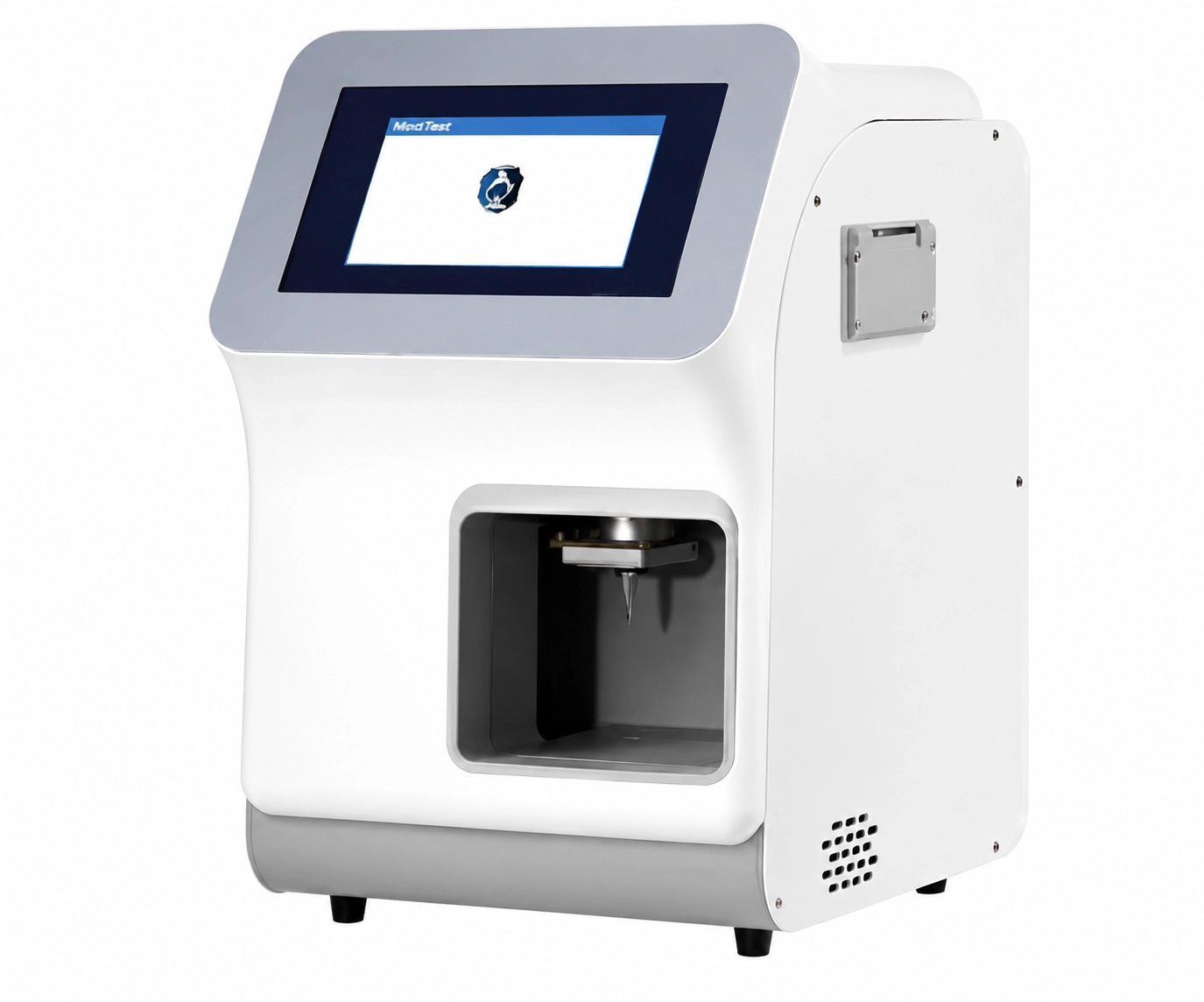
Die FPOSM-V3.0 Gefrierpunktosmometer uses freezing-point depression across 0–3000 mOsmol. Testing and pre-cooling are each no more than three minutes. Measurement error, repeatability, and linearity are each no more than 1%, with 0.1 resolution. Compare each value with the intended pharmaceutical osmolality requirement.
Match Record and User-Control Requirements
FPOSM-V3.0 uses Linux with an English interface. It includes electronic signatures, user classification management, and audit-trail capacity of 300,000 sets. These are concrete fields for the user-role and record-review plan. List any additional interface, data-transfer, or configuration requirement as a written RFQ confirmation item.
Prepare a Complete Osmometer RFQ
The final RFQ should provide enough application context for a precise response. It brings together sample definition, performance, throughput, records, user controls, and commercial scope. For a B2B equipment buyer, this is where research becomes an actionable purchasing document. Shortlisted suppliers can then respond directly to the actual operating requirement instead of a generic early request for an osmometer price.
Send One Consistent Requirement Set to Shortlisted Suppliers
Include sample categories, range, test volume, timing, error, repeatability, user roles, electronic signatures, audit-record expectations, interface language, operating environment, configuration, and open items. Use the same set across suppliers. This makes technical and price comparison clearer and exposes unanswered questions before the purchase order.
Schlussfolgerung
The best pharmaceutical osmometer is the one that fits a defined measurement and review workflow. Start with sample categories, expected range, workload, and user responsibilities. Then compare measurement error, repeatability, linearity, resolution, testing duration, pre-cooling time, electronic records, signatures, user control, and price as separate purchasing fields.
FPOSM-V3.0 can be shortlisted where its freezing-point depression method, 0–3000 mOsmol range, performance values, timing, and record functions match the buyer’s requirement. To discuss an offered configuration, submit the completed requirement set through the MedIntegrity inquiry form.
FAQ (häufig gestellte Fragen)
Q1: What measurement range should a pharmaceutical osmometer have?
A: The range should cover expected sample results with a practical margin. It should be evaluated together with measurement error, repeatability, linearity, and written confirmation for the intended sample categories.
Q2: What is the difference between osmometer resolution and accuracy?
A: Resolution is the smallest displayed increment, while measurement error describes closeness to a reference under stated conditions. A finer display does not by itself prove better measurement performance, so keep both as separate RFQ fields.
Q3: How are repeatability and linearity different in osmometer specifications?
A: Repeatability concerns agreement among repeated measurements under consistent conditions. Linearity concerns response across the measurement range. Buyers need both values because they answer different performance questions.
Q4: How long does a freezing point osmometer test take?
A: Timing varies by model, and testing duration should be separated from pre-cooling. For FPOSM-V3.0, testing and pre-cooling are each no more than three minutes. Preparation, cleaning, and record review add to the working cycle.
Q5: What should be included in a pharmaceutical osmometer RFQ?
A: Include the measurement principle, sample categories, range, error, repeatability, linearity, resolution, workload, testing and pre-cooling times, user roles, electronic signatures, audit-record needs, interface language, configuration, and commercial scope.
 German
 English
 Russian
 Spanish
 Portuguese
 French
 Italian
 Arabic
 Dutch
 Japanese
 Vietnamese
 Korean
 Malay
 Thai