

Pharmaceutical Ampoule Leak Tester Selection: Vacuum Decay, Pressure Decay and RFQ Checklist
Pharmaceutical Ampoule Leak Tester Selection: Vacuum Decay, Pressure Decay and RFQ Checklist
A pharmaceutical ampoule leak tester should be selected from the package and test method outward, not from a headline sensitivity number. Start with the ampoule geometry, closure, fill state, expected test volume, and whether the work is small-batch or routine production.
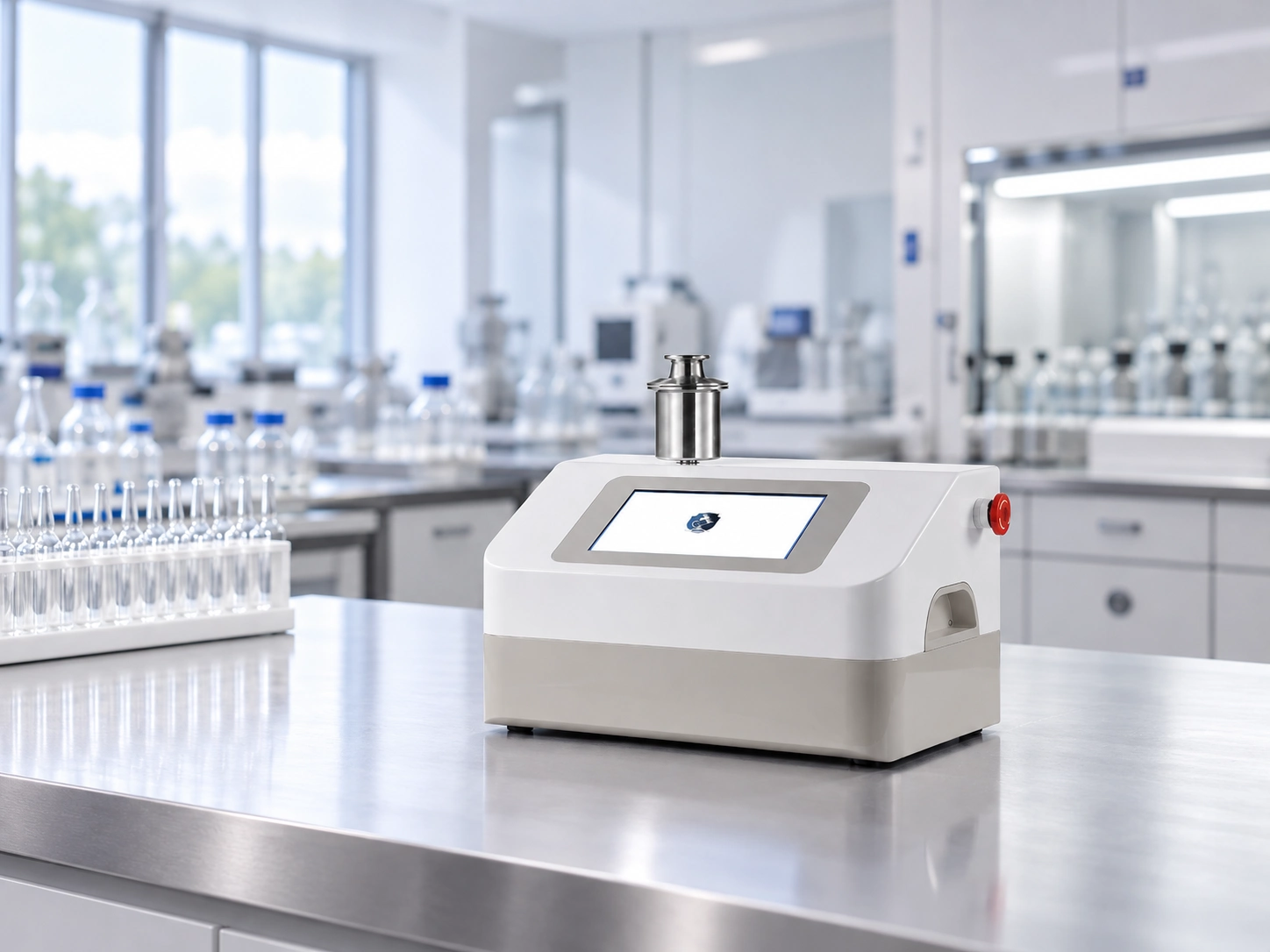
Then ask whether vacuum attenuation, pressure attenuation, or a package-specific chamber is appropriate. MedIntegrity‘s MFT-600 and MFT-1000 are relevant starting points because their official product information lists ampoules among supported pharmaceutical packages. The practical decision is which verified model path matches the application and what must still be confirmed with representative samples.
This guide is for pharmaceutical QC, packaging engineering, validation and procurement teams comparing equipment or preparing an RFQ. It explains the questions that make an ampoule leak test inquiry useful, shows where the two MFT models differ, and separates instrument capability from package-level feasibility. It does not replace a written application review or a project-specific method and validation plan.
What an Ampoule Leak Tester Must Decide
Define the package first
An ampoule is not just a small container. Its body, neck, seal, headspace, fill condition and handling method affect how a pressure change appears to the instrument. A buyer therefore needs to define the test object before comparing suppliers.
Include the nominal dimensions, drawing or sample photographs, closure and sealing process, filled or empty condition, expected production mix, and the number of samples per test sequence.
Set the operating objective
The first decision is the buyer’s actual purpose. A development laboratory may need flexible chamber work across several ampoule formats. A QC team may need a repeatable routine program for one or two established formats. A contract manufacturer may need a broader package range and clear changeover assumptions. These are different procurement tasks even when the search phrase is the same.
- Package definition: ampoule body, neck, seal, dimensions and tolerances.
- Sample condition: empty, liquid-filled, closed, conditioned or otherwise specified by the project.
- Test objective: screening, routine QC, development work or a validation-supported method.
- Workload: sample count, batch pattern, changeover frequency and operator handling.
- Data needs: result export, historical records, user access and review responsibilities.
Vacuum Attenuation or Pressure Attenuation
Match the method to the application
Vacuum attenuation and pressure attenuation both require application-specific decisions. The useful question is not which label sounds more advanced; it is which pressure response is stable and meaningful for the ampoule, its contents and the chamber arrangement.
Headspace, product vapor, package rigidity and test volume can influence the signal, so the method should be discussed with representative samples rather than selected from a generic chart.
MedIntegrity’s MFT-600 official information lists a vacuum attenuation method and positions the unit for semi-automatic, small-batch and multi-variety testing. That makes it a logical discussion point when a laboratory needs manual sample loading and a relatively flexible routine workflow.
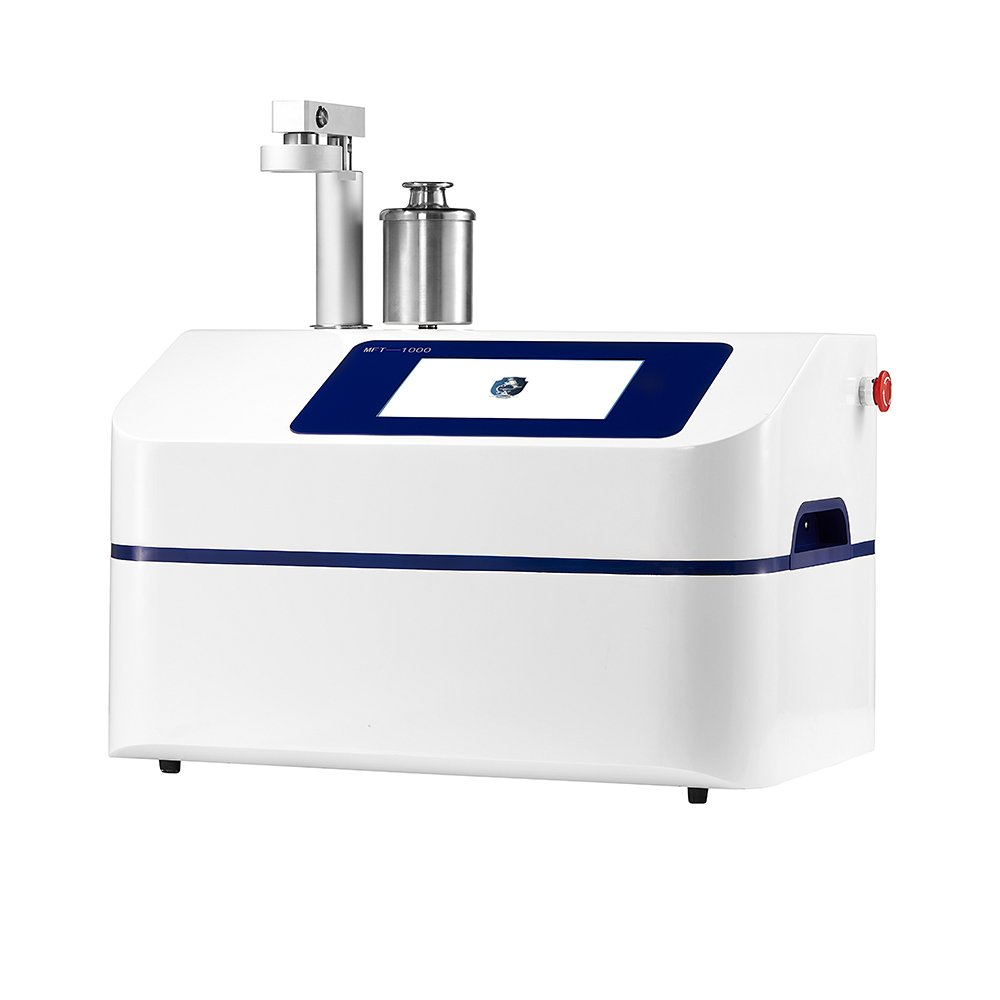
The MFT-1000 official information lists both vacuum attenuation and pressure attenuation. It also describes a split design with the test chamber above the host and the availability of different chambers for different product types.
For a buyer with several ampoule geometries, an unusual closure, or a requirement to compare pressure methods, those features change the RFQ conversation. They are reasons to request an application review, not permission to promise a particular detection limit.
Ampoule Chamber and Sample-Fit Requirements
Specify chamber inputs
A chamber is part of the measurement system, not an accessory that can be specified after the instrument is ordered. Provide the supplier with representative ampoules and enough physical detail to understand how the package will sit, seal and be removed. State whether the sample is filled, whether liquid or vapor could affect the response, and whether the same chamber must handle multiple sizes.
For a useful RFQ, attach a drawing or controlled dimensions for overall height, body diameter, neck area, seal geometry and any protective tray. Add the expected tolerance range and identify the smallest and largest format that the chamber must accommodate. If the ampoule is fragile or has a special handling sequence, describe that constraint explicitly. A supplier can then distinguish a standard chamber discussion from a custom-fit requirement.
- Send representative samples or a dimensioned drawing before asking for final configuration advice.
- Describe fill state, headspace and conditioning assumptions that could affect the pressure response.
- State whether one chamber must cover several ampoule formats or whether dedicated tooling is acceptable.
- Ask which method parameters require development and which items belong to later validation.
- Require written confirmation of open assumptions before comparing quotations.
MFT-600 or MFT-1000 for an Ampoule Project
Use the MFT-600 path
Use the MFT-600 path when the requirement is centered on semi-automatic vacuum testing, small batches and multiple package varieties, subject to application confirmation. Review the MFT-600 product details while preparing the method and sample description. The model’s role in the decision is a workflow fit, not a universal claim that every ampoule can be tested under the same program.
Use the MFT-1000 path
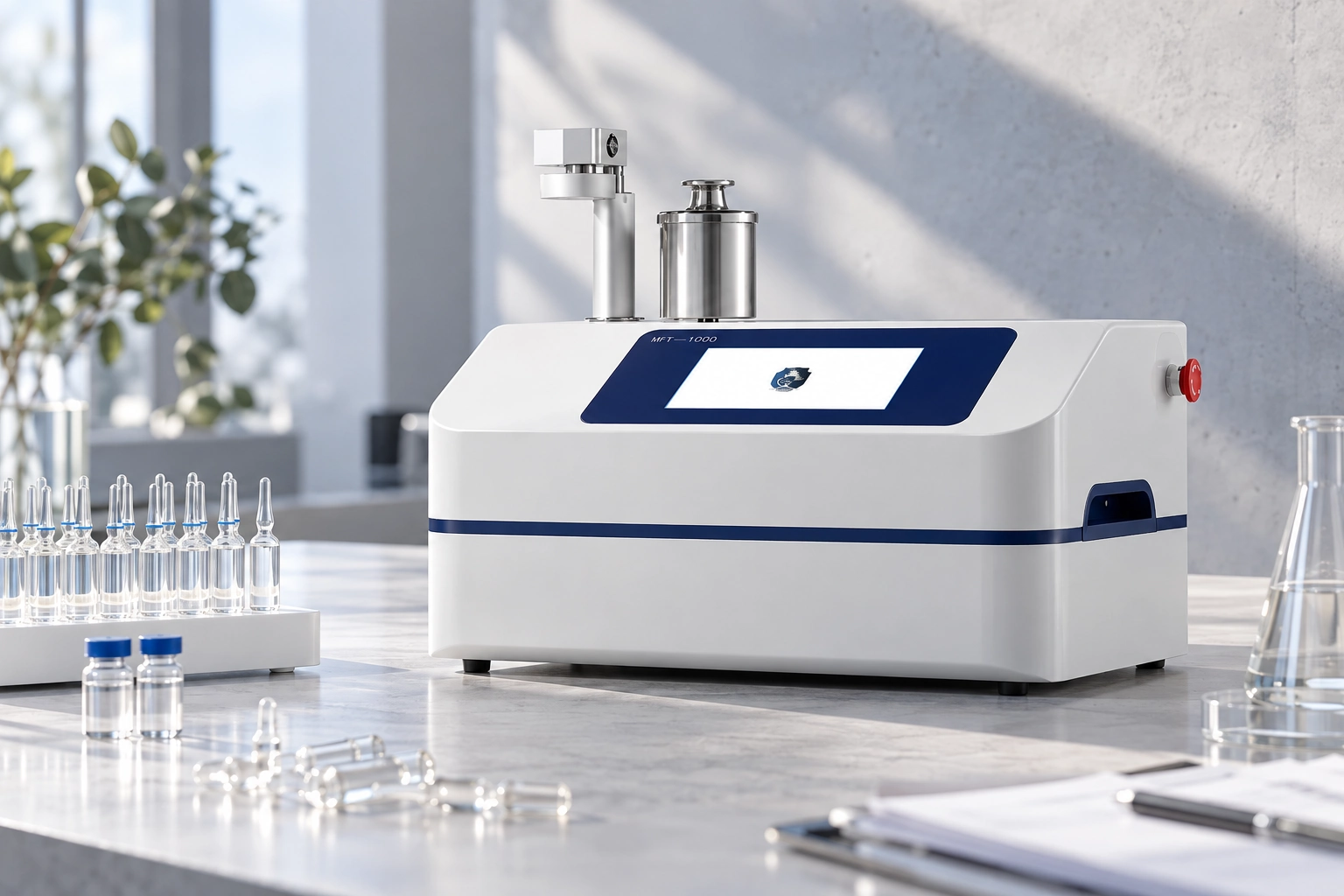
Use the MFT-1000 path when the inquiry needs vacuum and pressure attenuation choices, a package-specific chamber discussion, or a broader configuration conversation. Review the MFT-1000 configuration with the sample drawing and test objective. The official page also describes automatic leak-flow calibration, audit-trail and user-authority functions.
| Buyer question | MFT-600 discussion | MFT-1000 discussion |
|---|---|---|
| Method starting point | Vacuum attenuation | Vacuum or pressure attenuation |
| Workflow context | Semi-automatic, small-batch or multi-variety work | Broader configuration and chamber discussion |
| Chamber question | Confirm fit for the ampoule format | Discuss package-specific or custom chamber needs |
| Procurement evidence | Sample and method conditions still require confirmation | Sample, chamber and method assumptions require confirmation |
If your project sits between these descriptions, review the MFT-1000 configuration alongside the MFT-600 option. Do not decide by model name alone. Compare the same sample set, test objective and chamber assumptions, and document which questions remain open.
Ampoule Leak Tester RFQ Checklist
Build a comparable RFQ
A comparable quotation requires a comparable requirement set. Use the packaging leak tester category to orient the product family, then send one controlled RFQ to each shortlisted supplier. Keep buyer requirements separate from supplier responses so that an offered value is not mistaken for a verified project requirement.
- Application: product type, ampoule format, fill state and test purpose.
- Package data: drawings, dimensions, closure details, tolerances and representative samples.
- Method: proposed vacuum or pressure approach, conditioning assumptions and development questions.
- Chamber: standard or custom requirement, formats covered and changeover expectations.
- Workflow: sample quantity, operator steps, batch pattern and expected review process.
- Records: export, historical retrieval, user roles, audit review and any site procedures.
- Commercial scope: configuration, accessories, documentation, training and open exclusions.
Limitations and Verification Steps
Separate capability from validation
A product page cannot establish package-level feasibility for an ampoule that has not been reviewed. Do not treat an instrument’s displayed sensitivity or minimum aperture as a guaranteed result for every package, liquid, closure or chamber volume.
Ask for a written application response that identifies the samples reviewed, the proposed method, the assumptions, and which activities remain part of your qualification or validation program.
Keep compliance wording precise
Also keep regulatory language precise. A leak tester may support a controlled integrity-testing workflow, but equipment capability, instrument qualification, method validation and ongoing process control are separate responsibilities. Confirm the standards, acceptance criteria and documentation expected for your own product and market rather than assuming that a supplier statement resolves them.
Schlussfolgerung
The right pharmaceutical ampoule leak tester is the one whose method, chamber and workflow fit the actual package. Define the ampoule, sample condition, workload, data process and RFQ scope before comparing models.
MFT-600 is a relevant starting point for a semi-automatic vacuum-testing discussion around small-batch or multi-variety work. MFT-1000 is the stronger discussion path when vacuum and pressure attenuation choices or package-specific chamber work are central. Neither path should be treated as automatic approval for an unreviewed ampoule project.
Prepare the package drawing, representative samples, fill information, test objective and record requirements, then use the MedIntegrity contact route to request an application-focused discussion. A complete inquiry gives the supplier enough context to identify what can be confirmed, what needs testing, and what must remain a project-specific validation decision.
FAQ (häufig gestellte Fragen)
Can one ampoule leak tester cover several ampoule sizes?
It may be possible, but it should not be assumed from the instrument name. Provide the smallest and largest ampoule dimensions, closure details and changeover expectations. The supplier should confirm whether one chamber, interchangeable tooling or separate package-specific chambers are appropriate for the proposed method.
Is vacuum attenuation always the right ampoule leak test method?
No. Vacuum attenuation is a documented starting point for MFT-600, while MFT-1000 also lists pressure attenuation. The correct method depends on the package, contents, chamber and test objective. Request a method-fit review with representative samples instead of selecting a method from a generic sensitivity claim.
What should an ampoule leak tester supplier receive first?
Send a dimensioned package description, representative samples when possible, fill and conditioning information, expected sample volume, test purpose, preferred records and any chamber constraints. These inputs let the supplier separate standard configuration questions from custom chamber or method-development questions.
Does a leak tester purchase complete CCIT validation?
No. Instrument selection, installation or qualification, method development, package-level feasibility, acceptance criteria and validation are related but separate activities. Your quality and validation teams should define the applicable requirements and confirm what evidence is needed for the specific ampoule system.
 German
 English
 Russian
 Spanish
 Portuguese
 French
 Italian
 Arabic
 Dutch
 Japanese
 Vietnamese
 Korean
 Malay
 Thai