
How MedIntegrity V10 Reduces GMP Filter Integrity Testing TCO in Biopharma Labs
How MedIntegrity V10 Reduces GMP Filter Integrity Testing TCO in Biopharma Labs
Rising Cost Pressure in GMP Filter Integrity Testing
In biopharma manufacturing, prueba de integridad del filtro is no longer treated as a simple pass-or-fail checkpoint. It has gradually become part of a wider compliance and production control system shaped by GMP requirements such as FDA 21 CFR Part 11 and EU GMP Annex 1.
On paper, the process looks straightforward. In reality, every test is connected to a chain of operational activities—equipment calibration, documentation handling, operator scheduling, deviation review, and sometimes even production rescheduling.
This is where Total Cost of Ownership (TCO) starts to matter. For many facilities, the real cost of a filter integrity testing system is not the purchase price, but everything that happens after installation and during daily operation.
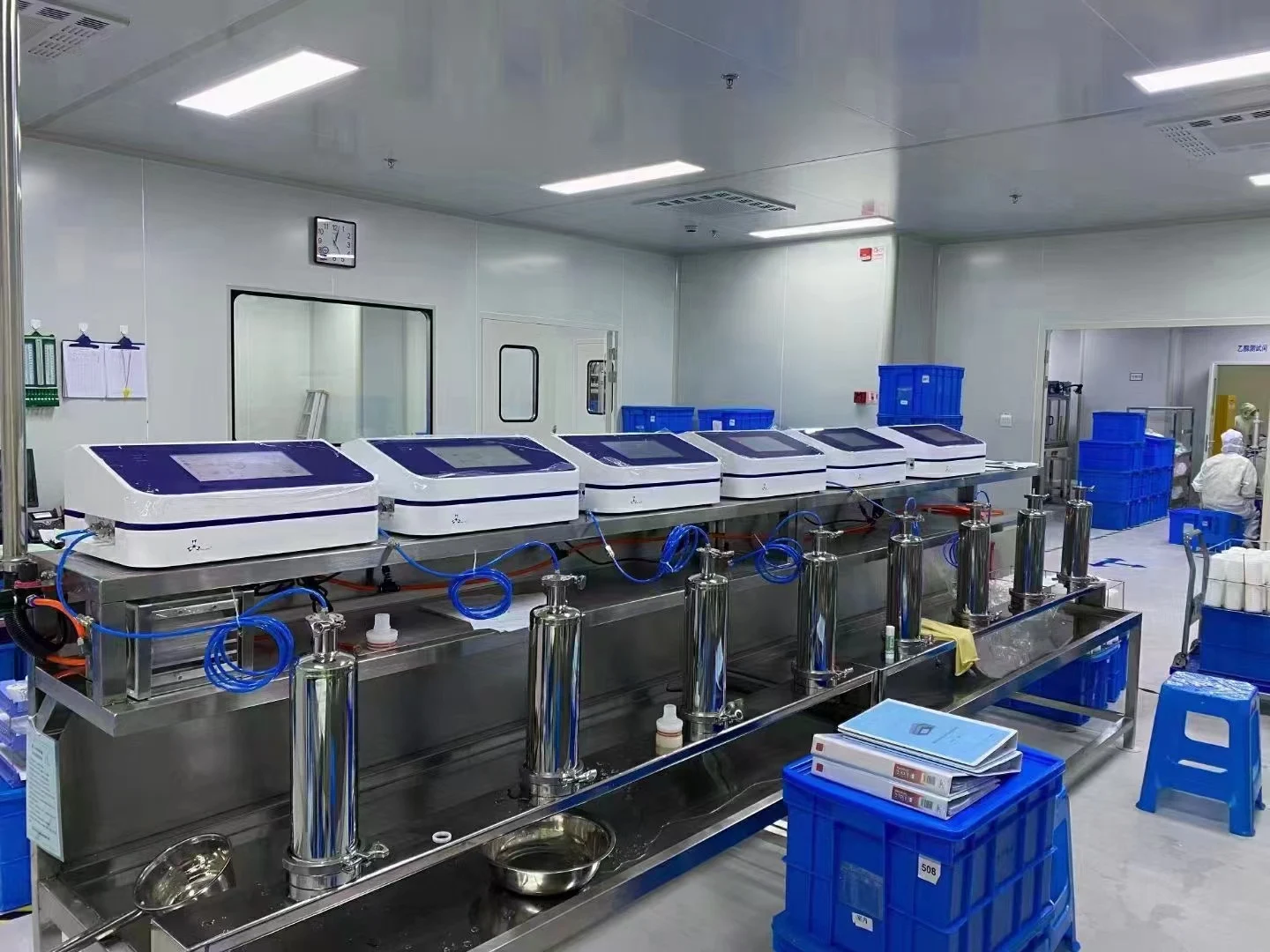
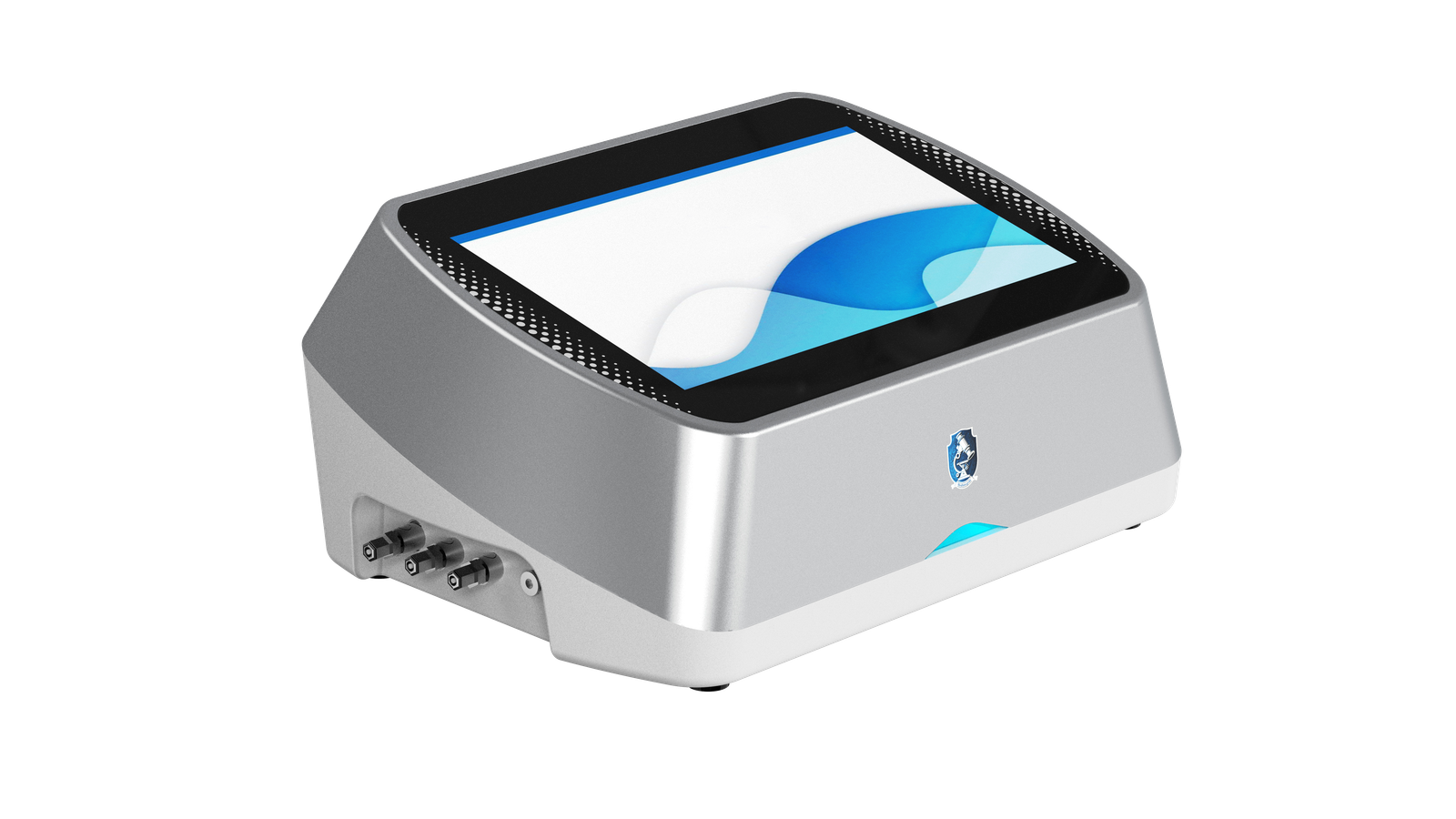
Integridad médica V10 Filter Integrity Tester is designed around this reality, where long-term operational efficiency is often more critical than initial procurement cost.
What Actually Drives GMP Testing TCO in Biopharma Labs
In most GMP environments, TCO does not come from one obvious failure. It builds slowly through repeated small inefficiencies that accumulate over time.
Typical cost contributors include:
- Routine maintenance coordination and service dependency
- Calibration scheduling and related downtime
- Operator training and periodic requalification
- Batch release delays caused by testing time
- Documentation workload for audit and validation records
- Software validation effort after system updates
Individually, these factors may seem manageable. But in high-frequency testing environments such as sterile filtration, biologics production, and single-use system validation, they can gradually become a significant operational burden.
A QA professional in a multi-site biotech operation once described it in a simple way: the real challenge is not running the test, but keeping everything aligned around the test.
How MedIntegrity V10 Reduces Daily Testing Cost Pressure
The V10 Filter Integrity Tester is built for automated GMP filter integrity testing in regulated production environments. Its main design direction is not only accuracy, but also reduction of operational variability across repeated testing cycles.
Standardized workflow reduces operator variation costs
In traditional systems, small differences in operator behavior can lead to repeated testing, deviation reports, or unnecessary QA investigations.
The V10 system reduces this variability by standardizing the testing process:
- Pre-configured testing sequences
- Controlled execution logic
- Consistent output format for every run
- Reduced manual decision points during testing
Over time, this helps reduce indirect costs caused by inconsistent operation, especially in facilities with multiple shifts or rotating staff.
Structured compliance output reduces documentation workload
In GMP environments, documentation often takes more time than the actual testing process.
V10 generates structured records during testing, including:
- Automated audit trail creation
- Time-stamped test data logging
- Batch-linked reporting format
- Ready-to-review compliance records
Instead of collecting fragmented data from multiple sources, QA teams can access structured outputs directly. This reduces last-minute workload spikes during audits and supports smoother inspection readiness.
Maintenance, Calibration, and Downtime Control
Maintenance stability reduces service interruptions
In GMP production, maintenance cost is rarely about a single repair event. It is more about frequency, planning disruption, and unplanned interventions.
The V10 system is built to keep measurement behavior stable over longer operating cycles, which helps lower the frequency of calibration-related service visits.
Rather than reacting after deviation appears, the system aims to stay within a stable operating range, which naturally leads to fewer unexpected service interruptions.
Downtime is often a scheduling problem, not just a breakdown
In real production environments, downtime is not always caused by equipment failure. It often appears in less visible forms:
- Waiting for calibration or service availability
- Repeating inconsistent or failed test runs
- QA delays due to missing or incomplete records
- Scheduling conflicts between production and testing windows
Even short interruptions—such as 15 to 30 minutes per batch—can accumulate into meaningful capacity loss over time.
By shortening test cycles and producing immediately usable results, V10 helps reduce these small but frequent delays.
Calibration and Software Lifecycle Cost Control
Calibration becomes less disruptive to production flow
Calibration in GMP environments is not only a technical requirement. It also requires coordination between production planning, QA supervision, and documentation control.
The process often involves:
- Production schedule adjustments
- QA review participation
- Documentation preparation
- External service coordination (in some cases)
V10 is designed to maintain system stability across longer usage cycles, which helps reduce calibration frequency pressure and minimizes production disruption.
Software updates with reduced validation burden
In many traditional GMP systems, even small software updates can trigger full validation or requalification workflows.
V10 uses a more controlled update structure:
- Incremental software updates
- Validation-friendly system architecture
- Reduced requalification workload after upgrades
This helps avoid situations where minor improvements turn into lengthy compliance projects, which is a common challenge in regulated environments.
Training and Multi-Site Operational Consistency
Simplified onboarding for new operators
Training costs in GMP environments are not limited to initial onboarding. They also include correction cycles caused by operational deviations.
The V10 interface follows a standardized workflow logic, which makes it easier for operators to adapt across different sites or production lines.
This can reduce onboarding time in facilities with frequent staff rotation.
Reduced deviation-driven retraining
A simplified system structure also reduces the probability of repeated operational errors. Fewer errors typically mean fewer deviation reports and less QA-driven retraining effort.
Over time, this indirectly reduces training workload across both operators and quality teams.
Cross-site consistency for global operations
For companies operating multiple manufacturing sites, consistency often matters more than complexity.
When testing behavior varies across locations, knowledge transfer becomes slower and more expensive. V10 addresses this by maintaining consistent workflow logic across deployment environments, supporting more stable global operations.

MedIntegrity V10 vs Traditional Filter Integrity Testing Systems
| Cost Area | Sistemas tradicionales | MedIntegrity V10 |
| Mantenimiento | Reactive service cycles | More stable operation cycles |
| Calibración | Frequent production disruption | Reduced scheduling impact |
| Training | High operator variability | Standardized workflow |
| Downtime | Unpredictable delays | Shorter and more consistent test cycles |
| Software updates | Heavy validation burden | Incremental upgrade structure |
The key difference is not only performance, but how operational costs accumulate over time.
ESG Value Behind Lower GMP Testing TCO
Beyond cost efficiency, modern biopharma procurement increasingly considers ESG-related operational impact.
Reduced waste from repeated testing
More stable and consistent testing processes can help reduce repeated runs, unnecessary retesting, and avoidable resource waste in GMP environments.
More efficient use of labor and system resources
Shorter testing cycles and reduced downtime coordination can improve overall utilization of both equipment and technical staff, supporting more efficient production environments.
Improved transparency in compliance systems
Structured audit trails and standardized batch records improve data transparency, which supports stronger governance and compliance traceability across manufacturing operations.
ROI Perspective in GMP Procurement Decisions
In modern biopharma procurement, decisions are rarely based on specifications alone.
Common evaluation questions include:
- How often will production be interrupted?
- What is the real validation workload after system updates?
- How predictable is QA release timing?
- How dependent is the system on external service support?
From this perspective, the value of V10 is not only faster testing, but reduced uncertainty across the entire GMP workflow.
This is where TCO becomes more relevant than CAPEX, especially in high-throughput production environments.
Conclusión
Total Cost of Ownership in GMP filter integrity testing is shaped by many small but repeated operational factors—maintenance planning, calibration workload, training cycles, downtime events, and software validation requirements.
The MedIntegrity V10 Filter Integrity Tester is designed to address these cost drivers through system stability, standardized workflow execution, and structured compliance data generation.
For biopharma facilities operating under strict GMP conditions, reducing lifecycle cost is not only a financial consideration. It also plays a direct role in production stability, audit readiness, and long-term operational efficiency.
Contacte hoy mismo con MedIntegrity. to discuss your GMP filter integrity testing requirements and explore how V10 can support long-term operational efficiency.
Preguntas frecuentes
Q1: What does Total Cost of Ownership mean in GMP testing systems?
It refers to the full lifecycle cost of testing equipment, including maintenance, calibration, training, downtime, and software validation—not just purchase price.
Q2: How does MedIntegrity V10 help reduce maintenance burden?
By maintaining stable measurement performance over time, reducing frequent service interventions and unexpected maintenance events.
Q3: Why is calibration a major cost factor in GMP labs?
Because it involves coordination between production, QA review, documentation preparation, and sometimes external service scheduling.
Q4: How does system design affect training requirements?
Standardized workflows reduce operator variability and make onboarding and cross-site training more consistent.
Q5: What is the key difference between V10 and traditional systems?
The main difference is lifecycle cost behavior—V10 reduces accumulated operational inefficiencies across long-term use.

 Spanish
  English
  Russian
  Portuguese
  German
  French
  Italian
  Arabic
  Dutch
Dutch  Japanese
  Vietnamese
  Korean
  Malay
Malay  Thai
Thai