

Filter Integrity Test Failure Troubleshooting in 2026: Bubble Point, Diffusion Flow and Test-System Checks
Filter Integrity Test Failure Troubleshooting in 2026: Bubble Point, Diffusion Flow and Test-System Checks
A failed filter integrity test calls for a controlled investigation, not a quick assumption about membrane damage. Preserve the result, classify what happened, and then review the method, pneumatic path, wetting, housing, installation, and filter. In sterilizing-grade filter integrity testing, a loose fitting, incorrect program, or incomplete wetting can resemble a filter problem.
Production, engineering, quality, and procurement teams need a defensible next action without losing the original evidence. MedIntegrity’s filter integrity tester range supports pharmaceutical filter testing with methods and record functions that buyers can match to an approved workflow.

Interpret the Failure Result Before Starting the Investigation
The first question is whether the result can be interpreted. A completed out-of-limit test, an interrupted sequence, and an invalid setup are different events. Classifying them early prevents unnecessary filter handling and gives quality reviewers a cleaner record. It also guides the method and test-system checks that follow, because the first observed pattern often points to the most useful next step.
Distinguish a Confirmed Failure from an Invalid or Interrupted Test
A completed out-of-limit result differs from a test stopped by pressure loss, an open connection, or operator interruption. Capture the value, error, program, pressure behavior, operator, and time before changing the setup. If the run did not reach its endpoint, record why it was classified as interrupted or invalid.
Evaluate Bubble Point and Diffusion Flow as Separate Failure Modes
A low bubble point may relate to method settings, wetting, external leakage, installation, or membrane condition. High diffusion flow can direct checks toward similar areas, but a stable high reading, drifting response, and unusually low flow mean different things. Review the value and available curve before choosing the next check or retest.
Verify the Test Method and Pneumatic System
After classification, the fastest useful checks are usually outside the filter. A wrong program, unstable gas supply, restricted line, or loose connection can affect the result without establishing filter damage. This stage protects the assembly from premature disassembly and links the observed failure mode to later wetting and installation checks. It is also easy to document before anything is physically changed.
Confirm the Approved Method, Program, and Acceptance Criteria
Match the method to the approved procedure, filter ID, and configuration. Confirm pressure, stabilization conditions, endpoint, and acceptance criterion. Never alter a limit to obtain a pass. For stored programs, verify the name and applicable revision rather than relying on screen position. Record which program produced the first result.
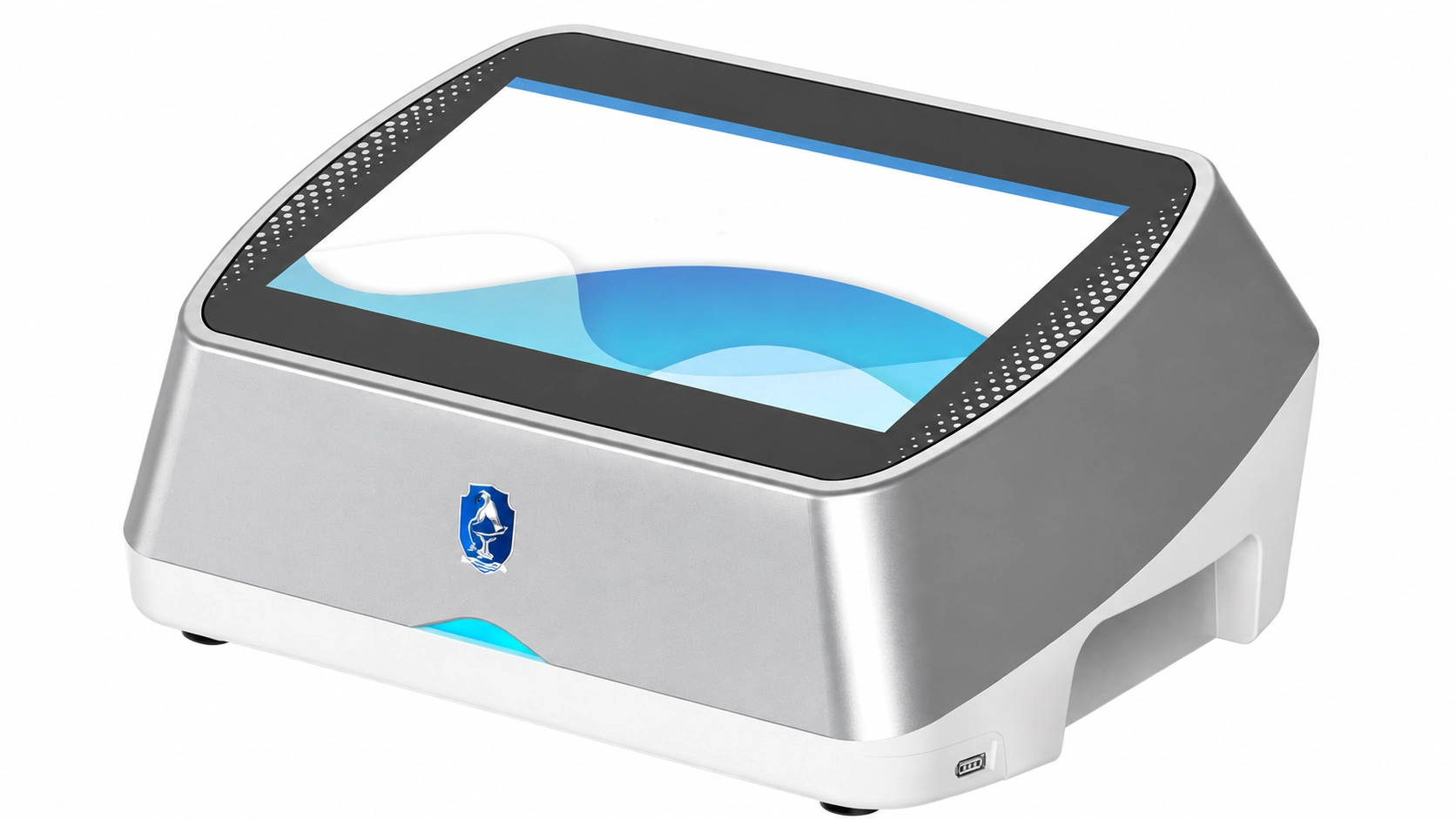
Il V6.5 filter integrity tester supports Basic Bubble Point, Extensive Bubble Point, Diffusion Flow, Pressure Holding, Water Intrusion, and Ultrafiltration tests. Buyers should select required methods according to their own approved filter-testing process.
Check Gas Supply, Tubing, Valves, Fittings, and Pressure Stability
Inspect gas supply, tubing, valves, fittings, vent position, and tester-to-housing connections. Look for restrictions, poor connections, unstable pressure, or external test-path leakage. A connection problem can change pressure behavior, so inspect it before drawing a filter conclusion. Record each check and adjustment.
Assess Method-Specific Result Patterns
For a bubble point test failure, note a low value, unclear transition, or stopped sequence. For diffusion flow, distinguish a stable high reading from a drifting or unusually low response. Pressure stability and curves add context. The pattern does not name the cause, but it narrows the next controlled action.
Evaluate Wetting, Housing Integrity, and Installation
If the program and pneumatic system are consistent, inspect the filter assembly. Wetting, trapped air, seal placement, housing connections, and installation can influence test behavior. Change one documented condition at a time. Rewetting, tightening fittings, and reinstalling the filter together may change the result but obscure the cause. Preserve filter identification, orientation, and housing condition throughout this physical inspection stage.
Assess Wetting Conditions and Trapped Air
Confirm the approved wetting fluid and procedure. Incomplete wetting can affect bubble point and diffusion flow; trapped air may disturb stabilization. Record the fluid and required temperature condition. Rewet only when the investigation and procedure support it. An undocumented repeat merely creates another number.
Inspect Seals, Housing Connections, and Filter Condition
Check O-rings, seals, clamps, housing surfaces, and connections for poor placement, damage, or leakage. Confirm that the installed filter matches the program and approved setup. A housing leak and membrane failure are different conclusions. Keep any component or damage finding with the initial record.
Use a Failure-Observation Matrix to Direct Next Checks
A concise matrix helps different shifts follow the same investigation logic. It does not replace an approved procedure; entries identify possible checks, not diagnoses. The table links observed behavior to test-system and assembly checks plus a minimum record. This supports consistent filter integrity test troubleshooting while keeping instrument, setup, and filter possibilities separate. Sites can adapt its terms to their own approved methods.
Link Each Observation to a Controlled Action
Use the first result to select the next check, then document the action before retesting.
| Observed result | Test-system check | Setup or filter check | Record before action |
| Run interrupted or pressure unstable | Gas supply, valves, tubing | Vent position and assembly | Error, pressure behavior, program |
| Bubble point below limit | Method, pressure settings, test path | Wetting, seals, filter ID, visible condition | Value, limit, wetting details |
| High diffusion flow | Program, stabilization, external leakage | Wetting, housing seals, membrane condition | Flow result, curve, pressure, temperature |
| Reading drifts | Pressure stability and tester status | Trapped air, connections, temperature | Trend or curve and time of change |
| Unexpectedly low flow | Restricted or closed test path | Valve position and assembly configuration | Program, pressure, flow response |
Establish Traceable Records Before Retesting
Before repeating the test, build a complete investigation record. Data integrity and digital traceability depend on linking the first result to later actions, not just storing the final value. Clear electronic records also shorten formal audit-trail review and help production, engineering, and quality compare runs. This complete record is the essential bridge between troubleshooting work and an authorized retest decision.
Capture the Initial Result and Investigation Record
Retain the filter ID, method, program, acceptance criterion, result, curve, error, operator, date and time, wetting details, relevant temperature, checks, corrective action, and retest rationale. Record who authorized the repeat. The package shows what changed between runs.
Use V10 Records and Curves to Support Review
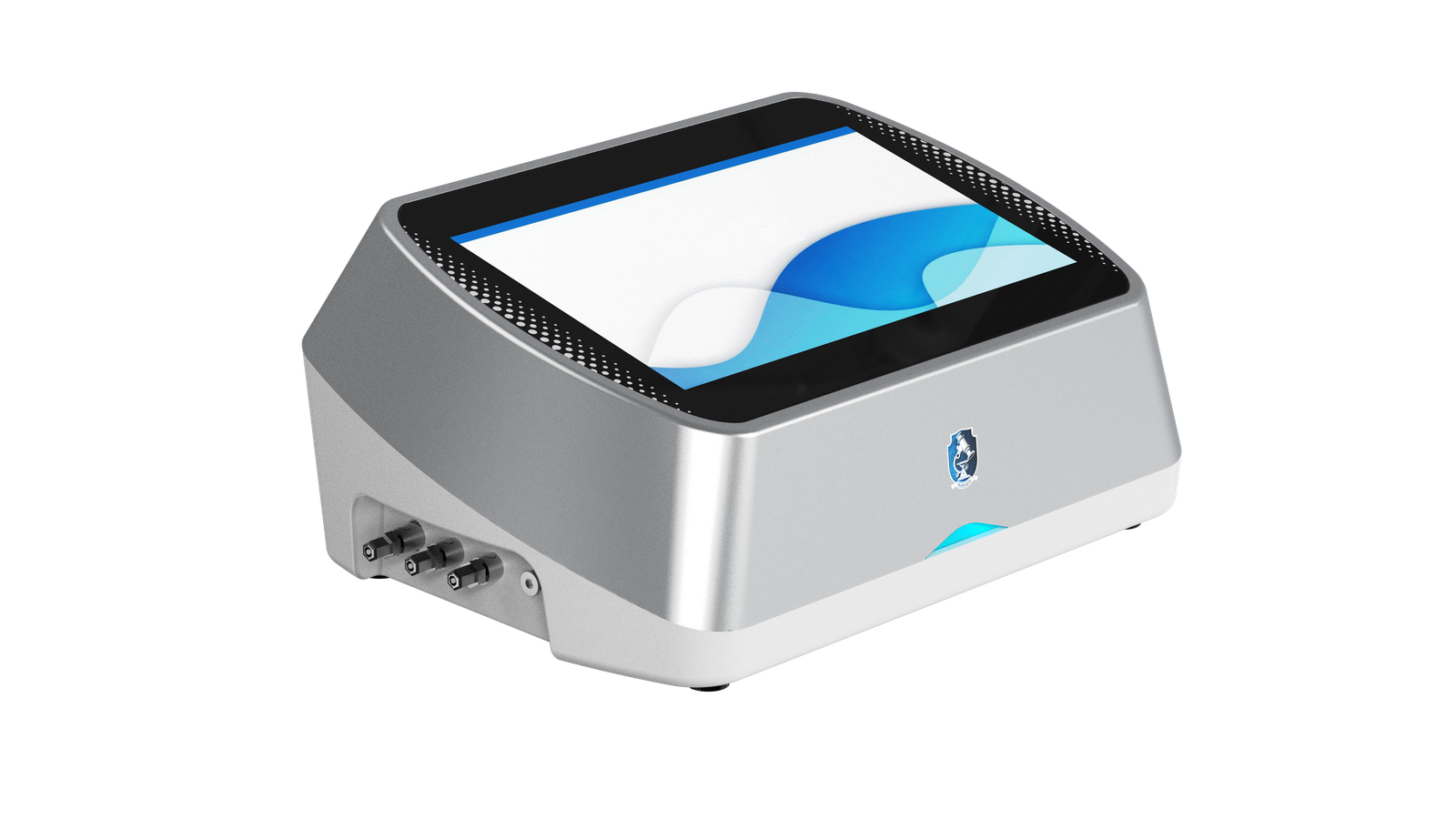
Il V10 filter integrity tester provides instrument self-test, pre-stored programs, diffusion flow-pressure curves, user management, electronic signatures, USB export, and query/export functions for test records and audit trails.
These functions help authorized users retrieve and compare evidence. Root-cause evaluation and the retest decision remain part of the site’s controlled investigation rather than an automatic instrument conclusion.
Define Failure-Investigation Requirements in the RFQ
Troubleshooting capability begins during equipment selection. An RFQ that asks only for bubble point and diffusion flow leaves workflow questions unanswered. Procurement should specify required methods, program handling, curve visibility, user access, record retention, and export. This directly connects daily failure review with the commercial equipment decision, and it gives shortlisted suppliers a clear basis for confirming the offered configuration.
Match Required Test Methods to the Approved Workflow
State filter configurations and required methods, including bubble point, diffusion flow, pressure holding, water intrusion, or ultrafiltration where applicable. A focused URS or RFQ helps Integrità Medica match the tester to the pharmaceutical filtration workflow without implying that one model fits every filter.
Specify Program, User, Record, and Export Requirements
Define program needs, user classifications, electronic signatures, audit-trail review, curve access, printing, and export expectations. Ask for written confirmation of essential configuration items. Include the filter type and method so the quotation is evaluated on fit, not a generic feature count.
Conclusione
Reliable filter integrity test failure troubleshooting follows evidence. Classify the first run, preserve its record, confirm the approved method and acceptance criterion, inspect the pneumatic path, and then check wetting, seals, housing, installation, and filter condition. Bubble point and diffusion flow failures require different observations, while every retest needs a documented reason.
A suitable filter integrity tester can organize programs, curves, users, signatures, and retrievable records, which gives teams a stronger investigation trail. For a configuration discussion, send your filter testing requirements to MedIntegrity, including the methods, filter type, record controls, and review workflow required by your site.
Domande frequenti
Q1: Why does a bubble point test fail?
A: A low or unclear bubble point may be associated with incorrect method parameters, incomplete wetting, trapped air, external test-path leakage, installation, or filter condition. Preserve the initial result and verify the program and pneumatic system before changing the assembly.
Q2: What causes high diffusion flow during filter integrity testing?
A: Possible areas include the selected program, stabilization, wetting, external leakage, housing seals, and membrane condition. Check whether the reading was stable, confirm pressure and acceptance criteria, and retain the diffusion flow-pressure curve when available.
Q3: What should be checked before retesting a failed filter integrity test?
A: Confirm the result classification, method, program, acceptance criterion, gas supply, tubing, valves, fittings, wetting condition, seals, housing, installation, and filter ID. Retest only after the reason and any corrective action have been recorded.
Q4: Can incomplete wetting cause a filter integrity test failure?
A: Incomplete wetting can affect bubble point and diffusion flow behavior. Confirm the approved fluid, wetting procedure, and relevant temperature condition. Rewetting should follow the investigation and site procedure rather than becoming an automatic response.
Q5: Which records should be retained after a failed filter integrity test?
A: Keep the filter ID, method, program, limit, result, curve, error, operator, date and time, wetting details, relevant conditions, system checks, corrective action, authorization, and retest rationale. These records provide the traceability needed to compare the original run with any repeat.
 Italian
 English
 Russian
 Spanish
 Portuguese
 German
 French
 Arabic
 Dutch
 Japanese
 Vietnamese
 Korean
 Malay
 Thai