

Analyzing the Role of Filter Integrity Tester in Ensuring Reliability
Analyzing the Role of Filter Integrity Tester in Ensuring Reliability
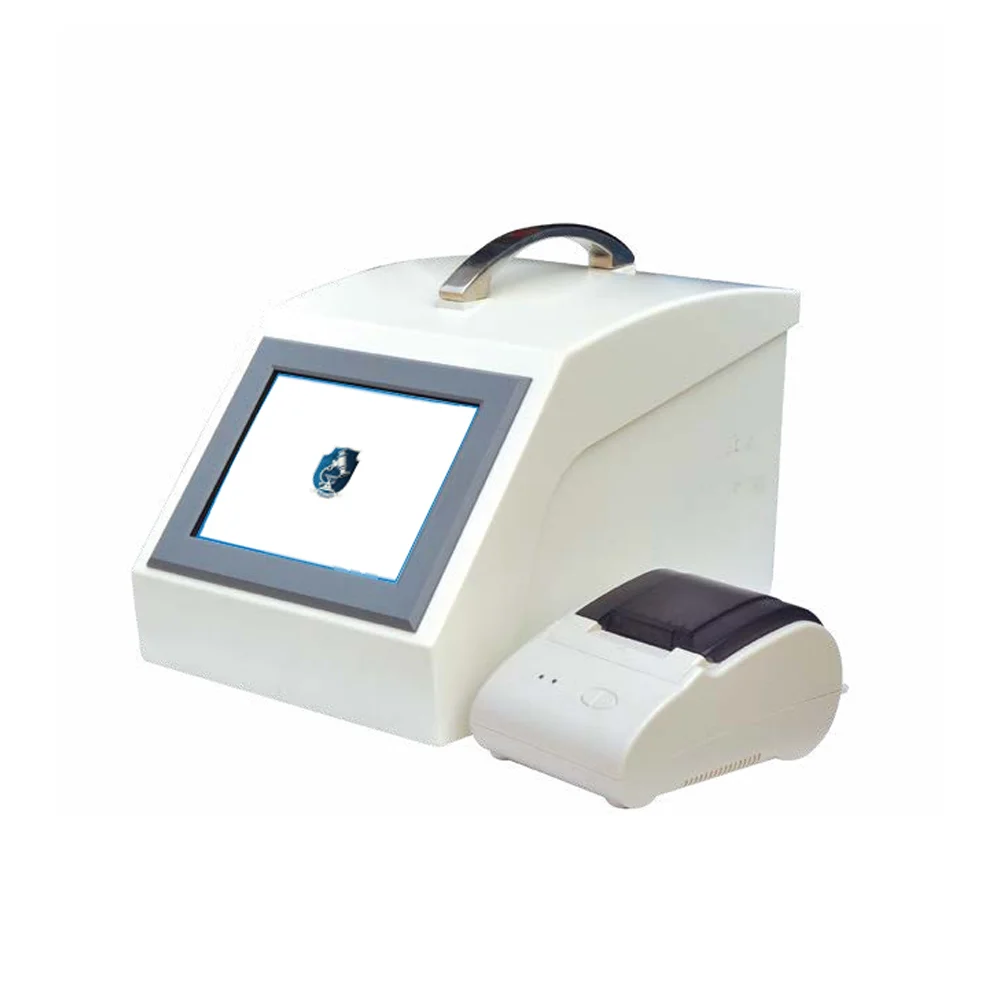
Filter integrity testing makes sure that sterilizing-grade filters in key processes stay whole before and after use. This check is crucial to stop microbial contamination and keep product purity. In pharmaceutical and bioprocessing fields, small filter issues can cause batch waste or risks to patient health.
Regulatory groups like the FDA and EMA demand proven integrity testing steps as part of Good Manufacturing Practice (GMP) to uphold sterility assurance. Following these rules not only guards product quality but also shows commitment to industry guidelines.
Verify that the user manual, technical specifications, installation drawings, and calibration certificates for the filter integrity tester are all in place. The user manual gives clear steps for operation, safety tips, and ways to fix problems. Technical specifications outline the device’s main features, like the range for filter pore sizes, test pressures, and needed accuracy. Installation drawings guide proper setup in the work area. Calibration certificates confirm the device’s measurement reliability, and this setup means every test yields solid data for sterility assurance.
How Does a Diffusive Flow Test Work for Hydrophilic Membrane Filters?
The diffusive flow test stands as one of the most precise non-destructive ways to check the integrity of hydrophilic membrane filters. It gauges how fast gas passes through a wet membrane under a set pressure below the bubble point. This flow links straight to pore size evenness; any shift points to possible flaws or leaks.
What Are the Advantages of Using a Diffusive Flow Test Compared to Other Methods?
The diffusive flow test brings several benefits over other integrity testing approaches, such as bubble point or pressure decay tests, which deliver clear, numbered results without harming the filter, so you can use it again after testing. Plus, it picks up tiny defects well and stays steady despite changes in humidity or temperature.
Employ standard filters with set integrity traits to assess the filter integrity tester’s performance, and these standard filters feature defined pore sizes and integrity details. Run tests like the bubble-point test and diffusive flow test with these standard filters. Then, match the tester’s results to the known values for those filters. The measured bubble-point pressure and diffusive flow rate ought to fall within an allowed range of the reference figures, and this method ensures steady accuracy no matter who runs the tests or when.
Bubble point tests find when air starts going through a wet membrane, which shows the largest pore size. On the other hand, the diffusive flow method looks at steady gas spread through all pores under that point. Pressure decay methods track pressure drop over time, but they might miss details for small-pore membranes, unlike diffusive flow checks.
What are the key features that define an Advanced Filter Integrity Tester?
As filtration systems move toward automation and digital tracking, today’s filter integrity testers need to blend in strong tech features that boost both dependability and rule-following.
How Do Automation and Data Integration Improve Accuracy?
Automation cuts down on human mistakes by handling settings like pressure use, timing, and measurement gaps with great care. Test the core functions of the filter integrity tester, which covers applying various test pressures correctly. Automated setups also speed up tasks by running several tests in a row without human help. Linking to digital data systems allows easy tracking, which is a must in controlled fields where records need to last under FDA 21 CFR Part 11 rules. Real-time data collection also aids quick choices by giving instant info on system work.
How Does Compliance Ensure Trustworthy Operation?
Following global standards ensures each reading fits worldwide needs for sterile manufacturing spaces. Sticking to FDA 21 CFR Part 11 secures electronic records; EU Annex 1 covers sterile production rules; GAMP 5 checks computerized systems’ full life cycle; all these aid GMP fit. Test the filter integrity tester’s repeatability by running several tests on one filter under matching conditions. Such checks prove steady work through all production steps, building trust in equipment and results.
Who Is MedIntegrity—And Why Do We Recommend Our Solutions?
We at MedIntegrity focus on providing exact lab tools made for tough settings like pharmaceutical manufacturing, biotech studies, and sterile handling spots. Our drive comes from fresh engineering paired with firm quality checks.
Our lineup covers strong options for sterility checks, environmental monitoring, and process proofing, all to help clients reach top work while hitting strict rule needs. We hold that each lab tool we offer must give clear reliability, supported by our skilled team. By putting steady funds into tech growth, we make sure customers gain from new tools that raise output and keep rules fit in all uses. Feel free to contact us!
What Makes Our RTP Testing System an Effective Sterility Assurance Tool?
One of our key items is our MedIntegrity RTP Testing System, built just for checking Rapid Transfer Port (RTP) link soundness in clean spaces where stopping contamination matters most.
Why Is It Essential in Pharmaceutical Production Environments?
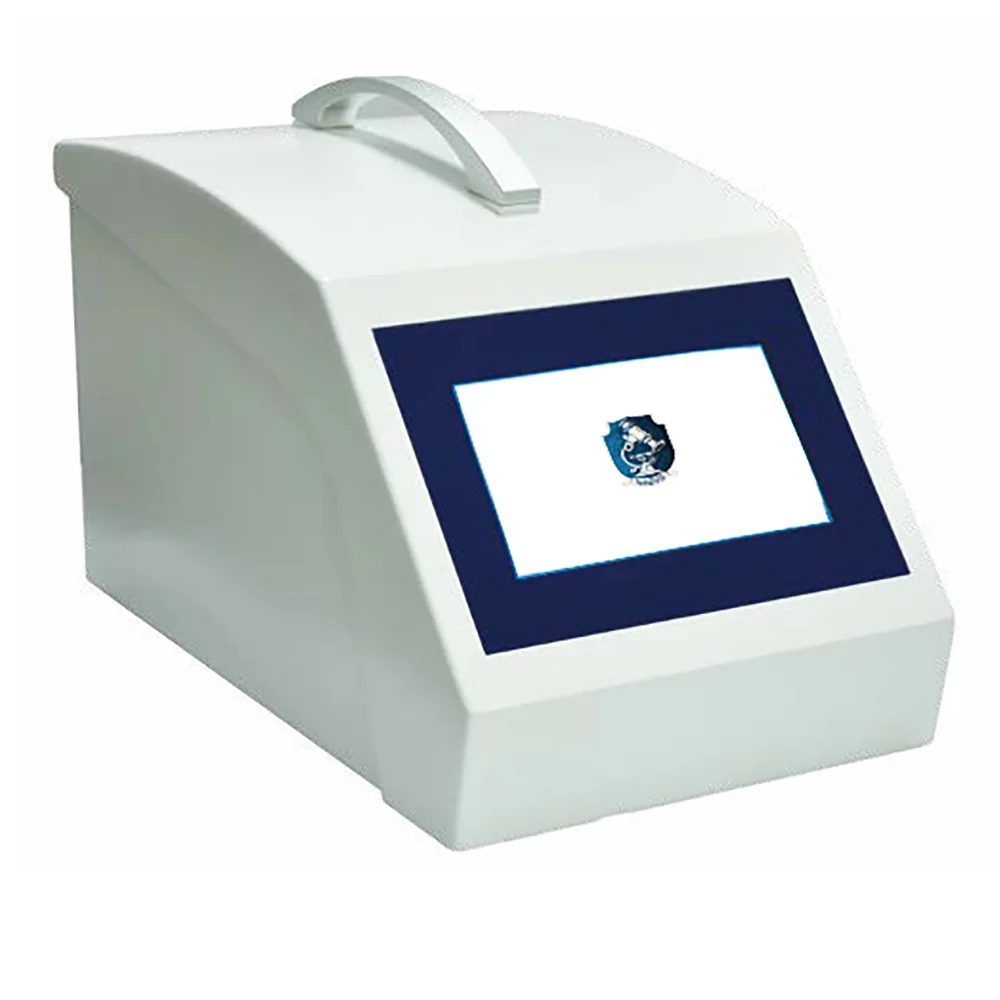
The MedIntegrity RTP Testing System is an efficient tool for testing the integrity of transfer interfaces in sterile environments, designed to ensure the safe transfer of materials between cleanrooms in the pharmaceutical, biologics, and other life sciences industries. The system handles various port shapes, like round and oval ones, and fits right into current transfer plans without halting work.
Its check types cover pressure hold, pressure decay, and flow testing ways that adjust to different needs while keeping strong leak spotting across port setups. Fully complies with industry standards such as FDA 21 CFR Part 11, EU Annex 1, and GAMP 5, ensuring product adherence to stringent regulatory requirements and assisting users in meeting GMP (Good Manufacturing Practice) and other aseptic manufacturing standards. With an easy-to-use screen for fast setup and running, this system lets you check in real time during work shifts, cutting wait times while guarding sterility levels set by world regulators. Our built-in proof services also ensure steady work through routine calibration reviews, so each unit keeps hitting certified accuracy marks over its full use span.
Summary of Key Points
Filter integrity testers form basic tools for solid sterility in bioprocessing steps by finding even small flaws before they risk product safety. The diffusive flow method shines as a precise, non-destructive check method for hydrophilic membranes thanks to its repeatability and number-based care.
We keep aiding labs around the world with rule-fit tech like our RTP Testing System, giving experts the means to trust their clean work while handling changing rule hopes well. For details on our items or custom fits for your site’s needs, check our site or reach us via our service page; we are set to help pros looking for reliable lab tools.
FAQ
Q1: What is the primary purpose of a filter integrity tester?
A1: The primary purpose is to verify the sterility of filters used in critical manufacturing processes by ensuring they are free from defects.
Q2: How does a diffusive flow test differ from a bubble point test?
A2: A diffusive flow test measures gas diffusion through a wetted membrane at controlled pressure levels below its bubble point threshold, whereas a bubble point test determines when air first penetrates through wet pores, indicating maximum pore size limits.
Q3: Why choose MedIntegrity for laboratory equipment?
A3: We offer advanced solutions built around automation, compliance, and precision engineering, ensuring reliability across regulated environments while providing expert support tailored to each client’s operational goals; visit our website’s contact section to learn more about how we can support your laboratory needs.
 English
  Russian
  Spanish
  Portuguese
  German
  French
  Italian
  Arabic
  Dutch
Dutch  Japanese
  Vietnamese
  Korean
  Malay
Malay  Thai
Thai