

How Packaging Leak Tester Enhances Quality Control in Vial Production?
How Packaging Leak Tester Enhances Quality Control in Vial Production?
Introduction
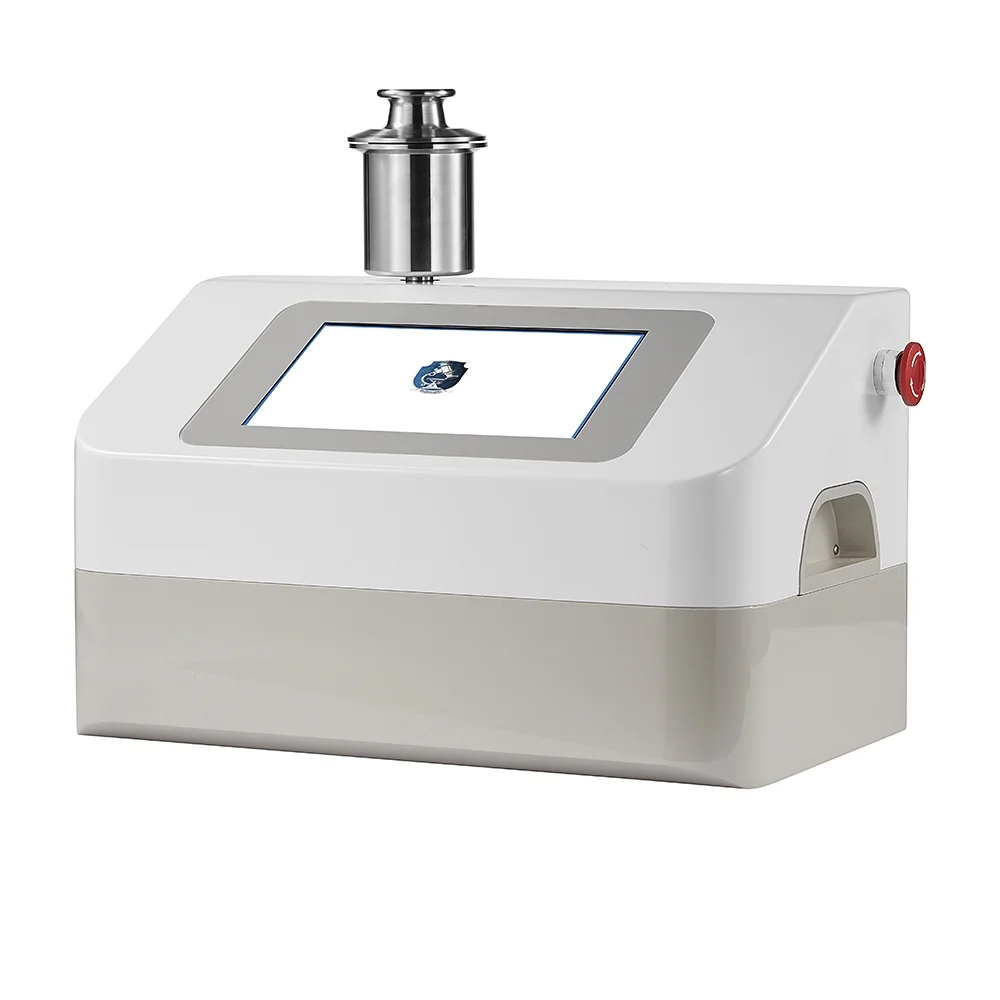
Keeping pharmaceutical vials sterile and intact stands out as a key part of making drugs. At MedIntegrity, we focus on pushing forward lab quality checks, and we supply strong testing tools that protect product dependability and user well-being. Our goal centers on offering carefully built fixes for spotting leaks, checking filter strength, and handling dirt buildup. Grounded in fresh ideas, teamwork with clients, and sticking to rules, we assist producers in upholding top levels in their assembly processes. Our lineup, from automatic check setups to targeted packaging leak testers, backs many uses in the drug and biotech fields. We hold that each vial needs firm sterility rules before getting to patients. Advanced leak check tools make this happen.
Role of Leak Testing in Ensuring Product Integrity
During vial making, leak testing acts as a main stop to maintain sterility throughout the packing steps. Tiny leaks, even small ones, can weaken the clean shield, which lets unwanted stuff or dampness get in and harm the item’s lasting quality. Those breaks not only cut down on how well it works but also bring safety dangers to those who use it. So, leak testing goes beyond a simple quality check, which forms a vital piece of lowering risks in cleaner setups.
Inspect the physical installation of the filter integrity tester. Ensure that all components, such as the test head, pressure sensors, tubing connections, and valves, are properly installed and tightened. The tubing should be free of leaks and kinks. The test head should be correctly aligned with the filters to be tested. Check that any seals or gaskets are in good condition and properly seated to prevent air or liquid leaks during the testing process. This statement underscores how meticulous inspection prevents false results during leak assessments-a principle equally applicable when validating vial closures.
Leaks that go unnoticed can bring about germ entry or rust reactions inside injectable medicines, which leads to pullbacks or rule violations. Solid packaging leak testers make sure every vial holds its tight seal from filling up to sending out.
Methods Employed in Leak Testing for Vials
Ways to find leaks have changed a lot as years have passed. The top methods in use include vacuum decay and pressure decay checks. The vacuum decay way gauges pressure shifts inside a closed space under vacuum pull; any climb shows gas slipping out from a bad vial. In contrast, pressure decay testing means filling the holder with air pressure and watching for drops in pressure as time goes on.
Every method brings its own gains: vacuum decay gives sharp pickup for low-amount holders, whereas pressure decay shines at finding big leaks fast with little setup hassle. Still, both ways call for exact tuning and steady surroundings to guarantee results that repeat well.
How Are Advanced Technologies Transforming Packaging Leak Testers?
With making needs getting tougher, today’s packaging leak testers blend in sharp new tech that lifts both accuracy and speed along making lines.
Innovations in Leak Detection Equipment
New steps forward have zeroed in on boosting pickup sharpness via tuned sensor setups and digital signal handling math. Such steps let workers pick out even tiny defects under a micron that old mechanical checks could skip. On top of that, auto processes have totally changed leak check methods; programmable logic controllers (PLCs) these days permit smooth fitting into filling lines, all while cutting back on people stepping in.
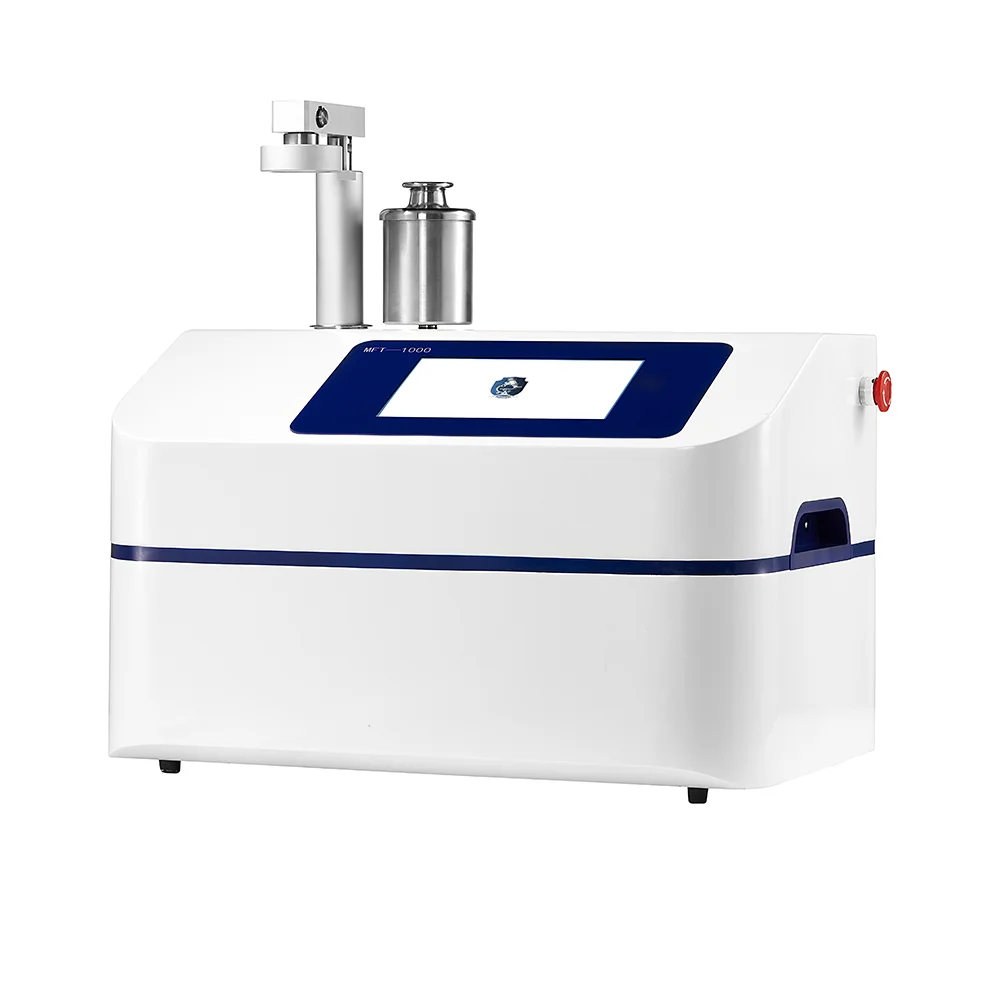
Digital watch systems add more to tracking by logging check details on their own for review needs, which matches the rule hopes for data wholeness under the FDA 21 CFR Part 11 rule setups. Our own packaging leak tester exemplifies this technological evolution by combining automation with real-time analytics to provide consistent performance across diverse vial formats.
The Role of RTP (Rapid Transfer Port) Systems
Holding clean states while making often needs managed moves between cut-off areas, here RTP (Rapid Transfer Port) systems turn vital. These setups allow safe swaps of items without hurting clean shields between cleanroom parts.
The air tightness of each glove meets the requirements of the genuine product (exceeding the pressure retention time of the genuine product + the defective product, and the current pressure is greater than the set value of the genuine product pressure) or the good product (exceeding the pressure retention time of the genuine product + the defective product, and the current pressure is not less than the set value of the pressure of the defective product). This principle mirrors how RTP interfaces maintain airtight seals to prevent contamination during material transfer operations. RTP systems’ adaptability across various port sizes enhances their usability in both small-scale R&D facilities and large-volume pharmaceutical plants alike.
How Do Packaging Leak Testers Enhance Quality Control?
Finding leaks goes further than just confirming holder close strength — it shapes making speed, rule following, and savings over the long run.
Impact on Manufacturing Efficiency and Compliance
Spot-on leak finding trims down throwaways by marking bad vials before they head further into label or pack steps. This ahead-of-time way shortens fix-up rounds while saving key drug mixes. Besides, auto checkers back rule keeping with world standards like FDA 21 CFR Part 11 by making sure digital logs stay safe from changes and followable all through check rounds. When fitting these tools into current quality run systems, manufacturers can show steady adherence to Good Manufacturing Practices (GMP).
Case Study: Successful Implementation in Pharmaceutical Settings
In one pharmaceutical facility case study featured on our case center, implementing automated packaging leak testers led to measurable improvements in defect detection rates while reducing manual inspection times by over 40%.
Why Choose MedIntegrity as Your Partner for Quality Control Solutions?
As part of our commitment to continuous improvement within life sciences manufacturing environments, we offer an extensive range of laboratory instruments designed for precision testing applications.
Overview of MedIntegrity’s Offerings
Our catalog includes filtration integrity testers, particle counters, environmental monitoring devices, and comprehensive packaging inspection systems tailored for sterile pharmaceutical processes. Each instrument undergoes rigorous validation before deployment to ensure reliability under demanding operational conditions.
We take pride in offering dedicated technical support services accessible through our service platform, ensuring customers receive prompt assistance from trained specialists whenever needed. Our commitment extends beyond equipment delivery; we collaborate closely with clients throughout installation qualification (IQ), operational qualification (OQ), and performance qualification (PQ) phases.
What Are the Key Benefits of Leak Testing in Vial Production?
Leak testing remains indispensable for maintaining pharmaceutical integrity at every stage — from filling lines to final shipment verification. It safeguards against contamination risks while ensuring each batch complies with international sterility requirements.
Looking forward, continuous advancements in sensor miniaturization and AI-driven analytics will further refine defect classification accuracy within automated inspection systems like our packaging leak tester. These innovations promise faster cycle times without compromising sensitivity thresholds — setting new benchmarks for reliability across global pharmaceutical supply chains.
For organizations seeking robust solutions tailored to their specific production needs or compliance challenges, we invite you to explore our expertise through our website’s contact section at Contact Us.
FAQ
Q1: What is the primary function of a packaging leak tester?
A1: The primary function is to detect leaks that could compromise the sterility and integrity of vials, ensuring product safety through precise measurement techniques that identify micro-defects invisible during visual inspection stages.
Q2: How does RTP technology contribute to sterile production environments?
A2: RTP technology allows secure material transfer between different cleanroom areas while maintaining aseptic conditions throughout handling operations — preventing cross-contamination between isolated zones during vial processing workflows.
Q3: Why is compliance with FDA regulations important for packaging leak testers?
A3: Compliance ensures that equipment meets established industry benchmarks regarding accuracy, traceability, and electronic record management under FDA 21 CFR Part 11 frameworks — essential for demonstrating GMP adherence during audits or inspections.
 English
  Russian
  Spanish
  Portuguese
  German
  French
  Italian
  Arabic
  Dutch
Dutch  Japanese
  Vietnamese
  Korean
  Malay
Malay  Thai
Thai