
Choosing the Right TOC Analyzer for GMP Pharma Labs in 2026
Choosing the Right TOC Analyzer for GMP Pharma Labs in 2026
Introduction
In 2026, the pharmaceutical sector’s dependence on pure water systems grows stronger. Total Organic Carbon (TOC) testing, once a simple quality step, now serves as a key quality attribute (CQA). It plays a vital role in ensuring product safety and meeting regulatory rules. A TOC analyzer, known as a Total Organic Carbon analyzer is a lab device built to gauge the total organic carbon level in water. This value shows the overall organic material in water, measured by carbon amount. Such a measure sits at the heart of Good Manufacturing Practice (GMP) tasks. Global regulators push for ongoing checks and solid data handling. This shift makes it even more important.
The rules in 2026 bring stricter reviews under USP <643>, EP 2.2.44, and fresh digital audit systems. Labs do not just confirm outcomes anymore. They also verify the reliability of each data element behind those outcomes. MedIntegrity‘s goal fits right here. It connects accurate sensing with firm data management. The pharmaceutical water TOC analyzer lineup from MedIntegrity reflects this idea. These tools provide instant details while keeping data traceable and rule-compliant.
Online vs. Offline TOC Analyzers
Pharma makers must pick between online and offline TOC analyzers based on their setup demands.
Online Monitoring
For Water for Injection (WFI) and Purified Water setups, online TOC checks aid Real-Time Release (RTR). Steady readings let staff spot organic dirt right away. This prevents effects on later steps or product runs. Such a method matches current Process Analytical Technology (PAT) ideas well. These ideas focus on constant checks over past reviews.
Offline Laboratory Analysis
Offline units stay essential for cleaning validation TOC analysis and group sample tests. In cases like checking rinse samples from gear surfaces or confirming CIP cycle success, an offline device gives options. Yet it holds firm on precision.
The MedIntegrity Advantage
The TA Series from MedIntegrity blends both setups in a single system. Workers can switch easily from line checks to QC lab reviews. No need for fresh calibration or method shifts. This saves plenty of time in GMP sites that handle both WFI lines and cleaning checks.

Critical Performance Metrics
As bio-processing methods improve, reaching very low detection levels turns crucial. The old 50 ppb limit often falls short for new biologics. Even small organic traces can change product strength or output.
Comparing Oxidation Methods
Two chief ways lead in pharma TOC checks: UV-persulfate oxidation and high-temperature combustion.
The common test approach is the combustion oxidation – non – dispersive infrared absorption method. At high heat of 900 – 950°C, with platinum and cobalt trioxide or chromium sesquioxide as helpers, the organics in the water sample burn and break down. They turn into carbon dioxide. On the other hand, UV-persulfate oxidation relies on chemical particles from UV light. These break down organic items at milder heat levels. This softer but sharp method suits ultra-clean pharma water best.
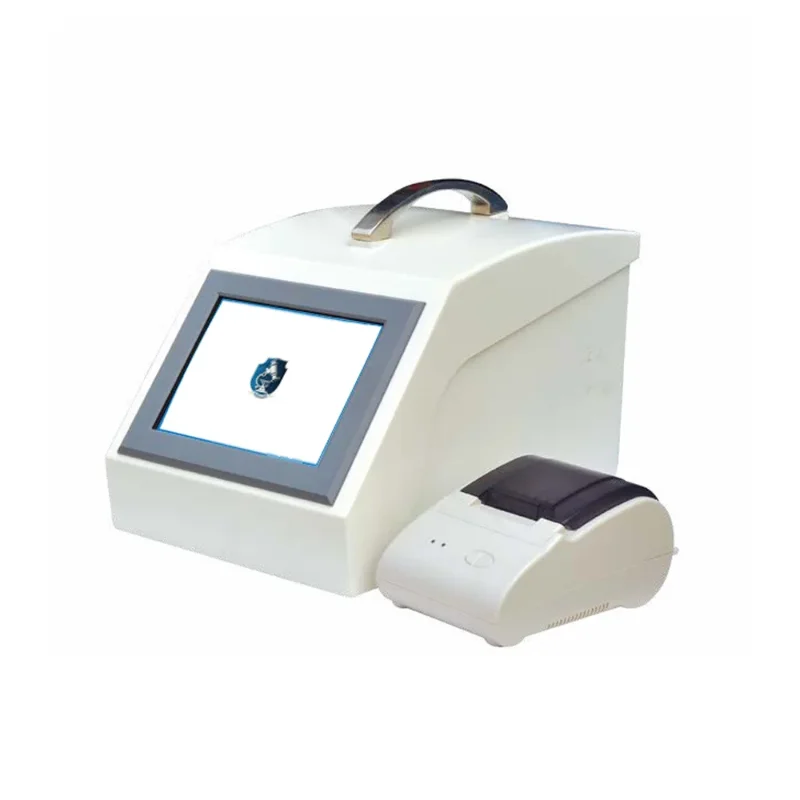
The MedIntegrity Automatic TA-2.0 analyzer gauges the total carbon (TC), inorganic carbon (IC), and total organic carbon (TOC) in water. The TA-2.0 TOC Analyzer uses UV oxidation to measure TOC. It bases this on UV absorption readings in the sample. Newer models build on this. They add better signal steadiness for tiny detections. Plus, they improve splits between inorganic carbon types.
Technical Spotlight: MedIntegrity TA Series
The TA Series shines by spotting inorganic carbon without mix-ups. This matters a lot in samples with carbonate leftovers from cleaners or buffer mixes. Total Organic Carbon analyzers figure the total carbon in a sample portion. Total Organic Carbon includes an Inorganic (TIC) and Organic part. By measuring both parts exactly, MedIntegrity analyzers give spot-on results. This holds true even in tricky setups common in pharma settings.
Securing the Digital Frontier: Data Integrity and 21 CFR Part 11
By 2026, “ALCOA+” guidelines go past basic logs. They now call for active oversight at every electronic record step. A GMP-compliant TOC monitoring system must store true readings. It also needs to shield them from unwanted changes or losses.
Today’s TOC software requires these features:
- Multi-level access control with role-based permissions
- Electronic signatures linked directly to user IDs
- Secure export functions compatible with LIMS/MES platforms
- Immutable audit trails documenting all actions
MedIntegrity’s “Compliance by Design” approach builds these into its core software setup. This cuts down on human mistakes. At the same time, it meets FDA needs under 21 CFR Part 11.
Cleaning Validation and Process Efficiency
Cleaning validation ranks as one of the heaviest tasks in GMP work. Yet it proves vital for patient well-being. Quick cleaning validation TOC analysis cuts hold-up times between runs sharply. It confirms surface cleanness faster than old methods like HPLC or conductivity checks alone. For instance, in a busy plant handling multiple drug types, this speed means batches start sooner, boosting output by up to 20% in tight schedules.
Streamlining Validation Workflows
With MedIntegrity analyzers, rinse samples process in minutes, not hours. This lets upkeep crews free gear quicker. They do so without skipping compliance papers. Industry pros note that such fast turns help avoid costly delays during peak production.
Business Value Beyond Compliance
Dependable tools link straight to money gains:
- Reduced downtime: Quicker batch changes lift gear use rates.
- Lower maintenance costs: Early alerts from predictive checks spot problems ahead.
- Audit readiness: Auto logs skip hand-written slips that often lead to inspection notes.
Case Study Snapshot
A mid-sized sterile injectables maker added MedIntegrity TA analyzers to its utility grid and cleaning spots. In just six months, they saw a 25% drop in total validation time. They also had no audit issues tied to analysis records. This clear result shows how exact tech brings real returns on investment.
Conclusion
Picking a pharmaceutical water TOC analyzer now means readying for coming rule hurdles. Detection levels will tighten more. Link-up needs will grow as cloud quality tools turn common. Regulators will seek smooth digital tracking across all production points.
MedIntegrity’s pledge goes beyond basic accuracy. It supports lasting work success through forward-thinking changes. These changes prepare for rule shifts instead of just responding. For labs aiming at steady updates, the TA Series offers a smart buy. It balances sharp sensing with strong digital safety.
Choosing the right TOC analyzer goes beyond tech picks. It acts as a guard for operations in every GMP-approved site. These sites aim to succeed under tougher world standards. Reach out to MedIntegrity’s tech experts now. Learn how the TA Series can update water checks and ensure full rule calm.
FAQs
Q1: How do MedIntegrity TOC analyzers ensure compliance with the latest USP <643> and EP requirements?
A: MedIntegrity instruments are engineered to meet and exceed the system suitability requirements of global pharmacopeias, utilizing advanced oxidation and membrane conductometric technologies to ensure precise discrimination between organic and inorganic carbon.
Q2: Can the same TOC analyzer be used for both Water for Injection (WFI) and cleaning validation samples?
A: While possible, it depends on the measurement range. MedIntegrity TA Series offers wide-range detection capabilities, making certain models ideal for both the ultra-pure requirements of WFI and the higher concentrations typically found in cleaning validation rinse samples.
Q3: What specific data integrity features are required for a TOC analyzer to be considered 21 CFR Part 11 compliant?
A: To meet 2026 standards, the system must include secure audit trails, unique user ID/password hierarchies, electronic signatures, and a non-modifiable database structure, all of which are standard features in MedIntegrity’s software architecture.
Q4: What is the difference between a TOC “sensor” and a MedIntegrity TOC “analyzer”?
A: Sensors are typically used for general trending, whereas MedIntegrity analyzers provide the quantitative accuracy, specificity, and method validation support required for critical GMP reporting and quality management decisions.
Q5: What is the recommended calibration and maintenance interval for MedIntegrity TA Series analyzers?
A: To ensure long-term performance and compliance, a semi-annual calibration is generally recommended, although high-throughput labs may opt for quarterly verification based on their internal SOPs and risk assessments.
 English
  Russian
  Spanish
  Portuguese
  German
  French
  Italian
  Arabic
  Dutch
Dutch  Japanese
  Vietnamese
  Korean
  Malay
Malay  Thai
Thai