
Mastering MedIntegrity V10: 2026 Pharma Maintenance Guide
Mastering MedIntegrity V10: 2026 Pharma Maintenance Guide
Introduction
In 2026, pharmaceutical and biopharmaceutical manufacturers face increasing regulatory scrutiny and higher expectations for sterility assurance. Filter integrity testing systems play a critical role in safeguarding product quality and supporting compliant batch release.
MedIntegrity V10 is designed to meet these demands with precision, reliability, and data integrity. However, maintaining consistent performance requires structured maintenance practices, including calibration, cleaning, and software validation. A well-executed maintenance strategy not only ensures compliance with Annex 1 and GMP standards but also reduces operational risks and enhances overall production efficiency.
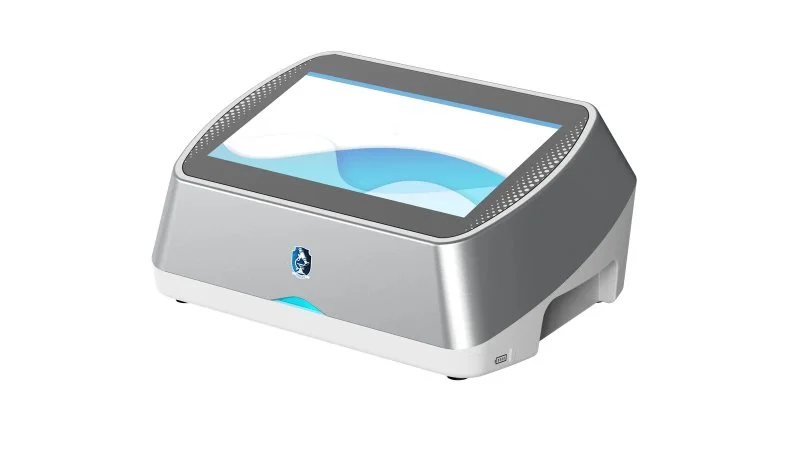
Role of MedIntegrity V10 in Pharmaceutical Operations
MedIntegrity V10 handles three key tasks: filter integrity testing, data logging, and compliance support. It suits sterile filtration checks, aseptic filling setups, and bioprocess tasks where precision and steady results matter most.
This device fits well with different filter shapes and dimensions. Operators can link any mix of filter size and type. It provides full adaptability. The testing process has been improved to cut down combined test durations. Yet, it keeps the result’s reliability intact.
MedIntegrity V10 matches GMP guidelines. It aids both pre-use and post-use integrity checks as outlined in Annex 1. The sterilised filter assembly’s integrity needs verification through testing before use. This step spots any harm or integrity loss from filter prep beforehand.
Regulatory Framework and Compliance Requirements
Drug makers must follow EU GMP Annex 1 and FDA 21 CFR Part 11 for filter integrity testing pharma steps. These rules spell out how to handle, protect, and review electronic records.
The system includes scientific authority controls, passwords, access levels, permission tiers, and electronic signatures. All these meet FDA 21 CFR Part 11 standards fully.
Annex 1 stresses that pre-use post-sterilization integrity testing (PUPSIT) should happen when practical. It confirms the performance of sterilizing-grade filters before and after use.
Preventive Maintenance Strategy for MedIntegrity V10
A well-planned preventive maintenance pharmaceutical approach is vital for steady batch approvals. Routine upkeep stops shifts in pressure readers or small leaks that might weaken sterility checks.
Upkeep schedules often run every three months or twice a year based on how much the device sees action. Risk-focused scheduling takes into account process importance. For example, filters in final sterile filling need more frequent checks than those in early buffer steps.
| Maintenance Task | Recommended Interval | Purpose |
|---|---|---|
| Visual inspection | Monthly | Detect wear or contamination |
| Sensor calibration | Quarterly | Maintain measurement accuracy |
| Firmware update check | Semiannually | Ensure software compliance |
| Leak test verification | Before each batch run | Confirm system tightness |
Facilities can use data analysis from past tests to predict problems. This helps avoid interruptions in output.
Routine Calibration Procedures
Calibration keeps MedIntegrity V10 within its proven performance limits. Pressure sensors require checks with reliable reference tools at least every six months. Or, follow site-specific SOPs. Flow precision reviews ensure differential pressures match approved levels in bubble point or diffusive flow tests.
Document all calibration outcomes for inspection prep. This is a core part of FDA and EMA reviews.
Sensor Cleaning and Contamination Control
Cross-contamination between product batches is a major concern during pharma equipment maintenance. Cleaning protocols should follow validated procedures using approved agents compatible with stainless steel or polymeric sensor housings.
Operators must handle components within cleanroom conditions; gloves should be powder-free, and cleaning wipes must meet ISO Class 5 particle limits. The instrument has been specifically designed to be used in any kind of cleanroom.

Software Validation and System Updates
Software validation remains central to compliance under FDA 21 CFR Part 11. Each MedIntegrity V10 unit follows a documented IQ/OQ/PQ lifecycle approach — Installation Qualification verifies setup accuracy; Operational Qualification checks functionality; Performance Qualification confirms consistent results over time.
Firmware updates should undergo controlled change management procedures to maintain traceability across versions while avoiding unapproved system modifications.
Common Issues and Troubleshooting
Sturdy systems sometimes run into glitches:
- Inconsistent test results: These often stem from temperature changes or poor wetting of water-repelling filters.
- Pressure instability: It can come from tiny leaks in tube links.
- System alerts: Onboard checks spot sensor shifts or valve issues soon.
Good habits include daily self-tests before work starts. MedIntegrity’s automatic diagnostic tool supports this routine.
Integration into Pharma and Biopharma Workflows
MedIntegrity V10 fits key spots in aseptic production lines. It covers media filtration to final product checks. In biologics making, it aids viral filtration where small slips can cut yields.
Digital links like RS232/USB ports tie into MES systems. This allows live tracking across units. The device offers strong data connections. It has standard digital and analog setups (RS232/USB). Plus, it can add custom industrial buses and control ports based on user needs.
Best Practices to Ensure Compliance and Performance
Cleanroom fit during upkeep is essential:
- Employ tools set aside for each clean area level.
- Record every disassembly action.
- Provide ongoing training on SOP updates for filter integrity tester use.Preventing cross-contamination means strict separation of parts touching different products or runs.
Business Value of Preventive Maintenance
Upkeep brings more than rule-following perks. It offers clear production boosts:
- Cuts batch discards from bad filter tests.
- Boosts runtime by catching faults early.
- Shows readiness for regulatory checks.
In the end, this method protects product quality and company standing. Both are vital for any drug producer.
Conclusion
As regulatory scrutiny intensifies heading into 2026, structured maintenance programs around instruments like MedIntegrity V10 become indispensable for maintaining sterility assurance standards. A disciplined approach to calibration, cleaning, software validation, and preventive care transforms these devices into reliable guardians of product safety rather than potential bottlenecks in production efficiency.
For pharmaceutical manufacturers aiming to enhance compliance, minimize risk, and ensure consistent batch release, integrating a robust maintenance strategy with MedIntegrity V10 is essential. Contact MedIntegrity to explore tailored solutions for regulated production environments.
FAQs
Q1: What is the recommended calibration frequency for filter integrity testers in pharmaceutical manufacturing?
A: Many sites check their filter integrity tester every six months. But busy operations might need quarterly reviews based on local SOPs.
Q2: How does Annex 1 impact maintenance procedures for integrity testing equipment?
A: Annex 1 requires pre-use post-sterilization integrity testing (PUPSIT) when doable. It verifies sterilizing-grade filter work before use.
Q3: What are the most common causes of failed filter integrity tests?
A: Typical reasons involve bad wetting of water-repelling layers, pressure leaks in tube joins, or straying from approved test settings.
Q4: How should software validation be managed for compliance with 21 CFR Part 11?
A:Validation follows IQ/OQ/PQ stages ensuring traceability; electronic signatures and access controls must comply fully with Part 11 expectations.
Q5: What preventive maintenance steps reduce downtime in sterile manufacturing systems?
A: Planned checks, prompt sensor calibrations, firmware updates with change oversight, and routine cleanroom cleaning cut downtime. They also uphold rules.
 English
  Russian
  Spanish
  Portuguese
  German
  French
  Italian
  Arabic
  Dutch
Dutch  Japanese
  Vietnamese
  Korean
  Malay
Malay  Thai
Thai