

How to Specify a Portable Bag Integrity Tester for Pharmaceutical Production
How to Specify a Portable Bag Integrity Tester for Pharmaceutical Production
An RFQ for a portable bag integrity tester needs enough detail to connect the instrument to the job. The pharmaceutical purchaser identifies the bag and its fitting, then agrees the test approach, utilities and records with the manufacturer. Connection parts, documentation and requested assistance belong in the priced scope. With those details resolved, purchasing can compare offers for the same work.
Medintegrity BGT-120 is a portable, stand-alone bag integrity tester using the pressure-drop method. The purchasing task is to establish how the proposed equipment and connections will fit the stated application. The most useful quotation explains what is supplied, what the factory provides and what technical questions remain open before ordering.

Start with the bag application before comparing quotations
A bag reference is more helpful than the phrase “production bag.” For a single-use bag integrity tester enquiry, the supporting information can include nominal capacity, available construction details and a drawing or description of the connection. The end user also describes the intended process use and the bag condition at testing. The manufacturer can use this package to review the proposed application.
For a distributor sourcing bag integrity testing equipment, the original bag reference should travel with the enquiry. A shortened description can leave out the fitting that the factory already uses. The manufacturer would then be answering an incomplete request. Keeping the drawing and bag identification attached gives both the technical response and eventual offer a clear reference.
The status of the test method is another useful detail. An existing approved method gives the supplier requirements to work against. A method still being developed leaves technical work to agree. Procurement can record that status in the RFQ. The technical reviewers retain any unsettled method decisions, including the acceptance criteria, while purchasing deals with the proposed supply.
Electrical supply and gas connections need separate answers
For Medintegrity BGT-120, the specified mains supply is AC 220 V, 50 Hz, with a 120 W rating. A battery is standard. The mains details can be checked against the factory supply. Battery use needs a separate discussion with Medintegrity, based on the planned work and expected time between opportunities to restore power. The order can record the agreed operating arrangements without turning the rated wattage into an unsupported runtime estimate.
The export enquiry can include the factory voltage, frequency and outlet details. This allows the offered connection to be reviewed before shipment. Where the destination differs from the standard mains specification, Medintegrity needs to confirm the proposed configuration. The responsible factory electrical personnel also need to assess it for the installation.
The external gas options for BGT-120 are compressed air, nitrogen and inert gas. The actual source is selected for the application. A description of the available factory supply gives Medintegrity the pressure, flow, quality and fitting details needed for the connection discussion. The agreed inlet requirements belong beside the selected gas in the quotation.
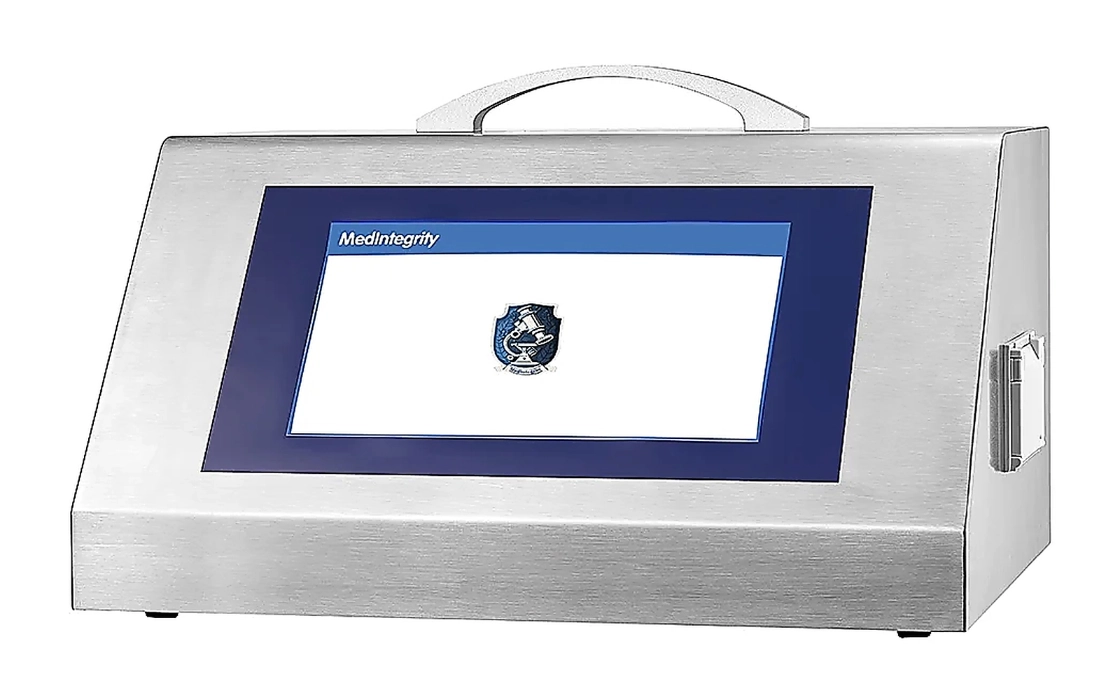
One way to expose missing accessories is to follow the gas path on a connection schedule: factory supply, instrument connection and bag interface. Each fitting, regulator and tubing item has a supply responsibility beside it. Procurement can see which items are being ordered and which are already available locally. The final package is established by this list, not by the appearance of the instrument case.
The application review must address the complete test
The proposed bag leak tester, bag and connection form the arrangement under review. Procurement can ask Medintegrity to describe the test approach and settings for that arrangement. The response can identify any further information or assessment required. A written answer tied to the bag reference is useful evidence for the purchasing file and the end user’s technical review.
Performance discussions need the intended result as well as instrument specifications. For example, a purchaser requiring a stated level of leak detection needs evidence for that requirement on the proposed bag setup. A pressure-measurement number alone cannot supply it. The agreed assessment records the bag and connection used, conditions applied, acceptance criteria and basis for the conclusion.
The work involved in single-use bag integrity test validation can be assigned within the project. Technical personnel retain the method and acceptance decisions. The supplier’s contribution is described in the commercial scope: equipment, requested documentation and any agreed application assistance. Purchasing can then distinguish a document delivery from additional technical work.
A quotation that gives a bag-volume range or a detection claim needs enough detail to relate it to the application. An unanswered connector question still needs resolution even if the headline numbers appear suitable. Procurement can keep such items open until the manufacturer’s response and the technical assessment address them. The offer then reflects agreed requirements rather than assumptions.
Specify usable records and the required support documents
BGT-120 stores at least 12,000 historical records and supports printing and queries. A retrieval demonstration connects those functions to the factory’s review process. An identified result is followed through to the reviewer, with any separate identification work noted. This gives procurement a way to agree the instruction required for the supplied configuration, rather than relying on the storage-capacity figure to describe the whole task.
Where electronic handover is required, the RFQ can name the required record format and receiving system. The quotation then needs to describe how the offered configuration would meet that requirement. Stand-alone operation does not establish network connectivity or automatic synchronization. Any separate work involved in the proposed handover belongs in the price and responsibility discussion.
IQ, OQ, PQ and SOP are included in Medintegrity’s BGT-120 validation-support scope. The project quotation can describe the documents and assistance to be delivered. Technical reviewers need the proposed list and delivery form, together with the activities retained by the factory. Purchasing can use that agreed list when checking the documentation supplied. Support beyond document delivery remains a separately described part of the project.
Medintegrity’s instrument operation and maintenance training can be discussed against the proposed configuration. The discussion can cover connections, testing and retrieval of records for the equipment being supplied. Purchasing can then identify the instruction included in the order and any additional assistance requested. Attendance at the factory and service response times are commercial details to agree separately when needed.
Document review belongs before order closure where it affects equipment acceptance. A buyer can ask for the proposed list or agreed examples, then have the responsible reviewers check whether the scope matches factory requirements. The order should distinguish supplying documents from performing work at the customer site. Training, execution assistance and travel require their own agreed scope when requested.
Bring the technical answers into the RFQ
A bag integrity tester supplier can respond against the same requirement list used by the end user. Each answer identifies an offered item or leaves a question open for resolution. The distributor retains that response when preparing the customer quotation. Changes to the package, including locally supplied parts, can then be seen and reviewed before the order is placed.
| RFQ item | Information supplied by the buyer | Answer needed in the quotation |
| Bag application | Bag reference, intended use and connection details | Proposed configuration and application review |
| Utilities | Actual electrical supply and selected external gas | Agreed electrical and gas inlet requirements |
| Connections | Existing fittings and proposed bag interface | Included components and site responsibilities |
| Records and documents | Review process and required document list | Supplied functions, documents and assistance |
| Commercial scope | Quantity, destination and required project date | Itemized price, delivery terms and outstanding conditions |
A lower total may cover a smaller package. Connection parts or requested assistance priced separately can change the comparison once added. Itemized offers let purchasing account for those differences and identify anything still unpriced. The commercial response also needs the delivery, warranty and any order-quantity terms applicable to this enquiry.
Conclusion
The RFQ for a portable bag integrity tester is ready when the application has a clear reference and the proposed configuration answers it. Bag connections, test suitability, utilities, records and support each need an agreed scope. An itemized BGT-120 offer brings those decisions into the purchasing record, including work still required before routine use.
The bag information, utility details and required document list form a useful starting package for a BGT-120 configuration and quotation. Medintegrity can review those details and discuss the proposed supply. The final response can be retained with the order for checking the supplied equipment, components and documents.
FAQ
Does battery operation remove the need for external gas?
No. BGT-120 has a standard battery and specifies an external gas source. The electrical and gas arrangements therefore need separate confirmation. The selected gas, inlet conditions and connection components belong in the quotation review even when the purchaser plans to use the battery during testing.
How should bag compatibility be confirmed before ordering?
A bag reference, connection details and stated test requirement allow Medintegrity to review a specific application. Further information or an assessment may be needed. A proposed demonstration needs an identified setup and agreed acceptance criteria so its result addresses the purchasing requirement. The configuration offered should reflect the completed application review.
Are connection components included with the tester?
The component list agreed for the order gives the answer. It identifies supplied fittings, tubing and gas-control items, where required, and separates them from factory-provided parts. Procurement can check the connection path against that list and resolve a missing component before finalizing the purchase.
Why is an itemized offer useful to a distributor?
It preserves the package being offered to the end user. The distributor can see whether connections, requested documents and assistance are included or separately priced. This also makes changes easier to track during negotiation. An unresolved requirement remains visible until the supplier and customer agree how it will be addressed.
 English
 Russian
 Spanish
 Portuguese
 German
 French
 Italian
 Arabic
 Dutch
 Japanese
 Vietnamese
 Korean
 Malay
 Thai