

Principle of Filter Integrity Tester: What are the differences between bubble point, diffusion flow and pressure hold tests?
Principle of Filter Integrity Tester: What are the differences between bubble point, diffusion flow and pressure hold tests?
During the practical use of a Filter Integrity Tester, one common question arises: which test method should be selected for a particular filter?
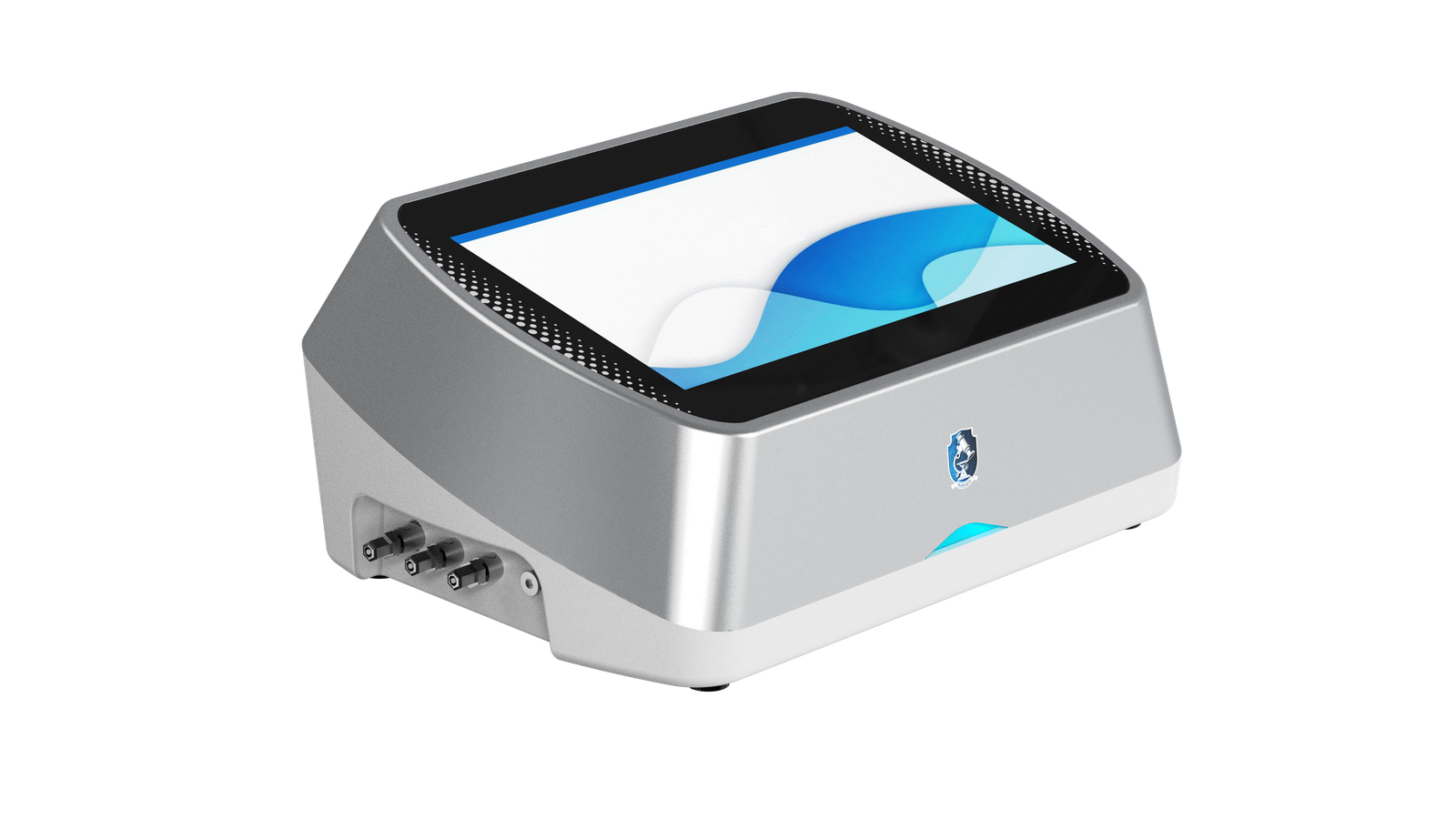
For example, the MedIntegrity V10 Filter Integrity Tester developed by MedIntegrity comes with six built-in test methods: Basic Bubble Point, Enhanced Bubble Point, Diffusion Flow, Water Intrusion, Pressure Hold, and Ultrafiltration. What are the differences between these testing methods, and how should users choose the appropriate method for their specific testing requirements? This article aims to answer these questions.
Among the various filter integrity testing methods, three are particularly common and are typically included in most filter integrity testers: Bubble Point Test, Diffusion Flow Test, and Pressure Hold Test.
Although all three methods are used for filter integrity evaluation, they differ significantly in their testing principles, measured parameters, and result acceptance criteria. Understanding these differences helps users select the appropriate testing method and gain a better understanding of how a Filter Integrity Tester works and how it is used in practice.
1. Why Does a Filter Integrity Tester Need Different Testing Methods?
The purpose of filter integrity testing is to evaluate whether a filter maintains its intended integrity through specific physical testing methods. Unlike visual inspection of the filter cartridge, integrity testing primarily relies on parameters such as gas pressure, gas flow rate, and pressure changes to indirectly evaluate the condition of the membrane and filter assembly.
In pharmaceutical manufacturing, different filters may vary in membrane material, pore size, effective filtration area, structural design, and wetting characteristics. Therefore, a single testing method may not be suitable for all types of filters.
For example, hydrophilic membranes can be fully wetted so that liquid fills the membrane pores. Based on the capillary forces formed within these liquid-filled pores, Bubble Point and Diffusion Flow Tests can be used for integrity evaluation. For other types of filters, the appropriate testing method must be selected according to their material properties, structural characteristics, and validated testing procedures.
For this reason, modern Filter Integrity Testers are generally equipped with multiple testing modes to accommodate different filter types and process applications.
2. Bubble Point Test: Evaluating Membrane Integrity Through Bubble Point Pressure
The Bubble Point Test is one of the most widely used methods in pharmaceutical filter integrity testing. It is commonly used to evaluate the integrity of hydrophilic microporous membranes.
2.1 Basic Principle of the Bubble Point Test
The Bubble Point Test is based on the capillary forces generated by liquid within the micropores of a membrane.
During testing, the membrane must first be thoroughly wetted with an appropriate wetting liquid so that the liquid completely fills the membrane pores.
Once testing begins, the Filter Integrity Tester gradually applies gas pressure to the upstream side of the filter. At relatively low pressures, the liquid remains inside the membrane pores due to capillary forces, preventing continuous gas flow through the membrane.
As the gas pressure increases, it eventually reaches a critical value sufficient to overcome the capillary forces within the largest effective pores. At this point, gas begins to displace the liquid from these pores, resulting in a continuous flow of bubbles. This critical pressure is known as the Bubble Point Pressure.
Generally, larger membrane pores require lower pressure to overcome capillary forces, while smaller pores require higher pressure. Therefore, bubble point pressure has a corresponding relationship with the maximum pore size of the membrane.
2.2 How Is the Bubble Point Test Performed?
A typical Bubble Point Test involves the following steps:
① Select an appropriate wetting liquid according to the filter manufacturer’s requirements and fully wet the filter cartridge following the specified procedure.
② Install the filter cartridge correctly in the test fixture. Check the test connections, seals, and tubing to ensure that the entire testing system is properly connected.
③ Start the Filter Integrity Tester and gradually increase the test pressure according to the configured testing procedure while monitoring gas flow.
Once the specified bubble point detection criterion is reached, the instrument records the corresponding bubble point pressure and compares it with the predefined acceptance criteria.
If the measured bubble point meets or exceeds the specified minimum limit, the test is generally considered acceptable. If the measured value falls below the specified limit, further investigation is required to check the wetting condition, connection seals, and potential abnormalities in the filter itself.
2.3 Characteristics of the Bubble Point Test
The Bubble Point Test uses pressure as its primary measurement parameter. The test result reflects the maximum pore size-related characteristics of the membrane.
Its advantages include a well-established testing principle and results with clear physical significance. It is suitable for filters with corresponding bubble point specifications.
However, the Bubble Point Test is sensitive to the wetting condition of the membrane. Insufficient wetting or incompatibility between the wetting liquid and membrane material may affect the test results.
Therefore, the wetting procedure and testing parameters provided by the filter manufacturer should be strictly followed during actual testing.
3. Diffusion Flow Test: Evaluating Filter Integrity Through Gas Diffusion Flow Rate
The Diffusion Flow Test is another commonly used method supported by Filter Integrity Testers. It is particularly suitable for hydrophilic sterilizing-grade filters with specified diffusion flow limits.
Unlike the Bubble Point Test, which focuses on the critical pressure required for bubble formation, the Diffusion Flow Test primarily measures the gas diffusion flow rate through a wetted membrane at a specified test pressure.
3.1 Basic Principle of the Diffusion Flow Test
The Diffusion Flow Test also requires the membrane to be fully wetted before testing, ensuring that liquid fills the membrane pores.
During testing, the Filter Integrity Tester applies a specified pressure to the upstream side of the filter. This pressure is lower than the bubble point pressure of the membrane.
Under these conditions, gas generally does not form a continuous flow through the membrane pores. However, due to the partial pressure difference across the membrane, gas molecules can still diffuse through the liquid within the membrane pores.
The instrument monitors and calculates the gas diffusion flow rate through its measurement system, providing the diffusion flow value at the specified test pressure.
Under normal conditions, the measured diffusion flow rate should remain within the acceptance limits specified by the filter manufacturer. If the measured value exceeds the allowable limit, it may indicate an abnormality in the membrane or filter, which requires further investigation in consideration of the testing conditions.
3.2 How Is the Diffusion Flow Test Performed?
A typical Diffusion Flow Test involves the following steps:
① Select an appropriate wetting liquid according to the filter manufacturer’s requirements and fully wet the membrane to ensure that the testing conditions meet the specified requirements.
② Connect the filter to the Filter Integrity Tester and check the tubing, fittings, and sealing connections to ensure there are no obvious leaks.
③ Select the Diffusion Flow Test mode on the instrument and enter or load the corresponding filter parameters, including test pressure, stabilization time, and allowable diffusion flow rate.
The instrument applies the specified pressure to the filter and measures the gas diffusion flow rate once the system reaches a stable condition.
Finally, the measured result is compared with the specified maximum allowable diffusion flow rate to determine whether the test meets the acceptance criteria.
3.3 Characteristics of the Diffusion Flow Test
The Diffusion Flow Test uses gas flow rate as its primary measurement parameter and provides a quantitative evaluation of gas diffusion through a wetted membrane under specified pressure conditions.
Compared with the Bubble Point Test, the Diffusion Flow Test does not require increasing the pressure to the bubble point. Instead, testing is performed at a pressure below the bubble point.
For filters with clearly defined diffusion flow acceptance limits, this method provides straightforward quantitative results and is also suitable for automated integrity testing procedures.
It should be noted that diffusion flow is affected by factors such as membrane area, membrane material, wetting liquid properties, test pressure, and temperature.
Therefore, diffusion flow limits for different filter specifications cannot be directly compared. Testing should always use validated parameters corresponding to the specific filter model.
4. Pressure Hold Test: Evaluating System Conditions Through Pressure Changes
The Pressure Hold Test is another testing method supported by Filter Integrity Testers.
Unlike the previous two methods, the Pressure Hold Test follows a different measurement principle. It primarily evaluates whether the testing system can maintain relatively stable pressure for a specified period after the gas supply has been isolated.
4.1 Basic Principle of the Pressure Hold Test
During testing, the Filter Integrity Tester supplies gas to the filter and the associated test circuit until the system reaches the specified pressure.
Once the target pressure is reached, the instrument closes the gas inlet valve, isolating the testing system from the gas supply, and begins monitoring pressure changes over the specified period.
If there are no significant abnormal leaks in the testing system, the pressure should remain within the specified range under stable testing conditions.
If the pressure drop exceeds the predefined limit during the specified testing period, it may indicate a leak or other factors affecting pressure stability.
It is important to note that the Pressure Hold Test reflects pressure changes throughout the entire testing system. It may not directly distinguish whether a pressure drop originates from the filter itself, tubing connections, or other parts of the system.
Therefore, the results must be evaluated in consideration of the specific test configuration and validated acceptance criteria.
4.2 How Is the Pressure Hold Test Performed?
① Install the filter correctly and connect it to the Filter Integrity Tester according to the testing requirements.
② Check the tubing, fittings, and sealing connections to confirm that the testing system is properly configured for pressure holding.
③ Select the Pressure Hold Test mode and configure the test pressure, stabilization time, test duration, and allowable pressure change range.
The instrument supplies gas to the system until the specified pressure is reached. After the required stabilization period, the system isolates the gas supply and enters the pressure monitoring stage.
Throughout the specified testing period, the instrument continuously records pressure changes and compares the measured pressure variation with the predefined acceptance criteria.
If the pressure change remains within the allowable range, the test meets the configured requirements. If the result exceeds the specified limit, further investigation should be carried out to check system connections, tubing seals, temperature changes, and the condition of the filter.
4.3 Characteristics of the Pressure Hold Test
The Pressure Hold Test uses pressure change as its primary measurement parameter and evaluates the pressure-holding capability of the testing system under specified conditions.
Although the testing principle is relatively straightforward, the results can be affected by factors such as system volume, temperature changes, gas stabilization conditions, and connection sealing.
It is particularly important to understand that the Pressure Hold Test is not the same as the Diffusion Flow Test. Although both methods may involve pressure changes, their measurement objectives and result expressions are different.
If pressure hold results are used to evaluate filter integrity, the testing procedure, system configuration, and acceptance criteria must be appropriately validated. A conventional pressure-holding result from the tubing system should not automatically be interpreted as a conclusion regarding membrane integrity.
5. What Are the Differences Between Bubble Point, Diffusion Flow, and Pressure Hold Tests?
After understanding the principles of these three methods, their differences can be compared in terms of measurement parameters, testing procedures, and result acceptance criteria.
From the perspective of their measurement principles, each method serves a different purpose.
The Bubble Point Test primarily answers the question: What pressure is required for continuous gas flow through the membrane?
The Diffusion Flow Test primarily answers: How much gas diffuses through the wetted membrane at a specified pressure?
The Pressure Hold Test primarily answers: How much does the system pressure change over a specified period after the gas supply is isolated?
This is why Filter Integrity Testers need to support different testing modes according to actual testing requirements, rather than relying on a single method to evaluate the integrity of all types of filters.
6. How Should the Appropriate Testing Method Be Selected in Practice?
In pharmaceutical manufacturing, selecting a testing method should not be based solely on the functions supported by the instrument. More importantly, users must confirm whether the method is suitable for the specific filter and whether the corresponding testing parameters have been validated.
6.1 Select the Method According to the Filter Type
Different filters vary in membrane material, pore size, effective filtration area, and structural design. Their corresponding testing parameters may also differ.
For example, commonly used hydrophilic sterilizing-grade filters generally have corresponding bubble point or diffusion flow specifications. The appropriate testing method can be selected based on the testing data provided by the filter manufacturer and the process validation requirements.
For other types of filters, the selection should be confirmed according to their material properties and the testing procedures provided by the manufacturer. Testing parameters developed for hydrophilic membranes should not be directly applied to other filter types.
6.2 Select the Method According to Process Validation Requirements
During sterile filtration process validation, the filter integrity testing method should be consistent with filter selection, bacterial retention validation, and actual process conditions.
If the filter manufacturer provides validated bubble point acceptance criteria, the Bubble Point Test can be used for evaluation. If validated diffusion flow acceptance criteria are available, the Diffusion Flow Test can also be performed according to the corresponding procedure.
In actual production, the testing method should remain consistent with the process validation documentation. Testing methods and acceptance criteria should not be changed arbitrarily.
6.3 Select the Method According to the Testing Objective
If the primary objective is to evaluate the maximum pore size-related characteristics of the membrane, the Bubble Point Test may be considered.
If quantitative evaluation of gas diffusion under specified pressure conditions is required, the Diffusion Flow Test may be appropriate.
If the testing procedure is intended to monitor the pressure-holding capability of the system under specified conditions, the Pressure Hold Test can be used, provided that its scope of application and acceptance criteria are clearly defined.
It is important to emphasize that these three methods are not interchangeable. The appropriate method should be selected based on the technical specifications provided by the filter manufacturer, process validation results, and applicable quality requirements.
7. How Does a Filter Integrity Tester Meet Different Testing Requirements?
As pharmaceutical manufacturing processes and filtration equipment continue to develop, the application scope of Filter Integrity Testers is also expanding.
For pharmaceutical manufacturers, selecting a Filter Integrity Tester involves more than checking whether it supports basic methods such as Bubble Point, Diffusion Flow, and Pressure Hold Tests. Other important considerations include testing accuracy, pressure control capability, filter compatibility, operating procedures, and data management functions.
A Filter Integrity Tester designed for pharmaceutical manufacturing environments should allow users to configure appropriate parameters according to different filter testing requirements and accurately record relevant data, including pressure and flow measurements throughout the testing process.
The MedIntegrity V10 Filter Integrity Tester, for example, supports six testing methods: Bubble Point Test, Diffusion Flow Test, Pressure Hold Test, Water Intrusion Test, Enhanced Bubble Point Test, and Ultrafiltration Diffusion Flow Test. These methods address the integrity testing requirements of different filters and filter cartridges.
In practical applications, users can select the appropriate testing mode according to the filter type, testing parameters provided by the manufacturer, and process validation requirements.
The instrument also features hierarchical user access management, audit trails, and historical data records, supporting routine quality control and testing data management in pharmaceutical manufacturing.
For pharmaceutical manufacturers, understanding the principles and application requirements of different testing methods is fundamental to the proper use of a Filter Integrity Tester.
Only by considering instrument performance, filter characteristics, and process validation requirements together can filter integrity test results provide meaningful support for quality control.
In general, most Filter Integrity Testers are equipped with multiple testing methods. The appropriate method should be selected according to the filter type, technical specifications provided by the manufacturer, and process validation requirements. No single testing method should be assumed to be suitable for all filters.
MedIntegrity would also like to emphasize that when selecting and using a Filter Integrity Tester, the most important considerations are not simply the number of available testing functions, but whether the testing method is appropriate, whether the parameters are properly configured, and whether the test results can provide reliable support for quality control in filtration processes.
 English
 Russian
 Spanish
 Portuguese
 German
 French
 Italian
 Arabic
 Dutch
 Japanese
 Vietnamese
 Korean
 Malay
 Thai