

PUPSIT Compliance 2026: Choosing the Right Filter Integrity Tester
PUPSIT Compliance 2026: Choosing the Right Filter Integrity Tester
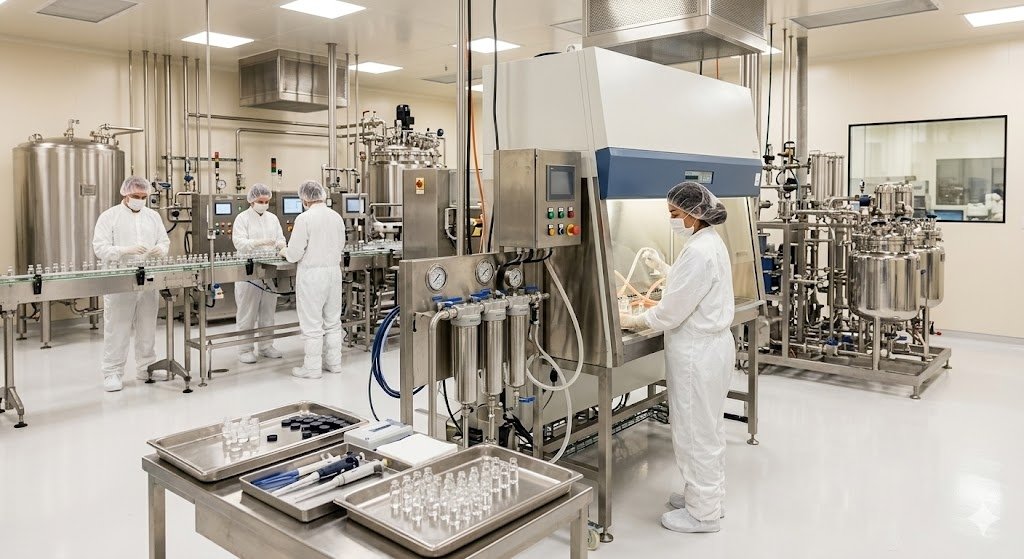
Sterile filtration has become one of the most closely monitored stages in pharmaceutical manufacturing. In 2026, regulatory expectations surrounding filtration validation and contamination control continue to increase, particularly under EU GMP Annex 1. As a result, PUPSIT compliance has moved from a recommended practice to a core part of many sterile manufacturing strategies.
PUPSIT refers to Pre-Use Post-Sterilization Integrity Testing. The procedure verifies that a sterilizing-grade filter remains intact after sterilization and before product filtration begins. The objective is to confirm that the filter assembly has not been compromised during installation, transfer, or sterilization. Annex 1 also references commonly applied integrity testing methods such as bubble point, diffusive flow, water intrusion, and pressure hold testing.
For pharmaceutical facilities, the filter integrity tester used for this process directly affects contamination control, batch release efficiency, audit readiness, and overall sterile filtration reliability. This is where systems such as MedIntegrity V10 become increasingly relevant for GMP-regulated production environments seeking practical compliance and stable testing performance.
Why PUPSIT Compliance Matters in 2026
EU GMP Annex 1 and Sterile Filtration Risk
EU GMP Annex 1 states that sterilizing-grade filters used for sterile filtration should generally undergo integrity testing before and after use unless an alternative approach is scientifically justified through risk assessment. The concern behind this requirement is operational rather than theoretical. A filter may still pass a post-use integrity test even if damage occurred before filtration.
In pharmaceutical production environments, relatively small process deviations can create larger downstream risks. Filter assemblies may be handled multiple times before installation. Sterilized components may be transferred between processing areas. Wetting procedures can vary slightly between operators or production shifts. These factors increase the importance of standardized integrity verification before product exposure.
For this reason, PUPSIT has become closely connected with contamination control strategy and overall process assurance. It provides an additional verification step before sterile product filtration proceeds.
From Compliance Requirement to Production Control
PUPSIT is no longer viewed only as a regulatory checkpoint. Many pharmaceutical manufacturers now treat it as part of broader production risk management and quality control.
A properly managed PUPSIT workflow can support several operational objectives:
| Area | Operational Value |
| Batch protection | Early identification of filter integrity issues before filtration |
| Documentation control | Improved traceability for GMP review and audit preparation |
| Process consistency | Reduced variability through standardized automated testing |
In sterile pharmaceutical production, identifying integrity problems before product filtration is significantly less disruptive than detecting issues after batch processing has already progressed.
Practical Challenges Pharma Facilities Face With PUPSIT
Manual Testing and Operator Error
Although PUPSIT appears straightforward in regulatory guidance, implementation in production environments often introduces operational complexity. Filters must be wetted correctly, pressure conditions must remain stable, and test parameters must be applied consistently across multiple batches and operators.
Manual processes increase the likelihood of variation. Differences in wetting time, tubing configuration, or test sequencing can affect repeatability. In facilities operating under tight production timelines, especially during filling operations, these inconsistencies may lead to retesting or delayed batch release.
Common operational challenges include:
- Incomplete membrane wetting
- Pressure instability during testing
- Incorrect parameter selection
- Manual transcription errors
- Difficulties maintaining low-intervention setups
- Repeated testing caused by inconsistent results
A suitable filter integrity tester should reduce operational variability while supporting repeatable testing performance.
Data Integrity and Audit Pressure
Data management has become a major consideration in sterile filtration testing. During GMP inspections, regulators frequently review not only the final test result but also the associated testing process, operator actions, and record integrity.
As a result, pharmaceutical manufacturers increasingly prioritize systems capable of supporting:
- Audit trails
- Electronic records
- User authority management
- Electronic signatures
- Controlled data storage
Requirements linked to 21 CFR Part 11 and ALCOA+ principles are now common in procurement discussions for integrity testing systems, particularly among facilities supplying regulated international markets.
MedIntegrity focuses on pharmaceutical precision testing instruments and related consumables, including filter integrity testers, TOC analyzers, glove integrity testers, and associated GMP testing equipment.
What Makes a Filter Integrity Tester Suitable for PUPSIT?
Required Test Methods
A filter integrity tester intended for PUPSIT applications should support the primary non-destructive test methods commonly used in sterile filtration validation. Annex 1 references examples including bubble point, diffusive flow, water intrusion, and pressure hold testing.
Each method serves different membrane structures and filtration applications.
| Test Method | Typical Application |
| Bubble Point | Sterilizing-grade membrane verification |
| Diffusion / Forward Flow | Quantitative membrane integrity testing |
| Pressure Hold | Pressure decay evaluation |
| Water Intrusion | Hydrophobic membrane integrity testing |
Beyond test availability, long-term operational stability and repeatability remain equally important. Pharmaceutical facilities generally require systems capable of maintaining consistent testing conditions while simplifying routine operation.
Automation, Stability, and Cleanroom Use
Modern sterile manufacturing environments increasingly favor automated integrity testing systems capable of supporting routine GMP production with minimal operational complexity.
A filter integrity tester designed for PUPSIT applications should provide:
- Automated test execution
- Stable pressure and flow monitoring
- Clear touchscreen operation
- Secure data storage
- Digital test records
- Easy cleaning and cleanroom compatibility
MedIntegrity V10 is positioned as a pharmaceutical filter integrity tester developed for GMP-oriented workflows and sterile filtration testing. The system incorporates a large touchscreen interface and operational features intended for pharmaceutical production environments.
Operational usability remains important in production settings. Repeated manual adjustments, unstable readings, or complicated setup procedures can increase operator workload and reduce process efficiency during batch manufacturing.
MedIntegrity V10 as a Practical PUPSIT-Ready Option
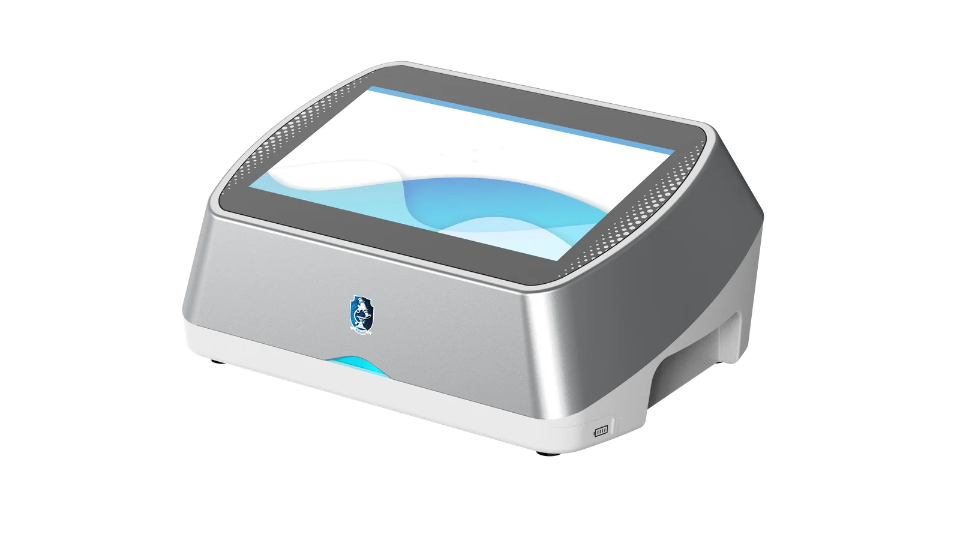
Product Functions for GMP Facilities
MedIntegrity V10 is designed for pharmaceutical manufacturers requiring automated integrity testing within GMP-regulated sterile filtration processes. The system is particularly relevant for facilities performing high-frequency integrity testing across multiple products, batches, or filtration systems.
Several functional characteristics support routine pharmaceutical operation:
- Automated integrity testing workflows
- Real-time test curve display
- Multi-parameter storage capability
- USB and Ethernet connectivity
- Digital data management
- Pharmaceutical-oriented interface design
For CDMOs and multi-product manufacturing facilities, stored testing parameters and repeatable workflows can support more efficient product changeovers and reduce operational variation between production campaigns.
Compared With Global Brands
Sartorius, Merck Millipore, and Pall are well-known names in sterile filtration and integrity testing. Many pharmaceutical plants use them as reference brands when selecting a filter integrity tester. Their market position is strong, and their systems are widely used in GMP production.
However, for QA engineers, validation teams, and production managers, the ultimate selection extends beyond mere brand recognition; operational excellence in daily production is paramount. The system must deliver stable testing performance, flawless data integrity, easy operation, fast service response, and reasonable long-term cost.
MedIntegrity V10 is stronger in these practical points. It covers existing filter integrity test methods and supports both offline and online testing. The instrument uses high-accuracy pressure sensors with lower deviation bands, which helps improve test accuracy during routine sterile filtration work. It also supports up to 1000 pre-stored programs, so facilities handling different filter types and test conditions do not need to rebuild parameters again and again.
For data integrity, MedIntegrity V10 also gives strong support. It includes password login, four-level user management, electronic signature, audit trail, and record export functions. These features help meet GMP and FDA 21 CFR Part 11 requirements. Test records and audit trails can both be queried and exported, while USB export can include original test data, source data, and configuration data. This is useful for QA review, validation documents, and audit preparation.
MedIntegrity V10 also fits high-frequency production use. It can test up to 12-core 20-inch filter cartridges, which helps improve testing efficiency for pharmaceutical plants with larger filtration systems. The instrument supports multiple pressure units, including mbar, kPa, psi, and kgf/cm². It also provides RS232, USB, digital and analog interfaces, and can customize industrial buses or external control interfaces based on project needs.
Compared with international brands, MedIntegrity V10 is not only a lower-cost option. Its real value is the balance between technical performance, GMP data control, flexible configuration, and service support. For CDMOs, sterile injectable manufacturers, and multi-product facilities, this means easier daily operation, less repeated manual setup, better traceability, and more manageable total cost of ownership. In actual plant use, these details often matter more than brand recognition alone.
Online Integrity Testing Trends in 2026
From Offline Testing to More Connected Workflows
The pharmaceutical industry continues moving toward more digitally connected manufacturing systems. Integrity testing is increasingly expected to integrate with electronic batch records, MES platforms, and centralized GMP data management systems.
At the same time, online and inline integrity testing concepts are receiving greater attention within sterile filtration workflows, particularly in facilities focused on reducing manual intervention and maintaining closed processing systems. Annex 1 also notes the preference for filtration systems that allow integrity testing within closed systems where applicable.
Although offline testing remains widely used, the broader industry direction is clear:
- Reduced paper-based documentation
- Improved digital traceability
- More integrated production records
- Lower dependence on manual data handling
Within this context, filter integrity testers are increasingly evaluated as part of larger Pharma 4.0 manufacturing strategies rather than as isolated laboratory instruments.
Conclusion
PUPSIT compliance in 2026 is closely connected with sterile filtration reliability, contamination control strategy, and GMP data management. Pharmaceutical manufacturers increasingly require filter integrity testers capable of supporting automated testing, stable operation, secure documentation, and audit-ready records.
MedIntegrity V10 provides a practical solution for facilities seeking compliance-oriented performance, digital workflow support, and controlled long-term operating costs within sterile pharmaceutical production environments. Facilities evaluating PUPSIT-ready integrity testing systems or assessing alternatives to established global brands can consider MedIntegrity V10 for pharmaceutical filtration testing applications.
FAQ
Q1: What does PUPSIT mean in sterile filtration?
A: PUPSIT refers to Pre-Use Post-Sterilization Integrity Testing performed before sterile product filtration.
Q2: Why is PUPSIT compliance important for pharmaceutical facilities?
A: It helps confirm filter integrity before use and supports contamination control within sterile filtration processes.
Q3: Which methods should a filter integrity tester support for PUPSIT?
A: Common methods include Bubble Point, Diffusion or Forward Flow, Pressure Hold, and Water Intrusion testing.
Q4: Is MedIntegrity V10 suitable for GMP pharmaceutical manufacturing?
A: Yes. MedIntegrity V10 is designed for pharmaceutical filter integrity testing and GMP-oriented workflows.
Q5: How does MedIntegrity compare with global filter integrity tester brands?
A: MedIntegrity focuses on practical operation, compliance support, automated workflows, and controlled total cost of ownership.
 English
  Russian
  Spanish
  Portuguese
  German
  French
  Italian
  Arabic
  Dutch
Dutch  Japanese
  Vietnamese
  Korean
  Malay
Malay  Thai
Thai