
Master Daily TOC Analyzer Calibration & Maintenance | MedIntegrity TA Series 2026
Master Daily TOC Analyzer Calibration & Maintenance | MedIntegrity TA Series 2026
Introduction
In the pharmaceutical and biopharmaceutical sectors, water quality is not just a utility—it’s a controlled raw material. TOC analysis serves as a key part of checking contamination in purified water and Water for Injection systems. A TOC analyzer, namely a Total Organic Carbon analyzer, is a scientific instrument specifically designed to measure the total organic carbon content in water. It shows the total amount of organic matter in water based on carbon quantity. This measurement provides an immediate indicator of organic contamination that could compromise product safety or regulatory compliance.
Daily calibration and maintenance of TOC analyzers help keep results reliable, meet GMP requirements, and avoid costly deviations. The MedIntegrity TA Series combines automation with real-time monitoring. It cuts down on manual work while supporting ongoing compliance. Its intelligent calibration functions make daily checks faster and easier to track, fitting the industry move toward digital quality control.
The Rising Importance of TOC Analysis in 2026
Regulatory Pressure and Compliance Expectations
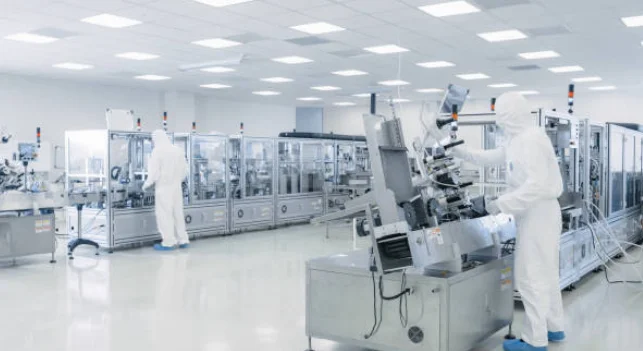
Pharmaceutical water systems are being put under even greater scrutiny. The FDA, EMA, and USP standards stipulate strict TOC analysis for validation of water purity and any possible contamination issues. Regular calibration of TOC analyzers guarantees that readings are accurate and reliable, supporting audit-ready documentation. Skipping or performing inconsistent calibrations can lead to questionable batch results or compliance observations.
Interestingly, even small errors—like a few micrograms of organic carbon discrepancy—can trigger repeat investigations or unnecessary batch holds. Laboratories managing multiple loops of purified water or Water for Injection (WFI) must handle these risks daily.
Increasing Complexity of Water Systems
Water treatment systems for today’s pharmaceuticals are far more complex than those used ten years ago. Systems utilizing several loops, multiple sampling points, and high speed production lines need analyzers which are reliable at each point of use. Biologics, cell therapy products, and sterile injectables demand water quality that meets ultra-strict standards. A TOC analyzer that drifts even slightly can undermine confidence in the entire system.
Consequences of Poor Calibration and Maintenance
Failures in daily calibration are more than minor inconveniences. They can result in:
- Batch deviations leading to production delays.
- Regulatory audits flagging inconsistent TOC records.
- Undetected contamination risks, especially in aseptic environments.
In some mid-size CDMOs, operators report that skipping calibration even once can double QA review time for the affected batches. That may not seem huge until it affects multiple lines or shifts in a week.
Daily Calibration: Principles and Procedures
Preparing the TOC Analyzer for Daily Use
Daily routines begin with warm-up and system readiness checks. Reference standards or calibration solutions are used to verify the instrument baseline. MedIntegrity TA Series guides users through automated sequences, helping reduce variability caused by manual handling.
Some labs still skip pre-checks, assuming the analyzer is “ready.” Experience shows that this shortcut can result in off-spec readings, especially after maintenance or overnight idle periods.
Calibration Workflow
Calibration typically follows a stepwise approach:
- Zero-point verification: Confirms baseline readings.
- Span-point calibration: Uses a known TOC standard to adjust measurement scale.
- Verification check: Ensures readings fall within acceptable tolerance.
Automation in the TA Series simplifies this process, offering alerts if any step falls outside expected parameters and displaying real-time calibration curves.
Common Pitfalls
Even with automated guidance, labs encounter recurring issues:
- Sensor drift ignored or not logged.
- Sample line contamination or blockages.
- Environmental factors, such as ambient temperature or humidity, affecting readings.
Interestingly, one facility reported that minor changes in water loop pressure could slightly shift TOC readings. Automation alone didn’t prevent the anomaly—it flagged it, but an experienced operator still needed to trace the source. This kind of nuance shows why calibration expertise remains critical.
Maintenance Strategies for Reliable Performance
Routine Maintenance Tasks
- Inspect and clean sample lines to prevent organic buildup.
- Replace reagents or membranes per manufacturer schedule.
- Record maintenance actions electronically for audit purposes.
Preventive vs Corrective Maintenance
Preventive maintenance reduces downtime and unplanned interventions. Corrective measures are needed when sensors or pumps fail unexpectedly. In one case, a pump replacement avoided a potential WFI batch loss, but only because the automated alerts caught early deviations.
Integrating Automation into Daily Workflows
Real time monitoring, automatic error detection, and electronic logging help to minimize human errors and generate reproducible data. Such facilities have reported fewer investigations, quicker batch release times, and greater water quality assurance from shift to shift.
MedIntegrity TA Series Features Supporting Daily Calibration
Automated Calibration and Verification
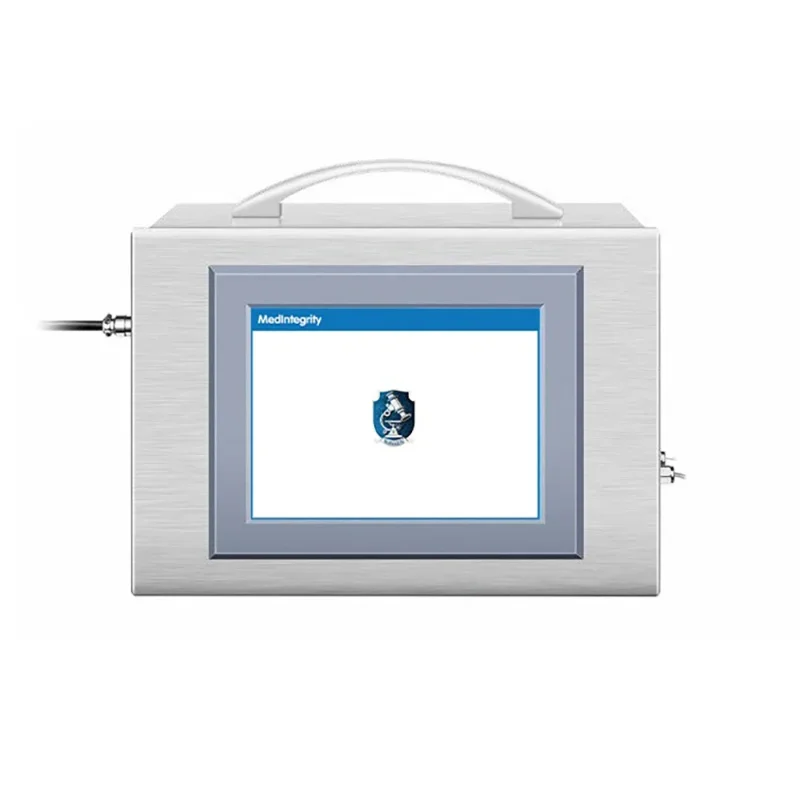
The MedIntegrity TA Series uses built-in software-guided sequences that handle zero-point adjustment, span verification, and curve validation steps. Analysts receive immediate feedback if any deviation exceeds acceptance limits, which saves time during daily startup routines.
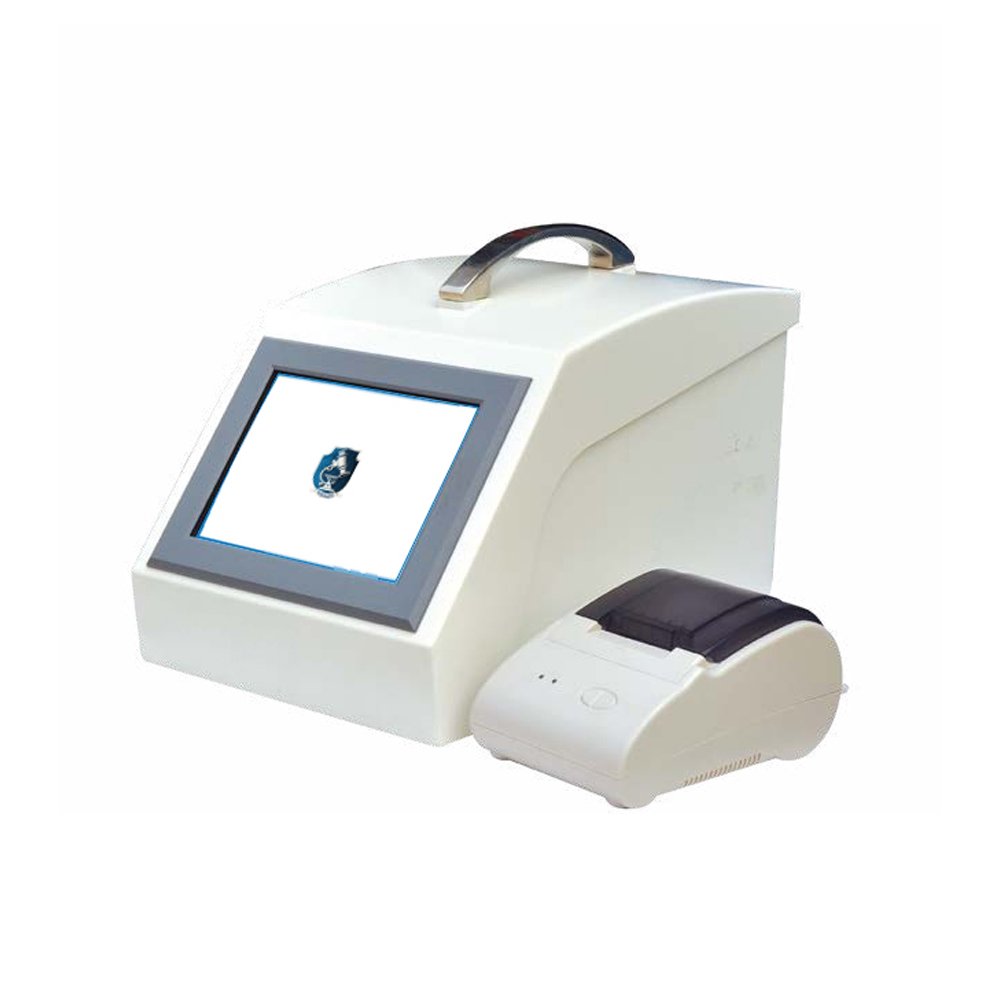
The MedIntegrity Automatic TA3.0 analyzer measures the amount of total carbon, inorganic carbon, and total organic carbon in water. This integrated measurement principle supports consistent results across various sample types, from purified water loops to final rinse samples in sterile manufacturing lines.
Electronic Records and GMP Compliance
All calibration and maintenance activities are recorded digitally. Timestamps, operator IDs, and test parameters provide audit-ready documentation. This long-term recordkeeping supports regulatory inspections and 21 CFR Part 11 compliance.
Adaptability Across Pharma Facilities
The TA Series adapts to single-loop or multi-loop water systems. Sample input flexibility and automated reporting make it suitable for both small laboratories and large-scale CDMOs. Standardized routines reduce training burden and maintain consistency across sites.
B2B Applications and Operational Value
Pharmaceutical Water System Monitoring
TOC analyzers are critical for monitoring WFI, purified water, and cleanroom water supply lines. Accurate readings protect against microbial contamination and support batch release decisions.
Biopharmaceutical and Injectable Facilities
High-value biologics require precise water quality monitoring. Automated daily calibration ensures that sensors maintain sensitivity, avoiding unexpected deviations in TOC measurement that could compromise biologic stability.
CDMO and Multi-Site Operations
Standardizing calibration and maintenance routines across multiple sites reduces operator variability and simplifies compliance. Facilities with shared QA oversight benefit from consistent practices and automated recordkeeping.
Long-Term Compliance and Operational Benefits
Data Integrity and Audit Readiness
An electronic logging system with time stamping and operator identification is able to ensure a reliable audit trail. Such a function becomes especially important when regulatory inspections and GMP audits take place, thus eliminating the need for manual paper logs.
Reducing Risk and Supporting Batch Release
Accurate calibration and maintenance on a daily basis minimize the risk of batch failures and ensure a safe release of products from hold. Consistency in TOC measurements builds confidence across QA teams.
Future-Proofing with Automation Trends
Integrating with digital dashboarding capabilities, remote monitoring, and prediction alerts ensures that companies will be up to date with changing smart manufacturing requirements. Automated calibration today reduces surprises tomorrow, aligning with trends toward data-driven process control in 2026.
Conclusion
Daily TOC Analyzer Calibration & Maintenance is not only a compliance necessity but a wise investment into the quality of your product, efficiency of operations, and future compliance. The integration of MedIntegrity TA Series into daily processes through automation and real-time monitoring with electronic audit trails will save time and effort while providing consistent and accurate data.
For facilities handling WFI, purified water, or complex multi-loop systems, adopting best practices with MedIntegrity TA Series strengthens TOC monitoring and prepares laboratories for the increasingly automated landscape of 2026.
Contact MedIntegrity to learn how the TA Series can support daily calibration routines and long-term compliance strategies.
FAQ
Q1: Why is daily TOC analyzer calibration essential in pharmaceutical facilities?
A: The calibration on a daily basis will ensure that the TOC analyzers measure the carbon accurately, thus, maintaining integrity and adherence to Good Manufacturing Practices.
Q2: What are common mistakes during TOC analyzer calibration?
A: Frequent errors include ignoring sensor drift, skipping cleaning of sample lines, and failing to log calibration results properly for audits.
Q3: How does the MedIntegrity TA Series improve daily calibration workflows?
A: It automates zero- and span-point calibration, provides real-time curve verification, and captures electronic records for audit readiness.
Q4: Can the TA Series support multi-loop or multi-site water systems?
A: Yes, the TA Series adapts to various facility setups, enabling standardized calibration routines and reduced operator training needs.
Q5: How does automation in TOC analysis contribute to long-term compliance?
A: Automated monitoring, error alerts, and digital records reduce human error, maintain data integrity, and simplify regulatory inspections.
 English
  Russian
  Spanish
  Portuguese
  German
  French
  Italian
  Arabic
  Dutch
Dutch  Japanese
  Vietnamese
  Korean
  Malay
Malay  Thai
Thai